Salesforce Efficiency Report: Scaling Operations via Data Cloud
Introduction
Salesforce management for enterprise organizations is shifting from basic data storage toward active operational intelligence. This report reveals how integrating autonomous systems and unified data streams allows large brands to maintain a competitive edge. These developments indicate a move toward the agentic enterprise where software minimizes manual labor and maximizes output.
Market Context: Disruption and Opportunity

Large enterprises with over 1,000 employees currently face a productivity plateau caused by disconnected software ecosystems. Legacy configurations often result in fragmented workflows that hinder the ability of leadership to make rapid, data-driven decisions. This fragmentation matters because it creates hidden costs and slows down the time-to-market for new digital initiatives. For stakeholders, this means that traditional CRM management is no longer sufficient to drive growth in a high-speed market. Adopting modern enterprise integration services allows these brands to bridge the gap between back-office data and front-office experiences.
The benefits of modernizing these systems include significantly lower operational overhead and improved data accuracy. By focusing on scaling operations efficiently, companies can expand their market presence without a linear increase in administrative headcount.
Top 5 Trends to Watch in Salesforce Operational Efficiency
The Rise of Salesforce Data Cloud as a Central Engine
The Shift to Autonomous Procurement and Digital Labor
Real-Time ERP Integration via Zero-Copy Technology
Operational Intelligence through Predictive Analytics
Unified Enterprise Integration Services for Global Scale
Trend Breakdown: Context and Competitive Insight

The Rise of Salesforce Data Cloud as a Central Engine
The core idea of this trend is the unification of trapped data into a single, functional source of truth. Salesforce Data Cloud allows organizations to ingest massive volumes of information from any source to create a real-time profile of operations. This shift is driven by the need for instant visibility into customer and supply chain health, affecting every department from sales to logistics. The implications include a drastic reduction in data duplication and the elimination of manual reporting cycles. Brands using this technology gain a competitive advantage by acting on live insights rather than historical exports.
The Shift to Autonomous Procurement and Digital Labor
Autonomous procurement involves using AI agents to manage vendor relationships and supply chain logistics without constant human intervention. As labor costs rise, enterprises are looking for ways to automate complex transactional tasks that previously required large teams. This trend affects procurement officers and COOs who need to streamline high-volume purchasing cycles. The move toward digital labor means that orders are placed and tracked with perfect precision based on real-time inventory levels. Companies adopting this approach can scale operations efficiently by removing human bottlenecks from the supply chain.
Real-Time ERP Integration via Zero-Copy Technology
This trend centers on connecting Salesforce directly to external data warehouses like Snowflake or BigQuery without moving the data. Traditional ERP integration often relies on slow, expensive middleware that creates lag and increases the risk of errors. By using zero-copy architecture, enterprises can access financial and inventory data in real-time within their CRM interface. This affects IT directors and SVPs who require accurate cross-platform data to steer the business. The competitive advantage lies in having a leaner technical stack that is easier to maintain and faster to update.
Operational Intelligence through Predictive Analytics
Operational intelligence is the practice of using live data to predict and prevent business disruptions before they occur. This shift is driven by the availability of advanced machine learning models that run directly on top of integrated data streams. It affects decision-makers who need to anticipate market shifts or internal resource constraints. The implications involve moving from a reactive "fix-it" mentality to a proactive strategy that optimizes every asset. Brands that master this intelligence can outmaneuver competitors by identifying opportunities that others miss.
Unified Enterprise Integration Services for Global Scale
The core idea here is the standardization of how different software platforms communicate across a global organization. Enterprise integration services provide the framework for connecting CRM, ERP, and HCM systems into a cohesive digital ecosystem. This shift is vital for brands with over 1,000 employees who must maintain consistency across multiple regions and languages. Implementing a unified integration strategy ensures that data flows securely and reliably across the entire enterprise. The result is a more resilient organization that can pivot its digital strategy without rebuilding its entire infrastructure.


%20(1).png)

Let’s kickstart the conversation and design stuff people will love.

The Retail & Consumer Index


What Leading Brands Are Doing
Leading companies are already adapting to these trends by transforming how they engage, build, and innovate. A major global retailer has invested in Salesforce Data Cloud to unify customer records across thirty countries, resulting in a 25% increase in marketing efficiency and a reduction in data storage costs. Another enterprise leader in the manufacturing sector has taken a different path, optimizing their supply chain through autonomous procurement to meet changing expectations and increase market responsiveness.
At G&CO., we’ve worked alongside clients to implement similar shifts—whether through digital strategy, customer journey redesign, or platform modernization. Our expertise enables brands to translate trend awareness into tangible market advantage by focusing on high-impact technical architecture.
Risks, Blind Spots & What to Avoid
Risk 1: Underestimating Data Quality
Why it matters: Implementing Salesforce Data Cloud on top of "dirty" or inconsistent data will only accelerate inaccurate conclusions.
Blind spot: Businesses often overlook the need for a rigorous data cleansing phase before activating automated AI agents.
Risk 2: Fragmented ERP Integration
Why it matters: A poorly executed ERP integration creates a "black box" where sales teams cannot see the actual inventory or shipping status.
Blind spot: The common assumption is that a simple API connection is enough, ignoring the need for deep business logic alignment.
Risk 3: Slow Adoption of Operational Intelligence
Why it matters: Delaying the shift to predictive models leaves the organization vulnerable to sudden market volatility and supply chain shocks.
Blind spot: Internal resistance often stems from a fear that autonomous systems will replace staff, rather than empowering them.
The Role of Operational Efficiency Consulting Firms

Operational efficiency consulting firms play a vital role in helping large organizations navigate complex digital transitions. These firms provide the strategic roadmap and technical expertise required to turn raw platform potential into measurable business outcomes. Selecting a partner with deep experience in enterprise integration services ensures that your technology stack remains scalable and secure. Specialized consultants solve the challenge of technical debt by auditing legacy systems and implementing modern business intelligence consulting solutions. The right partner understands how to align Salesforce Data Cloud with specific departmental goals to maximize ROI. Choosing an expert firm prevents costly implementation errors and ensures that the transition to autonomous procurement is seamless. These firms provide ongoing support to help brands adapt as new features and market demands emerge.
G&CO. can help your brand define its digital future and execute high-level Salesforce strategies that drive lasting impact.
Conclusion & Strategic Outlook
These five trends are not passing fads—they reflect a deeper shift in how enterprise software operates and what leaders value. Moving toward a model of operational intelligence is key to staying relevant, responsive, and differentiated in a crowded market. Brands that internalize these shifts, from zero-copy ERP integration to autonomous procurement, will be better equipped to navigate complexity and build long-term advantage. Success in 2026 requires a focus on scaling operations efficiently through unified data and intelligent automation.
At G&CO., we bring the strategic clarity and executional power needed to translate trend awareness into business impact. Let’s explore what’s next, together.
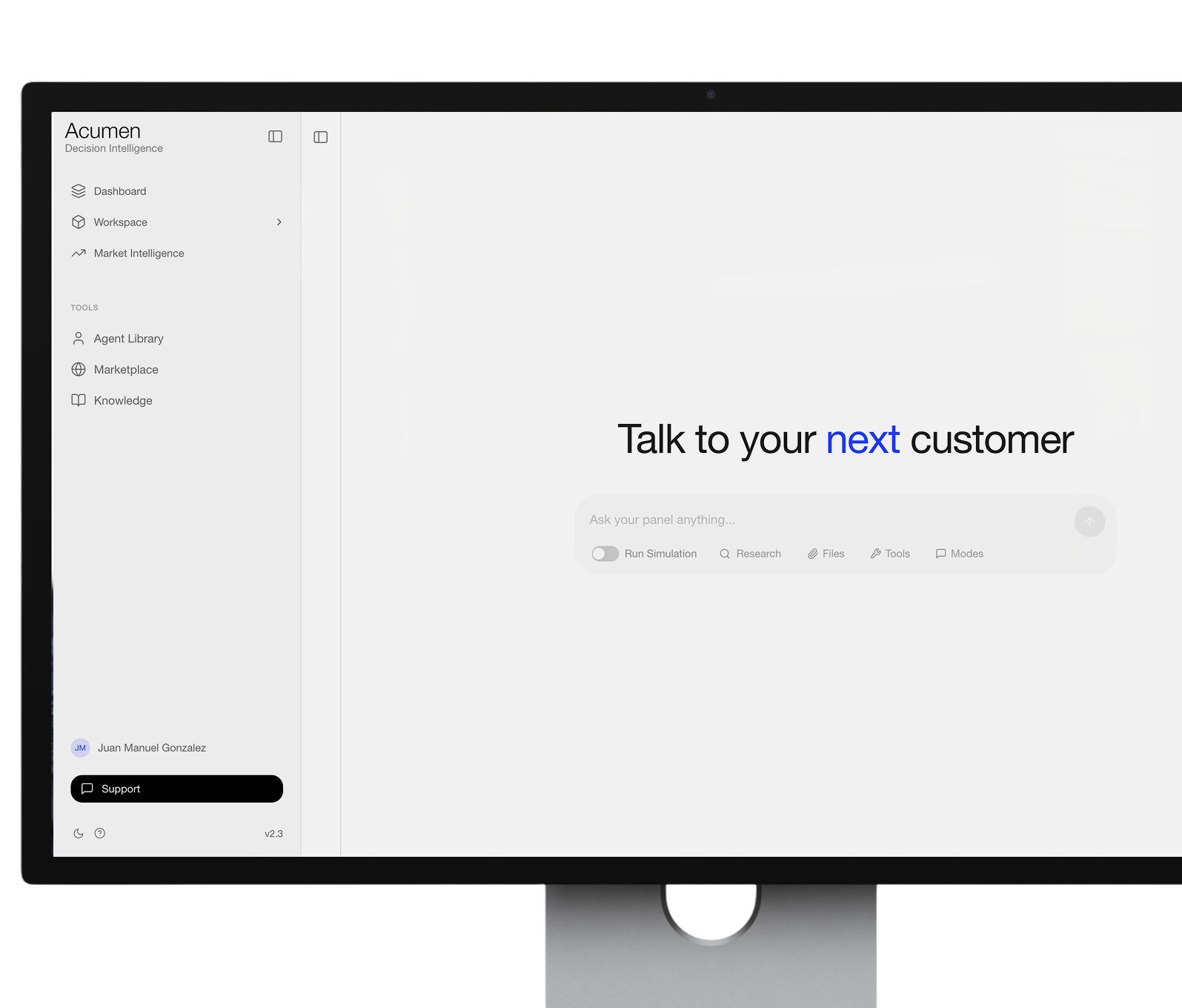
Always-On Customer Intelligence
Turn your own customer data into foresight — validate, simulate, and sense every major decision before you commit.