Top Pharmaceutical Digital & Software Development Agencies to Work With - August 2026
Introduction
Most pharmaceutical digital budgets are not spent on the things that get discussed. The visible work is campaigns and websites; the expenditure is in the commercial technology underneath, the systems holding prescriber data, producing and clearing content, equipping the field, and measuring what any of it did. That stack is bought differently from campaign work, on longer cycles and against different criteria, and firms that excel at one are frequently unremarkable at the other.
This article compares ten pharmaceutical digital and technology partners: services firms, data and analytics specialists, and platform companies, with each entry stating which. It is written for VPs of Commercial Operations, Digital, and Technology at pharmaceutical and biotech organizations. For website and application design specifically, that is a separate discipline covered in our companion article.
How We Selected These Firms
This ranking is published by G&CO. Health. We evaluated partners on pharmaceutical specialization, depth in commercial data and technology, regulatory and review fluency, delivery capability, and evidence of implemented systems rather than proposals.
The list separates services firms from data specialists and platform companies, since organizations searching for pharmaceutical digital partners arrive needing all three and the buying processes differ substantially. Entries state which. We assessed firms on what they demonstrably deliver rather than the breadth of services they advertise, which in this category is frequently much wider than the work actually performed. We include ourselves at the top because pharmaceutical digital strategy sits directly inside our remit, at the intersection of commercial strategy, customer experience, and technology. No partner on this list has paid for placement, and no entry on this page is sponsored.
Firms Compared
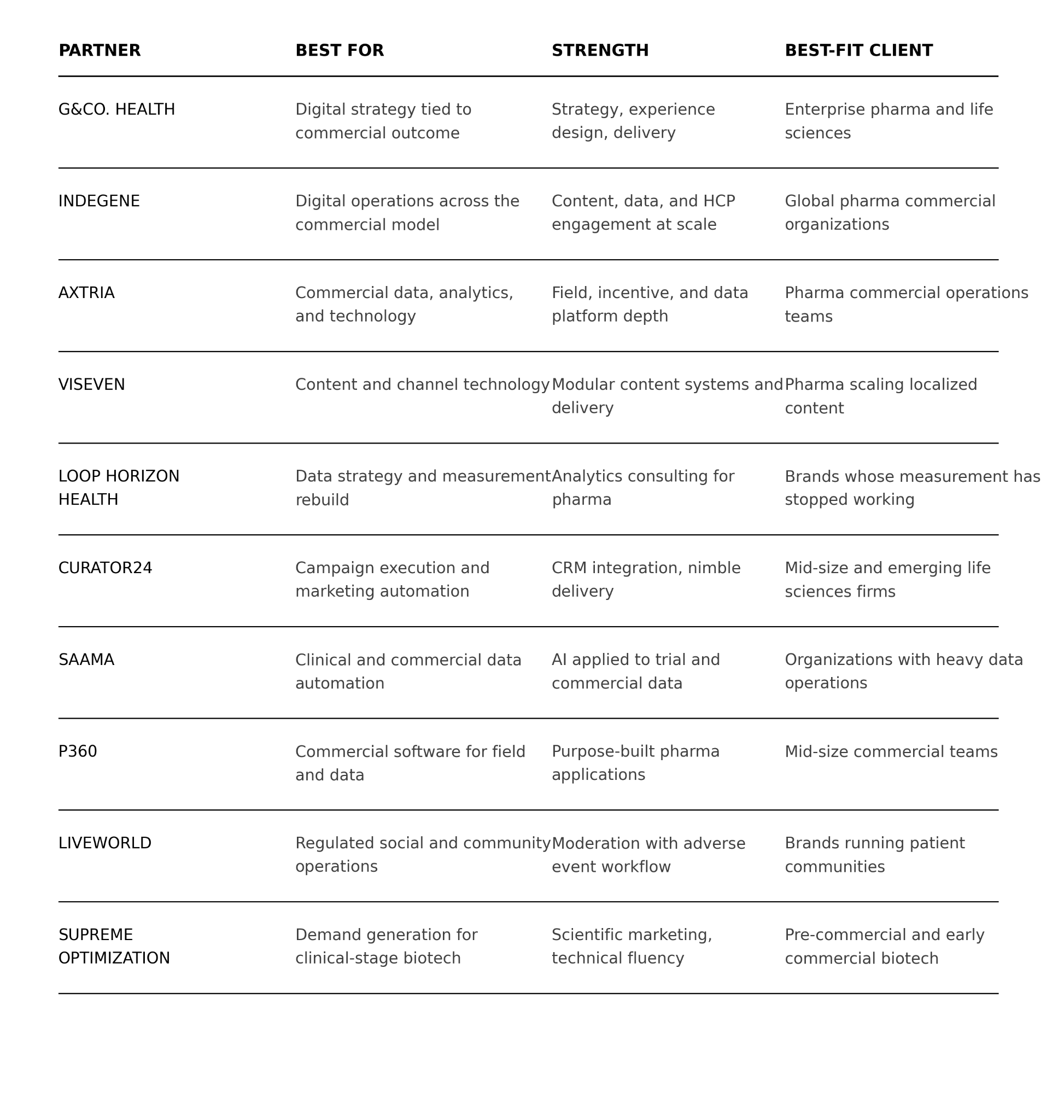
The table below summarizes where each partner fits. The first five are services and consulting firms; the last five are data specialists and platforms.
The Firms
1. G&CO. Health
Best for: Enterprise pharmaceutical organizations where digital investment has to be sequenced against a commercial strategy rather than assembled as a set of platform decisions.
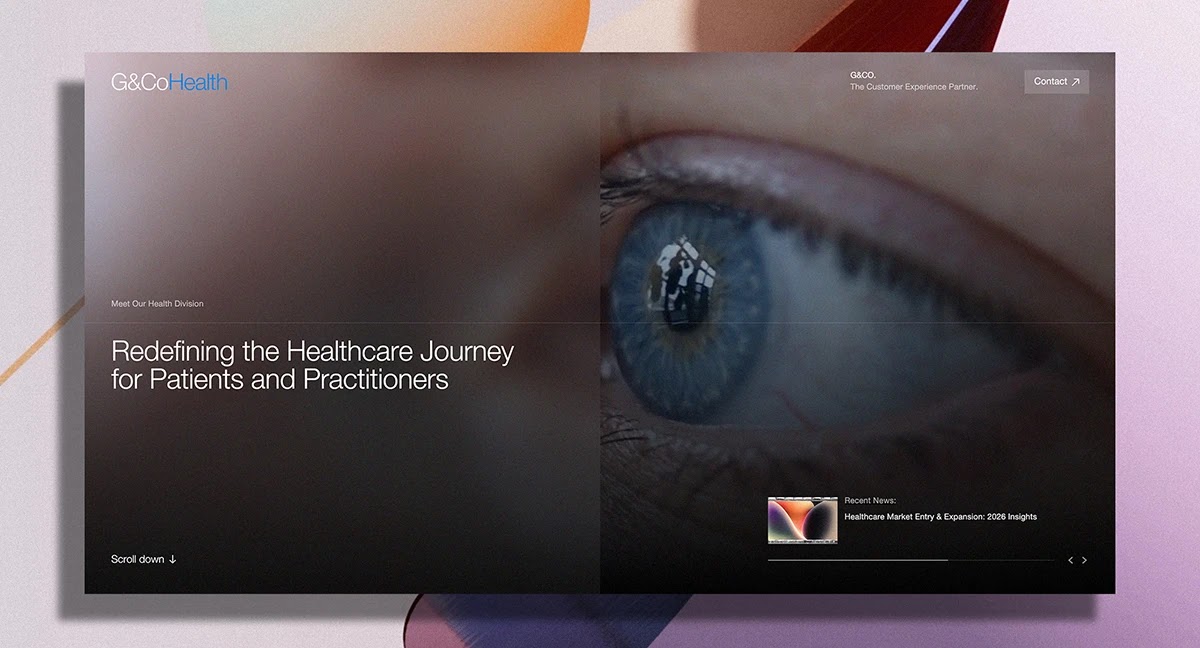
Why it stands out: G&CO. Health works with pharmaceutical organizations on digital and software strategy, experience design, and the delivery connecting them, through G&CO. Health. Pharmaceutical technology decisions are frequently taken platform by platform, which produces a commercial stack that works in parts and not as a system. Beginning from the commercial model rather than the technology inventory is what avoids that. G&CO. Health is part of G&CO., a minority business enterprise (MBE), as certified by the National Minority Supplier Development Council (NMSDC).
May not be best if: You need software product engineering capacity, platform licensing, or ongoing managed services as the substance of the engagement.
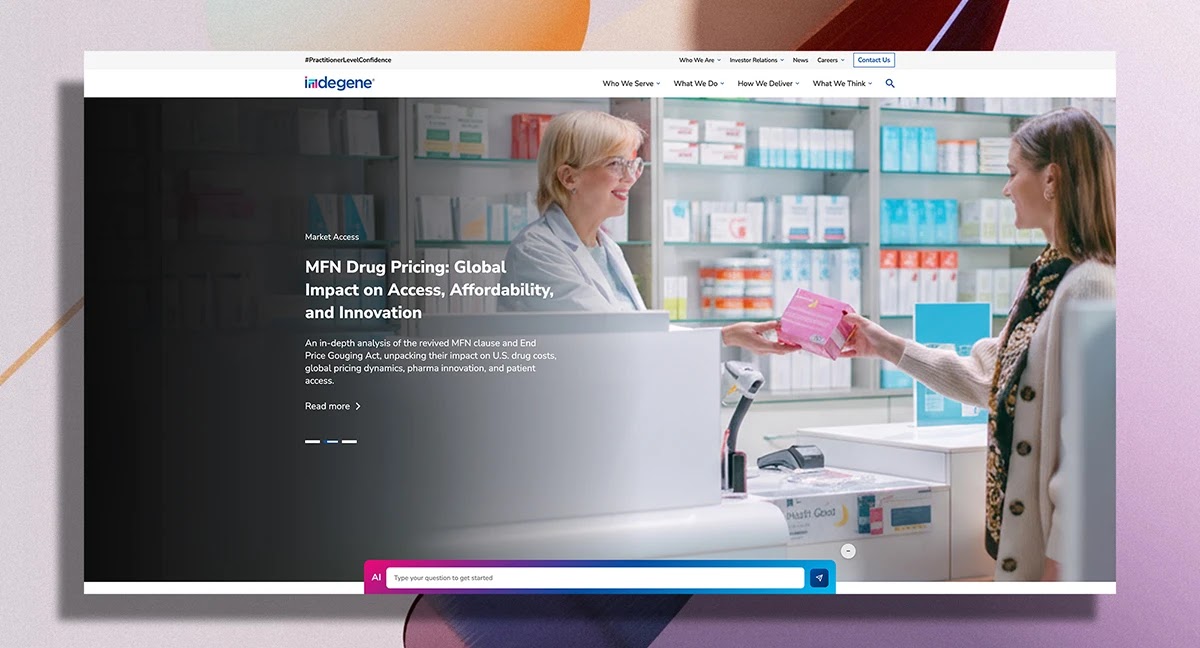
2. Indegene
Best for: Global pharmaceutical organizations running digital operations across many brands and markets.
Why it stands out: Indegene operates as a digital-first life sciences commercialization business rather than an agency, covering content operations, data, medical, and healthcare professional engagement at scale. For organizations whose constraint is throughput across a portfolio rather than quality on one brand, an operating partner structured around volume addresses a different problem than an agency structured around campaigns.
May not be best if: You are a single-brand or pre-commercial organization, where this operating scale would be unusable.
3. Axtria
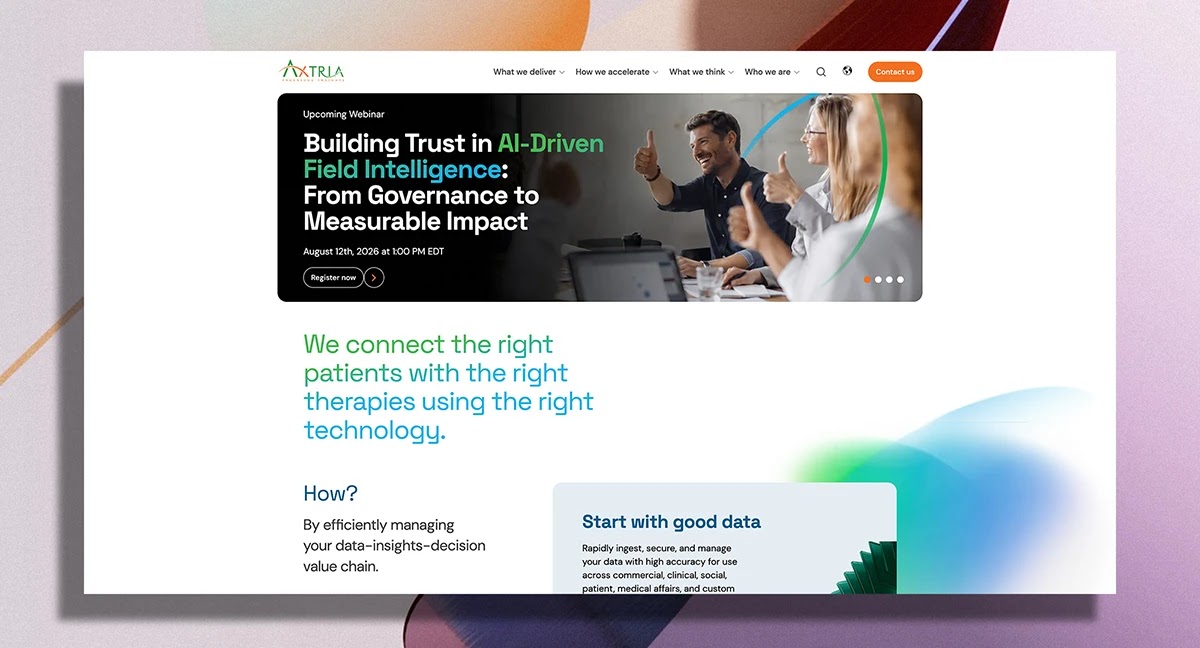
Best for: Commercial operations teams building the data and analytics layer beneath field and marketing activity.
Why it stands out: Axtria concentrates on pharmaceutical commercial data, analytics, and the technology supporting field deployment, territory alignment, and incentive design. This is the least visible and most consequential part of a commercial stack: targeting, alignment, and incentive decisions determine where effort goes long before any campaign runs, and getting them wrong wastes the investment downstream of them.
May not be best if: Your requirement is creative, content production, or customer-facing digital experience.
4. Viseven
Best for: Pharmaceutical organizations producing and adapting approved content at volume across markets.
Why it stands out: Viseven works on modular content and the operational systems delivering it across channels, including how approved components are reused and localized. Content supply is the practical brake on most pharmaceutical digital programs: strategy is settled long before the organization can produce and clear enough assets to execute it, and this addresses the part that actually constrains delivery.
May not be best if: Your challenge is data infrastructure, analytics, or commercial technology rather than content operations.
5. Loop Horizon Health
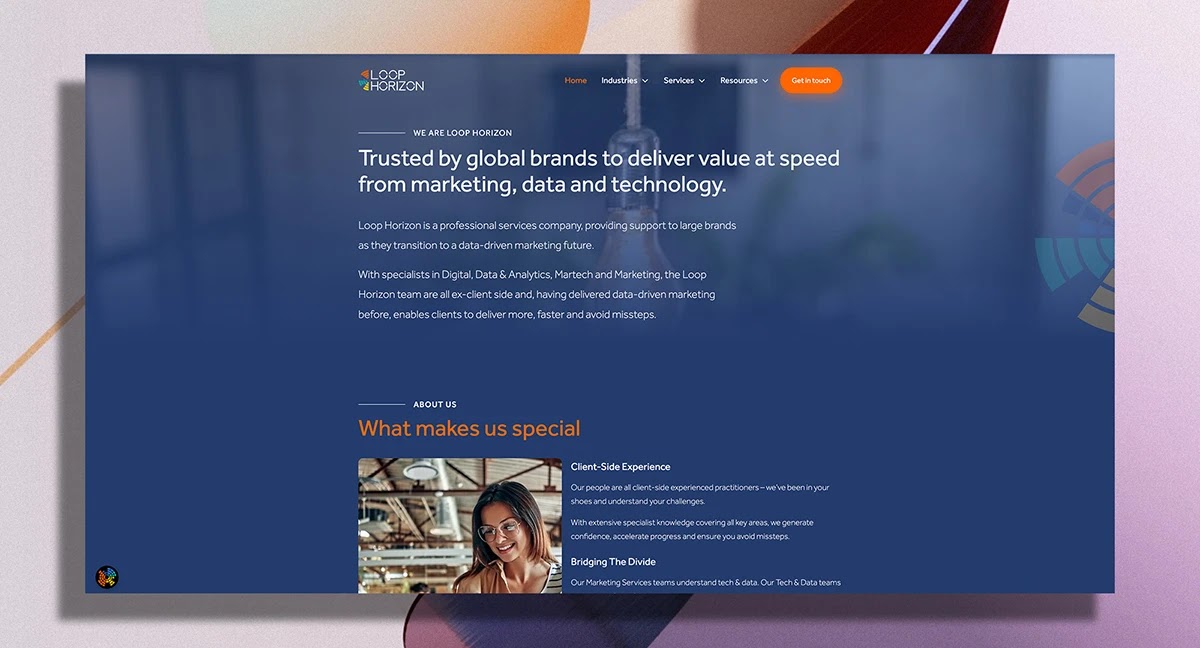
Best for: Brands whose measurement has stopped producing usable answers.
Why it stands out: Loop Horizon works on data strategy and measurement for pharmaceutical clients, which has become substantially harder as tracking restrictions have tightened and attribution built on third-party data has degraded. Organizations that can no longer explain what their digital investment achieved usually have a measurement architecture problem rather than a performance problem, and the two require different responses.
May not be best if: You need execution capacity, content production, or platform implementation.
6. Curator24
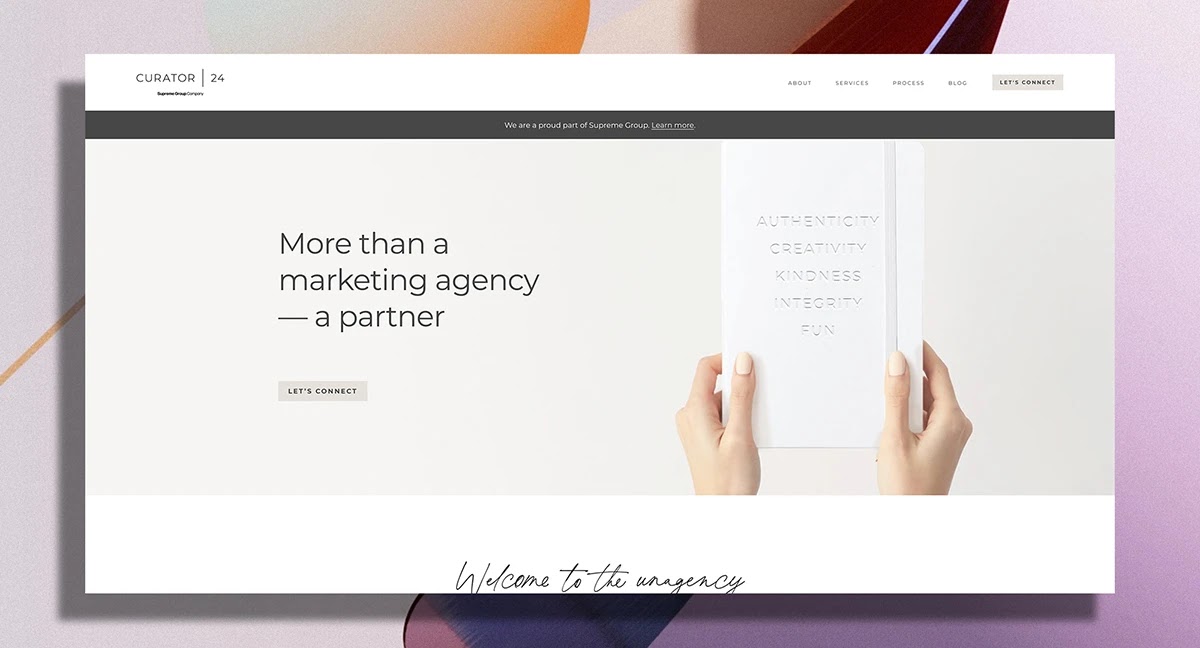
Best for: Mid-size and emerging life sciences companies needing execution and marketing automation without enterprise overhead. Services firm.
Why it stands out: Curator24 delivers campaign execution, digital design, and CRM and automation integration for mid-market life sciences clients. Its scale is the proposition: organizations below enterprise size frequently find that large partners price and govern the work as though it were a global program, and a nimbler firm returns more of the budget as delivered work.
May not be best if: You are an enterprise organization needing multi-market governance or substantial data and technology capability.
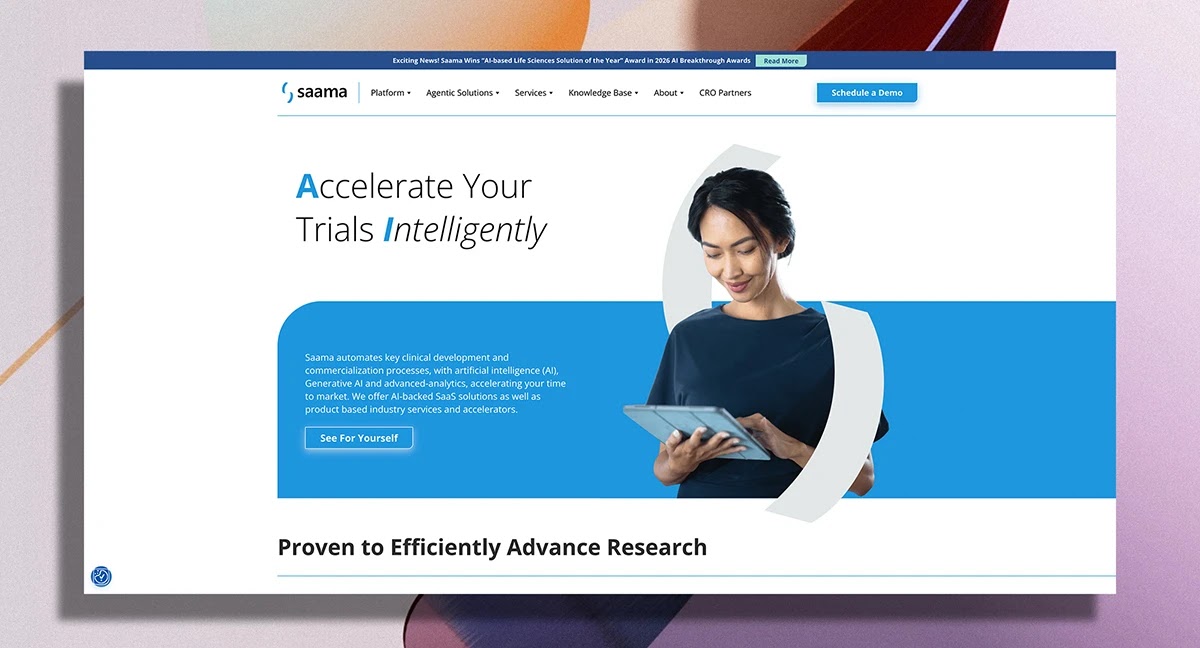
7. Saama
Best for: Organizations automating heavy data operations across clinical and commercial functions. Platform and services.
Why it stands out: Saama applies artificial intelligence to clinical and commercial data processes, reducing manual effort in areas where volume rather than complexity is the constraint. For organizations where data operations consume substantial headcount, automation of the repetitive layer changes the economics more directly than most digital investment.
May not be best if: Your priority is customer-facing experience, content, or commercial strategy rather than data operations.
8. P360
Best for: Mid-size commercial teams wanting purpose-built pharmaceutical applications rather than configured general platforms. Platform company.
Why it stands out: P360 builds commercial software for pharmaceutical field and data use cases, designed around industry workflow rather than adapted from generic sales tooling. For organizations without the scale to justify heavy configuration of an enterprise platform, software already shaped to the industry reduces both implementation cost and the ongoing burden of maintaining customization.
May not be best if: You are an enterprise organization already committed to a major platform, where an additional system adds integration burden.

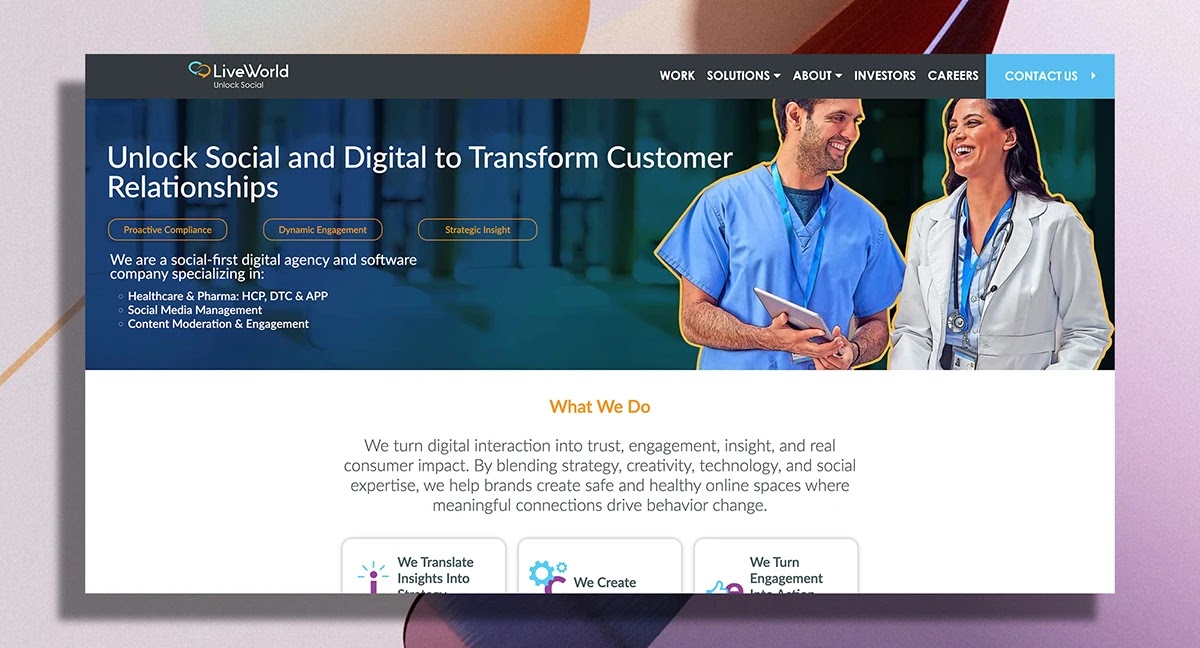
9. LiveWorld
Best for: Brands operating patient communities or social channels where adverse events may be reported. Services and platform.
Why it stands out: LiveWorld provides moderation and community operations built around pharmaceutical requirements, including adverse event identification and escalation. This is a genuine specialism: any public channel where patients can write creates a pharmacovigilance obligation, and organizations that open social channels without a compliant moderation process create exposure they frequently do not recognize until it materializes.
May not be best if: You have no patient-facing social presence, or your requirement is campaign creative rather than operations.
10. Supreme Optimization
Best for: Clinical-stage and early commercial biotech building demand with technically demanding audiences. Services firm.
Why it stands out: Supreme Optimization works on scientific marketing and demand generation for clinical-stage biotech and pharmaceutical clients, with the technical fluency that audience requires. Pre-commercial organizations market to investors, partners, and scientific peers rather than prescribers, and a firm that understands the science communicates with that audience more credibly than a generalist.
May not be best if: You are a marketed brand needing prescriber engagement, content operations, or commercial data infrastructure.


%20(1).png)

Let’s kickstart the conversation and design stuff people will love.

The Retail & Consumer Index


How Long Does a Pharmaceutical Digital Services Engagement Take to Complete?

Project timelines are a key factor when engaging a pharmaceutical software development agency, particularly given the industry’s regulatory rigor and operational complexity. While durations vary based on scope, compliance requirements, and platform type, agencies follow structured workflows that balance speed with precision. From digital strategy and discovery through UX/UI design, development, validation, and deployment, each phase is aligned to the pharmaceutical industry’s approval cycles and internal review processes. Below is an overview of typical project timelines by service type, providing clarity around expected milestones and delivery windows.
Project Scope & Complexity
The complexity of a pharmaceutical digital solution directly affects delivery time. A basic website refresh or single-channel campaign may take a few weeks, while building a multilingual HCP portal, custom pharma software platform, or integrated CRM system can extend timelines to 6–9 months or more. Agencies typically begin with a discovery phase to define technical requirements, stakeholder goals, and resource availability—all of which shape the final project schedule.
Regulatory & Compliance Requirements
Pharma digital agencies must build every solution to comply with standards like FDA, EMA, HIPAA, and other local regulations. These constraints often introduce delays due to mandatory MLR (medical-legal-regulatory) review cycles. Every asset—whether a patient-facing app or an internal platform—must be vetted for accuracy, safety, and legality. Global projects may face additional review layers, further extending development timelines.
Stakeholder Involvement & Approval Speed
Internal decision-making speed at the pharmaceutical company can significantly influence a project’s pace. Projects involving multiple teams—such as brand, legal, regulatory, and IT—tend to face delays due to layered approval processes. Assigning a centralized point of contact and streamlining stakeholder communication helps the digital pharma agency stay on track.
Technical Requirements & Platform Integration
Complex system integrations—such as with CRM software, ERP platforms, or third-party APIs—require added development time. Legacy system compatibility, data security audits, and backend testing all increase delivery durations. Clients should expect phased implementation, robust QA, and contingency buffers for systems integration.
Global Scope & Localization
Multinational pharma app development or platform rollouts require additional time to manage regional compliance, local language translations, and market-specific UX. Localization isn’t just about translation—it involves adapting content, workflows, and features to suit each region’s regulatory framework and user expectations.
Content, Design & Asset Production
Content creation for pharma software and digital campaigns involves careful coordination between creative teams, medical writers, and compliance experts. All materials must pass through MLR review before publication. Expect additional lead time for medical copy, UX/UI design, and multi-format asset production across channels.
Testing, QA & Validation
Pharmaceutical digital solutions must pass rigorous validation protocols—including functional testing, UAT (user acceptance testing), accessibility checks, and compliance audits. This is especially important for solutions that handle patient data or HCP interactions. Agencies typically run multiple QA cycles to ensure performance, security, and regulatory adherence before launch.
Customization Level
Highly customized solutions—such as custom software development for pharma, proprietary analytics dashboards, or tailored mobile apps—require more time than prebuilt platforms. These projects involve iterative design, backend development, technical architecture, and documentation. Customization increases complexity, and clients should anticipate extended build and testing periods.
How Pharmaceutical Digital Agencies Price Their Work
Pricing is a key factor in choosing a pharmaceutical digital agency, as it directly impacts project scope, quality, and long-term value. The cost of engagement can vary significantly based on the complexity of services, depth of customization, regulatory requirements, and integration needs. Unlike general digital projects, pharmaceutical initiatives often include additional costs tied to compliance reviews, secure data handling, and platform validation. Understanding the pricing models and cost drivers specific to pharmaceutical digital services helps organizations make informed decisions and align budgets with strategic objectives. Agencies may charge based on fixed fees for clearly scoped projects, time-and-materials for ongoing development, or retainers for long-term partnerships across brands or platforms. The following section provides insight into typical pricing considerations and what clients can expect when partnering with a pharmaceutical digital agency.
Project Scope and Complexity
The scope and complexity of a pharmaceutical digital engagement heavily influence pricing, as larger or more intricate projects require more resources, specialized skills, and longer timelines. Agencies typically assess the number of deliverables, technical challenges, and compliance needs to estimate costs. Solutions such as custom pharma apps or multi-channel campaigns command higher fees due to the level of customization and regulatory oversight involved.
Regulatory Compliance and Review Cycles
Strict pharmaceutical regulations add cost through documentation, medical-legal review, and multi-round approvals. Agencies factor these efforts into pricing, accounting for the time and expertise required to navigate global compliance frameworks and coordinate across multiple stakeholder groups.
Technology and Integration Requirements
Pricing is shaped by the tech stack and integration complexity. Projects involving legacy systems, third-party platforms, or custom development require advanced technical capabilities and longer build times. Agencies include costs tied to platform licensing, API work, security protocols, and testing in their pricing models.
Customization and Innovation Level
Digital solutions with high levels of customization or that incorporate emerging technologies—such as AI, AR/VR, or advanced analytics—typically come at a premium. These engagements require greater development, testing, and support to meet client specifications and regulatory demands.
Geographic and Multilingual Considerations
Engagements that span regions or require localization in multiple languages raise costs due to added coordination, translation, and compliance adaptation. Agencies price in the effort required for regional content, regulatory alignment, and local market adjustments.
Engagement Model and Resource Allocation
Whether a project is billed as a fixed-price contract, retainer, or time-and-materials affects overall pricing. Resource allocation—such as dedicated teams or accelerated timelines—also impacts cost, as deeper agency involvement often requires higher client investment.
Post-Launch Support and Maintenance
Ongoing needs like support, updates, compliance monitoring, and performance tuning contribute to the total cost of ownership. Agencies typically offer maintenance packages or SLAs to ensure platform reliability, long-term value, and continued regulatory compliance.
Why Hire a Pharmaceutical Digital Agency

Partnering with a pharmaceutical digital product agency provides specialized expertise and tailored solutions essential for addressing the unique challenges of the pharmaceutical industry. These agencies leverage deep regulatory knowledge, advanced pharma software capabilities, and strategic digital pharma agency experience to deliver compliant, engaging digital products for healthcare professionals, patients, and key stakeholders. Collaborating with a pharma digital agency grants access to dedicated resources and customized approaches that accelerate innovation, enhance operational efficiency, and maximize the effectiveness of pharma digital services within a complex and highly regulated environment.
Regulatory Expertise and Compliance
Pharmaceutical digital agencies possess deep expertise in navigating the complex regulatory frameworks that govern the life sciences industry, including FDA, EMA, HIPAA, and regional requirements. This regulatory proficiency ensures that all digital assets, pharma apps, and campaigns meet compliance standards, minimizing risk and speeding approval cycles. Such rigor enables pharmaceutical companies to confidently deploy digital solutions while upholding patient safety and data privacy.
Access to Specialized Digital Skills
These agencies offer a wide array of specialized capabilities—ranging from pharma app development and custom software development pharma to data analytics, UX/UI design, and omnichannel marketing—that often exceed internal resource availability. Partnering with a pharma digital agency grants access to multidisciplinary teams experienced in solving pharma-specific challenges, enabling faster execution and delivering higher-quality digital pharma products.
Scalability and Bandwidth Support
Pharmaceutical digital agencies provide scalable resource models that help pharma organizations manage fluctuating workloads, launch concurrent campaigns, or accelerate pharma app development without expanding permanent internal teams. This flexibility addresses bandwidth limitations and aligns resourcing with project demands efficiently.
Cost Efficiency and Resource Optimization
Outsourcing to a pharmaceutical digital agency can reduce costs by eliminating expenses related to hiring, onboarding, and retaining specialized digital talent. Leveraging proven processes, reusable pharma software frameworks, and industry best practices, agencies optimize project delivery, shorten time to market, and improve return on investment.
Industry-Specific Strategic Insight
Pharma digital agencies combine market intelligence with deep knowledge of healthcare provider and patient behaviors to craft targeted, data-driven strategies. This insight supports precise segmentation, personalized content delivery, and outcome measurement, ensuring digital initiatives resonate with key audiences and drive value across the pharmaceutical product lifecycle.
Faster Innovation and Technology Adoption
Working with a pharmaceutical digital agency provides early access to emerging technologies such as AI, machine learning, and immersive media. Agencies remain current with technological advancements and regulatory shifts, helping pharma companies accelerate innovation adoption and maintain competitive advantage in a rapidly evolving digital landscape.
End-to-End Service and Partnership
Pharmaceutical digital agencies deliver comprehensive, end-to-end services encompassing strategy, design, development, deployment, and ongoing optimization. This integrated partnership streamlines project management, fosters collaboration, and ensures continuity, enabling clients to maximize the sustained impact of their pharma digital services investments.
How to Choose The Most Reliable Pharmaceutical Digital Agency
Selecting the right pharmaceutical digital agency is a crucial decision that can greatly influence the success of a company’s digital transformation and marketing initiatives. In an industry defined by strict regulatory requirements, diverse stakeholder demands, and fast-paced technological change, partnering with a pharma digital agency experienced in navigating these complexities is essential. The ideal agency combines proven expertise in delivering compliant, innovative, and effective pharma digital services that align with both strategic objectives and operational needs. This section highlights the key criteria pharmaceutical companies should consider when choosing a digital agency partner.
Industry Experience and Regulatory Expertise
Choosing a pharmaceutical digital agency with proven experience in the pharma and life sciences sectors ensures deep familiarity with complex regulatory frameworks such as FDA, EMA, and HIPAA. Agencies with strong compliance knowledge minimize risk, accelerate approval processes, and deliver digital solutions that uphold legal and ethical standards vital to pharmaceutical clients.
Range of Services and Technical Capabilities
A broad service offering supports the varied needs of pharmaceutical digital initiatives, from strategic planning and creative development to custom software and pharma app development. Agencies providing end-to-end capabilities—including CRM integration, data analytics, and omnichannel campaign execution—ensure consistency and flexibility across the project lifecycle, aligning digital experiences with client goals.
Proven Track Record and Case Studies
Reviewing detailed case studies and client references helps gauge an agency’s ability to deliver tangible results. Look for successful projects that match your scale and complexity, such as pharma digital product launches, compliance-focused campaigns, or technology implementations. A strong track record reflects reliability, industry insight, and a results-driven approach.
Collaboration and Communication Approach
Effective collaboration requires transparent communication, responsiveness, and structured project management. Agencies that integrate seamlessly with internal teams, provide regular updates, and adapt to feedback contribute to keeping projects on schedule and meeting defined objectives.
Innovation and Technology Leadership
In a rapidly evolving pharmaceutical landscape, agencies that embrace emerging technologies like AI, machine learning, immersive media, and advanced analytics offer competitive advantages. These capabilities enable delivery of innovative digital solutions that improve engagement and operational efficiency.
Scalability and Flexibility
Given the dynamic nature of pharma digital needs, agencies must scale resources and adjust timelines to fit project demands. Flexible partners support rapid pivots, handle multiple concurrent campaigns, and bring additional expertise as needed without sacrificing quality or deadlines.
Cultural Fit and Shared Values
Alignment in culture and values between the pharma company and its digital agency fosters trust and a productive partnership. Agencies that respect confidentiality, understand client priorities, and demonstrate ethical commitment contribute to long-term success in pharmaceutical digital initiatives.
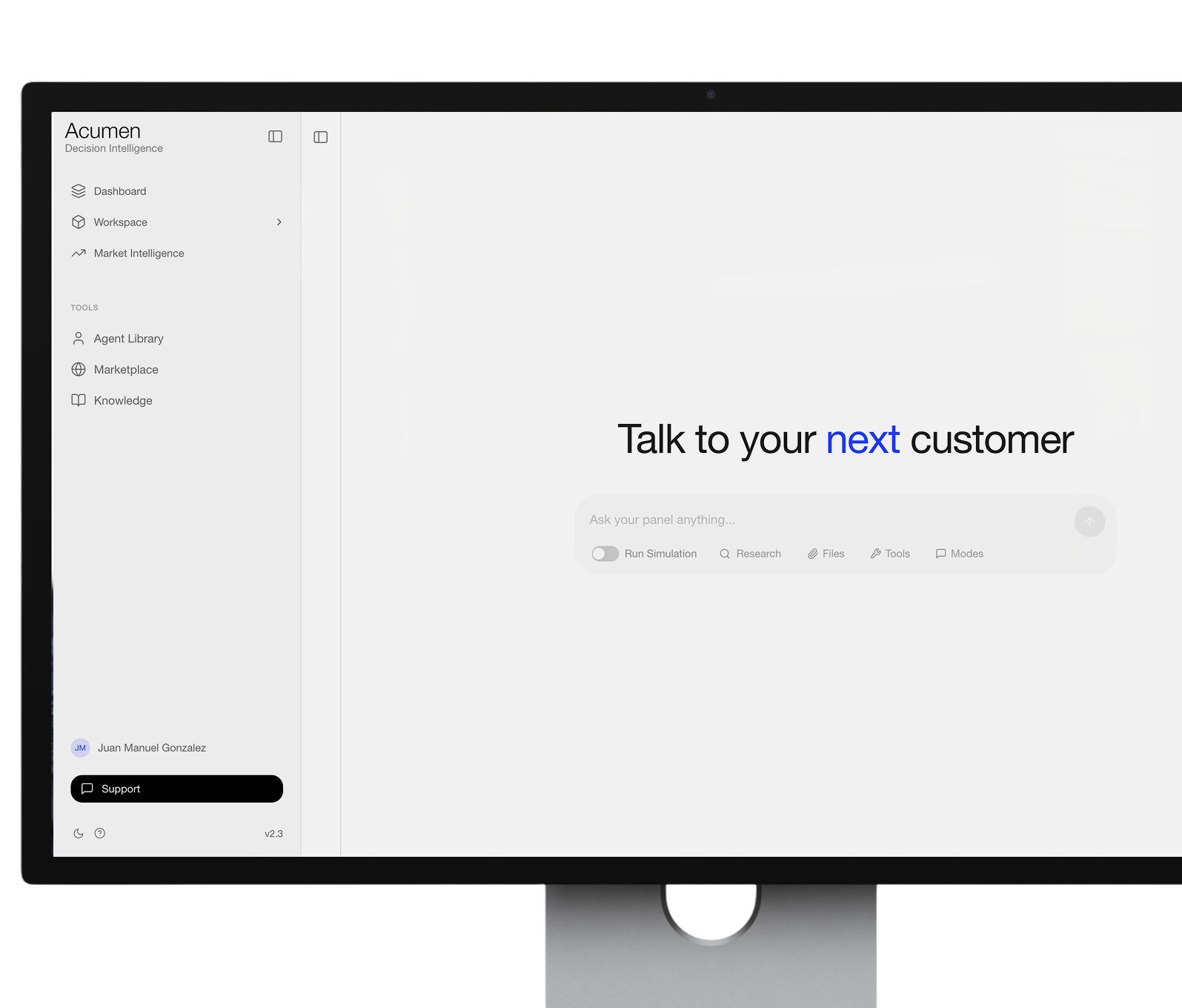
Always-On Customer Intelligence
Turn your own customer data into foresight — validate, simulate, and sense every major decision before you commit.


15 Questions To Ask Pharmaceutical Digital Agencies Before You Hire One

Before partnering with a pharmaceutical digital agency, prospective clients often have critical questions to ensure the agency can meet their unique needs and expectations. These inquiries typically focus on the agency’s expertise, regulatory compliance experience, project management methodology, and ability to deliver measurable outcomes. Knowing which questions to ask enables organizations to make informed choices, reduce risks, and select a partner skilled at navigating the complexities of pharma digital services. This section outlines essential questions to guide the evaluation process.
Here are 15 questions a prospective client might ask before hiring a pharmaceutical digital agency:
- What experience do you have working specifically with pharmaceutical or life sciences clients?
- How do you ensure compliance with FDA, EMA, HIPAA, and other regulatory requirements in your digital solutions?
- Can you provide examples of successful pharma digital campaigns or projects similar to ours?
- What is your process for managing medical-legal-regulatory (MLR) reviews and approvals?
- How do you approach data security and patient privacy within your digital platforms?
- What types of pharmaceutical digital services and technologies do you specialize in?
- How do you handle integration with existing pharma CRM, ERP, or other enterprise systems?
- What is your typical project timeline for a pharma app development or digital platform launch?
- How do you measure and report on the performance and ROI of your digital campaigns?
- What is your approach to multi-market and multilingual digital projects?
- How do you ensure collaboration and communication with internal pharma teams during engagements?
- Can you support ongoing maintenance, updates, and compliance monitoring after launch?
- How flexible are your engagement models in terms of pricing, resource allocation, and project scope?
- What innovative technologies or digital trends do you incorporate in your pharma solutions?
- How do you stay updated on changes in pharmaceutical regulations and industry best practices?
What Experience Do You Have Working Specifically With Pharmaceutical or Life Sciences Clients?
Experience within the pharmaceutical or life sciences sector is critical because these industries operate under unique regulatory, ethical, and scientific standards. Agencies with proven expertise understand the complexities of medical content, compliance requirements, and stakeholder engagement. Asking this question helps ensure the agency can navigate these challenges effectively and deliver solutions tailored to the industry’s specific needs.
How Do You Ensure Compliance With FDA, EMA, HIPAA, and Other Regulatory Requirements in Your Digital Solutions?
Compliance with healthcare regulations is non-negotiable in pharmaceutical digital services. Understanding an agency’s approach to regulatory adherence, including their processes for documentation, review cycles, and audit readiness, provides insight into their ability to deliver compliant digital experiences. This question helps assess how the agency balances innovation with legal and ethical responsibilities critical to patient safety and brand integrity.
Can You Provide Examples of Successful Pharma Digital Campaigns or Projects Similar to Ours?
Reviewing case studies or examples of past work allows clients to evaluate an agency’s capability to deliver results relevant to their specific goals and challenges. Agencies that can demonstrate success with projects similar in scale, complexity, or therapeutic area build confidence in their ability to execute effectively. This question also helps identify agencies with experience in the client’s niche or market.
What Is Your Process for Managing Medical-Legal-Regulatory (MLR) Reviews and Approvals?
MLR review is a defining aspect of pharmaceutical communications, ensuring all content is accurate and compliant before release. Understanding the agency’s process for managing MLR can reveal how efficiently they collaborate with internal and external reviewers, mitigate delays, and handle feedback. This insight is vital for anticipating project timelines and maintaining compliance without sacrificing agility.
How Do You Approach Data Security and Patient Privacy Within Your Digital Platforms?
Protecting sensitive patient and healthcare data is paramount in pharma digital initiatives. Prospective clients should evaluate how agencies implement security protocols, encryption standards, and access controls to safeguard information. This question also probes the agency’s adherence to privacy regulations such as HIPAA and GDPR, critical for maintaining trust and avoiding legal repercussions.
What Types of Pharmaceutical Digital Services and Technologies Do You Specialize In?
Pharmaceutical digital services cover a broad spectrum, from app development and CRM integration to content marketing and data analytics. Understanding an agency’s areas of specialization ensures alignment with client needs and project scope. This question helps clarify whether the agency offers end-to-end capabilities or if additional partners may be required.
How Do You Handle Integration With Existing Pharma CRM, ERP, or Other Enterprise Systems?
Pharmaceutical companies often operate complex technology stacks. Agencies capable of seamless integration with existing CRM, ERP, and data systems reduce operational friction and improve data consistency. This question assesses the agency’s technical expertise and their ability to deliver cohesive solutions that fit within the client’s broader IT ecosystem.
What Is Your Typical Project Timeline for a Pharma App Development or Digital Platform Launch?
Timelines vary widely depending on project scope, compliance requirements, and technical complexity. Understanding an agency’s typical delivery schedules helps clients plan internal resources and manage stakeholder expectations. This question also sheds light on how the agency balances speed with quality and regulatory rigor.
How Do You Measure and Report on the Performance and ROI of Your Digital Campaigns?
Data-driven decision-making is essential in pharmaceutical marketing. Prospective clients should inquire about the agency’s measurement frameworks, key performance indicators (KPIs), and reporting cadence. This question reveals the agency’s commitment to transparency and continuous improvement through insights that link digital activities to business outcomes.
What Is Your Approach to Multi-Market and Multilingual Digital Projects?
Pharmaceutical companies frequently operate across multiple countries with diverse languages and regulatory environments. Agencies with proven experience managing localization, market-specific compliance, and culturally relevant content are better equipped to execute global campaigns. This question ensures the agency can scale and adapt digital solutions to varied markets effectively.
How Do You Ensure Collaboration and Communication With Internal Pharma Teams During Engagements?
Successful digital projects require tight coordination between the agency and client teams. Understanding the agency’s communication protocols, project management tools, and stakeholder engagement processes provides insight into how smoothly the partnership will operate. This question highlights the agency’s ability to maintain alignment and responsiveness throughout the project lifecycle.
Can You Support Ongoing Maintenance, Updates, and Compliance Monitoring After Launch?
Pharmaceutical digital assets require continual updates to remain compliant, relevant, and effective. Inquiring about post-launch support capabilities clarifies whether the agency offers long-term partnership models including technical maintenance, content refreshes, and regulatory monitoring. This question ensures continuity and adaptability in an ever-changing industry landscape.
How Flexible Are Your Engagement Models in Terms of Pricing, Resource Allocation, and Project Scope?
Pharma companies may face fluctuating needs or changing priorities during a project. Agencies that offer flexible engagement models—such as fixed price, retainer, or time-and-materials—can better accommodate evolving requirements. This question helps clients understand how the agency manages scope changes, resource scaling, and budget considerations.
What Innovative Technologies or Digital Trends Do You Incorporate in Your Pharma Solutions?
Innovation drives competitive advantage in pharmaceutical digital services. Prospective clients should explore an agency’s use of emerging technologies such as AI, machine learning, immersive experiences, or advanced analytics. This question assesses the agency’s forward-thinking approach and ability to deliver solutions that leverage the latest tools to improve engagement and outcomes.
How Do You Stay Updated on Changes in Pharmaceutical Regulations and Industry Best Practices?
The regulatory landscape and industry standards continuously evolve. Agencies committed to ongoing education, industry participation, and partnerships with compliance experts demonstrate the diligence required to maintain expertise. This question helps identify agencies that proactively adapt processes and solutions to meet shifting requirements, ensuring clients remain compliant and competitive.
Searching For The Right Pharmaceutical Digital Agency?
Hiring a pharmaceutical digital agency brings specialized expertise, regulatory knowledge, and technological capabilities essential for success in today’s complex life sciences environment. These agencies offer tailored solutions that balance innovation with compliance, helping pharmaceutical companies engage healthcare professionals and patients more effectively while accelerating digital transformation. By leveraging a partner with deep industry experience, advanced technology skills, and a proven track record, pharmaceutical organizations can reduce risk, optimize resources, and achieve measurable business outcomes. The right agency becomes an extension of the team, providing scalability, strategic insight, and ongoing support that drives sustained value in a rapidly evolving digital landscape.
G&CO.Health stands out as a leading pharmaceutical digital product agency by combining deep life sciences expertise with a full spectrum of digital services—from custom pharma app development to comprehensive strategy and compliance management. Known for delivering highly tailored, regulatory-compliant digital solutions, G&CO.Health partners with pharmaceutical brands to create impactful digital experiences that engage key stakeholders and accelerate business goals. Their collaborative approach, commitment to innovation, and rigorous quality standards ensure clients receive not only creative and technical excellence but also measurable results aligned with industry demands. Choosing G&CO.Health means securing a trusted partner dedicated to advancing pharmaceutical digital initiatives with precision and agility.
Submit an inquiry to G&CO.Health on our contact page or click on the blue "Click to Contact Us" button on the bottom right corner of your screen for your convenience. We look forward to hearing from you.