What Is a Digital Experience Platform (DXP) | FAQs Guide
Introduction
Many enterprise brands struggle to connect all their digital touchpoints effectively. They may use multiple tools that do not communicate, creating fragmented customer experiences. This article explains what is a digital experience platform and how it can unify digital operations. It is designed for directors, SVPs, VPs, and heads at enterprise companies who want to improve digital customer experiences. By the end, you will understand digital experience platform features, benefits, and how to decide if a dxp digital experience platform fits your organization.
Market Context: Disruption & Opportunity
Digital experience platforms are transforming how companies manage online interactions. Traditional content management and marketing tools often operate in silos, limiting personalization and speed. Businesses face increasing customer expectations for seamless digital experiences across channels. A digital customer experience platform solves these gaps by integrating tools, data, and workflows into one system. Organizations adopting digital experience platforms can respond faster to market trends and improve customer satisfaction. As digital competition grows, the benefits of digital experience platform adoption become more critical.
FAQs Snapshot

What is a digital experience platform?
A digital experience platform (DXP) is software that centralizes customer data, content, and digital interactions. It helps brands deliver consistent experiences across websites, apps, and other channels. A dxp digital experience platform can integrate marketing, analytics, and commerce tools.
Why is a digital experience platform important for enterprises?
It allows large organizations to coordinate digital experiences across teams and channels. Digital experience platforms improve personalization, operational efficiency, and decision-making. They support scalable digital initiatives for complex enterprise structures.
How does a digital customer experience platform work?
It collects data from multiple touchpoints and organizes it into a single view. The platform enables content delivery, analytics, and automated workflows. It ensures consistency and relevance across digital experiences.
What are digital experience platform features?
Key features include content management, personalization, analytics, integration with other tools, and workflow automation. These features help enterprises manage multiple channels from one platform efficiently.
When should a company adopt a digital experience platform?
Organizations should consider a digital experience platform when existing tools cannot scale, integrate, or provide cohesive insights. Large companies with complex customer journeys benefit most.
Can digital experience platforms scale with my business?
Yes. Digital experience platforms are designed for scalability. They can support global operations, multiple teams, and growing data volumes while maintaining performance.
Benefits of Digital Experience Platform
Digital experience platforms provide overall advantages by improving efficiency and customer satisfaction. They enable enterprises to unify tools, streamline workflows, and deliver consistent digital experiences. Specific benefits include faster time-to-market for campaigns, enhanced personalization, and better data insights. Companies can reduce operational silos, coordinate teams across regions, and measure performance with accurate analytics. A digital experience platform dxp ensures content consistency and brand coherence across channels. Enterprises also see increased customer engagement and improved conversion rates.
Quick Summary Table




.png)
%20(1).png)

Let’s kickstart the conversation and design stuff people will love.

The Retail & Consumer Index


Deep-Dive Sections

What It Is & Why It Matters
A digital experience platform is a central system for managing digital content, customer data, and interactions. It matters because fragmented tools can hinder engagement and slow decision-making. Enterprises using digital experience platforms gain visibility into all touchpoints, enabling coordinated strategies and improved digital customer experiences.
How It Works
Digital experience platforms work by collecting data from multiple channels, unifying it, and enabling automated actions. They allow personalized content delivery, analytics reporting, and integration with other systems. This unified approach ensures consistent customer experiences and efficient team workflows.
When to Use It (and When Not To)
Use a digital experience platform when existing systems are siloed, scaling is difficult, or personalization is limited. Avoid adoption if current tools already provide full integration and reporting capabilities without additional complexity.
Tools or Platforms Involved
Popular dxp digital experience platforms include Adobe Experience Manager, Sitecore, and Liferay. These tools provide content management, personalization, and analytics capabilities while supporting integrations with enterprise systems.
Cost Considerations
Costs vary based on features, scale, and implementation complexity. Expenses include licensing, setup, integrations, and ongoing maintenance. Enterprises must weigh initial investment against operational efficiency and long-term ROI.
Integration or Setup Requirements
Implementing a digital experience platform requires planning, data migration, and integration with existing software. IT and marketing teams collaborate to ensure seamless adoption. Some platforms offer cloud-based deployment, reducing infrastructure demands.
Scalability & Flexibility
Digital experience platforms are designed to scale with enterprise growth. They can manage increasing traffic, multiple regions, and expanding teams while maintaining consistent performance and experience.
Alternatives or Comparisons
Alternative approaches include using separate CMS, analytics, and marketing tools. These can work for smaller businesses but often fail to provide the unified experience large enterprises require. Digital experience platforms consolidate capabilities into one system.
Trends
Trends in digital experience platforms include AI-driven personalization, headless architecture, and enhanced analytics. Enterprises increasingly seek platforms that integrate with other digital tools while offering flexibility for evolving strategies.
Pros and Cons
Pros: unified experience, scalability, personalization, better analytics.
Cons: implementation effort, cost, learning curve for teams.
How G&CO. Can Help

G&CO. helps enterprise brands implement digital experience platforms effectively. Our consultants guide strategy, integration, and optimization to deliver measurable results. We provide insight into which dxp digital experience platform features deliver the most value. Talk to us to clarify your strategy and move forward with confidence.
Conclusion & Next Steps
This guide explained what a digital experience platform is, its features, and benefits. Enterprises can use these insights to improve digital customer experiences, streamline operations, and gain a competitive edge. At G&CO., we’ve worked alongside clients to implement similar shifts—through digital strategy, customer journey redesign, or platform modernization. Still have questions? Reach out and let’s solve them together.
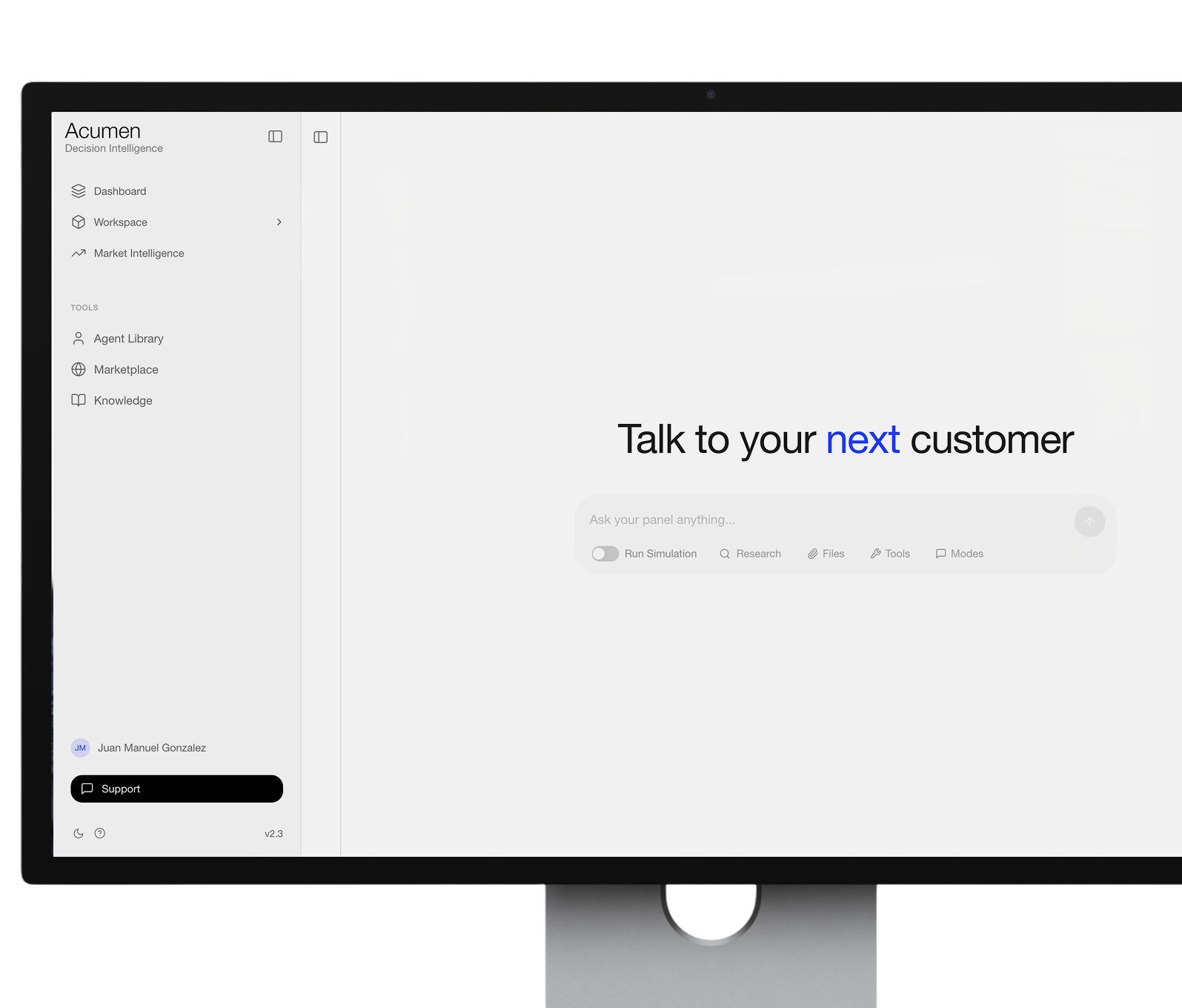
Always-On Customer Intelligence
Turn your own customer data into foresight — validate, simulate, and sense every major decision before you commit.