Pharma Mobile App Development Trends 2026: Key Innovations
Introduction
The five pharma mobile app development trends defining 2026 are AI-powered drug discovery and clinical insights, patient-centric mobile experiences, IoT and wearable integration, regulatory compliance through digital transparency, and cloud-native platforms for global scale. The regulatory ground is shifting in opposite directions: the FDA eased oversight of clinical decision support and general wellness software in January 2026, while the EU AI Act tightens obligations on health AI. This article explores each trend and what it means for enterprise growth.
Market Context: Disruption & Opportunity
The pharmaceutical industry is experiencing a digital surge driven by patient expectations, data accessibility, and regulatory evolution. Enterprise brands are moving from static systems to dynamic, app-based ecosystems delivering real-time insights and personalized health experiences, enabling clinical data management, remote trials, and digital therapeutics. The market has matured: more than 1,250 AI-enabled medical devices have now been authorized by the FDA, up from around 950 in August 2024, a 32% increase in under a year, with 235 authorized in 2024 alone, an all-time high.
What makes this shift critical is demand for accessible, compliant, and secure solutions aligned with healthcare’s digital-first future. Pharma app development is no longer optional; it determines market competitiveness and trust. As patient engagement and decentralized trials become the norm, pharma mobile apps are redefining innovation pipelines and operational efficiency, with emphasis moving from experimentation to measurable value under strong governance.
The benefits are measurable: faster R&D timelines, reduced costs, and better patient outcomes. For enterprise leaders, these shifts create opportunities to modernize operations and partner with a pharmaceutical app development company that can deliver compliant, user-centered, scalable solutions.
Top 5 Trends to Watch in Pharma Mobile App Development
• AI-Powered Drug Discovery & Clinical Insights
• Patient-Centric Mobile Experiences
• Integration of IoT and Wearable Technology
• Regulatory Compliance Through Digital Transparency
• Cloud-Native Platforms for Global Scalability

Trend Breakdown: Context & Competitive Insight
AI-Powered Drug Discovery & Clinical Insights
AI is moving beyond generative tools toward agentic systems that reason and execute multi-step tasks, with early high-value applications in drug discovery, clinical trial design and management, regulated content review, and data cleaning now scaling beyond pilots. These systems increasingly draw on real-world data, including de-identified and tokenized patient data and digital twins that model individual responses to therapy. The competitive advantage lies in accuracy and time-to-market, though adoption is deliberately more cautious at the sensitive patient-pharma interface, where human oversight and validation remain essential.
Patient-Centric Mobile Experiences
Modern pharma apps prioritize human connection, with personalization engines tailoring reminders, education, and adherence tools to each patient. The defining 2026 development is the maturation of digital therapeutics into evidence-based, often prescription software interventions evaluated much like pharmaceuticals: the FDA has now cleared 192 DTx products spanning mental health, metabolic conditions, chronic pain, and neurological conditions, while China’s regulator has authorized 235. AI-enabled DTx represent a more advanced subset, using adaptive algorithms to personalize therapy. Designing around user behavior, accessibility, and clinical rigor improves satisfaction while meeting compliance, driving loyalty and reducing drop-off.
Integration of IoT and Wearable Technology
Connected devices are turning pharma app development into a data-rich ecosystem, from wearable trackers and smart patches to smart pill dispensers, offering continuous monitoring and feedback loops. Wearables are also entering clinical development: roughly 15% of Phase III drug trials incorporated wearable or app-based data as of 2024, a threefold increase over five years. The line between consumer-grade and medical-grade continues to narrow, and the FDA’s January 2026 guidance on general wellness products clarifies where that line now sits. This integration enables real-time physician insight, earlier detection, and improved outcomes through validated digital biomarkers.
Regulatory Compliance Through Digital Transparency
The regulatory landscape split in two directions in 2026, and app strategy has to account for both. In the United States, the FDA issued pivotal updates on January 6, 2026 relaxing oversight of clinical decision support software and general wellness products, adopting a more practical, risk-based approach that eases the path to market for generative AI tools, clinical copilots, and consumer wearables. Meanwhile the EU AI Act classifies much health AI as high-risk, and frameworks like HIPAA, GDPR, and FDA 21 CFR Part 11 still govern sensitive data. Compliance is no longer reactive; it is built into the development lifecycle as a product function and a competitive moat, with audit trails, encryption, e-signature verification, and security-by-design practices such as threat modeling and software bills of materials, extended by post-market monitoring and AI change-control plans.
Cloud-Native Platforms for Global Scalability
Cloud-native architecture enables large pharma enterprises to build, deploy, and manage apps globally while maintaining data sovereignty. Scalability, interoperability, and lifecycle management make cloud adoption a key differentiator, ensuring algorithms and applications can process real-world data from EHRs, connected devices, and patient-reported outcomes and keep performing safely over time. The result is faster rollouts, seamless updates, and integrated analytics that empower global teams to collaborate effectively.


%20(1).png)

Let’s kickstart the conversation and design stuff people will love.

The Retail & Consumer Index


What Leading Brands Are Doing
Leading pharmaceutical companies are investing heavily in digital platforms to stay ahead. Pfizer’s connected health initiatives leverage AI and IoT to enhance trial accuracy and patient monitoring. Novartis has adopted cloud-based, AI-enabled frameworks for mobile apps to streamline data sharing and analytics across research units. These leaders demonstrate that success depends on pairing innovation with compliance and data transparency.
At G&CO.Health, G&CO.’s healthcare division, we partner with enterprise clients to design and implement similar transformations. From app strategy to UX optimization and integration with existing systems, our approach ensures each pharma mobile app aligns with business goals, patient needs, and regulatory standards.
Risks, Blind Spots & What to Avoid
Risk 1: Underestimating Regulatory Complexity
Why it matters: Ignoring regional data regulations can result in penalties and stalled launches.
Blind spot: Companies assume one compliance standard fits all markets, missing that the US and EU are now moving in different directions, with the FDA easing digital health oversight while the EU AI Act tightens obligations on high-risk health AI.
Risk 2: Overlooking User Experience
Why it matters: Complex interfaces reduce adoption, especially for patient apps.
Blind spot: Teams focus on functionality over usability, neglecting accessibility design.
Risk 3: Failing to Scale Early
Why it matters: Building without scalability creates barriers to expansion.
Blind spot: Enterprises underestimate the cloud infrastructure, interoperability, and lifecycle management needed for global deployment.

The Role of Pharma Mobile App Development Firms
Pharma mobile app development firms guide enterprise brands through digital transformation by combining healthcare expertise with technical innovation. They manage the full lifecycle, from ideation and compliance to design and deployment, ensuring apps meet industry standards while achieving measurable outcomes.
These firms solve challenges like interoperability, secure data management, and patient engagement at scale. A skilled partner helps organizations navigate divergent global regulations, integrate advanced analytics including agentic AI, and future-proof platforms. The right partner ensures development drives efficiency, compliance, and patient trust.
At G&CO.Health, we enable enterprise pharmaceutical brands to transform these opportunities into strategic advantage, delivering mobile solutions that elevate experiences, accelerate innovation, and define the future of pharma.
Frequently Asked Questions
What are the top pharma mobile app development trends in 2026?
The top trends are agentic AI in drug discovery and clinical insights, patient-centric experiences built around digital therapeutics, IoT and wearable integration, compliance built into the development lifecycle, and cloud-native platforms for global scale.
Did the FDA change its rules for digital health apps in 2026?
Yes. On January 6, 2026, the FDA issued updates relaxing oversight of clinical decision support software and general wellness products, adopting a more practical, risk-based approach. This eases the path to market for many generative AI tools, clinical copilots, and consumer wearables that qualify as non-device software.
How many AI-enabled medical devices has the FDA authorized?
More than 1,250 AI-enabled devices have been authorized, up from around 950 in August 2024, a 32% increase in under a year, with 235 authorized in 2024 alone, an all-time high.
What are digital therapeutics (DTx)?
Digital therapeutics are evidence-based, often prescription software interventions that treat medical conditions and are evaluated much like drugs. The FDA has cleared 192 DTx products across mental health, metabolic, chronic pain, and neurological conditions.
Are wearables used in clinical trials?
Increasingly. Roughly 15% of Phase III drug trials incorporated wearable or app-based data as of 2024, a threefold increase over five years, supporting remote participation and continuous monitoring.
Conclusion & Strategic Outlook
These five trends signal a pivotal transformation in how pharmaceutical enterprises innovate and operate. The convergence of AI, patient experience, IoT, compliance, and cloud scalability marks a new digital era, one where the regulatory map differs by region and strategy must account for both. Brands that embrace these advancements will gain a decisive edge in agility, transparency, and engagement.
At G&CO.Health, we combine strategic insight with executional excellence to help enterprise leaders harness these shifts for growth. The future of pharmaceutical mobile apps is not just about technology; it is about redefining how care, data, and innovation connect. Let’s shape what’s next, together.
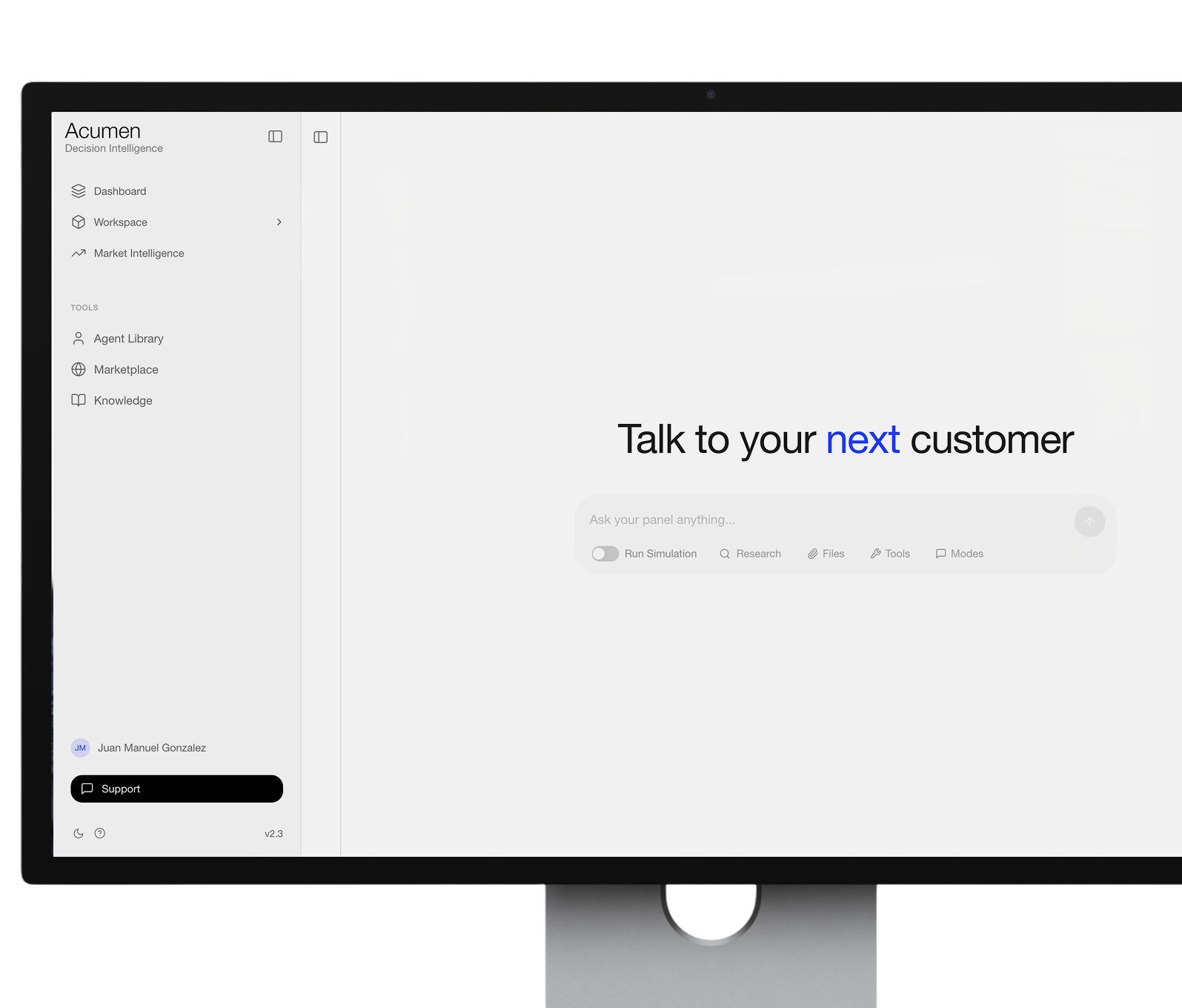
Always-On Customer Intelligence
Turn your own customer data into foresight — validate, simulate, and sense every major decision before you commit.