Salesforce Marketing Cloud Implementation & Integration Guide
Introduction
Many enterprise teams invest in marketing technology but struggle to unify data, campaigns, and personalization across channels. Marketing Cloud Salesforce helps organizations connect every customer interaction into a single, data-driven journey.
This article explains what Salesforce Marketing Cloud is, how its implementation and integration work, and why it matters for enterprise companies. Directors, VPs, and Heads of marketing and technology will gain a clear understanding of how this platform drives customer engagement and operational efficiency. By the end, readers will know what decisions to make before starting a Salesforce Marketing Cloud implementation.
Market Context: Disruption & Opportunity
Enterprise marketing is shifting rapidly. Brands now manage thousands of customer touchpoints across email, mobile, web, and social. Without unified data, these channels operate in silos, creating inconsistent experiences. Salesforce Marketing Cloud helps solve this by integrating customer data, automation, and analytics into one connected system.
As data privacy regulations tighten and consumer expectations grow, the ability to personalize at scale becomes a competitive advantage. Marketing Cloud Salesforce services give enterprises the tools to automate communications, track results, and make smarter decisions. The opportunity lies in using marketing cloud in Salesforce to connect marketing and sales while improving every customer journey.
FAQs Snapshot

What is Marketing Cloud in Salesforce?
Marketing Cloud in Salesforce is a digital marketing platform that helps brands manage and automate customer engagement across channels such as email, SMS, and social media. It connects data from multiple systems to create personalized campaigns. When integrated correctly, Salesforce Marketing Cloud implementation improves visibility, reporting, and real-time customer insights.
Why is Salesforce Marketing Cloud important for enterprises?
Salesforce Marketing Cloud helps enterprise brands create consistent and data-driven customer experiences. It supports marketing automation, personalization, and analytics. For large organizations, these tools simplify communication with millions of customers and improve campaign effectiveness.
What are key Salesforce Marketing Cloud features?
Key Salesforce Marketing Cloud features include Journey Builder, Email Studio, Advertising Studio, and Mobile Studio. These tools help teams plan, deliver, and measure campaigns. They integrate with CRM data to personalize content and optimize performance across every channel.
How do Salesforce Marketing Cloud consultants support implementation?
Salesforce Marketing Cloud consultants guide enterprises through setup, integration, and configuration. They help align data models, connect systems, and define campaign workflows. Working with experienced Salesforce Marketing Cloud consulting partners ensures efficient deployment and faster time to value.
How long does Salesforce Marketing Cloud implementation take?
Implementation time depends on data complexity, system integrations, and organizational goals. A standard Salesforce Marketing Cloud implementation can take several weeks for smaller teams or several months for global enterprises. Consultants help manage the process and reduce delays.
What are common challenges in Salesforce Marketing Cloud consulting?
Common challenges include data migration issues, integration errors, and misaligned user permissions. Experienced Salesforce Marketing Cloud consultants help mitigate these risks through clear planning and continuous optimization after launch.
Benefits of Salesforce Marketing Cloud
Salesforce Marketing Cloud helps enterprise organizations unify marketing efforts and improve engagement through automation and analytics. It increases marketing efficiency, enhances personalization, and drives better decision-making.
With Salesforce Marketing Cloud services, brands can centralize data, automate customer journeys, and deliver relevant content across channels. Salesforce Marketing Cloud implementation connects teams and tools for greater agility. Using marketing cloud in Salesforce also enables advanced segmentation and real-time tracking. These improvements lead to stronger customer relationships and higher ROI.
Quick Summary Table




.png)
%20(1).png)

Let’s kickstart the conversation and design stuff people will love.

The Retail & Consumer Index


Deep-Dive Sections
What It Is & Why It Matters
Salesforce Marketing Cloud combines automation, analytics, and personalization in one platform. It helps enterprises manage customer relationships and marketing workflows through connected tools. Marketing cloud in Salesforce matters because it brings together marketing, sales, and service data to create seamless experiences. Without it, teams often work in silos and lose visibility into customer behavior.
How It Works
Salesforce Marketing Cloud implementation starts with integrating existing CRM data into Marketing Cloud. The platform uses modules such as Journey Builder for automation and Audience Studio for segmentation. Salesforce Marketing Cloud consultants ensure correct setup and integration, helping brands sync data across all touchpoints. Campaign performance is tracked in real time, allowing for continuous optimization.
When to Use It (and When Not To)
Enterprises should use Salesforce Marketing Cloud when they need scalable automation, centralized customer data, and cross-channel personalization. It’s ideal for organizations running high-volume campaigns or managing multiple customer segments. It may not be necessary for smaller businesses that only send basic email campaigns or lack integration resources.
Tools or Platforms Involved
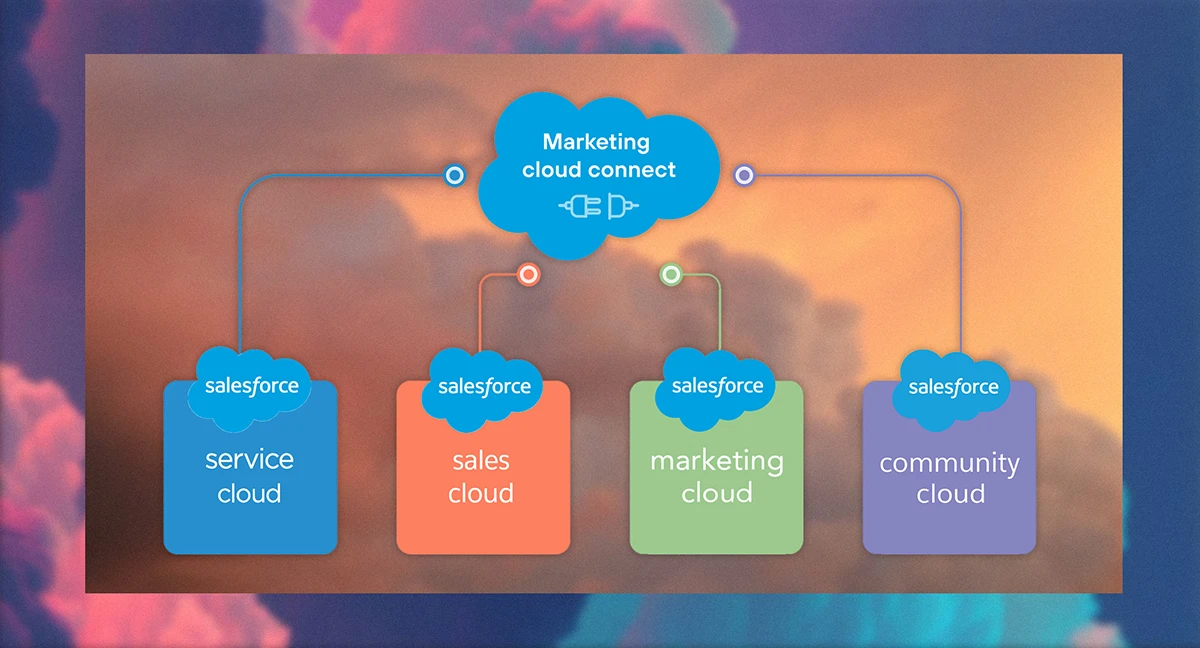
Salesforce Marketing Cloud services include core tools such as Journey Builder, Email Studio, and Interaction Studio. Each tool focuses on a different part of the marketing lifecycle. Integration with other Salesforce products like Sales Cloud and Service Cloud provides a unified customer view. This combination allows marketing and sales teams to collaborate effectively.
Cost Considerations
Salesforce Marketing Cloud pricing depends on usage, contact volume, and selected modules. Enterprises can expect to invest based on the scale of automation and integration needs. Consulting and implementation costs vary by project complexity. Working with Salesforce Marketing Cloud consultants helps identify the right configuration to balance cost and value.
Integration or Setup Requirements
Integration requires connecting Salesforce Marketing Cloud with CRM, analytics, and data systems. Data mapping, user setup, and permission configuration are essential steps. Successful Salesforce Marketing Cloud implementation also depends on training teams to manage and optimize campaigns.
Scalability & Flexibility
Salesforce Marketing Cloud is designed for enterprise scale. It supports millions of interactions and adapts to different industries. Marketing cloud in Salesforce grows with the business, making it suitable for companies expanding into new markets or launching new digital products.
Pros and Cons
Pros: Comprehensive automation, strong data integration, and advanced analytics.
Cons: High complexity, longer onboarding, and reliance on experienced consultants for setup.
How G&C. Can Help
G&C. helps enterprise brands plan, implement, and integrate Salesforce Marketing Cloud successfully. Our team offers Salesforce Marketing Cloud consulting for strategy, data alignment, and technology integration. We help brands connect platforms, improve campaign efficiency, and achieve measurable growth.
With experience in Salesforce Marketing Cloud services, G&CO. provides strategic guidance on what works and what does not. Talk to us to clarify your strategy and move forward with confidence.
Conclusion & Next Step
Salesforce Marketing Cloud gives enterprise organizations the tools to automate, personalize, and measure customer engagement. Understanding its features, implementation process, and integration potential helps leaders make informed technology decisions.
At G&CO., we’ve worked alongside clients to implement similar shifts—through digital strategy, customer journey redesign, and platform modernization. Our expertise enables brands to translate trend awareness into tangible market advantage.
Still have questions? Reach out and let’s solve them together.
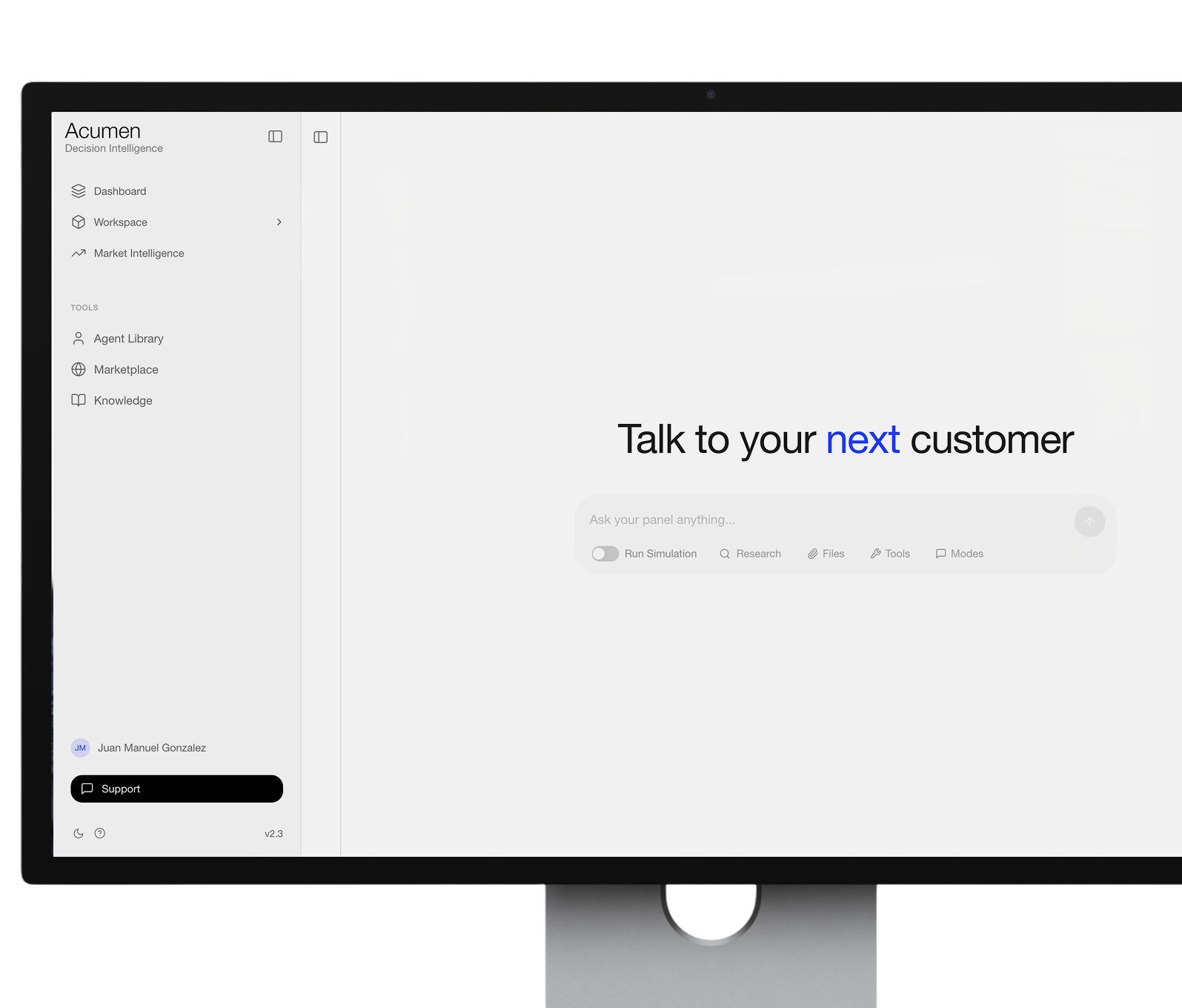
Always-On Customer Intelligence
Turn your own customer data into foresight — validate, simulate, and sense every major decision before you commit.