Travel Digital Marketing Trends | Strategy & Industry Insights
Introduction
The five travel digital marketing trends defining 2026 are personalized customer experiences, AI-driven marketing automation, influencer and social media integration, omnichannel booking and engagement, and sustainable travel messaging. The discovery layer has fundamentally changed: nearly 40% of US travelers used generative AI to plan trips in 2025, an eleven-point jump in a single year, and IDC projects AI agents will execute 30% of travel bookings by 2030. This article explores each trend and the strategies that convert them into growth.
Market Context: Disruption & Opportunity
The travel sector faces growing digital disruption as travelers rely on online research, reviews, social media, and increasingly AI assistants to plan trips. Traditional channels like print and generic email are losing impact, and in 2026 AI-driven search is compressing the top of the funnel before travelers ever reach a brand’s site.
For three decades, travel marketers played by search engine rules: master keywords, build backlinks, climb the rankings. Those rules are being rewritten. The goal now is not to rank high but to be cited in the answer the AI produces, a discipline known as Generative Engine Optimization. Simon-Kucher’s 2026 Travel Trends Study, surveying more than 10,000 travelers across ten markets, found over 60% of Gen Z and Millennial travelers use AI tools for inspiration and itinerary planning.
Brands that fail to adapt risk losing relevance. Those that invest in a comprehensive strategy strengthen loyalty, improve experience, and increase revenue. For stakeholders, this means adapting operations, data management, and creative strategy to capture audiences who increasingly arrive through machines.
Top 5 Trends to Watch in Travel Digital Marketing
• Personalized Customer Experiences
• AI-Driven Marketing Automation
• Influencer and Social Media Integration
• Omnichannel Booking and Engagement
• Sustainable and Ethical Travel Messaging

Trend Breakdown: Context & Competitive Insight
Personalized Customer Experiences
Travel brands use data to deliver tailored content and offers, showing travelers relevant deals, destinations, and promotions. In 2026 the standard has shifted from “you might like this” to real-time, context-aware personalization, where customer data platforms combine behavioral, transactional, and contextual signals to adapt on the fly. The results justify the investment, with travel platforms using AI personalization reporting conversion gains of roughly 18% to 25%. IDC forecasts that by 2030, half of hospitality and travel AI budgets will go to personalization, lifting guest satisfaction by 25%. In an agent-mediated market, first-party data is what prevents brands from losing the traveler relationship to the LLM in the middle.
AI-Driven Marketing Automation
AI now automates segmentation, content creation, and campaign management, and in 2026 it has moved from experiment to essential infrastructure, with agentic systems that plan, execute, and optimize multi-step workflows rather than just assist. The critical new discipline is Generative Engine Optimization: as travelers research through ChatGPT, Gemini, and Perplexity, brands must structure accurate, credible content so it is surfaced and cited, writing for humans and machines alike. But the winners are mastering the unglamorous back end, because agentic AI is only as good as the data beneath it. Without accurate demand forecasting and clean inventory, an autonomous agent makes wrong calls with confidence, quoting wrong prices or misallocating inventory.
Influencer and Social Media Integration
Influencer partnerships and social campaigns continue shaping visibility, and their role has expanded from inspiration to full-funnel commerce. Travelers trust creators and peers over traditional ads, and a large share of younger travelers now search directly on TikTok and Instagram rather than traditional search engines, making social SEO essential. Short-form video and user-generated content drive discovery, while expert, niche creators with genuine authority increasingly outperform generic influencers and polished, synthetic content. Brands integrating social commerce can turn inspiration into bookings, sometimes without the traveler leaving the app.
Omnichannel Booking and Engagement
Consumers expect seamless experiences across mobile apps, websites, social platforms, and offline touchpoints, with consistent messaging and easy booking. In 2026 this extends to a new participant: the traveler’s AI agent. Brands must ensure offerings, availability, and pricing are machine-readable and continuously updated, since agent-led search means it is no longer enough to rank for keywords. Brands must ensure LLMs can accurately understand what they offer, when it is available, and why it is relevant. Executing this requires technical infrastructure, unified data, and real-time management, and the API is increasingly the storefront.
Sustainable and Ethical Travel Messaging
Sustainability increasingly influences traveler choices, with many willing to pay more for trips that give back to destinations. Brands communicating genuine commitment to responsible tourism attract conscious consumers, and digital marketing now highlights ethical practices, eco-friendly options, regenerative tourism, and local community support as travelers treat travel as an expression of identity and values. Agentic personalization opens a further opportunity here, integrating sustainability parameters alongside preference and budget to support better-balanced, less-congested destination flows. Agencies that emphasize sustainability, backed by real action rather than greenwashing, build trust and long-term loyalty.


%20(1).png)

Let’s kickstart the conversation and design stuff people will love.

The Retail & Consumer Index



What Leading Brands Are Doing
Leading travel brands are adopting these trends to stay competitive. Expedia has invested heavily in AI-driven personalization and assistant-led trip planning, including its Romie AI assistant, and became one of the first partners integrated directly into ChatGPT alongside Booking.com. Marriott integrates omnichannel engagement and loyalty personalization to unify online and offline experiences, improving satisfaction scores. Tripadvisor has partnered with both OpenAI and Perplexity to stay visible where discovery now begins.
At G&CO., we have helped travel brands implement digital marketing strategies, optimize campaigns, and leverage data analytics. Our guidance ensures brands can turn trend awareness into measurable outcomes, from increased bookings to stronger customer loyalty.
Risks, Blind Spots & What to Avoid
Risk 1: Over-reliance on Technology
Why it matters: Too much automation reduces human oversight and personalization quality, and agentic AI built on poor data makes confident mistakes at scale.
Blind spot: Brands underestimate the importance of human review, creative input, and authenticity, which audiences increasingly reward over synthetic content.
Risk 2: Ignoring Data Privacy Regulations
Why it matters: Mishandling customer data creates legal and reputational damage.
Blind spot: Many assume existing systems are compliant without ongoing audits, even as privacy-first, first-party data strategies become the foundation of both personalization and agent-readiness.
Risk 3: Inconsistent Cross-Channel Messaging
Why it matters: Disjointed experiences frustrate customers and reduce engagement.
Blind spot: Teams overlook alignment across platforms and departments, including newer discovery surfaces like AI search and social, where fragmented or machine-unreadable data means being invisible before a human sees the offer.
The Role of Travel Digital Marketing Agencies
Travel digital marketing agencies guide organizations through digital transformation, helping implement strategy across personalization, AI, Generative Engine Optimization, social commerce, and omnichannel. They solve operational inefficiencies, improve campaign effectiveness, and increase ROI. Selecting the right partner ensures compliance with privacy regulations, consistent branding, and measurable results. Ongoing support helps brands adapt to new trends and maintain competitive advantage.
At G&CO., we help enterprise travel brands design and execute digital marketing strategies for the travel sector, ensuring sustainable growth and market leadership.
Frequently Asked Questions
What are the top travel digital marketing trends in 2026?
The top trends are real-time personalized experiences, agentic AI marketing automation with Generative Engine Optimization, influencer and social commerce, omnichannel booking including agent-readiness, and sustainable messaging.
What is Generative Engine Optimization in travel?
Generative Engine Optimization is structuring accurate, credible content so AI engines cite your brand in their answers. It replaces the old goal of ranking high in search results, because travelers increasingly get a single set of AI-generated recommendations rather than browsing dozens of sites.
How many travelers use AI to plan trips?
Nearly 40% of US travelers used generative AI for trip planning in 2025, an eleven-point rise year over year, per Phocuswright. Simon-Kucher’s 2026 study of over 10,000 travelers across ten markets found more than 60% of Gen Z and Millennial travelers use AI for inspiration and itinerary planning.
Why do travel brands need machine-readable data?
Because AI agents are becoming the buyer. IDC projects 30% of travel bookings will be executed by AI agents by 2030. If a brand’s availability, pricing, and policies are fragmented or unreadable, agents cannot surface or book them, making the brand invisible before a human ever sees the offer.
Does AI personalization increase travel bookings?
Yes. Travel platforms using AI personalization report conversion rates rising roughly 18% to 25%, and IDC forecasts personalization will absorb half of hospitality and travel AI budgets by 2030, lifting guest satisfaction by around 25%.
Conclusion & Strategic Outlook
These five trends reflect a broader shift in digital marketing for travel and tourism, showing what customers value and how brands must respond. Companies that integrate personalization, AI, social commerce, omnichannel engagement, and sustainability messaging gain measurable advantages, particularly as discovery migrates into AI systems that decide which brands travelers ever see.
At G&CO., we provide strategic guidance and hands-on execution to help travel brands translate insights into impact. Staying informed and proactive ensures travel brands can lead the market today and in the future.
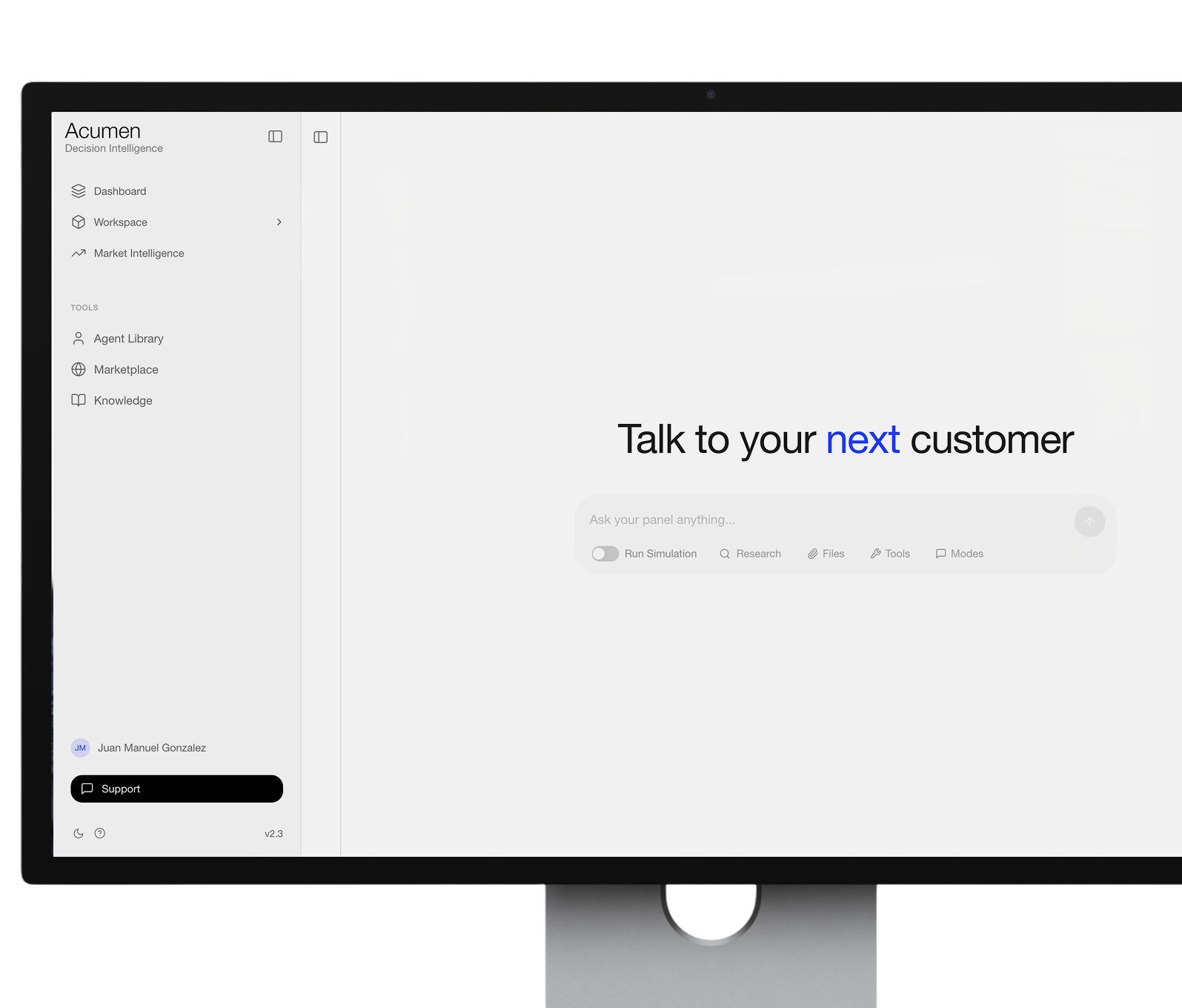
Always-On Customer Intelligence
Turn your own customer data into foresight — validate, simulate, and sense every major decision before you commit.