Top 10 Digital Marketing Strategies for Life Sciences
Introduction
Life sciences leaders face rising expectations for relevance, speed, and measurable growth. The stakes are high: digital marketing for life sciences now drives market visibility, HCP engagement, and patient trust. This list equips Directors, VPs, SVPs, and Heads at enterprise brands with practical moves that turn strategy into results. You’ll learn how top teams structure digital marketing in life sciences to scale programs, prove ROI, and win faster. By the end, you’ll have a clear plan to prioritize initiatives, tools, and metrics that matter.
The List

1. Data-Driven Personalization
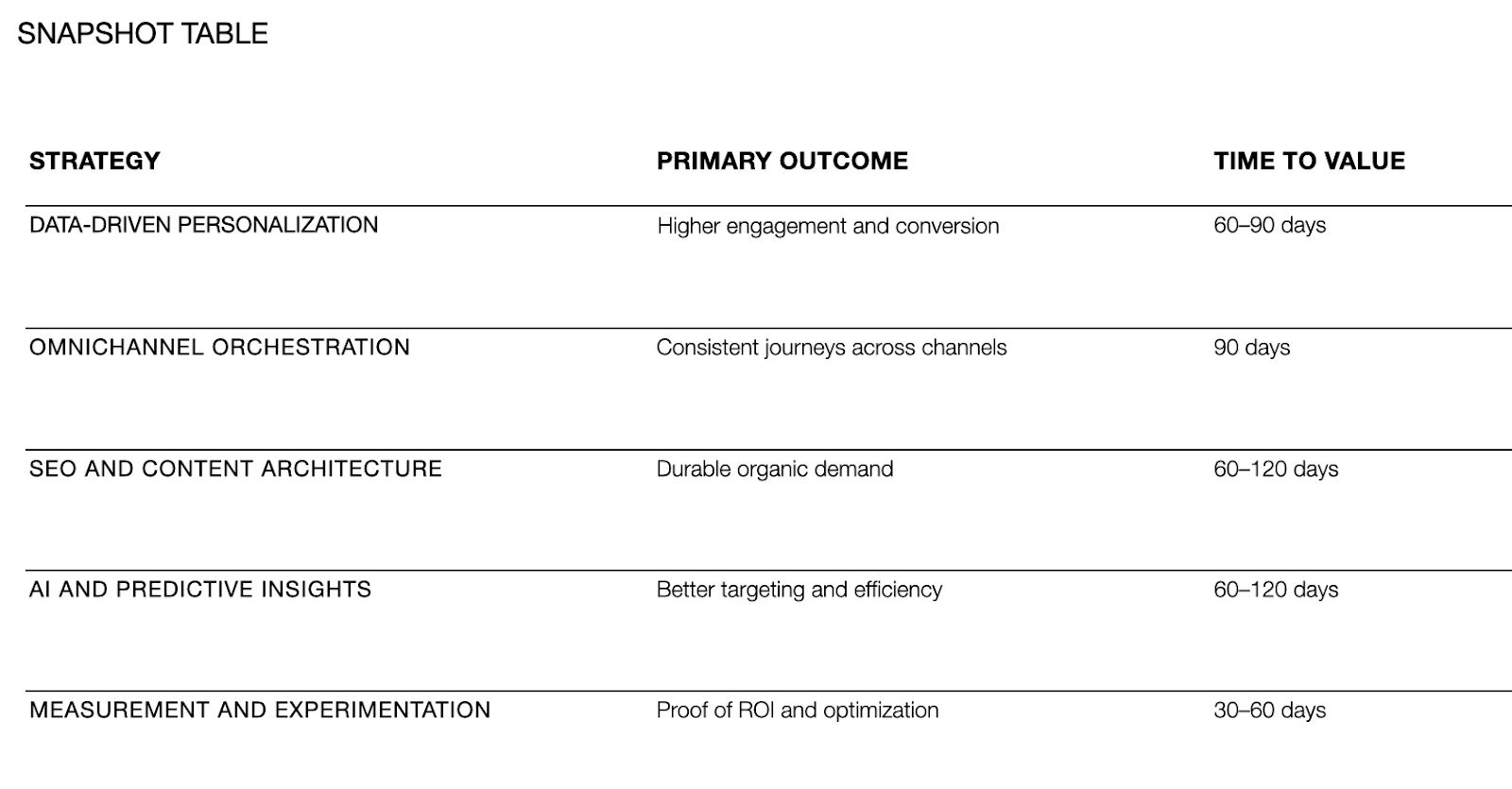
Data-driven personalization tailors messages to HCPs, patients, and researchers based on role, behavior, and need states. Use first-party data, consented preference centers, and CRM plus CDP to serve the right content at the right time. Key advantages include higher engagement, better lead quality, and faster time-to-therapy education. This matters because buyers expect relevance, and regulations require precision. It strengthens digital marketing for life sciences companies by turning fragmented journeys into coordinated experiences that convert.
2. Omnichannel Orchestration
Omnichannel orchestration coordinates email, web, paid media, events, webinars, and field enablement into one journey. Platforms map touchpoints, throttle frequency, and unify measurement. Pros include consistent messaging, improved reach, and lower duplication. It matters now as audiences bounce across channels before booking demos or speaking with reps. This approach anchors life sciences digital marketing in cohesive experiences that build trust and shorten decision cycles.
3. SEO and Content Architecture
Modern SEO aligns topic clusters, search intent, and structured data with medical accuracy. Build pillar pages for therapeutic areas, supporting articles, and FAQ hubs. Benefits include durable organic traffic, authority signals, and lower paid spend. This matters because decision-makers research independently long before contact. A clear architecture elevates digital marketing for the life sciences industry by ensuring every query finds a definitive, compliant answer.
4. Thought Leadership with Scientific Rigor
Publish peer-guided explainers, comparative reviews, and outcomes summaries that translate complex science into executive insight. Include citations, visual abstracts, and plain-language key takeaways. Pros: credibility, backlinks, and sales enablement assets. This matters because trust is your conversion currency. Rigorous content positions digital marketing life sciences programs as the go-to source for reliable guidance.
5. First-Party Data and Privacy by Design
Collect only what you need, document consent, and apply role-based access. Build value exchanges such as gated benchmarks, calculators, and clinical explainer series. Pros: higher data quality, lower compliance risk, and stronger personalization. It matters because privacy rules shape how you can market. A privacy-first posture future-proofs digital marketing in life sciences while maintaining audience confidence.
6. Marketing Automation and Lead Nurture
Automation platforms score leads, route MQLs, schedule outreach, and trigger nurture paths based on behavior. Advantages include scale, consistency, and clear handoffs to sales or field teams. This matters for enterprise velocity and auditability. Done well, automation becomes the operating system of digital marketing for life sciences companies, turning interest into qualified demand.
7. AI and Predictive Insights
Use AI to classify content, recommend next best actions, and forecast engagement by segment or account. Pros: better timing, higher relevancy, and resource efficiency. It matters as teams face budget scrutiny and complex buying groups. Predictive tools give life sciences digital marketing a measurable edge by focusing spend where outcomes are most likely.
8. Video, Interactive, and Modular Content
Short videos, interactive visuals, and modular content kits explain mechanisms of action, workflows, and value propositions quickly. Benefits: higher retention, more shares, and reusable building blocks across channels. It matters because busy HCPs and executives prefer concise, visual learning. This format upgrades digital marketing life sciences programs with assets that scale across regions and roles.
9. Field Enablement and ABM Alignment
Align marketing with account-based motions: segment target accounts, map stakeholders, and equip field teams with customizable decks, one-pagers, and ROI models. Pros: fewer stalled deals, better meeting prep, and tighter feedback loops. It matters because complex sales need coordinated influence. This alignment integrates digital marketing for the life sciences industry directly into revenue execution.
10. Measurement, KPIs, and Experimentation
Define leading and lagging KPIs: qualified engagement, meeting creation, pipeline influence, and cost efficiency. Run controlled tests on headlines, offers, and sequences. Pros: faster learning and budget clarity. It matters because leaders must validate impact. This discipline ensures digital marketing for life sciences delivers repeatable results and constant improvement.



.png)
%20(1).png)

Let’s kickstart the conversation and design stuff people will love.

The Retail & Consumer Index


Strategic Commentary

Three patterns define the leaders: customer relevance at scale, compliance as advantage, and an operating cadence of test-and-learn. These forces explain why digital marketing in life sciences outperforms when teams invest in data foundations first, then layer orchestration and AI. Now is the time to rationalize tools, tighten governance, and prioritize initiatives with the highest confidence in impact. Brands stumble when they implement tactics without shared KPIs, measurement plans, or field alignment. Anchor every move to a clear hypothesis, success metric, and downstream handoff.
Conclusion & Next Steps
You now have a practical roadmap for life sciences digital marketing: unify data, orchestrate journeys, and prove impact with disciplined measurement. Apply two initiatives this quarter—personalization plus SEO architecture—to compound results quickly. Explore adjacent deep dives on omnichannel planning and privacy frameworks to accelerate execution. Need help turning these ideas into results? Start the conversation with G&CO.Health We specialize in digital marketing for life sciences and digital marketing for life sciences companies, and we partner with enterprises to scale digital marketing life sciences programs that win.
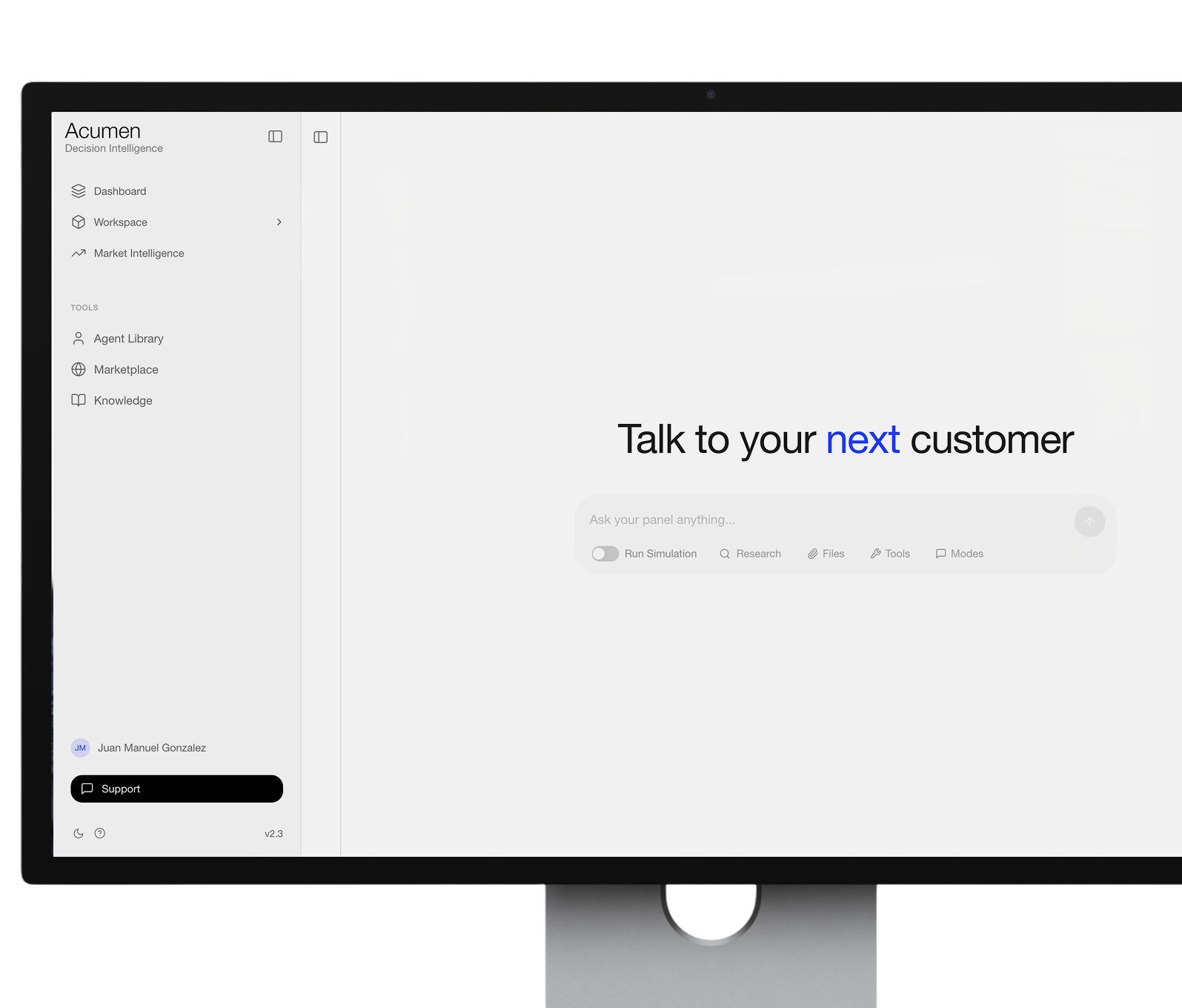
Always-On Customer Intelligence
Turn your own customer data into foresight — validate, simulate, and sense every major decision before you commit.