Pharma Customer Experience Trends & Analysis 2026
Introduction
The five pharma customer experience trends defining 2026 are personalization across the patient journey, digital engagement as the primary channel, patient-centric data and analytics, omni-stakeholder experience design, and trust and ethical expectations. Trust is the decisive variable: Deloitte finds 74% of consumers regard doctors as their most trusted source for treatment options, while distrust in AI-generated health information has risen to 30% from 23% in a year. This article highlights what each trend means for leaders navigating 2026 and beyond.
Market Context: Disruption & Opportunity
The pharmaceutical sector is shifting from product-first models to patient-centered approaches, moving beyond the pill toward intelligent ecosystems of care. Digital tools, new regulations, and rising healthcare costs are pushing companies to rethink engagement, and agentic AI is beginning to orchestrate these experiences in real time. That makes pharma customer experience a balance of compliance and personalization, an area that has not historically been the industry’s strength.
Customer experience in pharma is no longer optional; it is a competitive position. Stakeholders expect clarity, transparency, and convenience, and poor engagement erodes trust while strong digital experience builds long-term loyalty. This matters because CX directly impacts treatment adoption, brand reputation, and health outcomes. The opportunity lies in using data and digital platforms to close service gaps in a market often seen as transactional.
The benefits include better patient satisfaction, stronger provider relationships, and improved revenue resilience. Pharma CX leaders will be those who connect digital tools with human needs in simple, meaningful ways.
Top 5 Trends to Watch in Pharma Customer Experience
• Personalization Across the Pharma Journey
• Digital Engagement as the Primary Channel
• Patient-Centric Data and Analytics
• Omni-Stakeholder Experience Design
• Trust, Transparency, and Ethical Expectations

Trend Breakdown: Context & Competitive Insight
Personalization Across the Pharma Journey
Personalization has moved from static, predefined journeys to dynamic ones that interpret behavior and intent and respond at the moment of need. Patients and providers expect tailored support from education through follow-up care, and agentic AI now makes that possible at scale, delivering the right adherence support exactly when a patient is most likely to feel overwhelmed rather than on a fixed schedule. Companies that lead here use personalization to stand out, while those that ignore it risk being perceived as outdated. The edge comes from building trust and improving adherence, not simply from sending more messages.
Digital Engagement as the Primary Channel
Digital is now the default channel, and the frontier is what surrounds the medication. Mobile apps, patient portals, and remote support are baseline expectations, reinforced by telehealth habits, but leading brands are extending into connected ecosystems of care including digital therapeutics, wearables, and support programs for chronic disease management and adherence. Discovery has shifted too, with 37% of US consumers now using generative AI for health research, according to Deloitte, which means brands must show up accurately inside AI answers as well as their own channels. Companies investing here gain speed, efficiency, and relevance where face-to-face interaction is limited.
Patient-Centric Data and Analytics
Data now shapes how services are designed, not just how campaigns are measured. Real-world evidence and predictive analytics inform interventions, with growing use of de-identified and tokenized patient data and even digital twins that model individual responses to therapy. The challenge is balancing privacy with personalization, which makes consent management and governance essential rather than administrative. Brands that use data responsibly unlock better engagement and more precise interventions, moving from broad campaigns to focused, patient-specific journeys.
Omni-Stakeholder Experience Design
Customer experience in pharma extends well beyond patients to providers, payers, and caregivers, all part of one ecosystem. Designing for multiple stakeholders creates stronger networks of trust, and the 2026 imperative is connection: reaching HCPs and consumers in silos is no longer good enough, since consumer signals should inform provider engagement and vice versa. CX must account for the complexity of these relationships, delivering consistent hybrid experiences across digital and in-person touchpoints so every group feels supported and informed.
Trust, Transparency, and Ethical Expectations
Trust is the connective tissue of pharma CX, and the data shows why. Deloitte finds 74% of consumers view doctors as their most trusted source for treatment options, while distrust in AI-generated health information climbed to 30% from 23% year over year, a credibility gap that accurate, clearly sourced content can directly address. As AI moves closer to the patient, AI deployed in isolation produces speed without the clinical credibility that determines whether patients and providers engage at all. Leaders are adopting compliance-by-design approaches, with embedded consent, audit trails, and clear communication about how AI and data are used. Regulators reinforce this, from the June 2025 joint international ethical principle on responsible use of health data and AI to tightening DTC oversight. Trust is not an add-on; it is the foundation.



.png)
%20(1).png)

Let’s kickstart the conversation and design stuff people will love.

The Retail & Consumer Index



What Leading Brands Are Doing
Leading pharmaceutical companies are already acting on these trends. Some are building digital hubs and connected care ecosystems that give patients a single point of contact for treatment, education, and support. Others are deploying AI-driven patient engagement platforms and advanced analytics to identify gaps in patient journeys and close them in real time, while keeping human oversight and compliance at the center. The common thread is that credibility, not capability, determines whether patients engage.
At G&CO.Health, G&CO.’s healthcare division, we help enterprise clients design and implement customer experience strategies that connect insights with execution. Whether through digital platform modernization, patient journey mapping, or CX governance, our work enables brands to translate awareness of pharma CX trends into measurable competitive advantage.
Risks, Blind Spots & What to Avoid
Risk 1: Overlooking Patient Voice
Why it matters: Ignoring patient feedback weakens customer experience across the sector.
Blind spot: Companies assume compliance-driven communication is enough, but it fails to build trust, and AI cannot substitute for genuine patient insight.
Risk 2: Treating Digital as a Side Channel
Why it matters: Without a digital-first approach, pharma CX lags other industries.
Blind spot: Leaders assume in-person interactions remain dominant, but patients now expect digital, always-on support and increasingly begin their research inside AI tools.
Risk 3: Fragmented Stakeholder Journeys
Why it matters: Inconsistent experiences between patients, providers, and payers reduce CX impact.
Blind spot: Many firms focus on one group, overlooking the unified data and integrated design that connected experience requires.
The Role of Customer Experience Firms
Customer experience firms help pharmaceutical organizations design, implement, and optimize strategies that align digital capabilities with patient and provider needs. These firms guide companies in building digital CX solutions, using data to improve outcomes, and ensuring compliance with industry standards.
They reduce the risk of misaligned investments, accelerate adoption, and strengthen connections between patients, providers, and payers. The right partner helps scale personalization, integrate analytics, and modernize platforms without disrupting compliance. This support is vital for sustaining differentiation and delivering lasting impact.
At G&CO.Health, we work with enterprise pharmaceutical brands to create effective pharma CX strategies that drive engagement and measurable business value. Our expertise ensures ongoing alignment between customer expectations and organizational capabilities.
Frequently Asked Questions
What are the top pharma customer experience trends in 2026?
The top trends are personalization across the patient journey, digital engagement as the primary channel, patient-centric data and analytics, omni-stakeholder experience design, and trust and ethical expectations.
Why is trust central to pharma customer experience?
Because credibility determines engagement. Deloitte finds 74% of consumers trust doctors most for treatment options, while distrust in AI-generated health information rose to 30% from 23% in a year. AI deployed without clinical credibility produces speed without trust.
What does “beyond the pill” mean in pharma CX?
It refers to extending engagement past the medication itself into connected ecosystems of care, including digital therapeutics, wearables, adherence programs, and chronic disease support that improve outcomes alongside the therapy.
How is agentic AI changing patient engagement?
Agentic AI shifts personalization from static, predefined journeys to dynamic ones that interpret behavior and intent, delivering support at the moment of need rather than on a fixed schedule, while escalating sensitive moments to humans.
How many patients use AI for health information?
Deloitte reports 37% of US consumers use generative AI for health-related research, which is why accurate, clearly sourced brand content increasingly determines whether patients encounter reliable information or outdated third-party content.
Conclusion & Strategic Outlook
The five trends show where the industry is heading: personalization, digital-first engagement, data-driven decisions, multi-stakeholder design, and stronger trust. These shifts are not temporary; they reflect permanent expectations.
Executives who act now will build stronger patient relationships, improve satisfaction, and stay ahead in a competitive field. Companies that delay will struggle to keep pace with digital transformation and changing demands.
At G&CO.Health, we provide the insight and execution power needed to transform pharma customer experience into measurable market advantage. Now is the time to define what’s next.
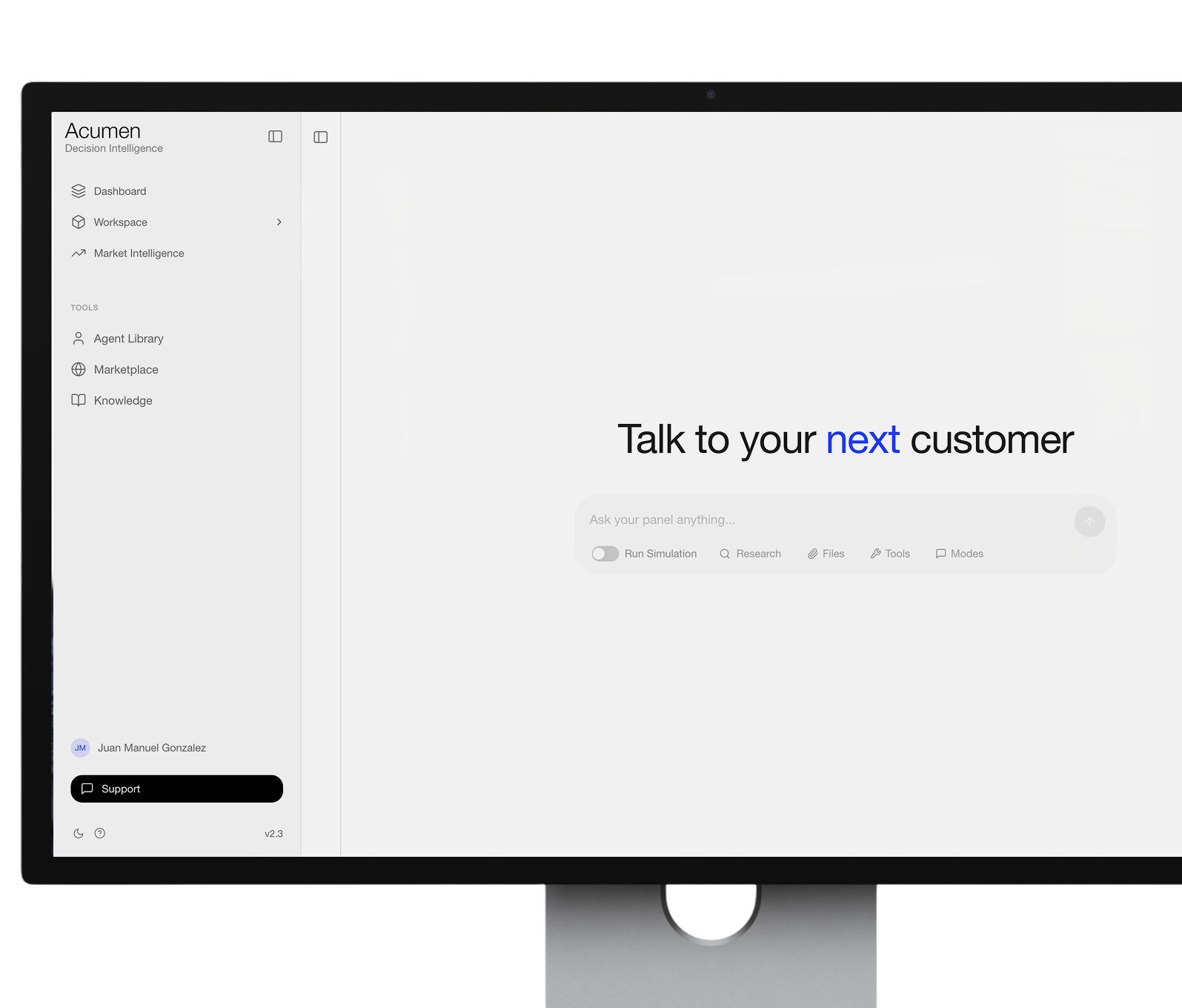
Always-On Customer Intelligence
Turn your own customer data into foresight — validate, simulate, and sense every major decision before you commit.