Top Healthcare Branding Services Firms to Work With - August 2026
Introduction
Healthcare brands are increasingly encountered before they are visited. Patients and clinicians now put questions to generative search tools that summarise an organization from whatever sources they can find, which means the description a brand receives is assembled from third-party material as often as from anything the organization published. Consistency of how a brand is described across the record has become a brand management problem, not only a marketing one, and few branding firms have adjusted their method to it.
This article compares ten healthcare branding services firms: what each is suited for, what distinguishes its approach, and where each is the wrong choice. It is written for CMOs, VPs of Brand and Marketing, and Heads of Communications at health systems, payers, pharmaceutical companies, and medical technology organizations.
How We Selected These Firms
This ranking is published by G&CO. Health. We evaluated firms on healthcare specialization, depth across brand strategy and execution, regulatory fluency, enterprise client experience, evidence of published thinking, and suitability for complex multi-audience brand programs.
We assessed firms on demonstrated healthcare brand work rather than general agency capability, and excluded generalist design studios that carry healthcare as one vertical among many. The list spans provider-side, pharmaceutical, and medical technology branding, since these require different expertise and entries state which. We include ourselves at the top because healthcare brand strategy sits directly inside our remit, at the intersection of brand intelligence, customer experience, and commercial strategy. No firm on this list has paid for placement, and no entry on this page is sponsored.
Firms Compared
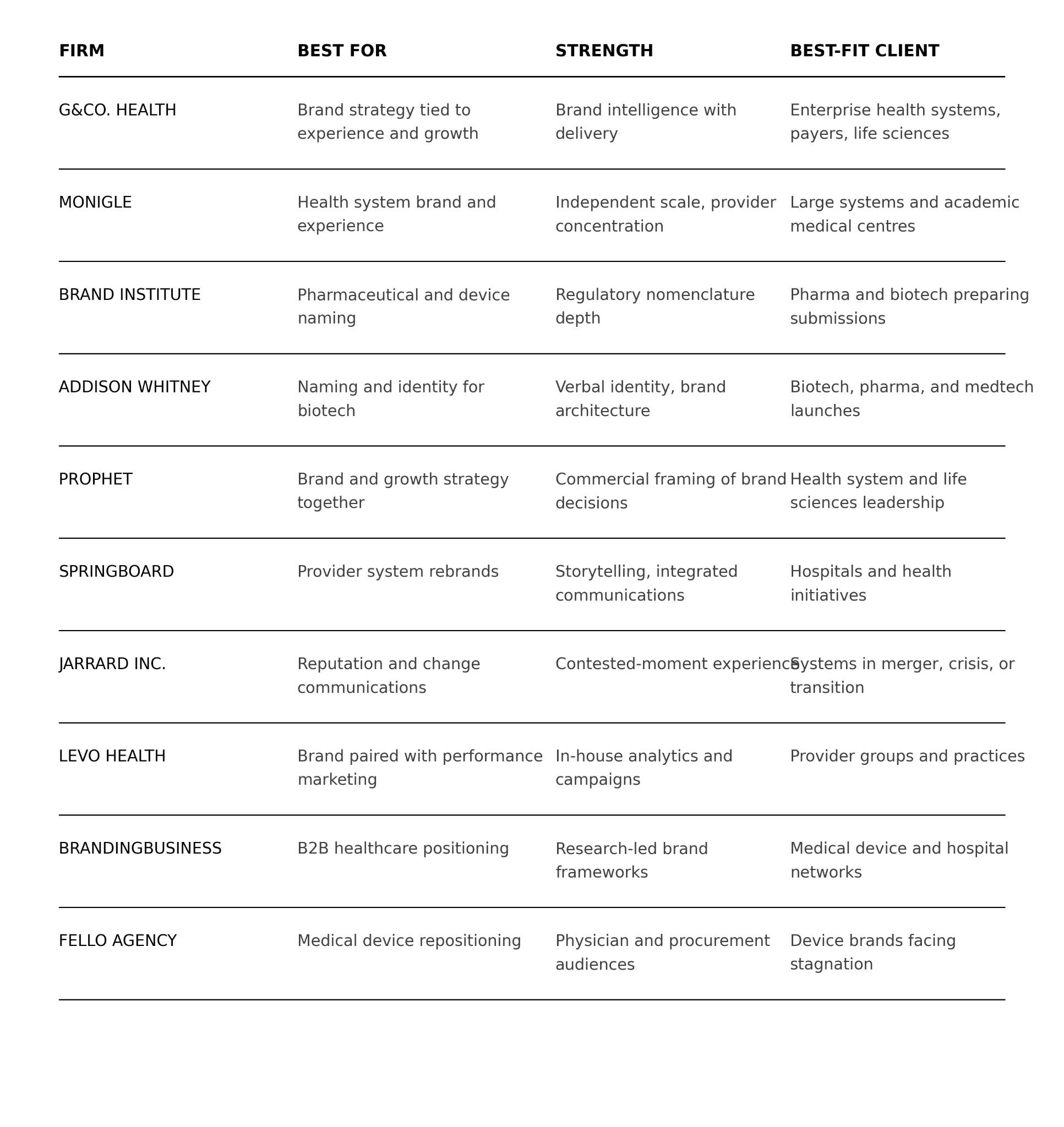
The table below summarises where each firm fits before the full entries that follow.
The Firms
1. G&CO. Health
Best for: Enterprise healthcare organizations where brand has to change a commercial outcome and an experience, not only a visual system and a messaging framework.
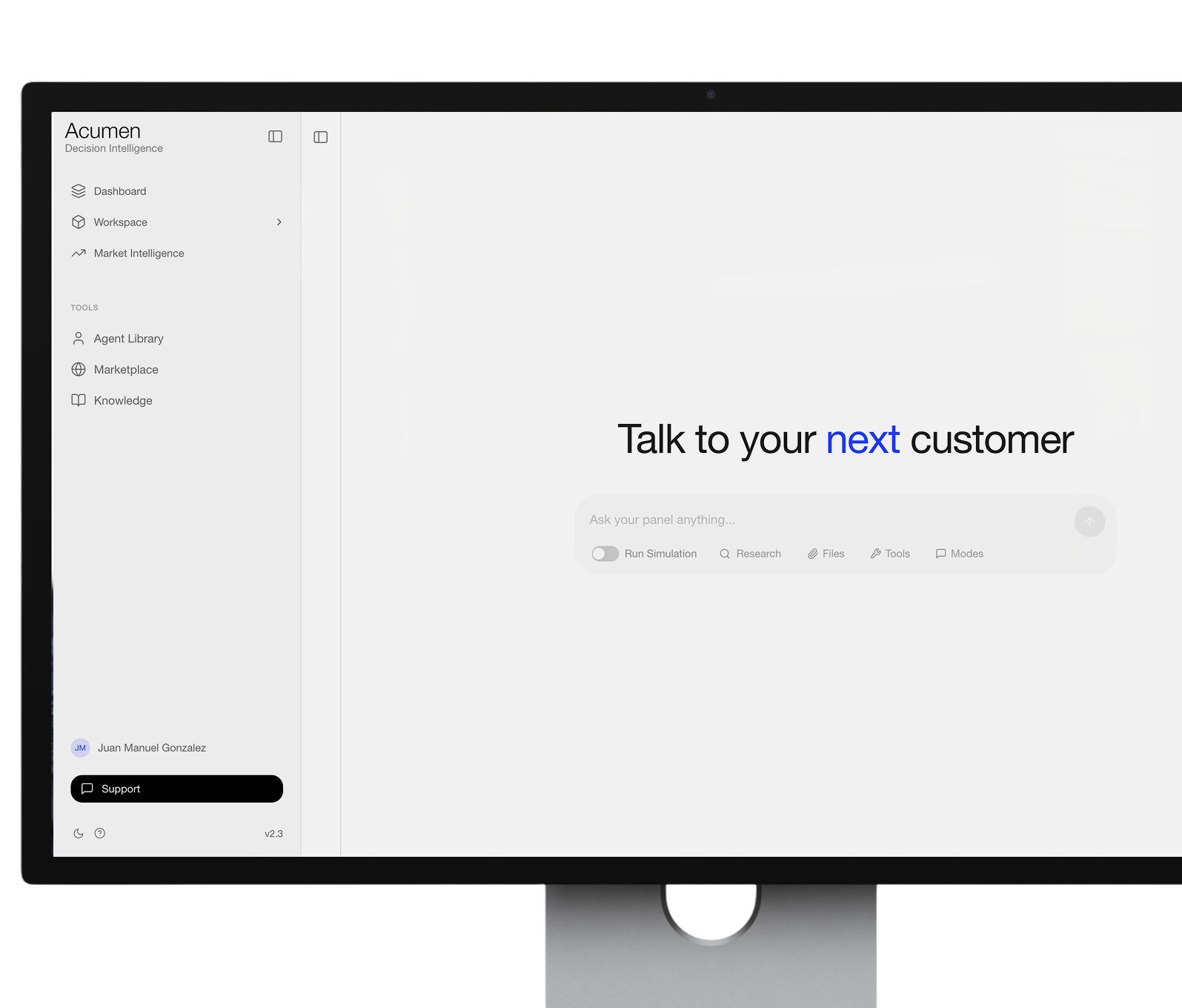
Why it stands out: G&CO. Health treats brand as a set of decisions about positioning and behaviour rather than expression alone, which means the work extends into what patients and clinicians actually encounter. Capability spans healthcare consulting and UX and interface design, through G&CO. Health, with our Acumen decision intelligence platform providing the behavioural and market layer beneath the positioning. G&CO. Health is part of G&CO., a minority business enterprise (MBE), as certified by the National Minority Supplier Development Council (NMSDC).
May not be best if: You need regulatory brand name development and submission support, or media buying as the substance of the engagement.
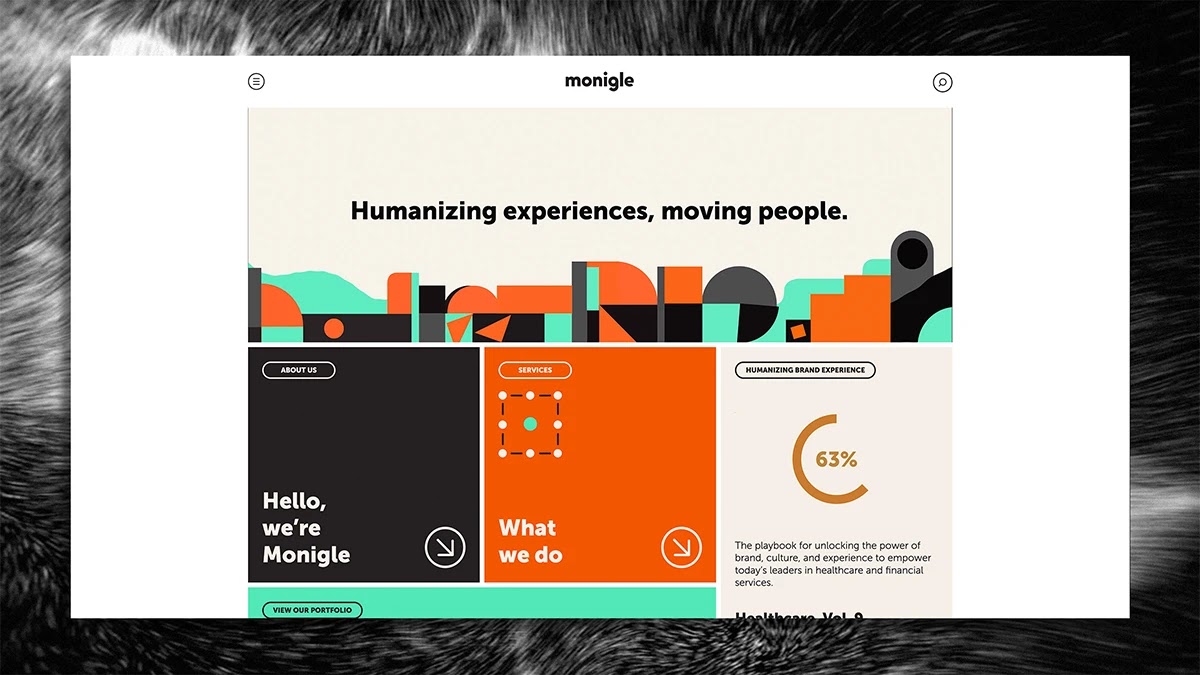
2. Monigle
Best for: Large health systems and academic medical centres undertaking a full brand transformation.
Why it stands out: Monigle is among the largest independent brand consultancies and concentrates heavily on healthcare providers, which is a harder branding problem than it appears. A health system brand has to work for patients choosing care, physicians deciding where to practise, donors, and communities simultaneously, and those audiences want incompatible things from the same identity. Monigle's provider concentration means it designs for that conflict rather than discovering it.
May not be best if: Your work is pharmaceutical or product branding, where provider-side expertise transfers poorly.
3. Brand Institute
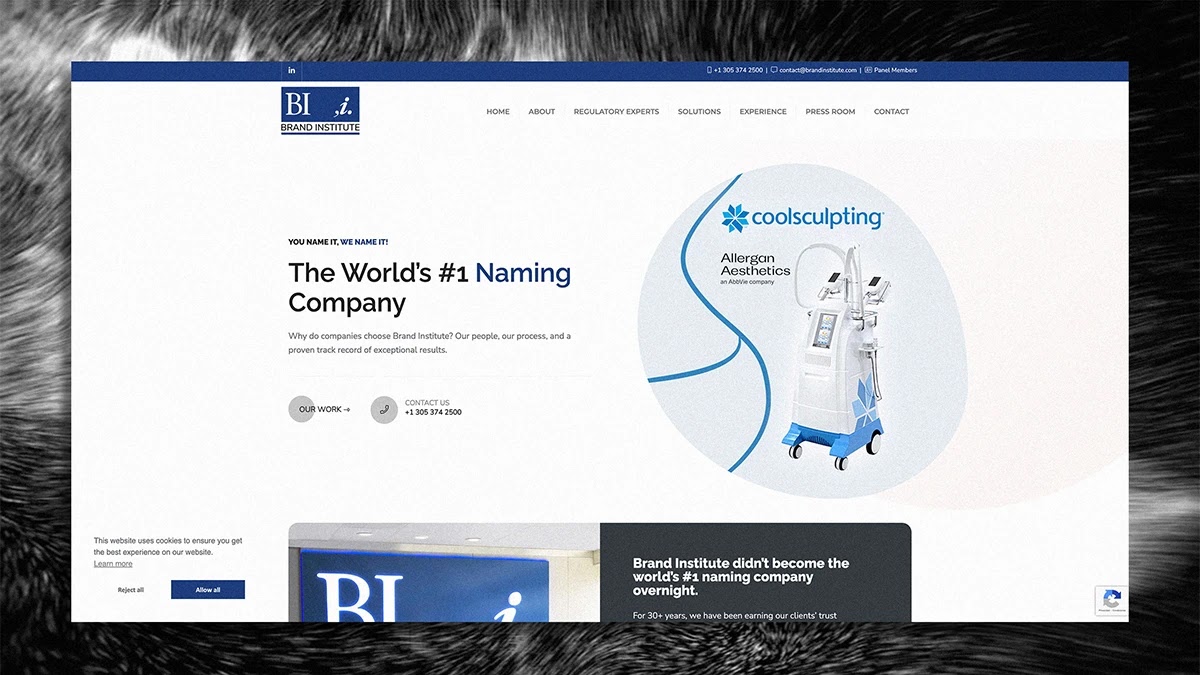
Best for: Pharmaceutical and medical device organizations developing brand names that must clear regulatory review.
Why it stands out: Brand Institute has developed a substantial share of approved pharmaceutical brand names, and the discipline is unusual: a name has to be legally available, linguistically safe across dozens of markets, and acceptable to regulators assessing whether it could contribute to a medication error. That last constraint eliminates most candidates and is not something general branding firms are equipped to assess.
May not be best if: You need brand strategy, identity systems, or campaign work beyond nomenclature.
4. Addison Whitney
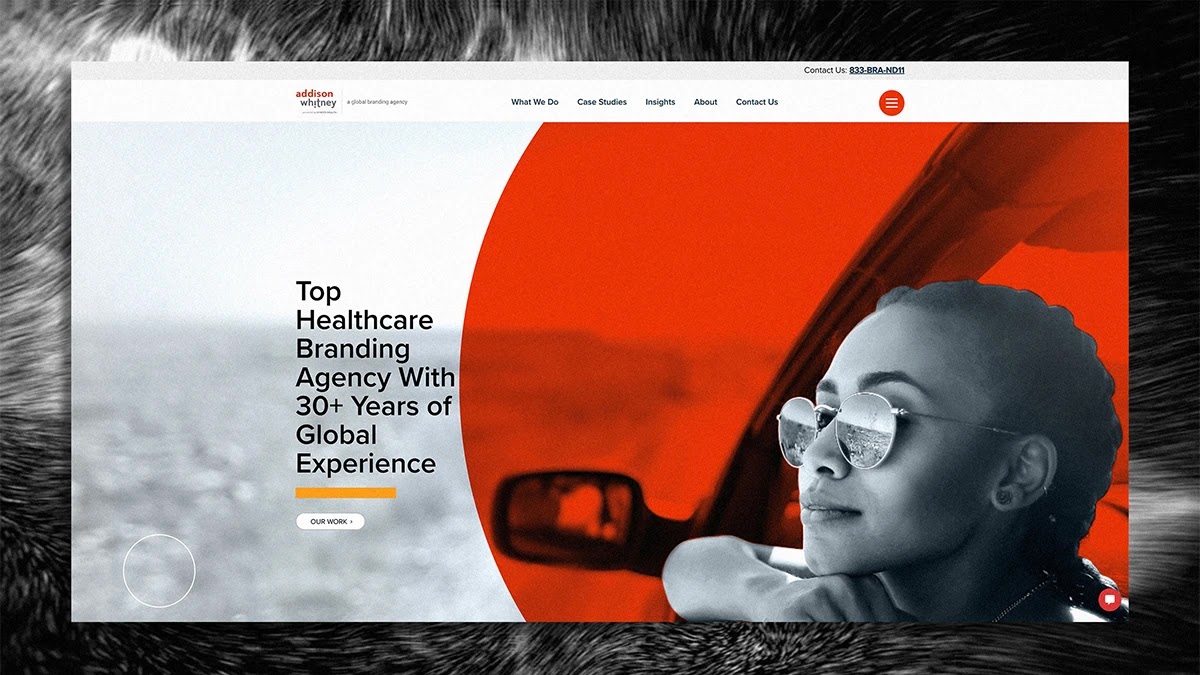
Best for: Biotech and medtech organizations building verbal identity and brand architecture around a launch.
Why it stands out: Addison Whitney works across naming, identity, and positioning for pharmaceutical, biotech, and health system clients, with particular depth in verbal identity and how a portfolio's names relate to one another. Brand architecture questions become acute as pipelines expand, and organizations that defer them accumulate naming decisions that later constrain how the portfolio can be presented.
May not be best if: Your priority is provider-side system branding or performance marketing execution.
5. Prophet
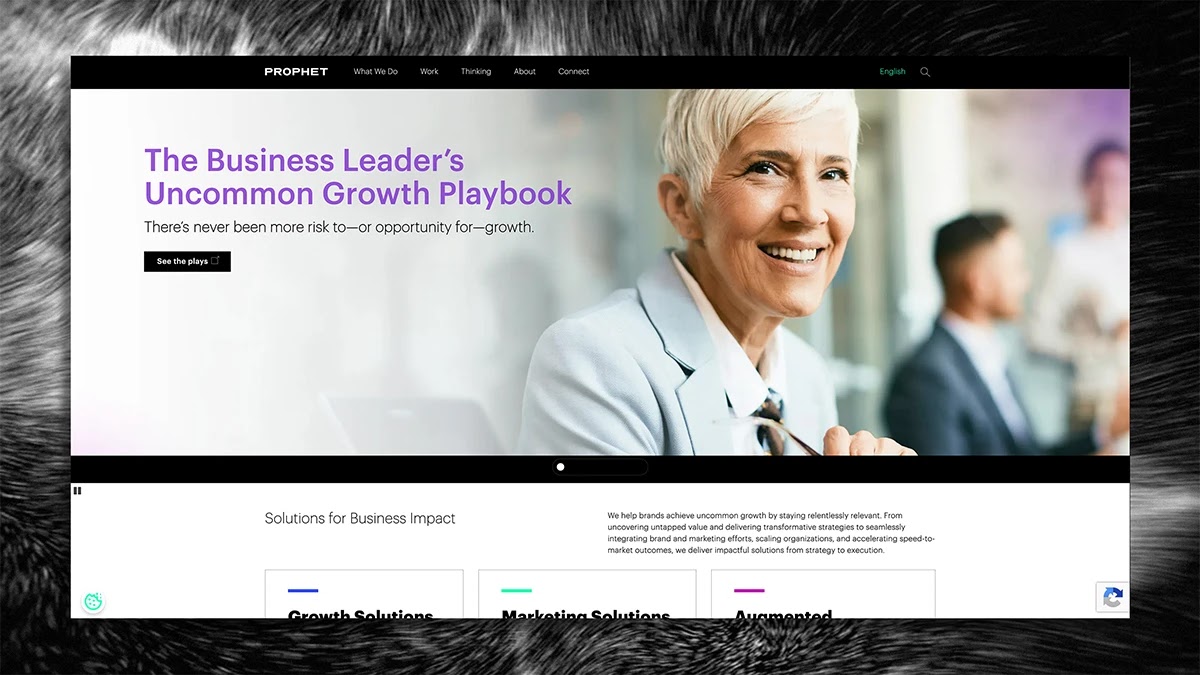
Best for: Leadership teams treating brand as a growth decision rather than a marketing deliverable.
Why it stands out: Prophet works across brand and growth strategy with a healthcare practice spanning systems and life sciences, and frames brand questions commercially: what the organization should be known for given where it intends to grow. That framing is the reason to engage it, because it produces a brand position that a chief executive can defend in terms of strategy rather than preference.
May not be best if: You need naming, regulatory nomenclature, or campaign production and media execution.
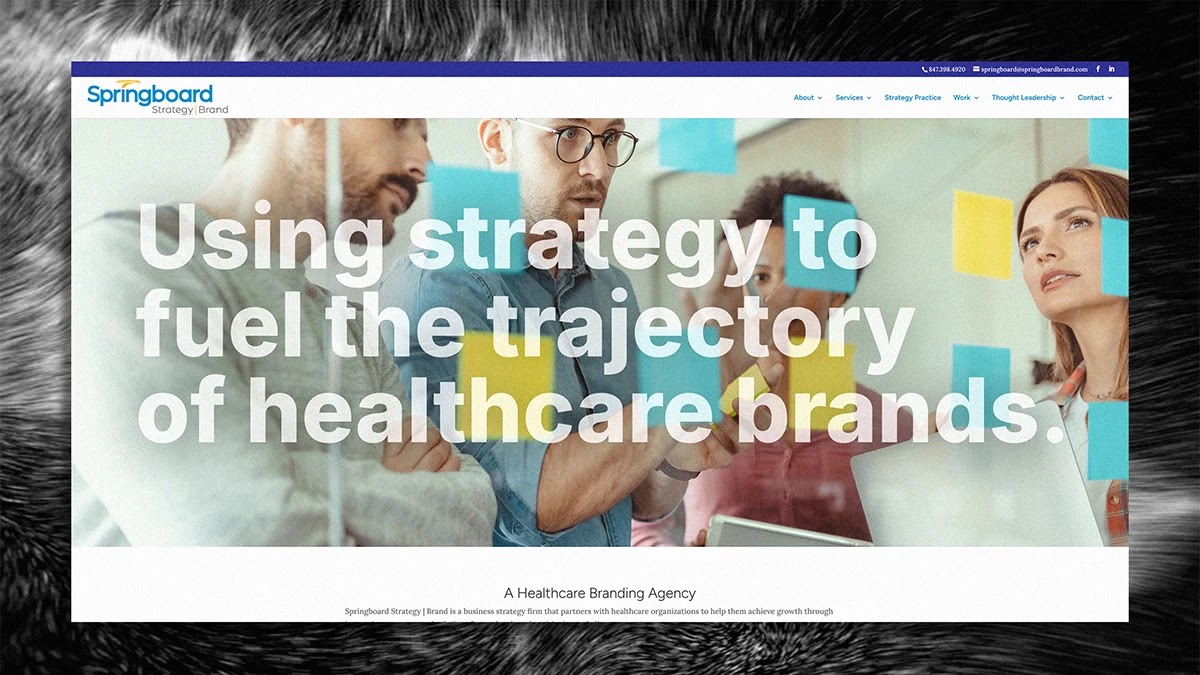
6. Springboard Brand & Creative Strategy
Best for: Hospitals and provider systems undertaking a rebrand or launching a health initiative.
Why it stands out: Springboard has worked with a large number of healthcare organizations since 2002 on rebrands, integrated communications, and initiative launches. Its concentration on the provider side means it arrives understanding the internal politics of a health system rebrand, where clinical leadership, service lines, and legacy institutional identities all have standing to object.
May not be best if: You are a pharmaceutical or device organization, or you need brand work at multinational scale.
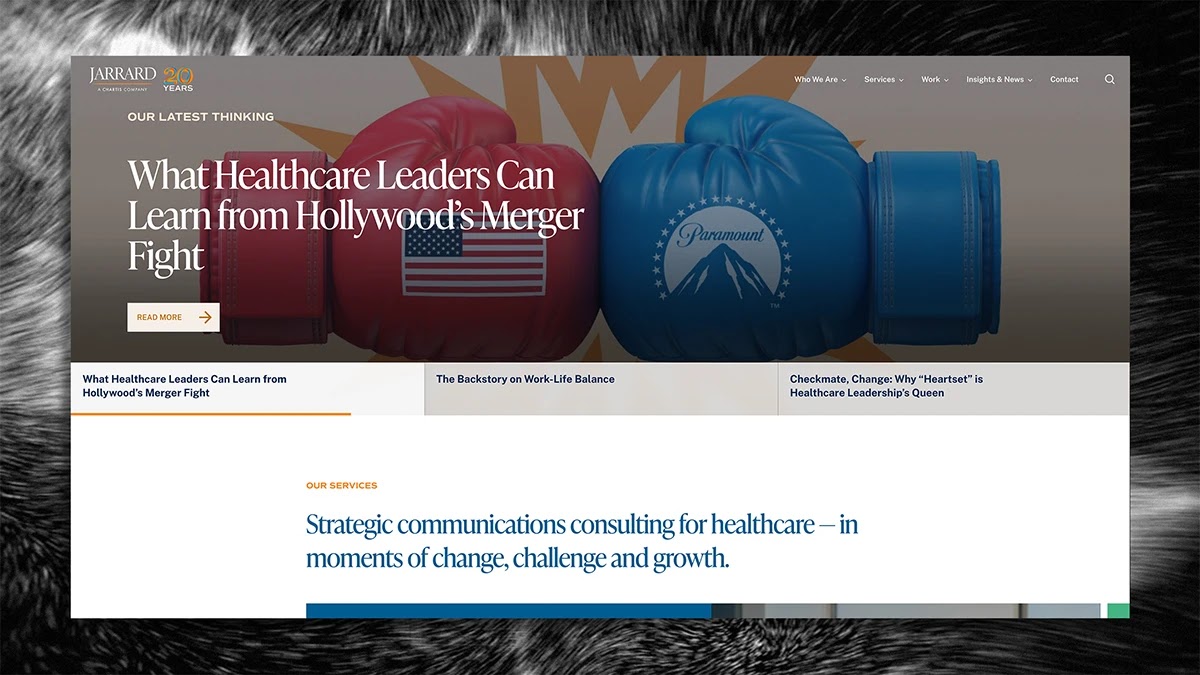
7. Jarrard Inc.
Best for: Health systems managing reputation through a merger, closure, dispute, or leadership transition.
Why it stands out: Jarrard specialises in healthcare communications at contested moments, which is a different discipline from brand building. When a system closes a service line, merges, or faces public criticism, the brand question becomes what the organization says and to whom in what order. Firms without that specific experience tend to apply campaign thinking to a situation that requires something closer to negotiation.
May not be best if: Your requirement is brand identity, naming, or ongoing marketing rather than reputation and change communication.
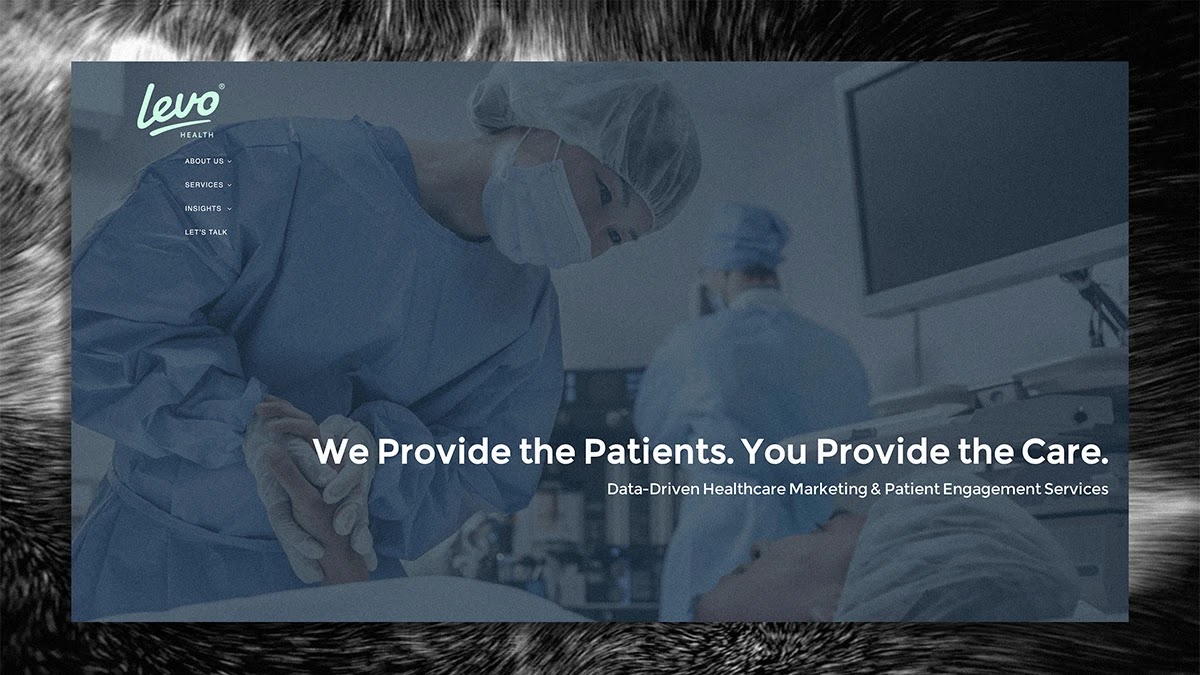
8. Levo Health
Best for: Provider groups and practices wanting brand work connected directly to patient acquisition.
Why it stands out: Levo Health combines brand strategy with performance marketing and in-house analytics, which suits organizations that measure brand investment by patient volume rather than awareness. The advantage is that positioning decisions are tested against acquisition performance quickly, which shortens the argument about whether the brand work is doing anything.
May not be best if: You are an enterprise health system needing brand transformation at scale, or a pharmaceutical organization.
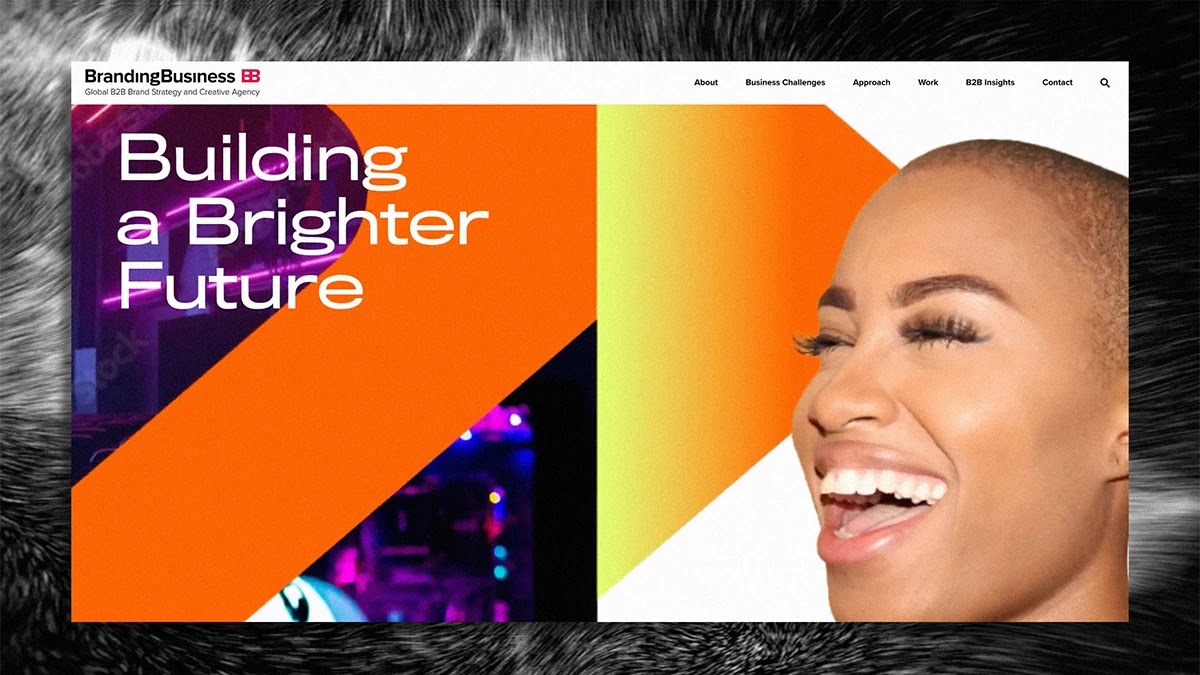
9. BrandingBusiness
Best for: Medical device organizations and hospital networks with business-to-business positioning challenges.
Why it stands out: BrandingBusiness concentrates on business-to-business brand strategy with research-led frameworks, which fits healthcare organizations whose buyers are institutions rather than patients. Selling to a hospital procurement committee is a different brand problem from reaching consumers, and firms built around consumer brand thinking consistently underestimate how much of the decision is committee dynamics.
May not be best if: Your primary audience is patients or consumers, where consumer brand capability matters more.
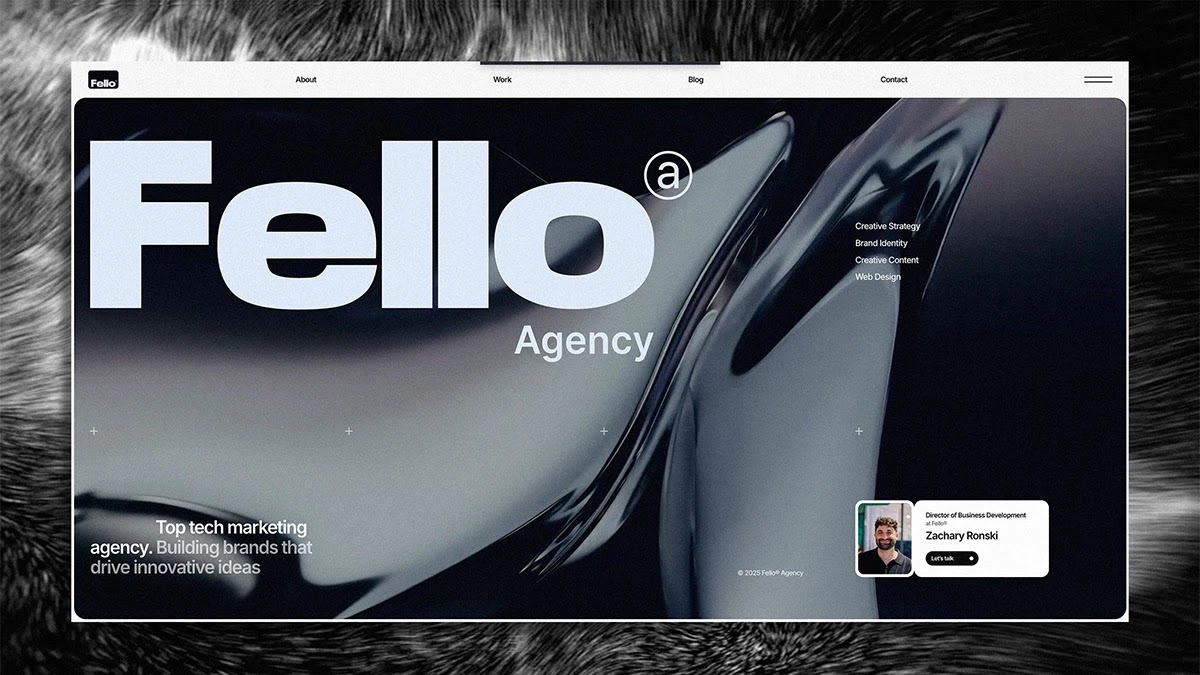
10. Fello Agency
Best for: Medical device brands that have stalled and need repositioning for clinical and procurement audiences.
Why it stands out: Fello concentrates on the medical device space with a defined brand diagnosis process and work addressed to both physicians and procurement. Device brands frequently stall because the message that persuades a clinician does not persuade the committee holding the budget, and addressing both audiences deliberately is what the repositioning has to resolve.
May not be best if: You are a health system, payer, or pharmaceutical organization, where the device-specific expertise offers no advantage.


%20(1).png)

Let’s kickstart the conversation and design stuff people will love.

The Retail & Consumer Index


What Is Healthcare Branding?
Healthcare branding is the work of defining what a healthcare organization stands for, who it serves, and how it is recognised, expressed through positioning, naming, identity, messaging, and the experiences the organization delivers.
It differs from consumer branding in two structural ways. The audiences are plural and their interests conflict: patients, clinicians, payers, referrers, regulators, and communities all form a view of the same brand for different reasons. And the claims a brand may make are constrained by regulation, so differentiation has to be achieved without the latitude consumer categories take for granted. Branding firms without healthcare experience tend to produce work that is strategically clear and unusable once legal review begins.
How Does Healthcare Branding Work?
Engagements typically run through research, positioning, identity development, and activation. Research covers perception among the relevant audiences and the competitive set. Positioning establishes what the organization will claim and against whom. Identity translates that into name, visual system, and language. Activation brings it into channels, environments, and behaviour.
The phase that most often determines success is internal alignment rather than any of these. A health system brand fails when service lines and clinical leaders decline to adopt it, and that outcome is set during the engagement by how the work was governed rather than at launch. Experienced firms treat internal stakeholder management as a workstream with its own resourcing, and this is a reasonable thing to ask about directly during selection.
What Is a Healthcare Branding Services Firm?
A healthcare branding services firm develops brand strategy, identity, and communications for healthcare organizations, with knowledge of the regulatory and multi-audience conditions the sector imposes.
The category contains genuinely different businesses. Provider-side consultancies work on health system and hospital brands. Nomenclature specialists develop names that must clear regulatory review. Business-to-business firms address institutional buyers. Reputation specialists work at contested moments. Brand and growth consultancies frame brand as a commercial decision. A firm strong in one of these is frequently unremarkable in another, and general healthcare experience is a weak predictor of capability in any specific one.
What Services Do Healthcare Branding Firms Provide?
Brand strategy and positioning
Defining what the organization stands for and against whom it competes. The decisions with the longest consequences and the least visibility in the final output.
Brand architecture
How a portfolio of services, products, or acquired entities relates under one identity. Becomes acute after mergers and is expensive to resolve late.
Naming and nomenclature
Developing names, including pharmaceutical and device names that must survive regulatory review for confusion risk. A specialist discipline rather than a creative exercise.
Visual identity and design systems
Logo, typography, colour, and the system governing application across environments, digital properties, and clinical settings.
Messaging and verbal identity
What the organization says to each audience and how, within what regulation permits it to claim.
Brand research and perception measurement
Establishing how the brand is currently understood among patients, clinicians, and referrers, which is frequently different from what leadership assumes.
Internal brand and employee engagement
Bringing clinical and administrative staff into the brand, which determines whether it is delivered or merely published.
Activation and campaign development
Translating the brand into communications and environments, and increasingly into how the organization is described across the sources AI systems draw on.
How Long Does a Healthcare Branding Engagement Take?
A positioning engagement without identity work typically runs eight to twelve weeks. A full brand development programme including research, positioning, and identity generally runs four to seven months. A health system rebrand involving multiple facilities, service lines, and acquired entities runs nine to eighteen months, with implementation continuing well beyond the strategy work.
The variable that moves these ranges most is governance rather than creative iteration. Programmes with a small decision group holding real authority move at the pace of the work. Programmes requiring consensus across service lines, clinical leadership, and a board move at the pace of the calendar, and no amount of additional agency resource changes that. Establishing who decides before the engagement starts is worth more than any efficiency in the process itself.
How Healthcare Branding Firms Price Their Work
Project pricing against a defined scope is the norm for brand development. Retainers apply to ongoing communications and campaign work. Naming projects are frequently priced per candidate round, reflecting the high attrition of names through legal and regulatory screening.
Two cost drivers are specific to healthcare and routinely underestimated. Legal and regulatory review, which consumes agency time whether or not the work changes, and which adds rounds that proposals assuming two revisions do not accommodate. And implementation across physical estate: signage, wayfinding, and environmental application across a multi-site health system frequently exceeds the strategy and identity fee combined, and is often scoped separately or not at all.
The figure worth interrogating is what is included after the identity is approved. Brand programmes that end at guidelines leave the organization to implement alone, which is where most brand consistency is lost.
Why Hire a Healthcare Branding Firm?
The strongest reason is that internal teams cannot easily see their own organization as its audiences do. Perception research consistently surfaces gaps between how leadership describes the organization and how patients and referrers experience it, and an internal team is poorly placed to surface that gap credibly.
The second is regulatory and multi-audience fluency. Producing differentiated positioning inside what regulation permits, for audiences with conflicting interests, is a constrained problem, and firms that have solved it repeatedly arrive with a sense of what will survive review.
The third is that brand decisions are difficult to make internally when they imply losers. Retiring a legacy hospital name after a merger, or subordinating a well-regarded service line brand, creates real internal cost, and external work carries a neutrality that internal recommendations do not.

How to Choose the Most Reliable Healthcare Branding Firm
Start by naming which type of firm the work needs: provider-side consultancy, nomenclature specialist, business-to-business firm, reputation specialist, or brand and growth consultancy. Reputation transfers poorly between these, and the most common selection error is hiring on general healthcare credentials.
Then test three things. Experience with your specific audience mix, since provider-side work and pharmaceutical branding are different disciplines. How internal alignment is handled, specifically who runs it and what happens when a service line objects. And what is included after guidelines are delivered, because implementation is where brand consistency is usually lost.
One further question is worth asking. Ask what they would advise the organization not to change. A firm willing to preserve existing equity is reading your situation. A firm proposing to change everything is describing its own process.
Always-On Customer Intelligence
Turn your own customer data into foresight — validate, simulate, and sense every major decision before you commit.


15 Questions to Ask Before You Hire

Each question is followed by what the answer reveals.
1. What would you advise us not to change?
A firm willing to preserve existing brand equity is reading your situation. One changing everything is describing its process.
2. Which audience will this positioning serve least well?
Healthcare brands serve audiences with conflicting interests. A firm that names the tradeoff has actually made one.
3. How do you handle internal alignment when a service line objects?
Health system rebrands fail on adoption, not strategy. This should be a resourced workstream, not an assumption.
4. What is included after brand guidelines are delivered?
Implementation is where brand consistency is lost. Programmes ending at guidelines leave the hardest part to you.
5. Have you worked with our specific audience mix?
Provider-side, pharmaceutical, and device branding are different disciplines. General healthcare experience is a weak signal.
6. How many rounds of legal and regulatory review are priced in?
Review consumes agency time whether or not work changes, and proposals assuming two rounds frequently need four.
7. What does environmental implementation cost across our sites?
Signage and wayfinding across a multi-site system frequently exceeds the strategy and identity fee combined.
8. How will you research perception among referrers and clinicians, not only patients?
Referral behaviour drives volume in many systems and is routinely under-researched relative to consumer perception.
9. How do you think about how AI systems describe our organization?
Patients increasingly encounter a summary before a website. A firm without a view here is working to an outdated model.
10. Which of your last three healthcare brand programmes underperformed, and why?
A specific answer describes a real record. A claim of none describes a sales position.
11. Who will lead the work, and what share of their time is committed?
Senior strategists appear in pitches and are frequently replaced by junior teams at delivery.
12. How do you approach brand architecture after a merger or acquisition?
Architecture questions deferred during integration become expensive and politically harder to resolve later.
13. How will you bring clinical staff into the brand?
A brand clinicians have not adopted is published rather than delivered.
14. What will you need from our marketing, legal, and clinical teams?
Internal bandwidth is the usual constraint on pace and the most commonly understated line in a proposal.
15. What would make you decline this engagement?
A firm with a clear answer knows where it adds value. No answer means it is describing capacity, not fit.
Why Choose G&CO.

G&CO. Health is the healthcare practice of G&CO., a global strategy and experience partner working with enterprise health systems, payers, and life sciences organizations. On brand mandates we work where positioning meets what people actually encounter: research into how patients, clinicians, and referrers currently understand the organization, the positioning that follows from it, and the experience and digital work that makes the position legible rather than merely stated.
We are typically suited to enterprise healthcare organizations where a brand decision sits alongside a customer experience or digital transformation programme, and where treating them separately would produce a position the organization cannot deliver. Our Acumen decision intelligence platform provides the behavioural and market layer beneath the positioning, supporting the segmentation and perception analysis that determines what a brand can credibly claim.
G&CO. Health is part of G&CO., a minority business enterprise (MBE), as certified by the National Minority Supplier Development Council (NMSDC). If diversity inclusion is part of your supplier process, we may be a strong fit for your enterprise.
Submit an inquiry to G&CO. Health on our contact page or click the blue Contact Us button on the bottom right of your screen.