How to Build Enterprise Customer Experience That Scales
Introduction
Enterprise customer experience now drives growth, retention, and brand trust at scale. Many enterprise teams struggle to align systems, teams, and data while customer expectations continue to rise across digital and physical touchpoints. Without a clear enterprise customer experience management approach, enterprise customer experiences often feel fragmented and inconsistent.
This guide explains how to build enterprise customer experience that scales across teams, platforms, and regions. The guide shows how to structure enterprise customer experience management, select the right enterprise customer experience solution, and execute a digital enterprise customer experience that supports long-term growth. Directors, VPs, SVPs, and Heads at enterprise companies with over 1,000 employees should read this guide if they lead customer experience enterprise initiatives or oversee digital enterprise customer experience investments. Readers will learn how to define enterprise customer experience goals, align systems to support enterprise customer digital experience, and avoid common execution risks while scaling enterprise customer experiences.
Prerequisites & What You Need
Key Tools & Resources
You need a CRM platform, customer data tools, analytics systems, and experience delivery platforms to support enterprise customer experience and enterprise customer experience management.
Skills & Knowledge Prerequisites
You should understand customer experience enterprise concepts, enterprise systems, and digital operations to apply this enterprise customer experience solution effectively.
Time & Budget Estimates
Building scalable enterprise customer experience management typically takes 3–6 months depending on scope, data readiness, and system integration.
Step-by-Step Instructions
Step 1: Define Enterprise Customer Experience Goals
This step sets a clear direction for enterprise customer experience across the organization. Teams should define measurable outcomes that connect enterprise customer experience management to revenue, retention, and efficiency. Leaders should document what success looks like for enterprise customer experiences across channels and regions. A strong actionable step is to align enterprise customer digital experience goals with business KPIs and customer needs. Pro tips include involving IT, marketing, and operations early to ensure enterprise customer experience goals match system realities and scale requirements.
Step 2: Map the Enterprise Customer Journey
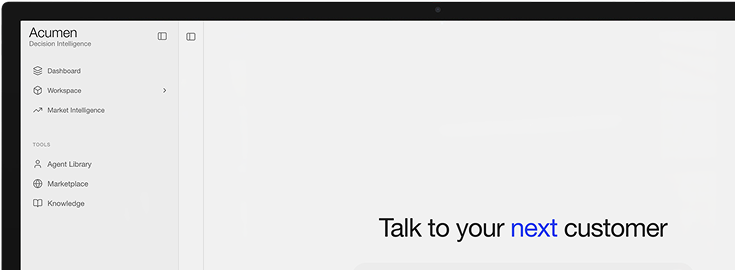
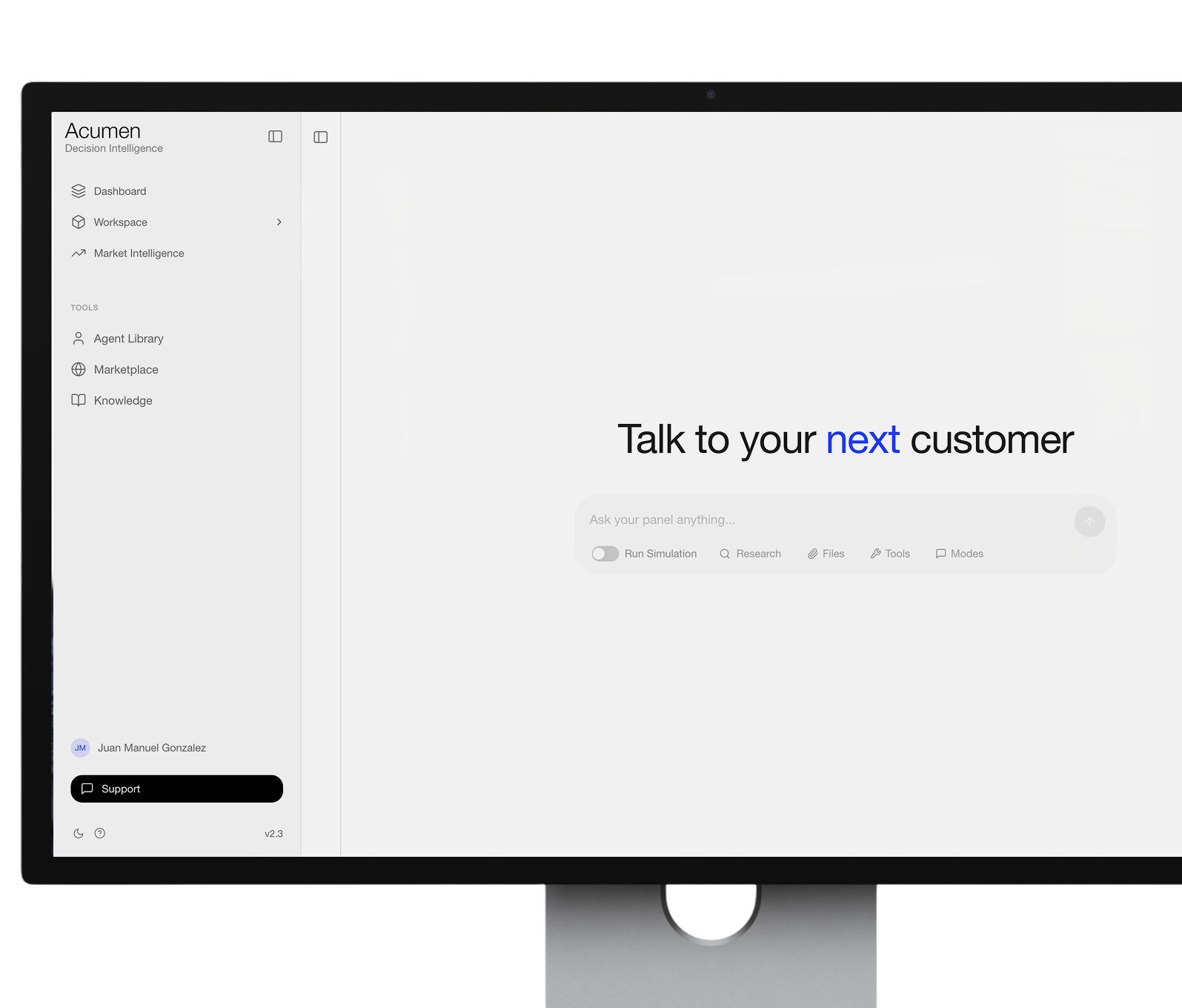
This step focuses on understanding how customers interact with the brand at every stage. Teams should map the full customer experience enterprise journey across digital and offline touchpoints. An actionable step is to identify gaps where enterprise customer experience breaks due to system handoffs or data silos. This analysis helps teams design a digital enterprise customer experience that feels consistent and connected. Pro tips include validating journey maps with real customer data and internal teams to avoid assumptions. Platforms like Acumen, G&CO.'s simulation-driven consumer intelligence platform, strengthen this process by tracking how brand perception shifts across trust, experience, and relevance in real time, giving teams visibility into where the journey is eroding consumer confidence, not just where it is breaking operationally.
Step 3: Align Systems and Data for Scale
This step ensures technology supports enterprise customer experience management at scale. Teams should integrate CRM, analytics, and engagement platforms into a unified enterprise customer experience solution. An actionable step is to establish shared data standards that support enterprise customer digital experience across teams. Clean and connected data improves personalization and reporting for enterprise customer experiences. Pro tips include prioritizing integration before new tools to reduce complexity and speed execution.
Step 4: Operationalize and Govern Execution
This step turns strategy into daily execution across the enterprise. Leaders should define ownership, workflows, and governance for enterprise customer experience management. An actionable step is to assign clear accountability for enterprise customer experience outcomes across regions and teams. Governance keeps enterprise customer experiences consistent as the organization grows. Pro tips include setting regular performance reviews to track enterprise customer digital experience metrics and improve execution.
Common Pitfalls & How to Avoid Them
Pitfall 1: Teams treat enterprise customer experience as a single project instead of an ongoing program.
How to Avoid: Establish enterprise customer experience management as a long-term operating model with clear ownership and metrics.
Pitfall 2: Data silos limit visibility across the customer experience enterprise journey.
How to Avoid: Invest early in integration and shared data standards that support a unified enterprise customer experience solution.
Pitfall 3: Teams focus on tools without aligning processes and people.
How to Avoid: Align workflows, incentives, and governance to support digital enterprise customer experience execution.


%20(1).png)

Let’s kickstart the conversation and design stuff people will love.

The Retail & Consumer Index


Conclusion & Next Steps

You now have a clear framework to build enterprise customer experience that scales across teams and systems. The guide showed how enterprise customer experience management supports consistency, growth, and efficiency. You learned how to define goals, map journeys, align data, and govern execution for strong enterprise customer experiences. These steps help leaders deliver a reliable enterprise customer digital experience across channels.
Start by defining your enterprise customer experience goals and mapping your customer experience enterprise journey. Then align systems to support a scalable enterprise customer experience solution. Ready to improve enterprise customer experience at scale? Take action now and move from strategy to execution. G&CO. partners with enterprise brands to design and deliver digital enterprise customer experience programs that drive impact. Our teams help leaders structure enterprise customer experience management, integrate systems, and execute enterprise customer experiences that support long-term growth.
Always-On Customer Intelligence
Turn your own customer data into foresight — validate, simulate, and sense every major decision before you commit.