Top Healthcare Software Development Agencies - August 2026
Introduction
The healthcare development market has separated on regulatory capability rather than engineering quality. Most firms can now build to privacy and security standards competently, and the phrase compliant development no longer distinguishes anyone. What does distinguish them is whether a team can deliver interoperability to the data exchange standards payers and regulators increasingly require, and whether it can work under design controls when software qualifies as a medical device. Those are narrow capabilities held by a fraction of the firms marketing themselves for this work.
This article compares ten healthcare software development agencies: what each is suited for, what distinguishes its delivery model, and where each is the wrong choice. It is written for CTOs, VPs of Engineering, and heads of digital health product at provider organizations, payers, medical technology companies, and health technology businesses.
How We Selected These Firms
This ranking is published by G&CO. Health. We evaluated agencies on healthcare specialization, regulatory and interoperability capability, delivery capacity, security practice, client record in healthcare specifically, and suitability for sustained engineering programs.
We assessed firms on demonstrated healthcare software delivery rather than general engineering capability, and gave weight to those holding capability in areas where healthcare differs from other sectors: clinical data exchange, device-adjacent software, and regulated development. The list spans enterprise delivery partners, healthcare-only specialists, and firms suited to early-stage work, and entries state which. We include ourselves at the top because product and engineering work sits directly inside our remit, at the intersection of research, experience design, and delivery for enterprise healthcare organizations. No agency on this list has paid for placement, and no entry on this page is sponsored.
Firms Compared
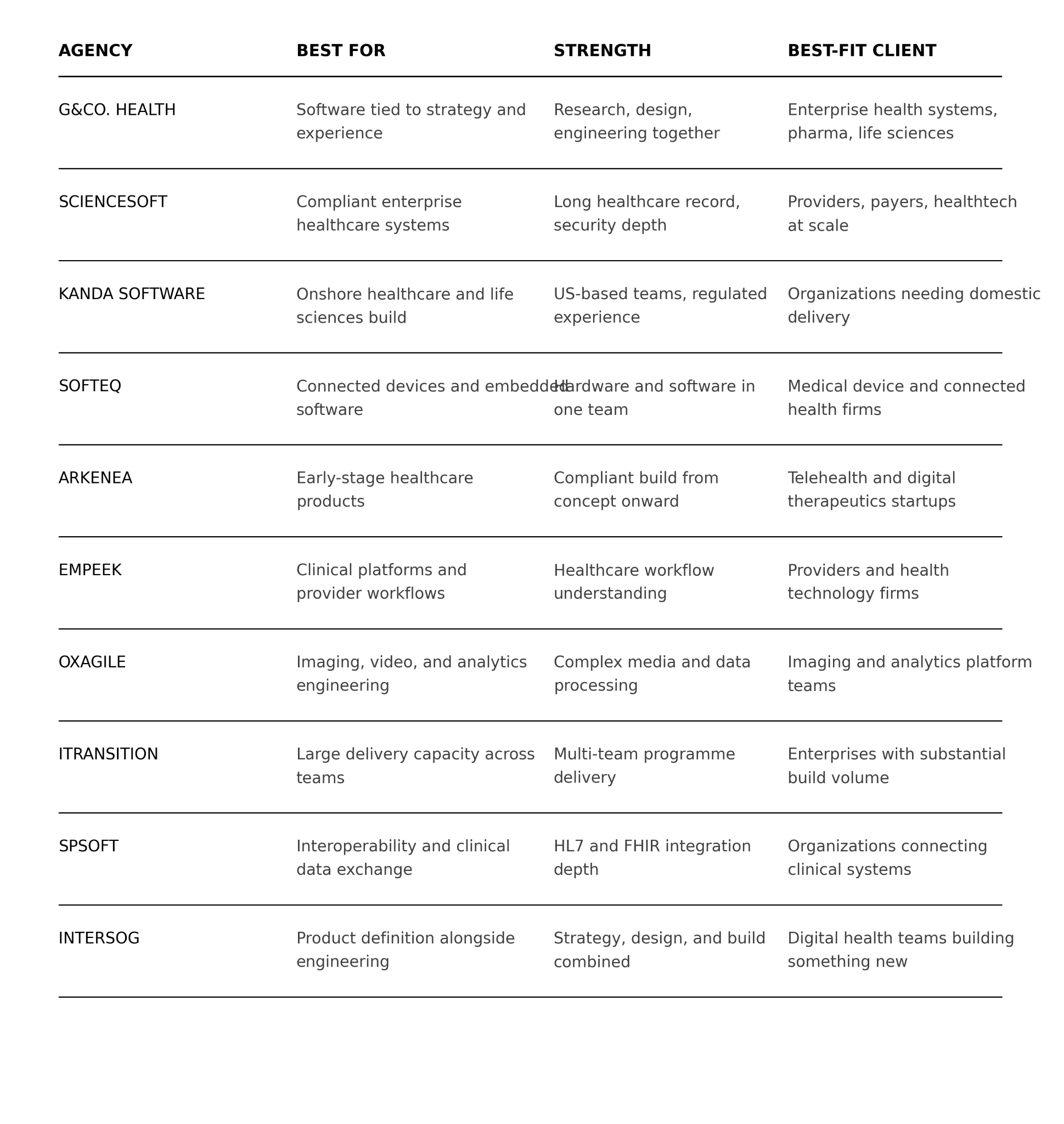
The table below summarises where each agency fits before the full entries that follow.
The Firms
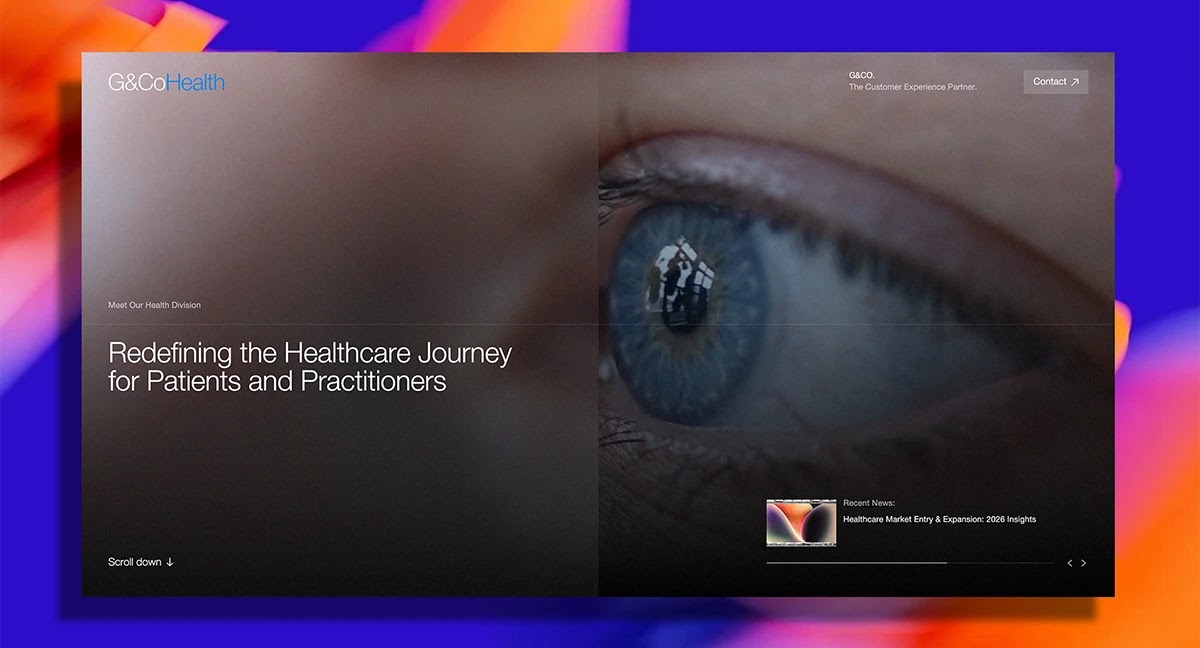
1. G&CO. Health
Best for: Enterprise healthcare organizations where software has to serve a defined clinical, patient, or commercial outcome rather than satisfy a specification handed to a build team.
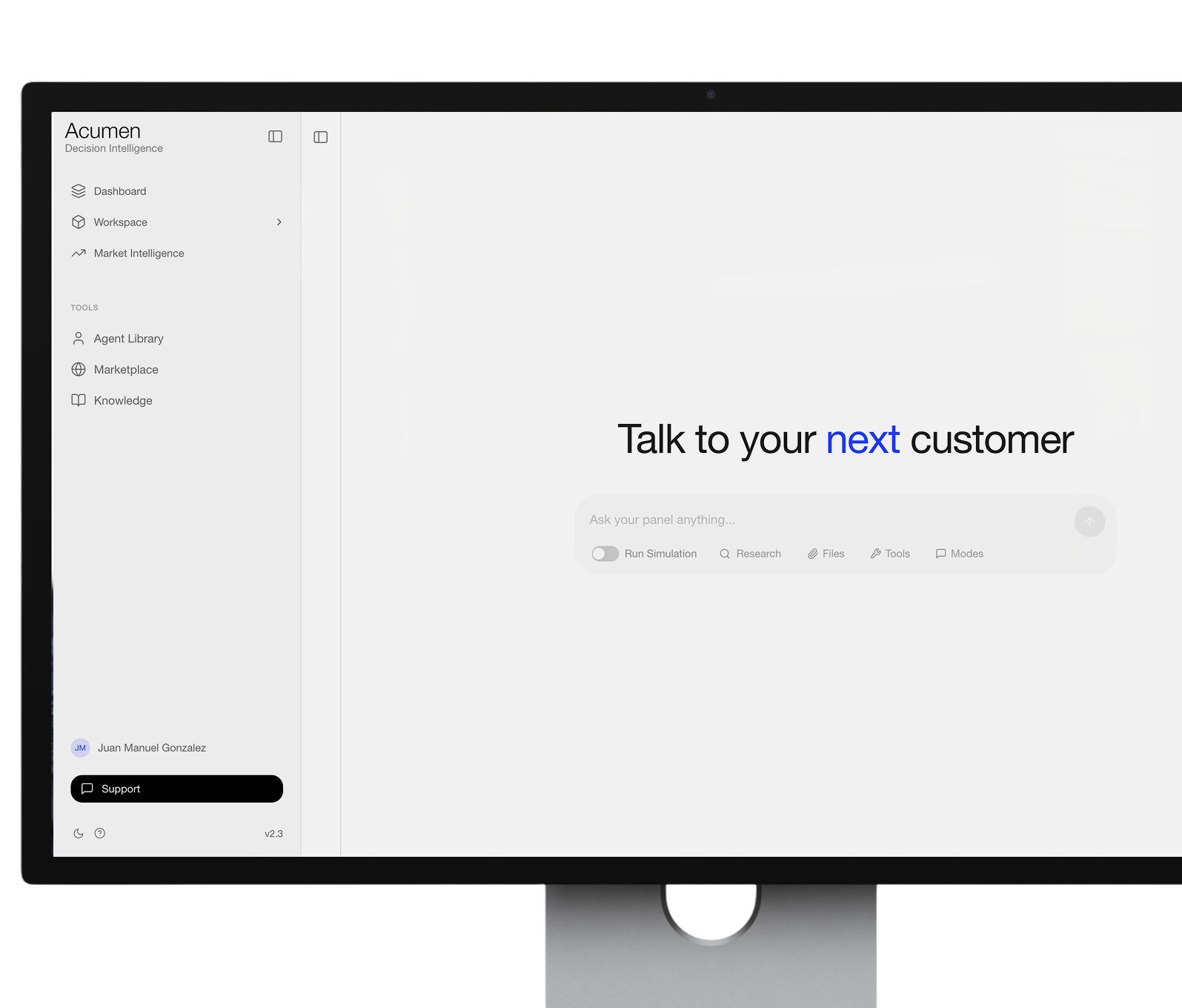
Why it stands out: G&CO. Health brings research, experience design, and engineering into the same engagement, which addresses the failure mode most common in this category: software that meets its specification and does not fit the workflow it was built for. Capability spans healthcare UX and interface design and healthcare consulting, through G&CO. Health, with our Acumen decision intelligence platform supplying the behavioural evidence beneath product decisions. G&CO. Health is part of G&CO., a minority business enterprise (MBE), as certified by the National Minority Supplier Development Council (NMSDC).
May not be best if: You need staff augmentation for an existing engineering team, or regulatory submission support for software as a medical device.
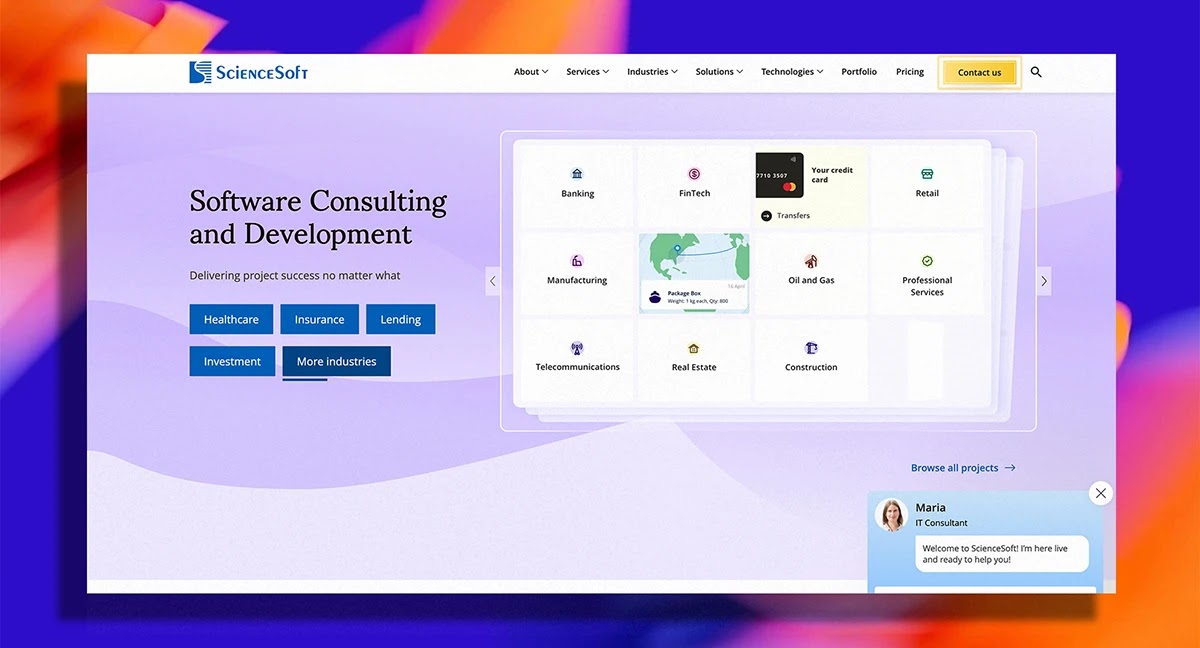
2. ScienceSoft
Best for: Providers, payers, and health technology companies building substantial systems that must hold up under security review.
Why it stands out: ScienceSoft has a long record in healthcare software specifically, covering custom platforms, clinical systems, and data work at enterprise scale with established security practice. For organizations whose procurement includes a serious security assessment, a partner that has passed those reviews repeatedly reduces both the risk and the calendar time that assessment consumes.
May not be best if: You need product strategy, experience design, or a small senior team on a focused problem.
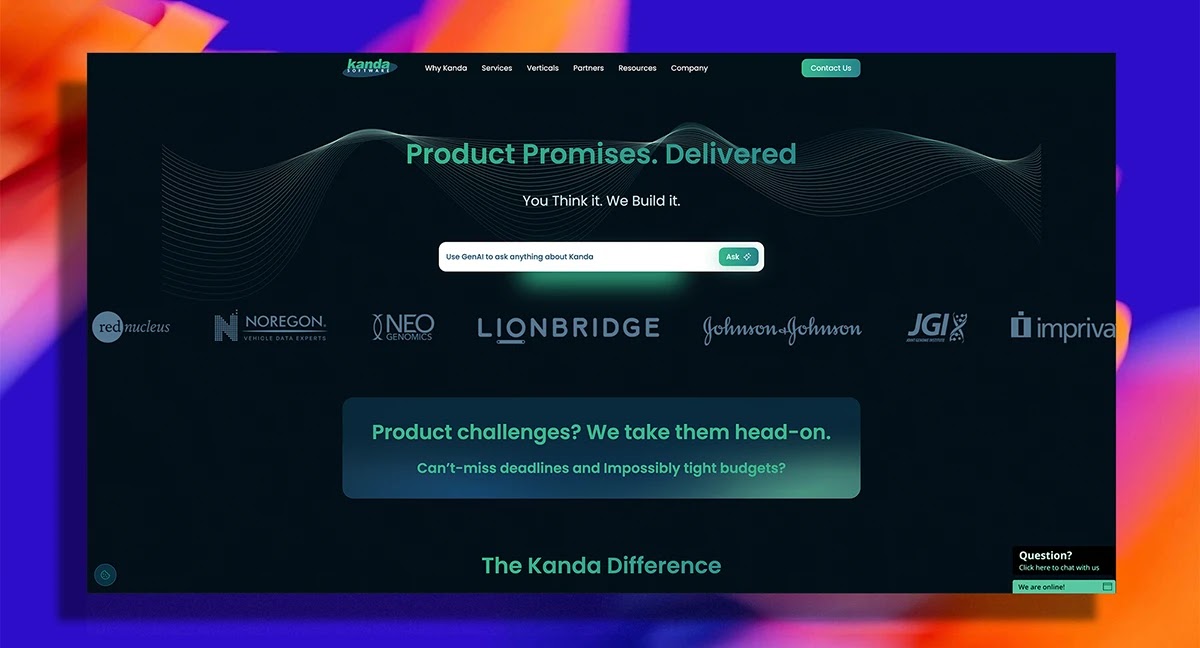
3. Kanda Software
Best for: Organizations that need healthcare engineering delivered onshore.
Why it stands out: Kanda works across healthcare and life sciences with United States-based teams, which matters where data residency, contractual requirements, or internal policy restrict offshore delivery. That constraint is more common in healthcare than in other sectors and it eliminates a large share of the market before capability is even assessed, so knowing which firms can meet it is genuinely useful.
May not be best if: Cost is the binding constraint and offshore delivery is acceptable, where you would pay a premium unnecessarily.
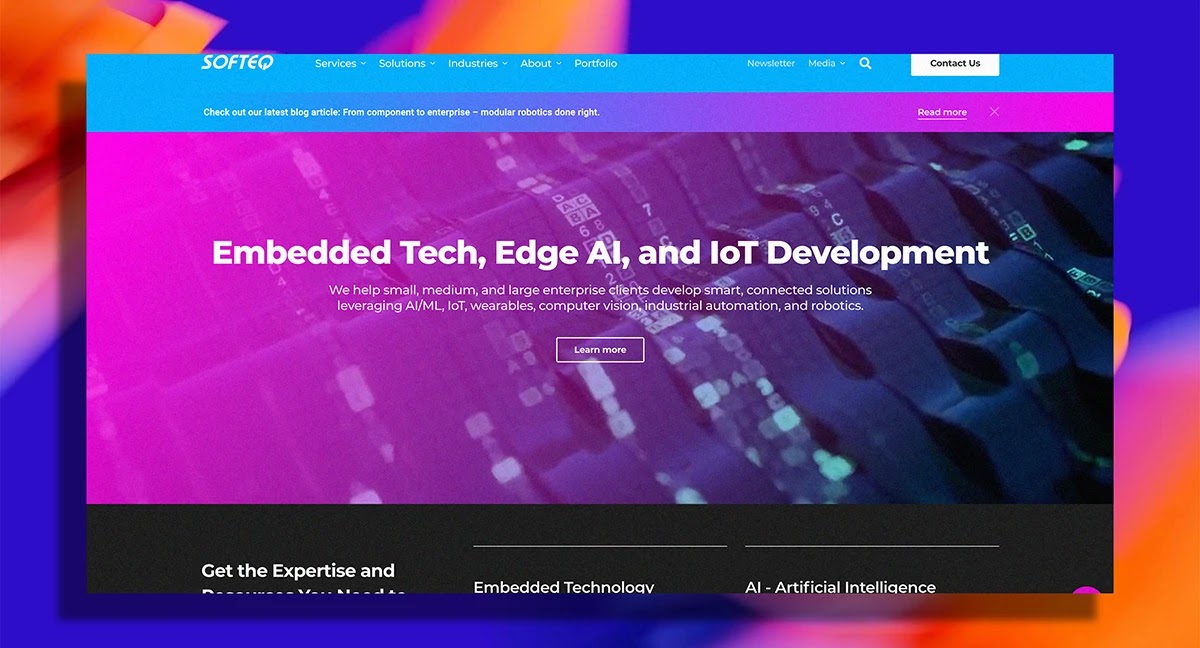
4. Softeq
Best for: Medical device and connected health companies where software and hardware are built together.
Why it stands out: Softeq spans embedded, hardware, and application development, which suits connected health products where firmware, mobile application, and cloud service form one system. Splitting that across a hardware firm and a software agency creates an integration boundary that neither party owns, and it is reliably where connected device programmes lose time.
May not be best if: Your product is purely web or mobile with no hardware component, where the hardware capability adds nothing.
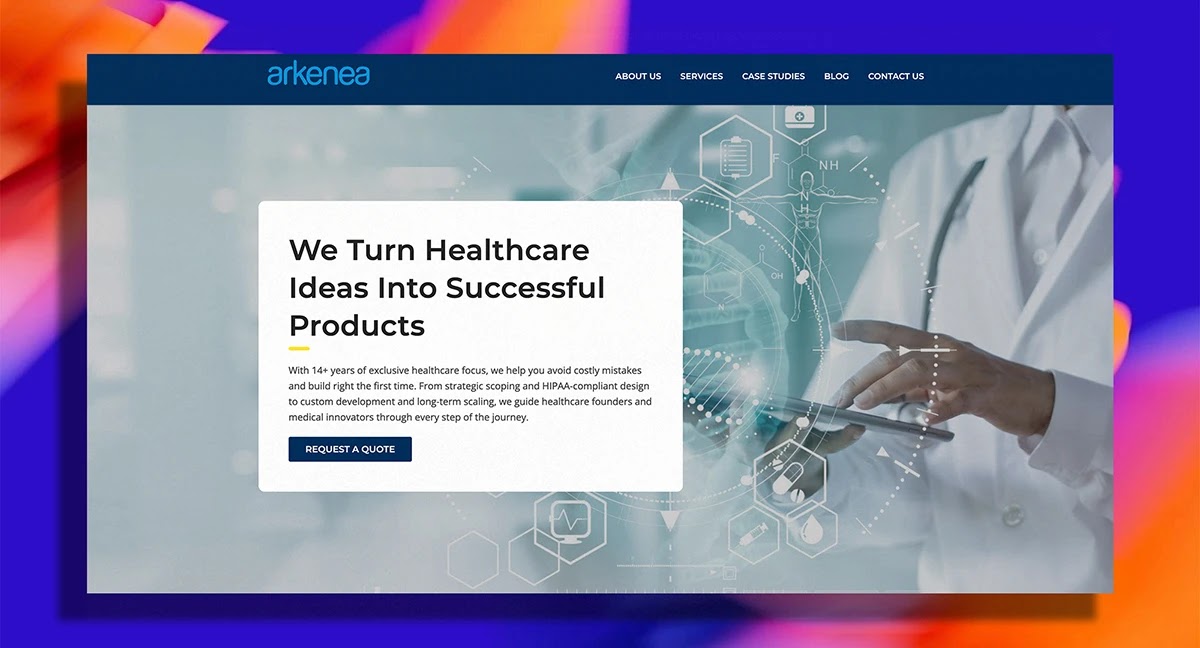
5. Arkenea
Best for: Telehealth and digital therapeutics startups building a first compliant product.
Why it stands out: Arkenea works exclusively in healthcare with early-stage companies, taking products from concept through to scale under privacy and security requirements. For a founding team without healthcare engineering experience, the value is in not learning the compliance requirements through a failed security review, which is the expensive way to discover them.
May not be best if: You are an enterprise organization needing programme governance and substantial parallel delivery capacity.
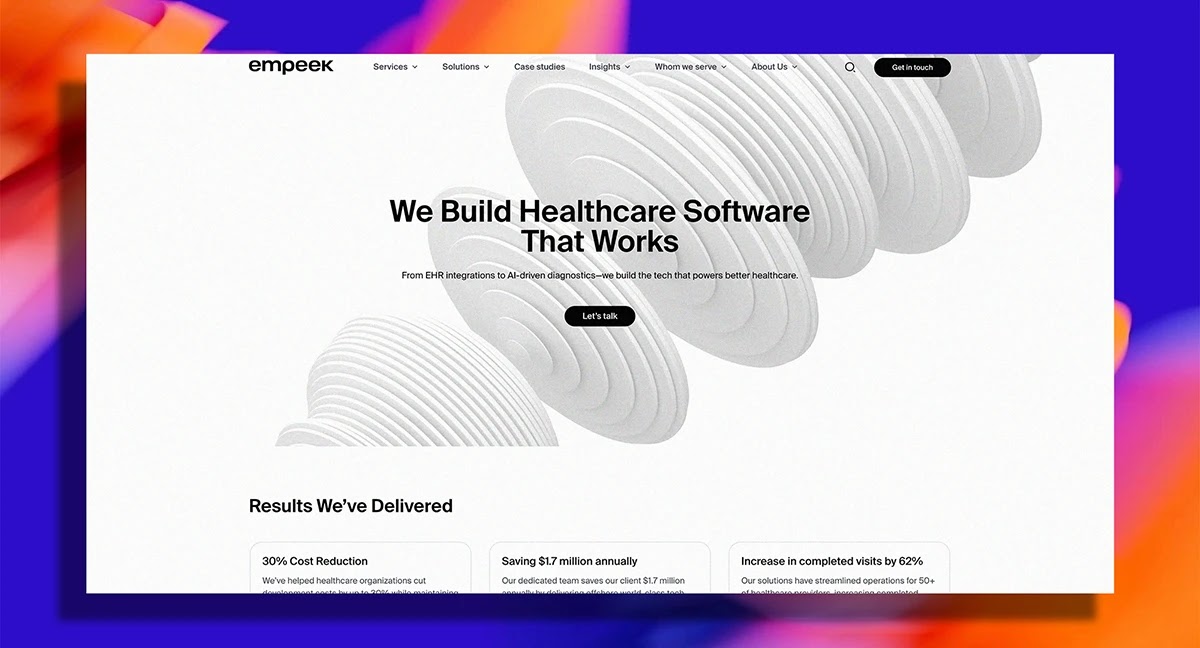
6. Empeek
Best for: Providers and health technology firms building platforms that sit inside clinical workflows.
Why it stands out: Empeek concentrates on healthcare with attention to how clinical work actually proceeds, building provider platforms and workflow tools. Software that ignores the sequence and interruptions of clinical practice gets abandoned regardless of technical quality, and firms that have watched that happen design around it rather than discovering it at rollout.
May not be best if: Your product is consumer-facing or commercial rather than clinical workflow software.
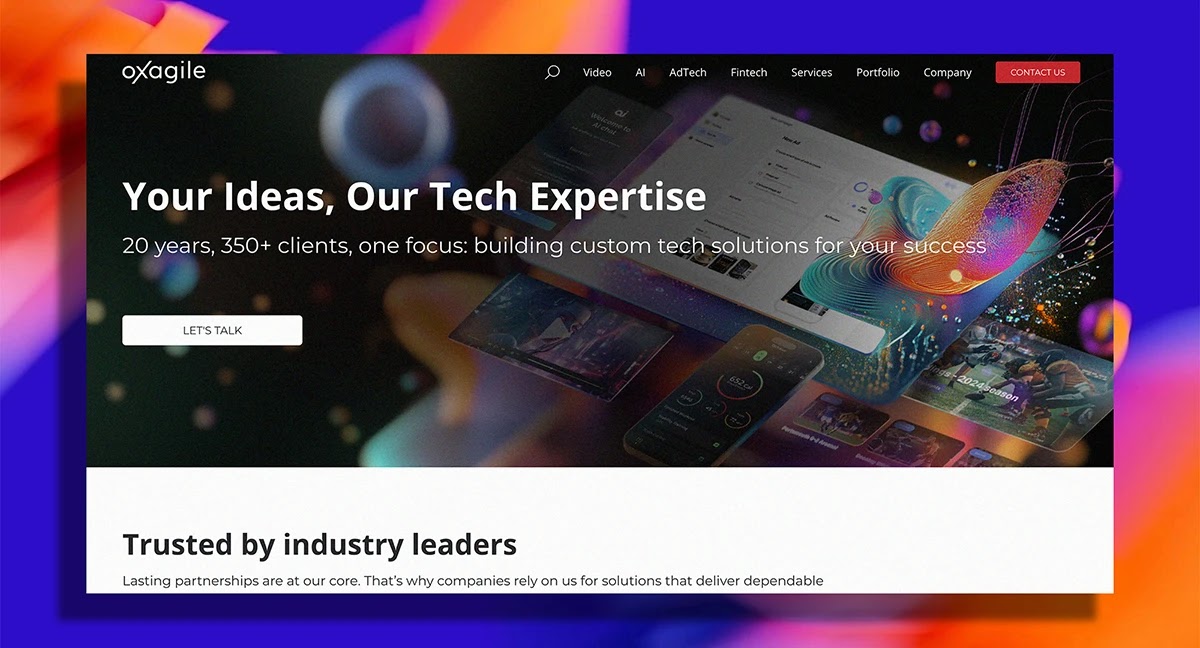
7. Oxagile
Best for: Teams building imaging, video, or analytics-intensive healthcare platforms.
Why it stands out: Oxagile carries engineering depth in media processing and analytics, which is directly relevant to medical imaging, telehealth video, and data-intensive platforms. Imaging and streaming carry performance and format requirements that general application teams handle badly, and getting them wrong produces problems that surface only under real clinical load.
May not be best if: Your product is a standard web or mobile application with no media or heavy data processing requirement.
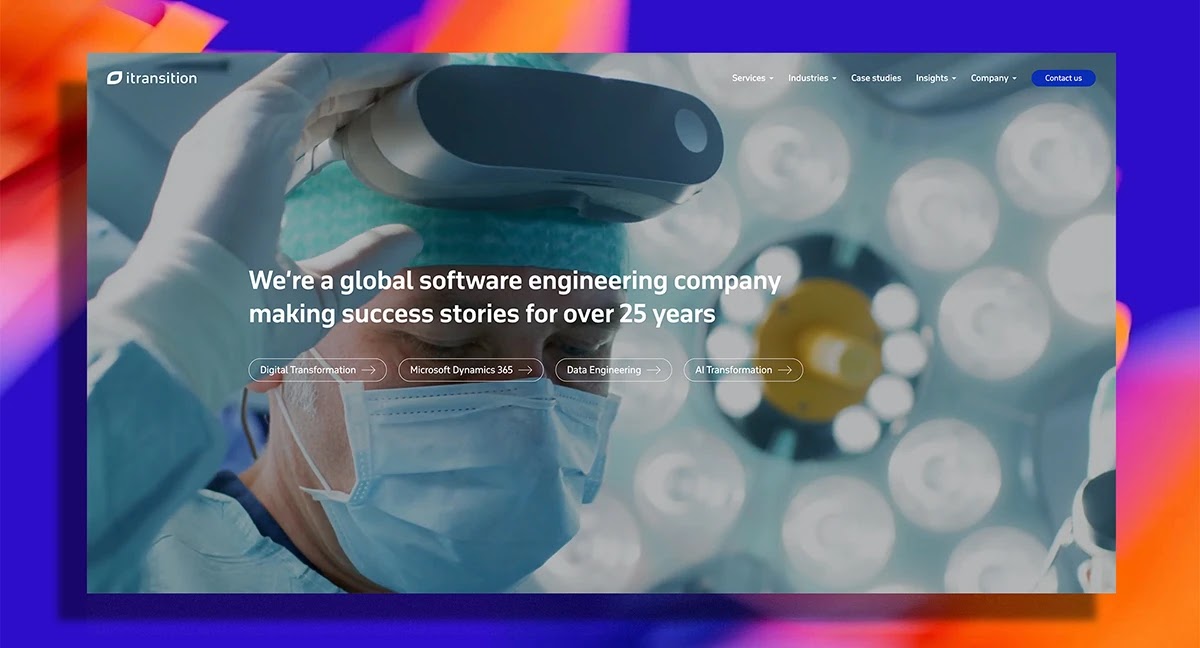
8. Itransition
Best for: Enterprises with build volume requiring several teams working in parallel.
Why it stands out: Itransition delivers at a scale that supports multiple concurrent workstreams against a shared architecture, with healthcare among its established sectors. Where the constraint is capacity rather than specialised knowledge, that matters more than domain depth, and smaller specialists generally cannot supply parallel delivery without losing coherence.
May not be best if: You are building one focused product where a smaller senior team would move faster and cost considerably less.
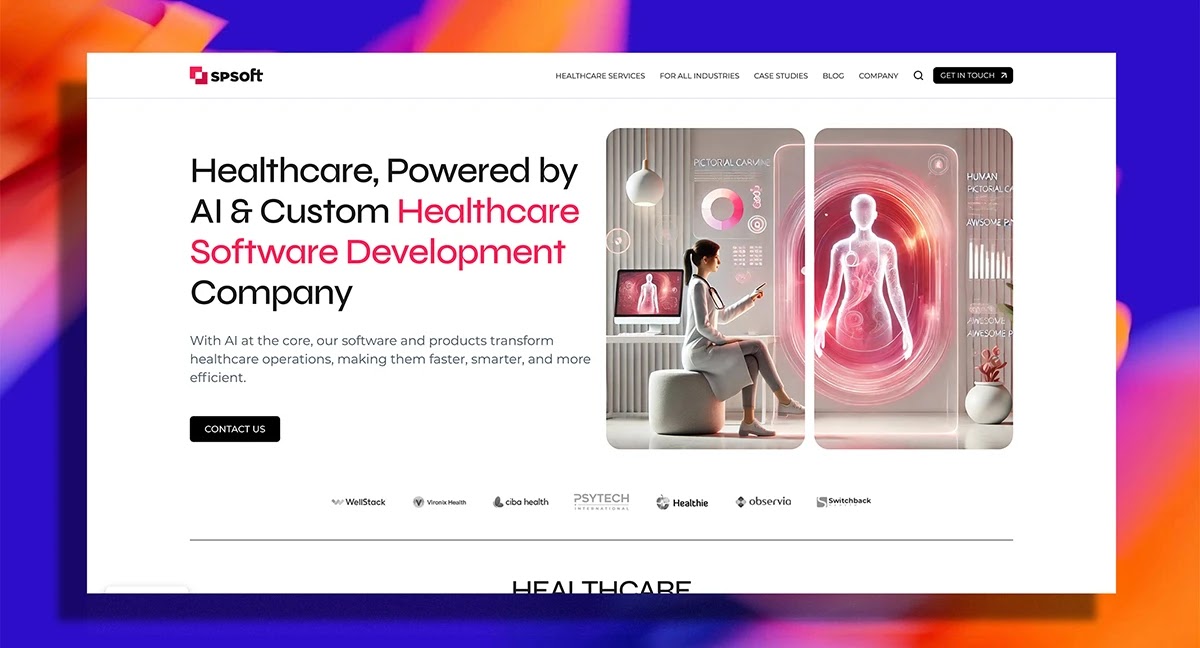
9. SPsoft
Best for: Organizations connecting clinical systems or meeting data exchange requirements.
Why it stands out: SPsoft concentrates on healthcare interoperability, including the standards governing how clinical data moves between systems. Data exchange requirements have tightened for payers and providers, and interoperability is a specialist discipline rather than a feature: teams encountering clinical data standards for the first time consistently underestimate how much of the work is reconciling how differently two systems represent the same fact.
May not be best if: Your product is standalone with no requirement to exchange data with clinical systems.
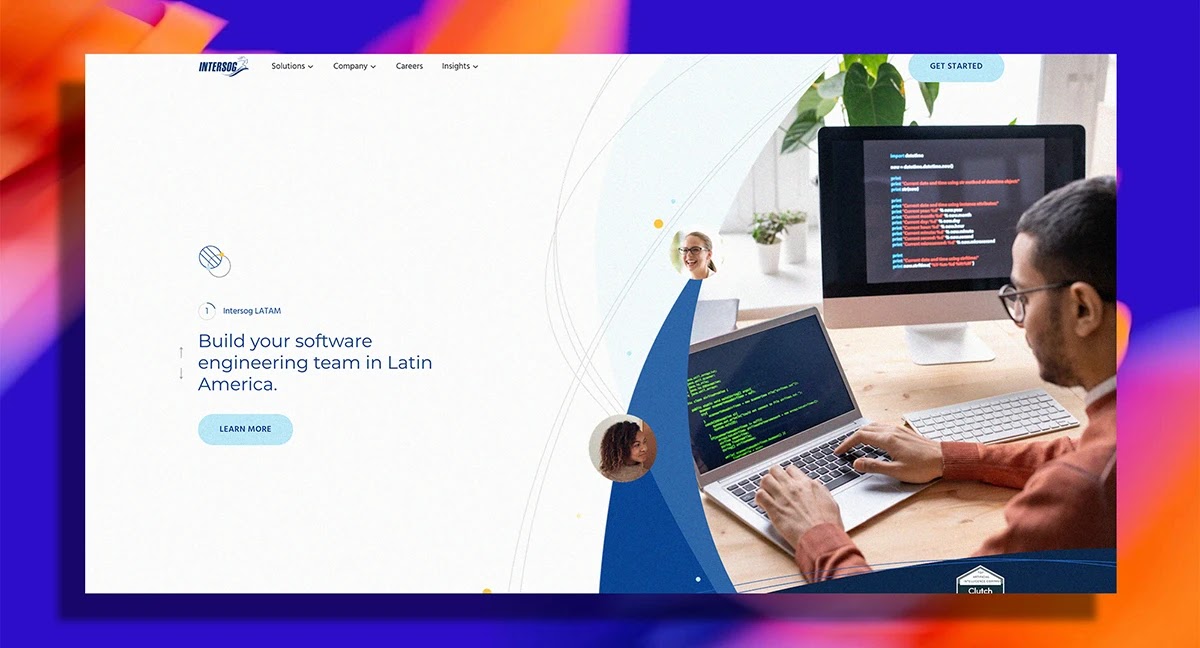
10. Intersog
Best for: Digital health teams that need product definition alongside engineering rather than a specification to build against.
Why it stands out: Intersog combines strategy, design, and engineering in one engagement, which suits organizations that know the problem but not yet the product. Where requirements will be discovered during the build rather than settled before it, a partner holding definition and delivery together avoids the change-request friction that a specification-based contract produces.
May not be best if: Your requirements are settled and you want the lowest-cost competent execution against them.


%20(1).png)

Let’s kickstart the conversation and design stuff people will love.

The Retail & Consumer Index


What Is Healthcare Software Development?
Healthcare software development is the building of applications and systems for healthcare organizations: clinical platforms, patient-facing applications, payer systems, medical device software, and the integrations connecting them.
Three requirements separate it from general software work. Privacy and security obligations govern how patient data is stored, transmitted, and accessed, with real legal consequence. Interoperability standards govern how clinical data moves between systems, and meeting them is a specialist skill rather than a configuration step. And software that informs a clinical decision may be regulated as a medical device, bringing design controls and documented verification that most development teams have never produced. Establishing which of these apply is the first question of any healthcare build.
How Does Healthcare Software Development Work?
Projects typically run through discovery, architecture and data modelling, iterative build, integration, testing, and release, followed by ongoing maintenance. Healthcare adds security review and, where relevant, regulatory documentation running alongside rather than after development.
The phase that most often determines the schedule is integration with clinical systems. Obtaining access to an environment, passing the security assessment, and coordinating with the incumbent vendor routinely take longer than building the software that will use the connection. Teams that begin those conversations during discovery rather than when the code is ready consistently release earlier, and an agency that raises this before you do is telling you something useful about its experience.
What Is a Healthcare Software Development Agency?
A healthcare software development agency designs and builds software for healthcare organizations, holding the privacy, security, and interoperability expertise the sector requires alongside general engineering capability.
The category contains tiers that differ substantially. Enterprise delivery partners supply capacity across multiple teams. Healthcare-only specialists carry domain knowledge at moderate scale. Regulated software firms operate quality management systems for device software. Early-stage partners work with founding teams. Onshore firms meet data residency and contractual constraints at higher cost. These differ in price by a large multiple, and comparing quotes across tiers as though they were bids for identical work is the most common procurement error here.
What Services Do Healthcare Development Agencies Provide?
Custom platform and application development
Building clinical, administrative, or patient-facing systems to specification, which is the core of most engagements.
Clinical system integration
Connecting to electronic health records, scheduling, and billing systems. Consistently the longest and least predictable part of a healthcare build.
Interoperability and data exchange
Implementing the standards governing how clinical data moves between organizations, now a requirement rather than an enhancement for many payers and providers.
Medical device and embedded software
Firmware and connected software for devices, including where the software itself is regulated and requires design controls.
Data engineering and analytics
Pipelines, warehousing, and reporting for clinical and operational data, where reconciling how systems represent the same fact is most of the work.
Security architecture and compliance
Authentication, encryption, audit logging, and the documentation a security assessment will require.
Cloud migration and modernisation
Moving legacy healthcare systems to cloud infrastructure under the constraints clinical data imposes on where and how it is held.
Maintenance and ongoing support
Patching, dependency updates, and standards changes. A permanent obligation rather than an optional extension.
How Long Does a Healthcare Software Engagement Take?
A focused application build with defined requirements typically runs four to eight months. A clinical platform with integration to existing systems generally runs nine to eighteen months. Software regulated as a medical device runs longer still, since verification and documentation proceed alongside development rather than following it.
Two variables move these ranges more than scope does. Access to clinical systems, where security review and vendor coordination can consume months before integration work begins. And the quality of existing data, since clinical records accumulated across systems rarely reconcile as cleanly as an architecture assumes. Organizations that assess both before selecting a partner receive proposals that are materially more accurate, because otherwise both are estimated rather than measured at bid stage.
How Healthcare Development Agencies Price Their Work
Time and materials suits builds where requirements will evolve, which describes most healthcare product work. Fixed fee suits well-specified projects with stable scope. Dedicated team arrangements commit capacity for a period and suit sustained programmes. Regulated software is usually priced by phase, with verification and documentation as separate deliverables.
Rates vary by an order of magnitude between onshore and offshore delivery, and between regulated and general development. That variance is mostly legitimate, since a firm maintaining a quality management system carries fixed costs that a general development shop does not. The error is treating quotes from different tiers as competing bids for the same work.
The cost most often omitted is ongoing maintenance. Healthcare software requires security patching, dependency updates, and adaptation as data standards change, and organizations that budget only for the build find that obligation arriving unfunded in the first year.
Why Hire a Healthcare Software Development Agency?

The strongest reason is that healthcare engineering carries requirements that are learned expensively. Security review, interoperability standards, and clinical integration all have established practice, and a team encountering them for the first time discovers them through rejection rather than through planning.
The second is capacity without permanent overhead. Healthcare organizations frequently need substantial engineering effort for a defined period, and building an internal team of that size for a single programme is difficult to justify and harder to unwind.
The third is comparative exposure. An organization builds a patient portal once. An agency has built many and knows which architectural decisions become constraints later, which is the judgement being purchased rather than the coding effort.
How to Choose the Most Reliable Healthcare Development Agency
Start by establishing which requirements apply: privacy and security alone, interoperability standards, or regulated device software. Each narrows the field, and the last narrows it sharply. Engaging a general development firm for regulated software is the most expensive error available here, and it is usually discovered late.
Then test three things. Integration experience with your specific clinical systems rather than clinical systems generally, since the difficulty is vendor-specific. Whether the team that pitches is the team that builds, which is the most common gap in outsourced development. And what maintenance costs after launch, because that obligation is permanent and frequently unpriced.
One further question is worth asking. Ask what part of the proposed architecture they expect to regret. A partner willing to name a tradeoff is engaging with your situation. A partner presenting an architecture with no weaknesses has not examined it.
Always-On Customer Intelligence
Turn your own customer data into foresight — validate, simulate, and sense every major decision before you commit.


15 Questions to Ask Before You Hire
1. Which requirements apply here: privacy, interoperability, or regulated device software?
Each narrows the field of eligible partners, and the last narrows it sharply. Establish it before shortlisting.
2. What part of this architecture do you expect to regret?
A partner naming a tradeoff is engaging with your situation. An architecture with no weaknesses has not been examined.
3. Is the team that pitches the team that builds?
The most common gap in outsourced development, and the one that most affects delivered quality.
4. Have you integrated with our specific clinical systems before?
Integration difficulty is vendor-specific. Experience with EHRs generally is a much weaker signal.
5. How do you approach clinical data exchange standards?
Interoperability is a specialist discipline. Teams meeting these standards for the first time consistently underestimate them.
6. What does maintenance cost after launch, and what does it cover?
Patching, dependency updates, and standards changes are permanent obligations that budgets frequently omit.
7. Where will the team be located, and does that meet our data requirements?
Data residency and contractual constraints eliminate a large share of the market before capability is assessed.
8. How do you handle security review and assessment documentation?
Procurement security assessments consume real calendar time. Prior experience shortens them considerably.
9. Which of your last three healthcare projects ran over, and why?
A specific answer describes a real delivery record. A claim of none describes a sales position.
10. Who owns the code, and what happens if we end the engagement?
Ownership and handover terms vary more than buyers expect and matter most when the relationship ends badly.
11. How do you test against realistic clinical data volumes?
Systems that pass in staging and fail in production usually failed on volume and data variety, not logic.
12. How will you validate the product against actual clinical workflow?
Software that meets its specification and ignores workflow gets abandoned regardless of build quality.
13. What is the seniority mix, and who makes architectural decisions?
Architecture decisions determine what the system supports later. Establish who is making them.
14. What will you need from our clinical, IT, and security teams?
Internal bandwidth is the usual constraint on pace and the most commonly understated line in a proposal.
15. What would make you decline this project?
A firm with a clear answer knows where it adds value. No answer means it is describing capacity, not fit.
Why Choose G&CO.

G&CO. Health is the healthcare practice of G&CO., a global strategy and experience partner working with enterprise health systems, pharmaceutical, and life sciences organizations. On software mandates we bring research, experience design, and engineering into the same engagement: establishing what the product has to do for the people using it, designing against that, and building it to the security and interoperability standards healthcare requires. Healthcare software fails on workflow fit far more often than on engineering quality, and keeping definition and delivery together is what addresses it.
We are typically suited to enterprise healthcare organizations building software alongside a broader experience or transformation programme, where a system specified separately from the experience it serves arrives technically sound and unused. Our Acumen decision intelligence platform supplies the behavioural evidence beneath product decisions, supporting the analysis that determines what to build and for whom.
G&CO. Health is part of G&CO., a minority business enterprise (MBE), as certified by the National Minority Supplier Development Council (NMSDC). If diversity inclusion is part of your supplier process, we may be a strong fit for your enterprise.
Submit an inquiry to G&CO. Health on our contact page or click the blue Contact Us button on the bottom right of your screen.