Top AI Integration Finance Firms to Work With - August 2026
Introduction
AI Integration has become a core priority for finance leaders, accelerating rapidly over the past year as automation, predictive analytics, and generative tools mature. This article explores why selecting the right AI Integration Finance partner matters more than ever in August 2026.
While internal AI roles continue to grow, many organizations still rely on AI Integration Finance partners for deep expertise, limited internal bandwidth, and clearer cost control. These external teams help teams move faster and reduce risk. Below, we uncover the top 10 AI Integration Finance to work with.
Top 10 AI Integration Agencies in Finance
G&CO. is a minority business enterprise (MBE), as certified by the National Minority Supplier Development Council (NMSDC). If diversity inclusion is a part of your supplier process, contact us—we may be a great fit for your enterprise.
1. G&CO.
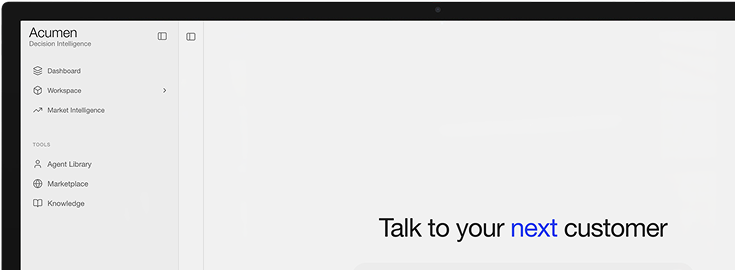
G&CO. is a global strategy and experience partner known for integrating ai in finance industry solutions by combining enterprise strategy, data, and design to deliver ai for finance initiatives, working with large financial institutions and enterprise brands on generative ai in finance, ai tools for finance, and scalable platforms that shape the future of ai in finance.

2. Accenture
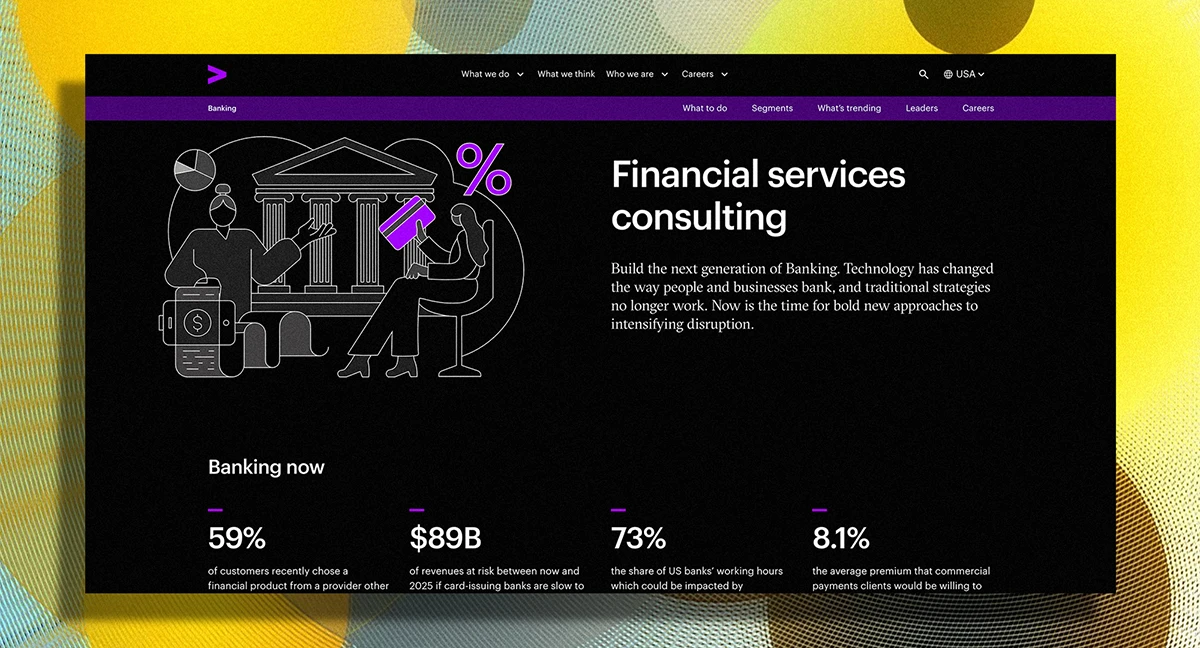
Accenture is widely recognized for large-scale ai in banking and finance transformations, helping global banks, insurers, and asset managers deploy ai finance tools, generative ai in finance use cases, and end-to-end ai for finance strategies across cloud, data, and operations.
3. Deloitte
Deloitte is known for enterprise-grade ai in finance industry consulting, supporting Fortune 500 clients with ai tools for finance, governance-led generative ai in finance programs, and regulatory-aware ai in banking and finance implementations focused on long-term value.

4. McKinsey & Company
McKinsey & Company specializes in high-impact ai for finance strategy, advising leading global financial institutions on ai in finance adoption, operating model design, and future of ai in finance roadmaps that connect advanced analytics with executive decision-making.

5. Boston Consulting Group (BCG)
BCG is known for pairing deep financial services expertise with advanced ai finance tools, helping banks, insurers, and capital markets firms scale ai in finance industry initiatives, including generative ai in finance and applied ai in banking and finance.

6. Capgemini
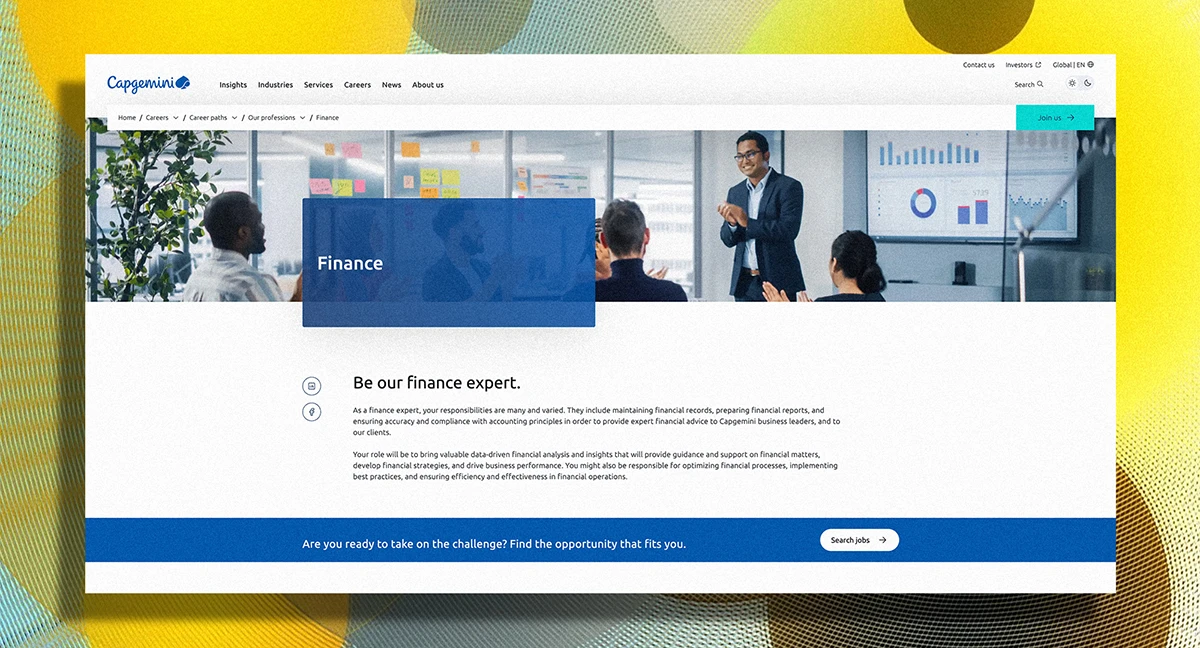
Capgemini delivers end-to-end ai integration for finance organizations, working with global enterprises to operationalize ai tools for finance, deploy generative ai in finance solutions, and modernize core systems supporting the future of ai in finance.
7. Cognizant
Cognizant is recognized for practical ai for finance execution, helping large financial services clients implement ai in finance industry platforms, automate workflows with ai finance tools, and scale generative ai in finance across operations and customer experience.
8 Infosys
Infosys supports enterprise finance teams with ai in banking and finance solutions focused on efficiency, risk, and analytics, delivering ai tools for finance and generative ai in finance capabilities for global banks and financial institutions.
9. Tata Consultancy Services (TCS)
TCS is known for large-scale ai in finance deployments, partnering with global banks and insurers to implement ai finance tools, data-driven platforms, and generative ai in finance programs that support long-term digital transformation.
10. Slalom
Slalom is a modern consulting firm recognized for hands-on ai for finance delivery, helping mid-to-large financial services organizations adopt ai in finance industry solutions, deploy generative ai in finance use cases, and operationalize ai tools for finance with speed and flexibility.

What Is AI Integration?
AI integration refers to the systematic embedding of ai in finance systems, workflows, and decision-making processes so that models, data, and automation operate as part of day-to-day business execution rather than isolated tools. In the ai in finance industry, AI integration connects ai tools for finance such as machine learning models, generative ai in finance applications, and analytics engines directly into core platforms including ERP, CRM, risk, and treasury systems, enabling scalable ai for finance outcomes and supporting the future of ai in finance.
How Does AI Integration Work?
AI integration works by aligning data infrastructure, model development, governance, and operational deployment into a single execution framework that supports ai in banking and finance at scale. This process includes consolidating data sources, training and validating ai finance tools, embedding generative ai in finance into existing workflows, and establishing monitoring and compliance controls, allowing ai for finance solutions to continuously improve performance while managing risk across the ai in finance industry.
What Is a AI Integration in Finance?
An AI Integration in finance is a specialized partner that designs, implements, and scales ai in finance initiatives for financial institutions by combining domain expertise, technology architecture, and change management. These firms enable organizations to deploy ai tools for finance, operationalize generative ai in finance use cases, and govern ai in banking and finance programs efficiently, helping enterprises accelerate adoption while shaping the future of ai in finance with measurable business impact.
What Services Do AI Integration Finance Agencies Provide?
AI Integration finance firms bring the technical, strategic, and operational capabilities required to scale ai in finance across complex organizations. Their expertise spans data architecture, model deployment, and governance, enabling ai for finance initiatives, generative ai in finance use cases, and ai tools for finance to integrate seamlessly into core systems while supporting the future of ai in finance and ai in banking and finance environments.
AI Strategy & Roadmap Development
AI Integration Finance firms define enterprise-ready strategies that align ai in finance initiatives with business objectives, regulatory requirements, and long-term value creation. This service establishes clear roadmaps for ai for finance adoption, prioritizes high-impact use cases, and ensures investments in ai tools for finance support scalable outcomes across the ai in finance industry and the future of ai in finance.
Data Architecture & Integration
This service focuses on designing and integrating secure, high-quality data foundations that enable ai in banking and finance at scale. AI Integration Finance firms connect fragmented data sources, modernize data pipelines, and ensure governance so ai finance tools and generative ai in finance models can operate reliably across core financial systems.
Model Development & Deployment
AI Integration Finance firms build, train, validate, and deploy machine learning and generative ai in finance models tailored to finance-specific use cases such as forecasting, risk assessment, fraud detection, and personalization. This capability ensures ai for finance solutions move from experimentation to production while maintaining performance, compliance, and transparency within the ai in finance industry.
Generative AI Use Case Implementation
This service enables organizations to operationalize generative ai in finance across functions such as customer service, reporting, research, and internal productivity. AI Integration Finance firms design secure architectures, define usage boundaries, and integrate generative ai in finance tools directly into workflows, accelerating adoption while shaping the future of ai in finance responsibly.
Governance, Risk, & Compliance Enablement
AI Integration Finance firms establish governance frameworks that support responsible ai in finance deployment, addressing model risk, data privacy, and regulatory compliance. This service ensures ai tools for finance and ai in banking and finance solutions meet audit, explainability, and control requirements critical to sustained adoption in the ai in finance industry.
Workflow Automation & Process Optimization
This capability embeds ai finance tools into end-to-end financial workflows to reduce manual effort and improve decision quality. AI Integration Finance firms automate processes across finance operations using ai for finance and generative ai in finance, enabling faster execution, higher accuracy, and measurable efficiency gains.
Change Management & Enablement
AI Integration Finance firms support organizational readiness by aligning teams, skills, and operating models with ai in finance transformation. This service includes training, adoption planning, and performance measurement to ensure ai tools for finance deliver sustained value and contribute meaningfully to the future of ai in finance.
Ongoing Optimization & Performance Monitoring
This service ensures continuous improvement of ai in banking and finance solutions through monitoring, retraining, and optimization. AI Integration Finance firms track performance, manage drift, and refine ai for finance models over time, enabling organizations to maximize returns and maintain competitive advantage in the ai in finance industry.
How Long Does an AI Integration Engagement Take to Complete?
AI Integration Finance engagements follow structured timelines that balance speed with rigor to ensure ai in finance initiatives move from strategy to execution without disrupting core operations. These timelines account for data readiness, governance requirements, and deployment complexity, enabling ai for finance, generative ai in finance, and ai tools for finance to deliver measurable impact while supporting long-term adoption in the ai in finance industry and the future of ai in finance.
Data Readiness & Quality
The state of existing data is one of the most significant factors influencing engagement length, as ai in finance depends on clean, accessible, and well-governed data. Prospective clients should expect AI Integration Finance firms to assess data fragmentation, gaps, and governance maturity early, since limited readiness can extend timelines for deploying ai tools for finance and generative ai in finance across the ai in finance industry.
Scope & Complexity of Use Cases
The number and complexity of ai for finance use cases directly affect how long an engagement takes, particularly when spanning multiple business units or geographies. Clients pursuing advanced ai in banking and finance applications such as real-time risk modeling or enterprise-wide automation should expect longer timelines than narrowly scoped pilots, especially when planning for the future of ai in finance.
Technology Stack & System Integration
Existing infrastructure plays a critical role in timeline expectations, as legacy systems often require additional integration work before ai finance tools can be embedded into workflows. AI Integration Finance firms typically evaluate ERP, CRM, data platforms, and cloud maturity to determine how quickly ai in finance industry solutions can be operationalized.
Governance, Risk, & Regulatory Requirements
Regulatory oversight and internal risk standards can extend engagement timelines, particularly for ai in banking and finance deployments that require explainability, auditability, and compliance validation. Prospective clients should expect AI Integration Finance firms to build governance frameworks alongside implementation to ensure ai tools for finance meet regulatory expectations without slowing long-term adoption.
Organizational Alignment & Decision-Making Speed
Internal alignment across leadership, IT, data, and finance teams significantly impacts delivery pace for ai in finance initiatives. Slower decision-making, unclear ownership, or competing priorities can extend timelines, while well-aligned stakeholders enable AI Integration Finance firms to accelerate ai for finance execution and generative ai in finance deployment.
Model Development & Validation Cycles
Developing, testing, and validating models requires iterative cycles to ensure accuracy, fairness, and reliability in the ai in finance industry. Clients should expect timelines to reflect multiple validation phases, particularly for high-impact ai finance tools used in forecasting, credit, or risk, which are central to the future of ai in finance.
Change Management & Adoption Readiness
The speed at which teams adopt new ai tools for finance affects how quickly value is realized from an engagement. AI Integration Finance firms often factor training, enablement, and operating model changes into timelines to ensure ai in finance solutions are embedded into daily workflows rather than remaining underutilized.
Ongoing Optimization & Scaling Plans
Engagements that include post-launch optimization and scaling naturally extend timelines beyond initial deployment. Prospective clients should expect AI Integration Finance firms to plan for continuous improvement, monitoring, and expansion of ai in banking and finance capabilities to support sustained performance and long-term success in the ai in finance industry.


%20(1).png)

Let’s kickstart the conversation and design stuff people will love.

The Retail & Consumer Index


How AI Integration Finance Firms Price Their Work

Pricing for AI Integration Finance firms reflects the depth of expertise, technical complexity, and regulatory rigor required to deliver ai in finance outcomes at scale. Cost structures account for strategy development, data and system integration, model deployment, and governance, enabling ai for finance, generative ai in finance, and ai tools for finance to deliver measurable value while supporting long-term investment in the future of ai in finance.
Scope & Engagement Complexity
Pricing is heavily influenced by the scope and complexity of the engagement, as enterprise-scale ai in finance initiatives require deeper discovery, broader system integration, and more advanced ai for finance use cases. AI Integration Finance firms price higher for multi-function or global ai in banking and finance programs that rely on sophisticated ai tools for finance and generative ai in finance deployments.
Data Infrastructure & Readiness
The condition of a client’s data environment directly affects pricing, since ai in finance industry solutions depend on reliable, governed data pipelines. Engagements that require significant data cleanup, architecture redesign, or governance development increase investment levels due to the additional effort needed to support ai finance tools and the future of ai in finance.
Technology & Integration Requirements
Pricing reflects the effort needed to integrate ai tools for finance into existing systems such as ERP, CRM, and risk platforms. AI Integration Finance firms factor in legacy constraints, cloud readiness, and security requirements when pricing ai in banking and finance integrations, especially when generative ai in finance is embedded into core workflows.
Model Development & Validation Effort
The number and sophistication of models required impact pricing, as custom ai for finance models demand extensive training, testing, and validation. AI Integration Finance firms account for explainability, bias mitigation, and regulatory review when pricing ai in finance industry solutions, particularly for high-impact ai finance tools.
Governance, Risk, & Compliance Demands
Regulatory and risk requirements significantly shape pricing, especially in ai in banking and finance environments. AI Integration Finance firms price engagements higher when robust governance frameworks, audit controls, and compliance documentation are required to support responsible ai in finance and long-term scalability.
Change Management & Enablement Scope
Pricing increases when engagements include workforce enablement, training, and operating model changes needed to embed ai tools for finance effectively. AI Integration Finance firms factor in adoption planning and performance measurement to ensure ai for finance initiatives deliver sustained value across the organization.
Engagement Duration & Support Model
Longer engagements with ongoing optimization, monitoring, and support naturally command higher fees. AI Integration Finance firms price extended partnerships that include continuous improvement of ai in finance solutions, ensuring performance, reliability, and alignment with the future of ai in finance.
Value-Based & Outcome-Oriented Pricing
Some AI Integration Finance firms use value-based pricing models tied to business impact delivered by ai in finance initiatives. This approach aligns fees with measurable outcomes from ai for finance, generative ai in finance, and ai finance tools, reinforcing the strategic role of AI integration in the ai in finance industry.
Why Hire an AI Integration Finance Firm?

Working with an AI Integration Finance firm enables organizations to accelerate ai in finance adoption while reducing execution risk and internal strain. These partners bring specialized expertise in ai in banking and finance, proven ai tools for finance, and scalable generative ai in finance capabilities, helping enterprises move faster, manage complexity, and realize measurable value aligned with the future of ai in finance.
Deep Finance-Specific AI Expertise
Businesses work with AI Integration Finance firms to access specialized expertise in ai in finance and ai in banking and finance that internal teams often lack. These firms understand financial data structures, regulatory constraints, and risk models, enabling ai for finance initiatives, generative ai in finance deployments, and ai finance tools to be designed correctly from the start and aligned with the future of ai in finance.
Faster Time to Value
AI Integration Finance firms accelerate execution by applying proven frameworks, reusable architectures, and tested ai tools for finance. This reduces experimentation cycles and helps organizations move from concept to production more quickly, ensuring ai in finance industry initiatives deliver measurable outcomes without prolonged delays.
Scalable & Secure Implementation
Organizations rely on AI Integration Finance firms to scale ai in finance solutions across systems, teams, and geographies while maintaining security and compliance. These partners design architectures that support enterprise-wide ai in banking and finance adoption, ensuring generative ai in finance and advanced analytics can grow without introducing operational or regulatory risk.
Reduced Execution & Regulatory Risk
AI Integration Finance firms help mitigate risk by embedding governance, explainability, and compliance into every phase of ai for finance implementation. This approach ensures ai finance tools meet regulatory expectations and audit standards, which is critical for sustained success in the ai in finance industry and the future of ai in finance.
Optimized Cost & Resource Efficiency
Working with an AI Integration Finance firm allows organizations to control costs by avoiding large, permanent internal builds. External partners provide flexible access to ai in finance expertise, reducing overhead while delivering high-impact ai tools for finance and generative ai in finance capabilities more efficiently.
Access to Advanced AI & Generative Capabilities
AI Integration Finance firms stay at the forefront of emerging ai in finance industry trends, including generative ai in finance and next-generation ai finance tools. This allows businesses to adopt cutting-edge capabilities without continuously retraining internal teams, keeping pace with the future of ai in finance.
Stronger Alignment Between Strategy & Execution
These firms bridge the gap between executive strategy and technical delivery, ensuring ai in finance initiatives align with business priorities. By translating strategy into deployable ai for finance solutions, AI Integration Finance firms help organizations realize long-term value from ai in banking and finance investments.
Continuous Optimization & Long-Term Partnership
Businesses partner with AI Integration Finance firms for ongoing optimization, performance monitoring, and scaling of ai in finance solutions. This long-term support ensures ai tools for finance remain effective as data evolves, use cases expand, and organizations advance toward the future of ai in finance.
How to Choose The Most Reliable AI Integration Finance Firm
Selecting the right AI Integration Finance firm is a critical decision that shapes the success of ai in finance initiatives from strategy through execution. The right partner brings proven experience in ai in banking and finance, scalable ai tools for finance, and practical generative ai in finance capabilities, ensuring alignment with business goals while supporting long-term value creation and the future of ai in finance.
Proven Experience in Financial Services
When choosing an AI Integration Finance firm, it is essential to evaluate direct experience delivering ai in finance solutions within regulated financial environments. Firms with a strong track record in ai in banking and finance understand financial data models, compliance requirements, and risk controls, enabling ai for finance and generative ai in finance initiatives to move from strategy to production efficiently.
End-to-End AI Integration Capabilities
The right partner should support the full lifecycle of ai in finance, from strategy and data readiness to deployment and optimization. AI Integration Finance firms with end-to-end capabilities can align ai tools for finance, ai finance tools, and governance into a single execution model that supports scalability and the future of ai in finance.
Strong Data & Technology Foundations
A qualified AI Integration Finance firm demonstrates deep expertise in data architecture, cloud platforms, and system integration required for ai in finance industry success. This ensures ai for finance solutions and generative ai in finance models integrate seamlessly with ERP, CRM, and core banking platforms without creating technical debt.
Governance, Risk, & Compliance Expertise
Governance capabilities are critical when evaluating AI Integration Finance firms, particularly for ai in banking and finance use cases subject to regulatory oversight. Firms with established frameworks for explainability, auditability, and risk management help ensure ai tools for finance meet compliance standards while enabling long-term adoption.
Ability to Operationalize Generative AI
As generative ai in finance becomes more prevalent, firms should demonstrate practical experience embedding these tools into real workflows. The right AI Integration Finance firm can operationalize generative ai in finance responsibly, ensuring security, performance, and measurable value across the ai in finance industry.
Scalable Delivery Model
Scalability is a key consideration when selecting a partner to support enterprise-wide ai in finance initiatives. AI Integration Finance firms with scalable delivery models can support multiple use cases, teams, and geographies, ensuring ai finance tools grow alongside business needs and support the future of ai in finance.
Clear Value Measurement & ROI Focus
The right firm prioritizes measurable outcomes tied to ai for finance investments. AI Integration Finance firms should define success metrics early, track performance of ai tools for finance, and continuously optimize solutions to ensure sustained value creation within the ai in finance industry.
Change Management & Adoption Support
Successful ai in finance adoption depends on people as much as technology. AI Integration Finance firms that provide enablement, training, and operating model support help organizations embed ai finance tools into daily workflows, ensuring adoption and long-term impact.
Long-Term Partnership Mindset
Choosing an AI Integration Finance firm involves more than a single engagement. Firms with a long-term partnership approach provide ongoing optimization, monitoring, and expansion of ai in banking and finance capabilities, supporting continuous improvement and alignment with the future of ai in finance.

Always-On Customer Intelligence
Turn your own customer data into foresight — validate, simulate, and sense every major decision before you commit.


15 Questions To Ask AI Integration Finance Firms Before You Hire One

Before hiring an AI Integration Finance firm, decision-makers often have critical questions about expertise, delivery approach, risk management, and long-term value. Addressing these questions upfront helps organizations evaluate ai in finance capabilities, assess experience in ai in banking and finance, and determine whether ai tools for finance and generative ai in finance solutions will support strategic goals and the future of ai in finance.
- What experience does the firm have delivering ai in finance solutions for regulated financial services organizations?
This question helps determine whether an AI Integration Finance firm understands the realities of operating within the ai in finance industry, where regulatory oversight, audit requirements, and data sensitivity shape every decision. Experience in regulated environments signals the ability to deliver ai in banking and finance solutions that meet compliance standards while still enabling innovation, reducing the risk of delays, rework, or failed ai for finance initiatives.
- How does the firm approach ai in banking and finance governance, risk management, and regulatory compliance?
Strong governance is essential for scaling ai in finance responsibly, making it critical to understand how a firm embeds risk management and compliance into delivery. Asking this question reveals whether ai tools for finance and generative ai in finance are designed with explainability, auditability, and regulatory alignment in mind, which is foundational to long-term success in the future of ai in finance.
- What types of ai for finance use cases has the firm successfully taken from pilot to production?
Many ai in finance initiatives stall at the pilot stage, so this question helps distinguish firms that can operationalize solutions at scale. Proven experience moving ai for finance use cases into production demonstrates the ability to integrate ai finance tools into real workflows, manage complexity, and deliver measurable impact within the ai in finance industry.
- How does the firm assess data readiness and data quality before deploying ai tools for finance?
Data readiness directly affects timelines, cost, and outcomes for ai in finance projects, making this a critical area of evaluation. This question reveals whether the firm has a structured approach to assessing data quality, governance, and accessibility, ensuring ai tools for finance and generative ai in finance models are built on reliable foundations.
- What is the firm’s methodology for integrating ai in finance industry solutions into existing systems?
AI integration succeeds only when models and insights are embedded into core platforms such as ERP, CRM, and banking systems. Asking this question helps evaluate whether the firm can operationalize ai in finance industry solutions without disrupting existing operations, ensuring ai for finance capabilities deliver value at scale.
- How does the firm operationalize generative ai in finance while ensuring security and explainability?
Generative ai in finance introduces new opportunities and risks, particularly around data exposure and model transparency. This question clarifies whether the firm can deploy generative ai in finance responsibly, balancing innovation with the security, explainability, and controls required in ai in banking and finance environments.
- What ai finance tools and technology platforms does the firm typically work with?
Understanding the firm’s technology ecosystem helps assess alignment with existing infrastructure and long-term strategy. This question provides insight into whether the firm uses proven ai finance tools that support scalability, interoperability, and adaptability as ai in finance capabilities evolve.
- How does the firm measure ROI and business impact for ai in finance initiatives?
AI investments must deliver measurable outcomes, making ROI clarity essential. This question reveals how the firm ties ai in finance initiatives to performance metrics, operational efficiency, and financial results, ensuring ai for finance efforts justify investment and support the future of ai in finance.
- What level of customization does the firm provide for ai for finance models and workflows?
Finance organizations vary widely in processes and risk profiles, so customization often determines success. Asking this question helps evaluate whether ai for finance solutions are tailored to specific business needs rather than generic deployments that limit value within the ai in finance industry.
- How does the firm support change management and adoption for ai in banking and finance teams?
Technology alone does not drive transformation; people and processes do. This question highlights whether the firm can enable adoption through training, workflow redesign, and operating model alignment, ensuring ai in banking and finance solutions are used effectively.
- What governance frameworks are in place to monitor and maintain ai tools for finance over time?
AI systems require ongoing oversight to remain accurate, compliant, and trusted. This question helps determine whether the firm provides governance structures to monitor ai tools for finance performance, manage risk, and support sustained adoption in the ai in finance industry.
- How does the firm handle model validation, bias mitigation, and ongoing performance monitoring?
Model risk is a critical concern in ai in finance, particularly for decision-making use cases. Asking this question ensures the firm has rigorous processes for validation, bias detection, and continuous monitoring, which are essential for maintaining trust and regulatory alignment in ai in banking and finance.
- What does a typical engagement timeline look like for ai in finance industry projects?
Clear timeline expectations help organizations plan resources and manage stakeholder alignment. This question reveals how the firm balances speed with rigor, accounting for data readiness, governance, and deployment complexity across ai in finance industry engagements.
- How is pricing structured for ai in finance engagements, and what factors influence cost?
Understanding pricing drivers helps organizations assess value and avoid unexpected costs. This question clarifies how scope, data complexity, governance requirements, and technology choices affect investment levels for ai for finance initiatives.
- What ongoing optimization or long-term support does the firm provide after initial deployment to support the future of ai in finance?
AI capabilities evolve over time, making post-deployment support critical. This question helps determine whether the firm offers continuous optimization, monitoring, and scaling of ai in finance solutions, ensuring sustained performance and alignment with the future of ai in finance.
Searching for the right AI Integration Finance Firms?
Hiring an AI Integration Finance firm provides organizations with the expertise, structure, and execution discipline required to scale ai in finance initiatives responsibly. These partners reduce risk, accelerate time to value, and ensure ai tools for finance, generative ai in finance, and ai in banking and finance solutions integrate seamlessly into core systems, delivering measurable impact while supporting the future of ai in finance across the ai in finance industry.
G&CO. stands out as a strategic partner for organizations seeking to operationalize ai in finance at scale by combining deep finance domain expertise with practical execution across data, technology, and governance. With a proven ability to deploy ai for finance, integrate ai finance tools into enterprise platforms, and operationalize generative ai in finance responsibly, G&C. helps financial organizations move faster, manage complexity, and build durable capabilities aligned with the future of ai in finance.
Submit an inquiry to G&CO. on our contact page or click on the blue "Click to Contact Us" button on the bottom right corner of your screen for your convenience. We look forward to hearing from you.