
Healthcare UX Design: Transforming Patient Journeys for Better Care
Introduction
Healthcare organizations are under pressure to deliver seamless digital experiences while navigating regulatory complexity, legacy systems, and rising patient expectations. Poor digital experiences create friction across patient journeys, reduce trust, and slow adoption of digital care tools, making healthcare UX a strategic priority rather than a design afterthought. As digital touchpoints become central to care delivery, healthcare UX design directly influences engagement, outcomes, and operational efficiency.
This guide explains how enterprise leaders can approach healthcare UX design as a structured, scalable discipline rather than a one-off design effort. It outlines how to apply UX design in healthcare environments to improve digital journeys, align stakeholders, and drive measurable business and care outcomes. By following this guide, readers will understand how to implement healthcare web design decisions that support long-term transformation.
This guide is designed for Directors, VPs, SVPs, and Heads at enterprise healthcare organizations with more than 1,000 employees. It speaks to leaders responsible for digital strategy, experience modernization, and competitive differentiation who are evaluating partners for healthcare website design and healthcare web design initiatives. The focus is on enterprise execution, governance, and scale.
Readers will gain practical insights into structuring healthcare UX programs, aligning UX design in healthcare with business objectives, and enhancing UX for healthcare across complex ecosystems. The guide previews a step-by-step approach, common pitfalls to avoid, and how to operationalize healthcare UX design across teams. It also highlights how strong healthcare website design supports patient trust, adoption, and long-term value creation.
Prerequisites & What You Need
Key Tools & Resources
To execute effective healthcare UX design, organizations need analytics platforms, design systems, accessibility testing tools, and secure collaboration environments that support healthcare web design at scale.
Skills & Knowledge Prerequisites
Teams should have foundational knowledge of UX design in healthcare, digital strategy, compliance requirements, and enterprise technology ecosystems to apply healthcare UX effectively.
Time & Budget Estimates
A comprehensive healthcare UX design initiative typically requires 3–6 months for discovery and design, with budgets varying based on scope, systems, and healthcare website design complexity.
Step-by-Step Instructions
Step 1: Define Experience Goals and Success Metrics
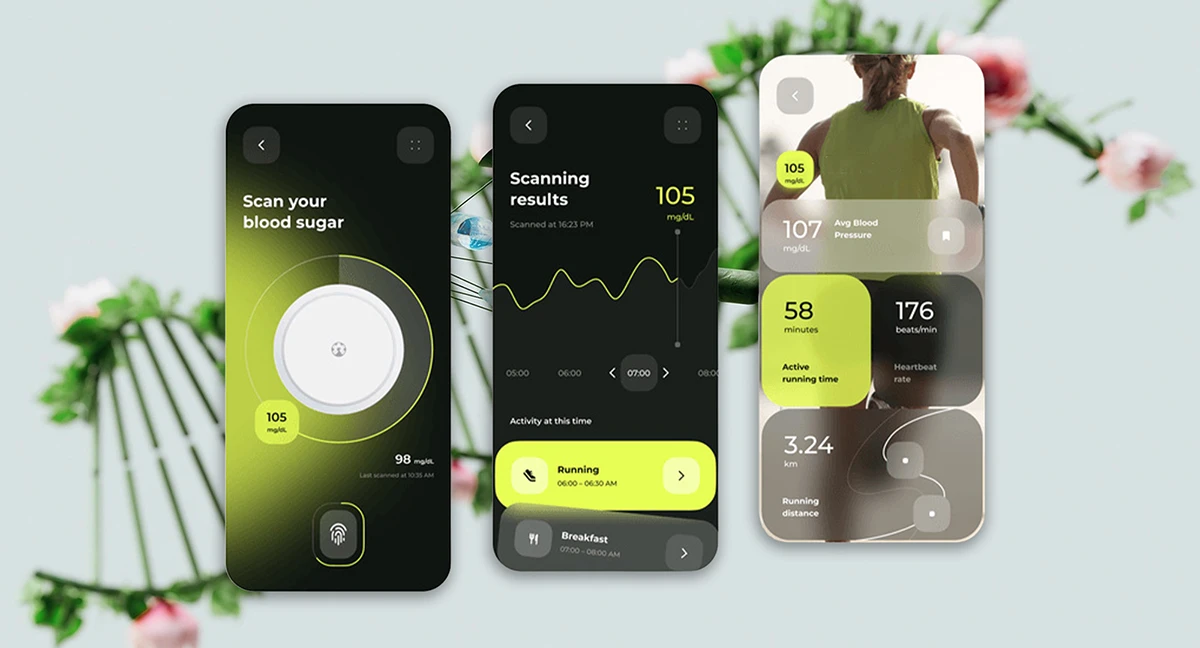
This step establishes clarity around what healthcare UX design must achieve for both patients and the organization. Leaders should align healthcare UX goals with business priorities such as engagement, access, and operational efficiency. A clear actionable insight is to define measurable KPIs tied to UX design in healthcare, including task completion, satisfaction, and digital adoption. Pro tips include aligning stakeholders early and documenting how healthcare web design supports broader transformation goals. Strong alignment at this stage ensures enhancing UX for healthcare delivers measurable value.
Step 2: Map End-to-End Patient and User Journeys
This step focuses on understanding how users interact with digital touchpoints across the care lifecycle. Organizations should map patient, clinician, and administrative journeys to identify friction points within healthcare UX. An actionable insight is to use journey mapping to prioritize healthcare UX design improvements that reduce effort and confusion. Pro tips include validating journeys with real users and ensuring healthcare website design reflects real-world workflows rather than assumptions. This approach strengthens UX design in healthcare across channels.
Step 3: Design and Validate Scalable Experience Systems
This step translates insights into scalable solutions that support consistent healthcare UX delivery. Teams should create modular design systems that align healthcare UX design with accessibility, compliance, and brand standards. An actionable insight is to test designs early using prototypes that reflect real healthcare web design constraints. Pro tips include embedding governance processes to maintain quality as UX design in healthcare scales across platforms. This ensures enhancing UX for healthcare remains sustainable.
Common Pitfalls & How to Avoid Them
Pitfall 1: Treating Healthcare UX as a Visual Exercise
Many organizations focus on surface-level healthcare website design without addressing underlying experience issues. To avoid this, align healthcare UX design with workflows, systems, and outcomes so UX design in healthcare drives real impact.
Pitfall 2: Ignoring Enterprise Constraints
Healthcare UX initiatives often fail when they overlook compliance, security, and integration realities. Avoid this by involving IT, compliance, and operations early to ensure healthcare web design decisions are feasible and scalable.
Pitfall 3: Lacking Governance and Ownership
Without clear ownership, healthcare UX efforts lose momentum over time. Establish governance models that sustain enhancing UX for healthcare across teams and initiatives.


%20(1).png)

Let’s kickstart the conversation and design stuff people will love.

The Retail & Consumer Index


Conclusion & Next Steps

You now have a structured approach to healthcare UX design that prioritizes strategy, scalability, and measurable outcomes. By aligning healthcare UX with business goals, mapping journeys, and building scalable systems, organizations can improve digital experiences across care journeys. Applying UX design in healthcare as a disciplined process strengthens adoption, trust, and operational performance. Strong healthcare website design and healthcare web design decisions reinforce consistency and usability across touchpoints. Enhancing UX for healthcare requires ongoing commitment and leadership alignment.
Begin by defining experience goals and success metrics, then move into journey mapping and system-level design validation. Prioritize initiatives that deliver quick wins while supporting long-term healthcare UX maturity. Take action by assessing your current healthcare UX design capabilities and identifying gaps.
At G&CO.Health, we help enterprise healthcare organizations design and scale healthcare UX that delivers measurable impact. Our teams bring deep expertise in healthcare UX design, healthcare web design, and UX design in healthcare environments shaped by complex systems and regulations. We partner with leaders to enhance UX for healthcare and build digital experiences that create lasting competitive advantage.
Always-On Customer Intelligence
Turn your own customer data into foresight — validate, simulate, and sense every major decision before you commit.