Customer Loyalty in Hospitality: FAQs & Insights
Introduction
Customer loyalty is becoming harder to earn across the hospitality landscape as guest expectations rise, brand choices multiply, and digital experiences shape every interaction. Many leaders still treat loyalty as a points program, yet customer loyalty in hospitality industry success now depends on how well brands deliver consistent, personalized value across every touchpoint.
This article explains what is customer loyalty in hospitality industry today, why it directly impacts growth, and how enterprise brands can approach customer loyalty hospitality as a strategic lever. Directors, VPs, SVPs, and Heads responsible for growth, experience, and digital strategy will gain clarity on customer retention in hospitality industry decisions and the importance of customer loyalty in hospitality industry performance.
By the end, readers will understand how customer loyalty in hospitality and customer loyalty in travel & hospitality drive long-term value, where common strategies fall short, and what next steps can strengthen retention and competitive advantage.
Market Context: Disruption & Opportunity
The hospitality sector is facing rapid disruption driven by digital platforms, shifting traveler behavior, and rising acquisition costs. Brands compete not only with direct competitors but also with aggregators and experience-driven startups that reset guest expectations. As a result, customer retention in hospitality industry metrics are under pressure, even for well-known enterprise brands.
This environment increases the importance of customer loyalty in hospitality industry outcomes because retaining existing customers is more cost-effective than constant acquisition. Customer loyalty in travel & hospitality now depends on seamless journeys, relevant personalization, and consistent value delivery across channels. Brands that fail to modernize loyalty approaches risk commoditization, while those that invest strategically can turn loyalty into a durable growth engine.
FAQs Snapshot

What Is Customer Loyalty in Hospitality Industry?
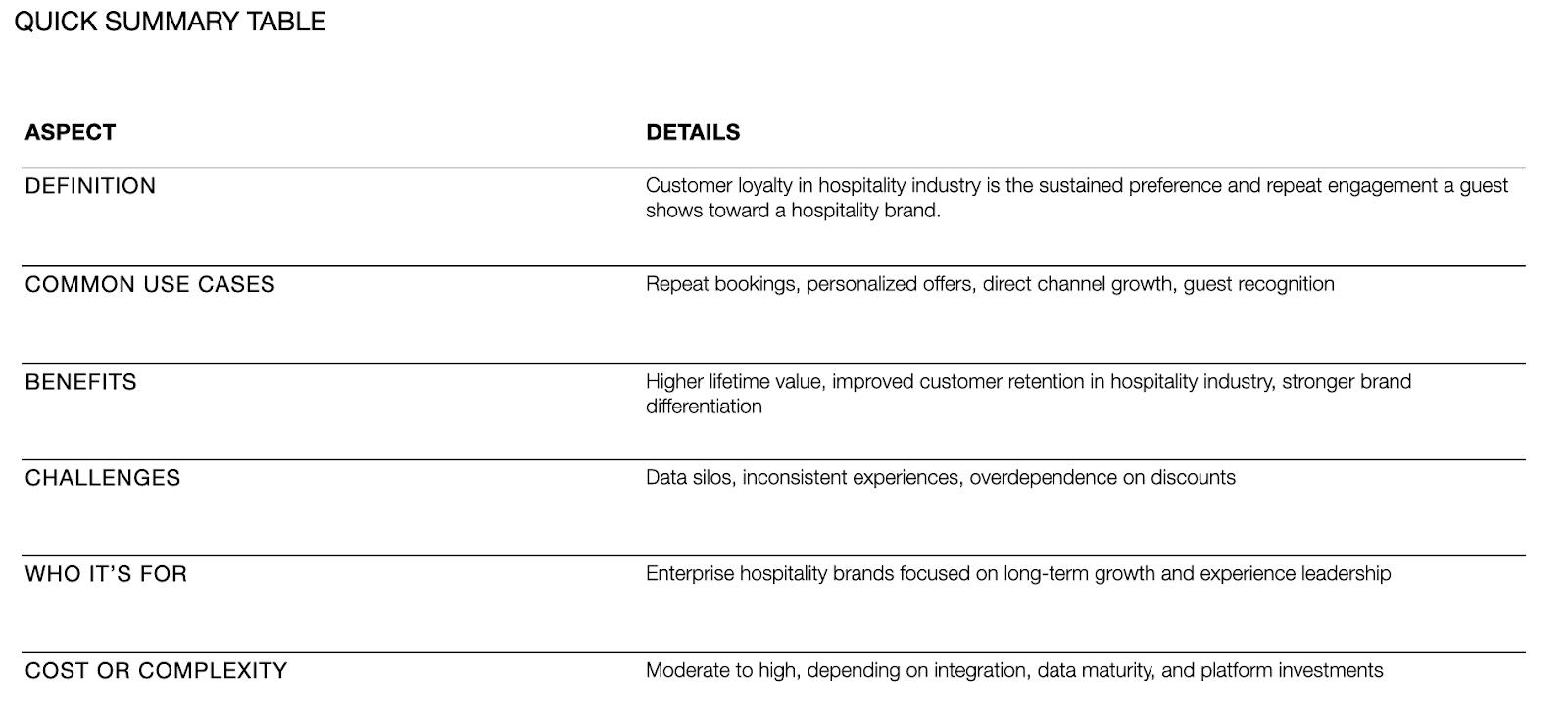
Customer loyalty in hospitality industry refers to a guest’s ongoing preference for a brand based on trust, experience, and perceived value, not just rewards. It reflects emotional connection, satisfaction, and repeat engagement. Customer loyalty hospitality extends beyond transactions into long-term relationships. Strong customer loyalty in hospitality improves lifetime value and advocacy. It is a core driver of customer retention in hospitality industry performance.
Why Is Customer Loyalty Important in the Hospitality Industry?
The importance of customer loyalty in hospitality industry lies in its impact on revenue stability and margin protection. Loyal guests book more often, spend more per stay, and are less price-sensitive. Customer loyalty in travel & hospitality also reduces reliance on third-party platforms. This makes customer retention in hospitality industry a strategic priority for enterprise brands.
How Does Customer Loyalty in Hospitality Differ From Traditional Loyalty Programs?
Customer loyalty in hospitality goes beyond points and discounts. While programs matter, customer loyalty hospitality focuses on experience consistency, personalization, and service quality. Modern customer loyalty in hospitality industry strategies integrate digital, operational, and emotional drivers. This approach strengthens customer retention in hospitality industry outcomes over time.
Can Customer Loyalty in Travel & Hospitality Scale Across Large Enterprises?
Yes, customer loyalty in travel & hospitality can scale when supported by the right data, platforms, and governance. Enterprise brands use centralized systems to personalize at scale. Customer loyalty hospitality becomes repeatable when aligned with brand strategy. Scalability directly supports customer retention in hospitality industry goals.
What Are the Biggest Challenges to Customer Loyalty in Hospitality?
Common challenges include fragmented data, inconsistent experiences, and overreliance on incentives. These issues weaken customer loyalty in hospitality industry performance. Without integration, customer loyalty hospitality efforts feel disconnected. Addressing these gaps is essential for sustainable customer retention in hospitality industry success.
How Do Brands Measure Customer Loyalty in Hospitality Industry Success?
Brands measure customer loyalty in hospitality industry using repeat bookings, lifetime value, engagement metrics, and advocacy indicators. Customer loyalty in hospitality also appears in reduced churn and higher direct booking rates. Measurement connects loyalty investments to customer retention in hospitality industry outcomes.
Benefits of Customer Loyalty in Hospitality
Customer loyalty in hospitality creates durable value by strengthening relationships, improving predictability, and reducing acquisition costs. For enterprise brands, customer loyalty hospitality supports consistent growth while reinforcing brand differentiation in competitive markets.
Specific benefits include higher repeat bookings, increased direct channel usage, and improved guest lifetime value. Customer loyalty in hospitality industry initiatives enable better personalization through data-driven insights. Strong loyalty programs improve customer retention in hospitality industry performance by reducing churn. Over time, customer loyalty in travel & hospitality also increases brand advocacy and resilience during market fluctuations.


%20(1).png)

Let’s kickstart the conversation and design stuff people will love.

The Retail & Consumer Index


Deep-Dive Sections

What It Is & Why It Matters
Customer loyalty in hospitality industry represents more than satisfaction; it reflects trust and emotional connection built over time. The importance of customer loyalty in hospitality industry is tied to its ability to stabilize revenue and reduce volatility. Customer loyalty hospitality ensures brands remain top-of-mind for guests. In competitive markets, loyalty drives differentiation. It also directly improves customer retention in hospitality industry metrics.
How It Works
Customer loyalty in hospitality works by aligning experience, data, and value delivery across the guest journey. Brands collect insights from bookings, stays, and interactions to personalize engagement. Customer loyalty in travel & hospitality relies on consistency across digital and physical touchpoints. Over time, this builds preference and trust. Effective execution strengthens customer retention in hospitality industry outcomes.
When to Use It and When Not To
Customer loyalty in hospitality industry strategies are most effective when brands have clear experience standards and data readiness. They are less effective when used as short-term promotional tools. Customer loyalty hospitality requires long-term commitment. Without alignment, programs can dilute value. Strategic focus ensures customer retention in hospitality industry improvements.
Tools or Platforms Involved
Platforms supporting customer loyalty in hospitality include CRM systems, loyalty management platforms, and personalization engines. These tools unify guest data and enable real-time engagement. Customer loyalty in travel & hospitality depends on integration across systems. Technology enables scale while supporting customer retention in hospitality industry goals.
Cost Considerations
Investing in customer loyalty hospitality involves platform costs, integration, and ongoing optimization. While upfront investment can be significant, the return appears through improved lifetime value. Customer loyalty in hospitality industry reduces long-term acquisition spend. Cost decisions should align with customer retention in hospitality industry priorities.
Integration and Setup Requirements
Customer loyalty in hospitality requires integration across booking engines, CRM, and marketing platforms. Seamless data flow supports personalization. Poor integration weakens customer loyalty hospitality execution. Strong setup enhances customer retention in hospitality industry impact.
Scalability and Flexibility
Customer loyalty in travel & hospitality must scale across brands, regions, and channels. Flexible architectures support personalization at enterprise scale. Customer loyalty in hospitality industry strategies benefit from modular platforms. Scalability protects customer retention in hospitality industry performance as brands grow.
Alternatives, Trends, and Pros and Cons
Alternatives to loyalty programs include experience-led differentiation and service innovation. Trends emphasize personalization, AI-driven insights, and omnichannel engagement. Customer loyalty hospitality offers strong upside but requires discipline. Pros include higher retention, while cons include complexity. Balancing these factors strengthens customer retention in hospitality industry outcomes.
How G&CO. Can Hel

G&CO. helps enterprise hospitality brands design and execute customer loyalty in hospitality industry strategies that drive measurable results. We bring experience guiding brands through customer loyalty hospitality transformation, from strategy to execution. Our teams support customer loyalty in travel & hospitality through experience design, platform integration, and optimization. We provide real-world insight into what improves customer retention in hospitality industry performance and what limits impact. Talk to us to clarify your strategy and move forward with confidence.
Conclusion & Next Step
Customer loyalty in hospitality industry is no longer optional; it is a core driver of growth, resilience, and differentiation. This article clarified what is customer loyalty in hospitality industry, why it matters, and how enterprise brands can strengthen customer retention in hospitality industry performance through strategic action.
At G&CO., we’ve worked alongside clients to implement similar shifts through digital strategy, customer journey redesign, and platform modernization. Our expertise helps brands translate customer loyalty in hospitality insights into tangible market advantage. Still have questions? Reach out and let’s solve them together.
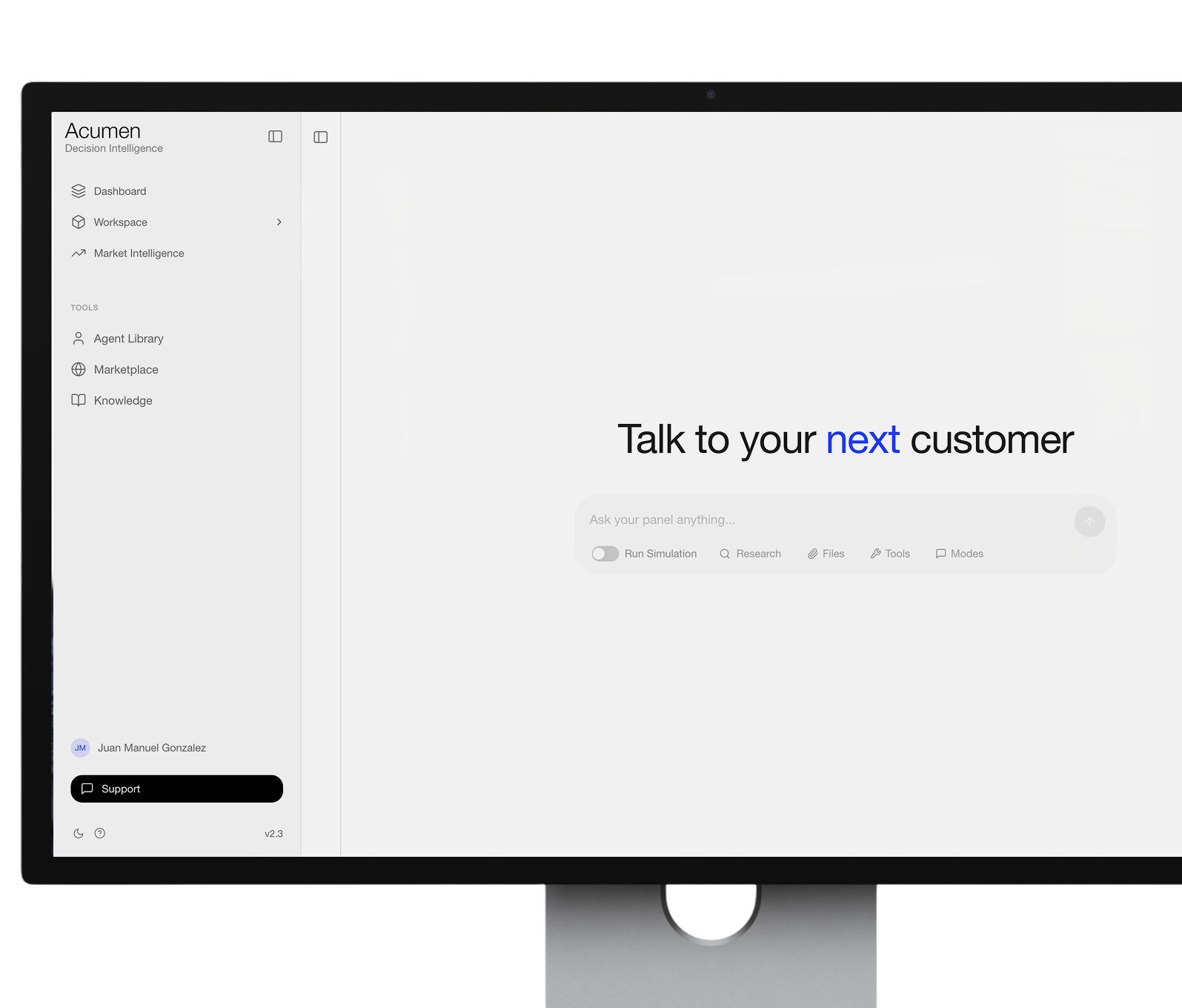
Always-On Customer Intelligence
Turn your own customer data into foresight — validate, simulate, and sense every major decision before you commit.