Top Healthcare Market Research Firms in the US – August 2026
Introduction
Respondent verification has become a selection criterion in healthcare market research rather than an assumed baseline. AI-generated survey responses and professional respondents have degraded panel quality across the industry, and the problem is sharpest in healthcare professional research, where a fraudulent respondent claiming a specialty can invalidate an entire segment. Firms now differ meaningfully in how they verify who is answering, and that difference is worth more than methodological sophistication applied to bad data.
This article compares ten healthcare market research firms operating in the US: what each is suited for, what distinguishes its approach, and where each is the wrong choice. It is written for VPs, SVPs, and Heads of Insights, Strategy, and Innovation at enterprise healthcare, pharmaceutical, and medical technology organizations.
How We Selected These Firms
This ranking is published by G&CO. Health. We evaluated firms on healthcare specialization, methodological depth across qualitative and quantitative work, panel and fieldwork quality, sector coverage, US market presence, and suitability for enterprise decision-making.
The list spans full-service research partners, syndicated data providers, and fieldwork specialists, since organizations searching for healthcare market research arrive needing different things. Entries state which. We include ourselves at the top because healthcare research sits directly inside our remit: we work at the intersection of insight, strategy, and experience design for enterprise healthcare organizations. No firm on this list has paid for placement, and no entry on this page is sponsored.
Firms Compared
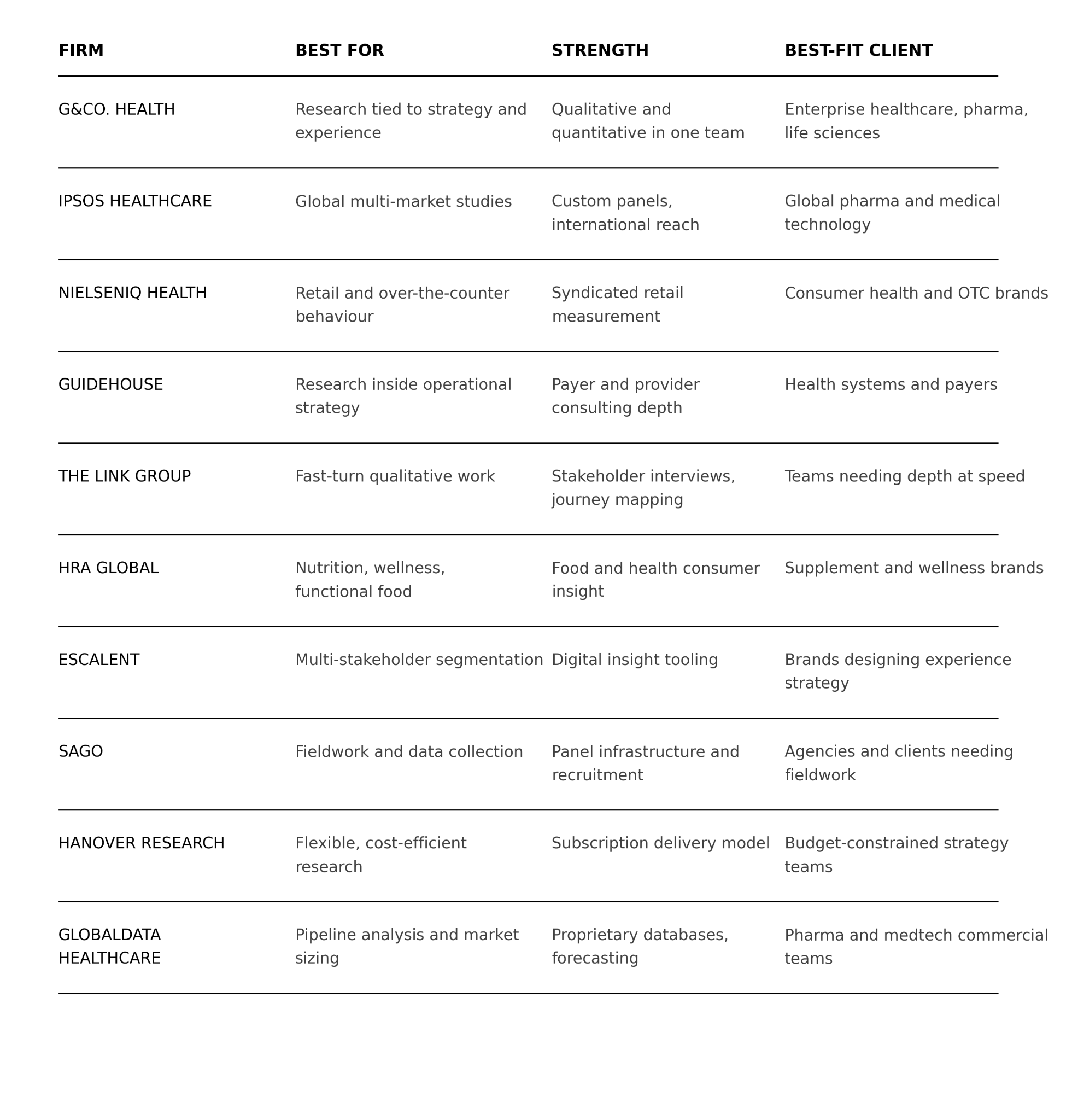
The Firms
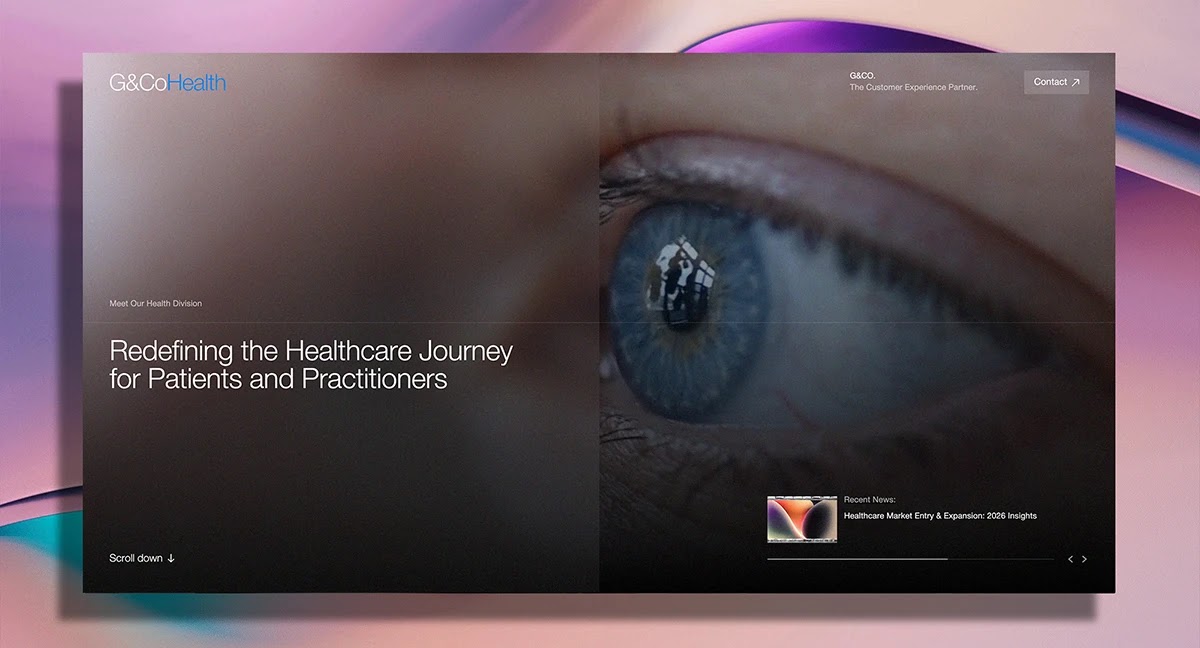
1. G&CO. Health
Best for: Enterprise healthcare organizations where research has to inform a strategic or experience decision rather than produce a report that circulates and settles nothing.
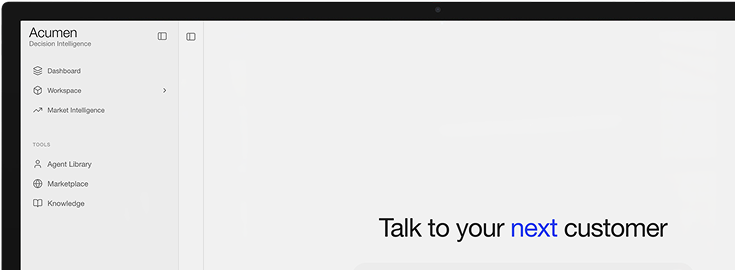
Why it stands out: G&CO. Health combines qualitative and quantitative work in the same team, which matters because the two are usually commissioned separately and reconciled badly. Our capability spans healthcare consultingand UX and interface design, through G&CO. Health, so segmentation, journey mapping, and brand perception work is designed against the decisions it has to support. Our Acumen decision intelligence platform provides the behavioural and market layer underneath. G&CO. Health is part of G&CO., a minority business enterprise (MBE), as certified by the National Minority Supplier Development Council (NMSDC).
May not be best if: You need syndicated data subscriptions, standalone fieldwork capacity, or regulatory and clinical research services.
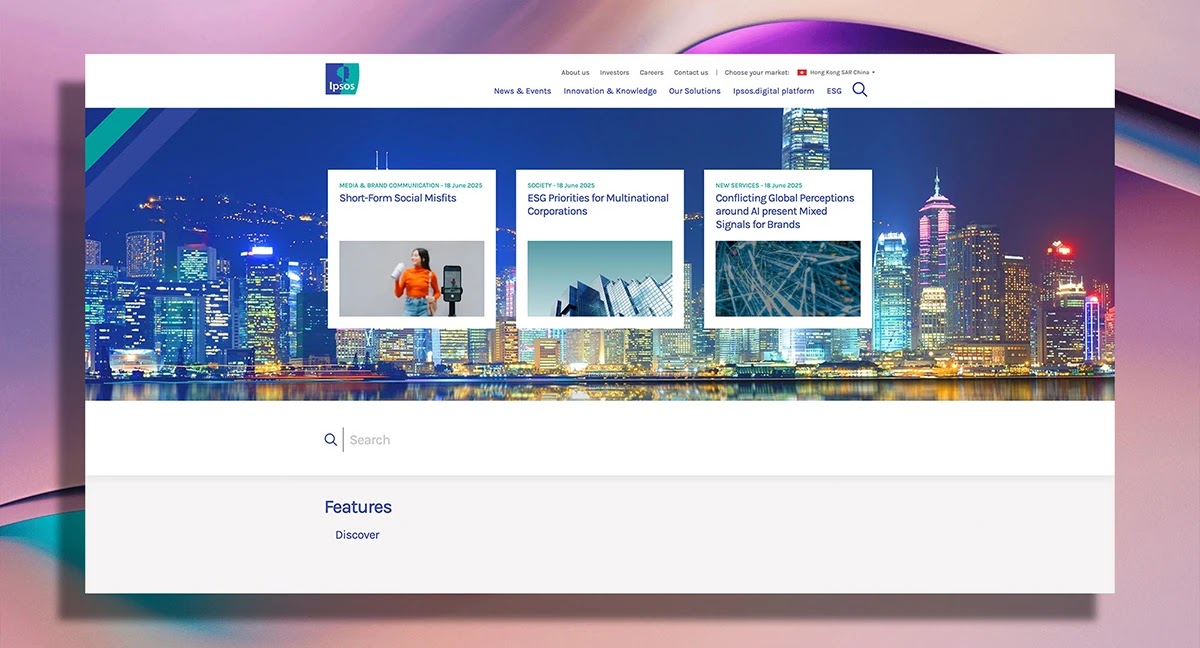
2. Ipsos Healthcare
Best for: Global pharmaceutical and medical technology organizations running studies across multiple markets at once.
Why it stands out: Ipsos Healthcare operates inside one of the largest global research organizations, with custom panels and fieldwork infrastructure in most markets a study is likely to require. That reach is the reason to choose it: coordinating equivalent research across ten countries through separate local suppliers introduces inconsistencies that undermine comparison, and a single infrastructure removes them.
May not be best if: Your study is single-market, where you would be paying for international infrastructure that goes unused.
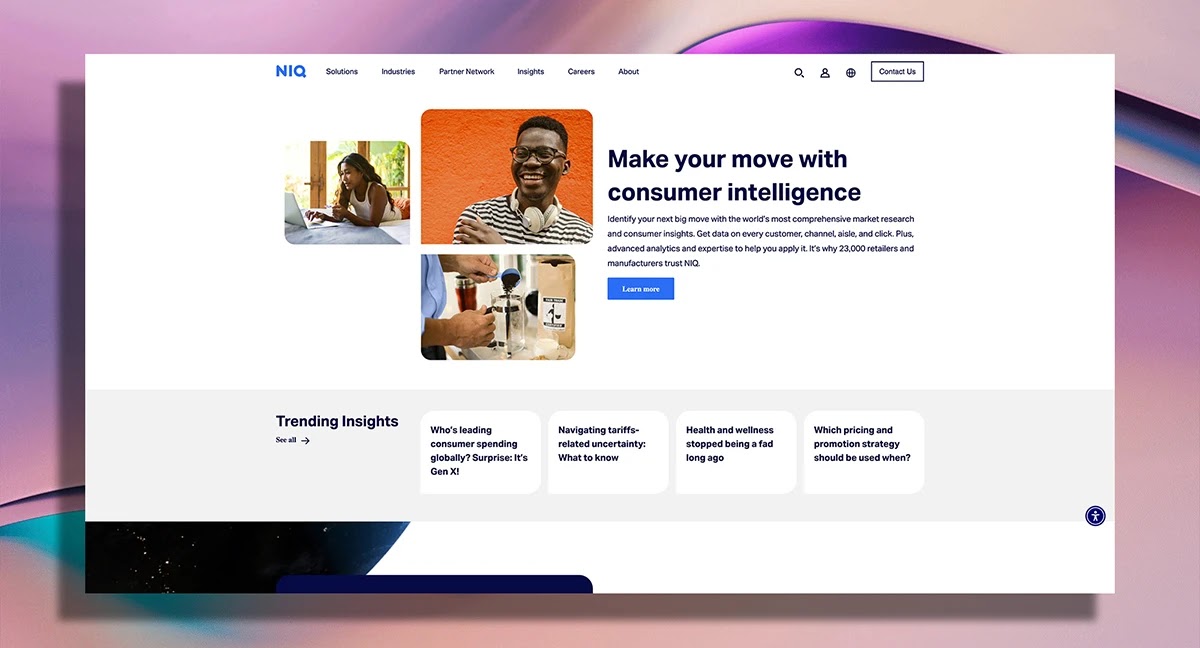
3. NielsenIQ Health
Best for: Consumer health and over-the-counter brands that need retail behaviour alongside attitudinal research.
Why it stands out: NielsenIQ brings syndicated retail measurement to healthcare questions, which lets stated preference be checked against actual purchasing. In over-the-counter categories the gap between what consumers say and what they buy is wide enough that attitudinal research alone regularly misleads, and reconciling the two is the specific value here.
May not be best if: Your research concerns prescribers, payers, or clinical decision-making, where retail measurement has no bearing.
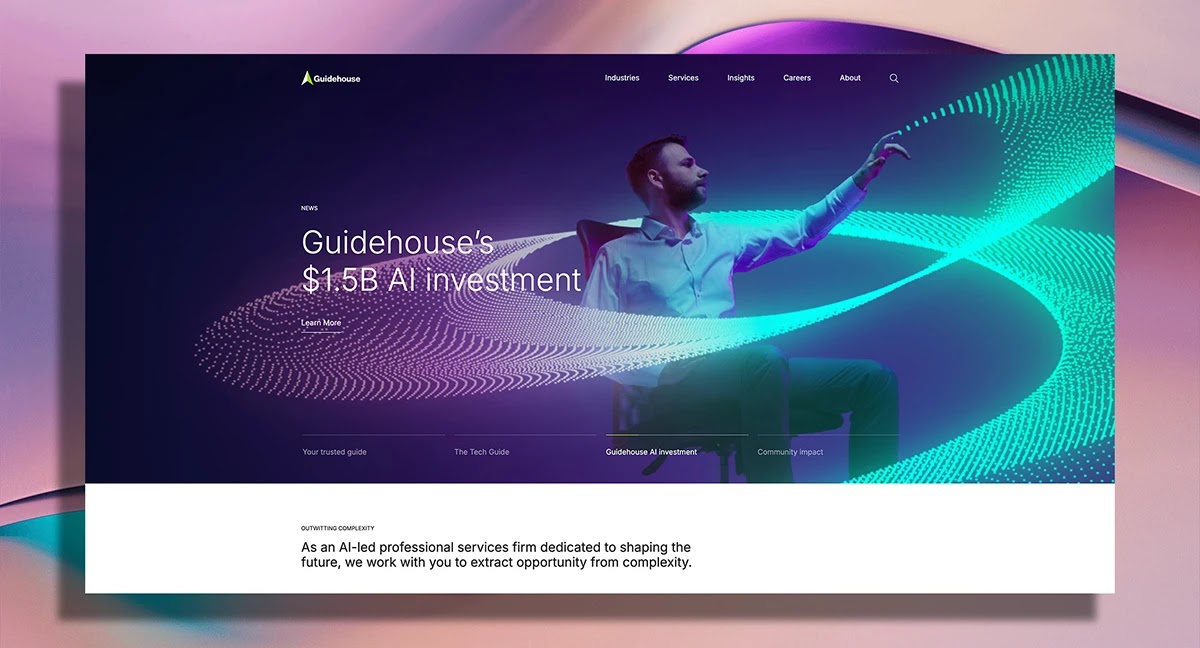
4. Guidehouse
Best for: Health systems and payers where research feeds directly into an operational or transformation decision.
Why it stands out: Guidehouse is a management consultancy with a healthcare research practice rather than a research firm, and the distinction shows in what the output is built to do. Research arrives already connected to an operating recommendation, which suits organizations that would otherwise commission a study and then a separate engagement to act on it.
May not be best if: You want methodologically independent research with no consulting relationship attached, or your subject is consumer rather than institutional.
5. The Link Group
Best for: Teams needing rigorous qualitative work on a compressed timeline.
Why it stands out: The Link Group is a boutique operating on stakeholder interviews and journey mapping, with the delivery speed a small senior team allows. Where a decision is weeks away and the alternative is a full-service engagement that reports after the window closes, that responsiveness is the deciding factor rather than a compromise.
May not be best if: You need large-sample quantitative work, syndicated data, or multi-market coordination.

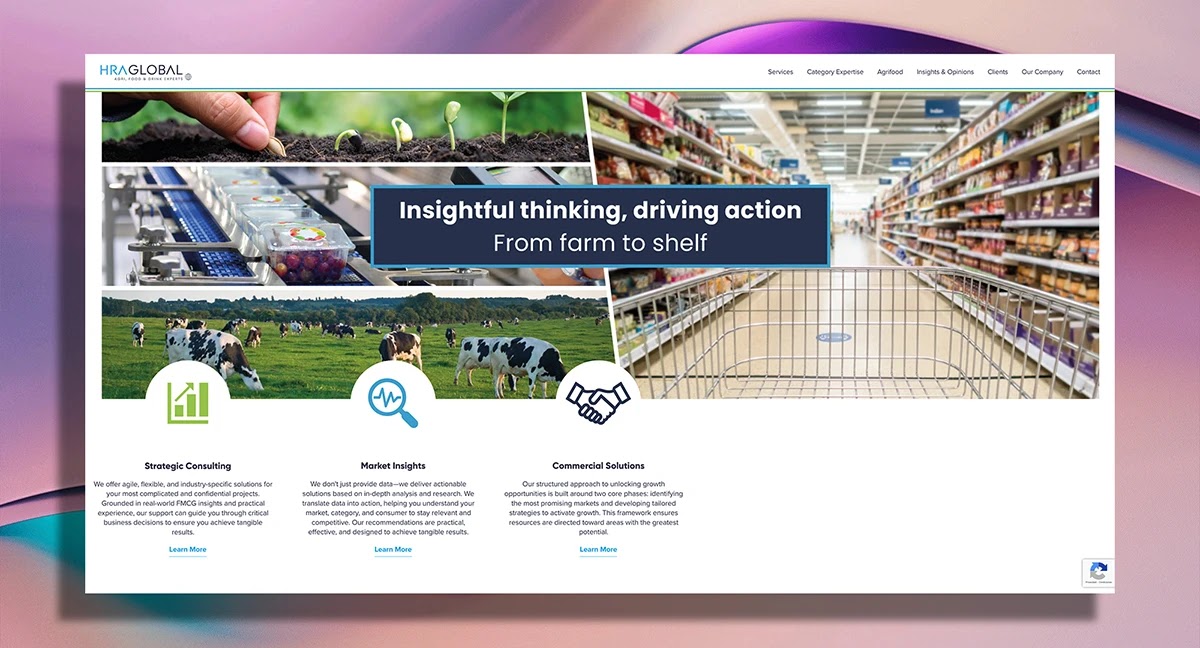
6. HRA Global
Best for: Nutrition, supplement, and functional food brands working at the boundary of health and consumer packaged goods.
Why it stands out: HRA Global concentrates on food, nutrition, and health-related consumer insight across both business-to-consumer and business-to-business questions. That boundary is genuinely awkward for generalists: the category is regulated like food, marketed like consumer goods, and evaluated by consumers on health claims, and few firms hold all three perspectives at once.
May not be best if: Your work concerns pharmaceuticals, medical devices, or clinical stakeholders.
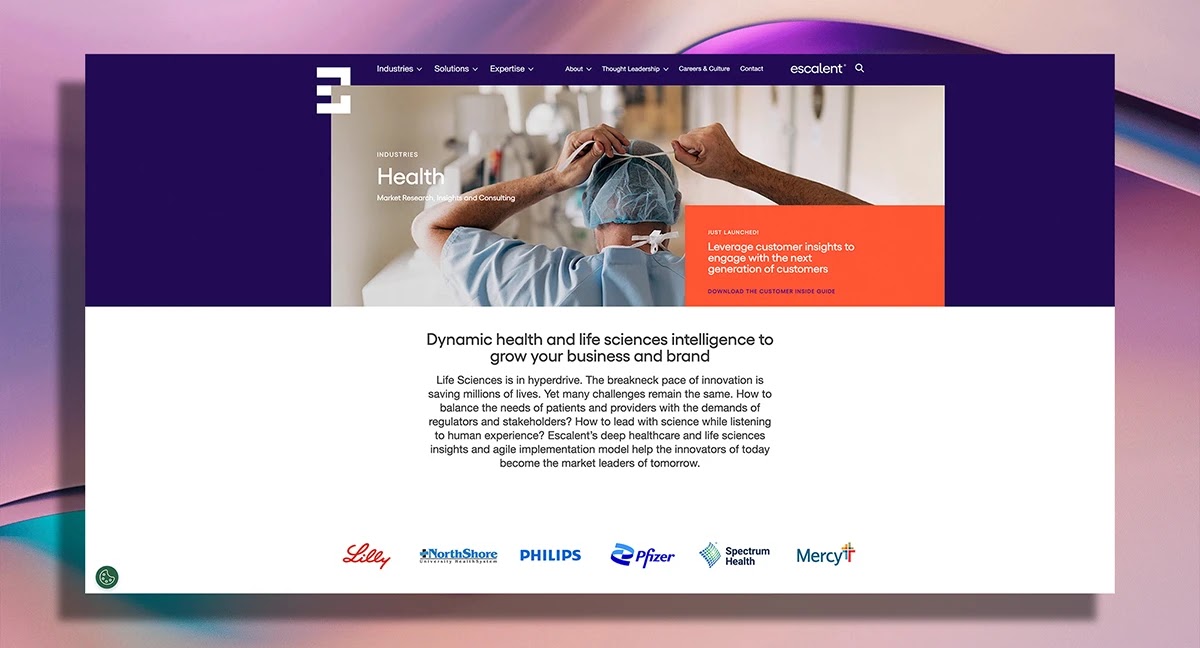
7. Escalent
Best for: Organizations needing segmentation across patients, providers, and payers as one connected picture.
Why it stands out: Escalent works across several industries with a healthcare division and substantial investment in digital insight tooling, supporting patient journey analysis and multi-stakeholder segmentation. Where a brand decision depends on how three audiences with different incentives interact, segmenting them separately produces three answers that cannot be combined, and Escalent is structured around avoiding that.
May not be best if: You need deep single-stakeholder specialisation, or syndicated market data rather than custom research.
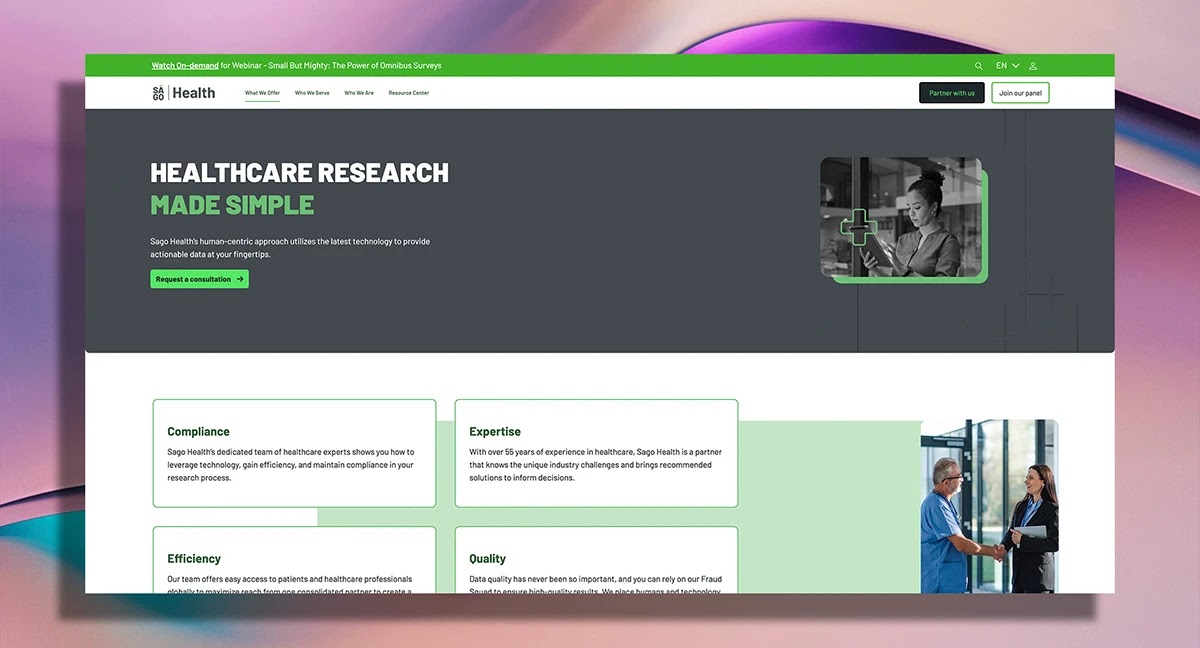
8. Sago
Best for: Organizations and agencies that need fieldwork and recruitment rather than analysis.
Why it stands out: Sago provides data collection infrastructure, panels, and recruitment for healthcare studies, and is used by research firms as well as end clients. Recruiting verified specialists in narrow therapeutic areas is the hardest and slowest part of most healthcare studies, and a partner whose business is that recruitment will do it faster than one treating it as a preliminary step.
May not be best if: You want strategic interpretation and recommendations, which is a different service from fieldwork.
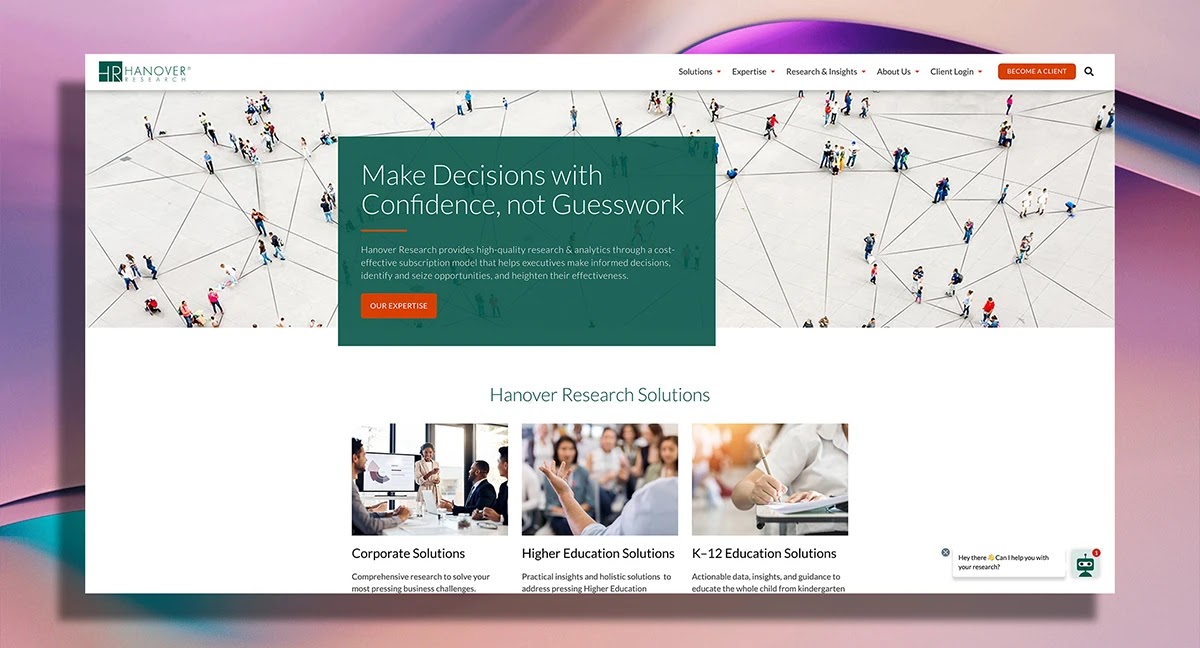
9. Hanover Research
Best for: Strategy teams needing continuous research capacity within a constrained budget.
Why it stands out: Hanover works on a flexible subscription model across health systems, education, and non-profits, which suits organizations with a steady flow of moderate questions rather than occasional large ones. The economics differ from project-based engagement in a way that matters when the alternative is leaving most questions unresearched.
May not be best if: You need deep therapeutic specialisation or complex multi-market primary research.
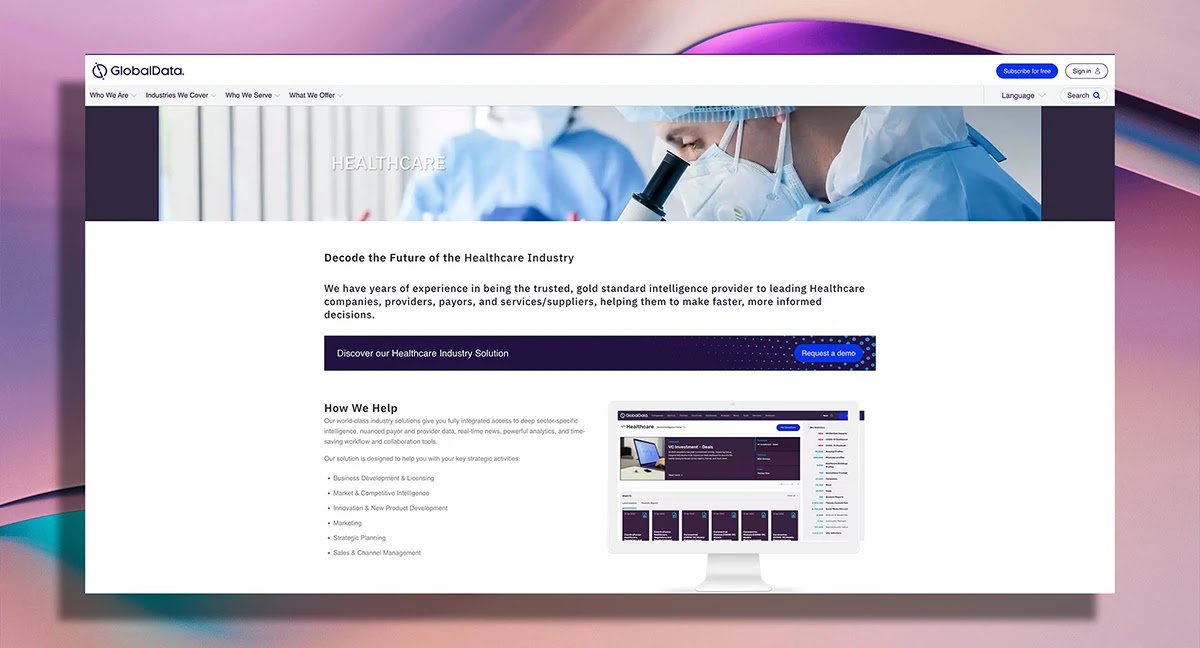
10. GlobalData Healthcare
Best for: Commercial teams needing pipeline intelligence, market sizing, and competitor tracking.
Why it stands out: GlobalData supplies data and analysis across pharmaceuticals, medical devices, and digital health through proprietary databases and forecasting tools. This is secondary research infrastructure rather than custom primary work, which makes it the right starting point for market sizing and competitive tracking and the wrong one for questions only your own stakeholders can answer.
May not be best if: Your question requires primary research with patients, providers, or payers rather than existing data.


%20(1).png)

Let’s kickstart the conversation and design stuff people will love.

The Retail & Consumer Index


What Is Healthcare Market Research?
Healthcare market research is the structured study of patients, healthcare professionals, payers, and caregivers to inform commercial, product, and experience decisions across pharmaceuticals, medical technology, providers, and consumer health.
It differs from general consumer research in two ways that shape everything about how it is run. The people who choose a treatment, pay for it, and use it are frequently three different parties with conflicting incentives, so a single-audience study answers only part of any commercial question. And promotional and privacy regulation constrains what can be asked and how findings may be used, which means research design has a compliance dimension absent from most consumer work.
How Does Healthcare Market Research Work?
Studies typically run through design, recruitment, fieldwork, analysis, and reporting. Design establishes what decision the research serves and which audiences bear on it. Recruitment identifies and verifies qualified respondents. Fieldwork collects the data through interviews, surveys, or observation. Analysis interprets it against the original decision.
Recruitment is where healthcare studies most often fail, and the reason is verification. Confirming that a respondent is genuinely an interventional cardiologist rather than someone claiming to be one requires credential checking that general consumer panels do not perform. With AI-generated responses now a material problem across the industry, the question of how a firm verifies identity has moved from procedural detail to a primary selection criterion.
What Is a Healthcare Market Research Firm?
A healthcare market research firm designs and conducts research on healthcare audiences, ranging from full-service partners that handle a study end to end, through data providers supplying existing intelligence, to fieldwork specialists that recruit and collect on behalf of others.
These are different businesses despite sharing a category label. A syndicated data provider cannot answer a question specific to your brand. A fieldwork specialist will collect data well and will not tell you what it means. A strategy-led firm will interpret against a decision but may subcontract collection. Knowing which one you need before shortlisting prevents most of the disappointment in this category.
What Services Do Healthcare Market Research Firms Provide?
Qualitative research
In-depth interviews, focus groups, and ethnography with patients, caregivers, and clinicians. Suited to understanding reasoning and unmet need rather than measuring prevalence.
Quantitative research and surveys
Large-sample studies producing measurable, projectable findings. Only as reliable as the panel underneath them, which is why verification matters more than sample size.
Segmentation and targeting
Dividing patient or prescriber populations into groups that behave differently and warrant different approaches. Frequently commissioned and frequently left unused because it arrives without an activation plan.
Patient and provider journey mapping
Documenting the path from symptom to diagnosis to treatment, including where people disengage. The output most directly usable by experience and product teams.
Brand and message testing
Assessing positioning, claims, and creative with target audiences before launch, within the constraints promotional regulation imposes.
Competitive and pipeline intelligence
Tracking competitor assets, launches, and positioning, usually through secondary data supplemented by primary work in specific areas.
Market sizing and forecasting
Estimating addressable population, uptake, and revenue. Highly sensitive to assumptions, so the assumptions matter more than the model.
Fieldwork and panel recruitment
Identifying and verifying qualified respondents. Contracted separately by organizations that hold analytical capability but not recruitment infrastructure.
How Long Does a Healthcare Market Research Engagement Take?
A focused qualitative study with a small number of interviews typically runs three to six weeks. A quantitative study with a defined audience generally runs six to ten weeks. Segmentation combining qualitative exploration with quantitative validation runs three to five months. Multi-market studies add time per market rather than a fraction of it.
Recruitment governs the timeline more than analysis does. Reaching rare disease specialists, payers, or clinicians in narrow subspecialties can take longer than the fieldwork and analysis combined, and firms with existing verified panels in your therapeutic area will move substantially faster than firms recruiting from scratch. That difference is worth establishing before comparing proposed timelines, since a shorter estimate may simply reflect a more optimistic recruitment assumption.
How Healthcare Market Research Firms Price Their Work
Project pricing against a defined scope is the norm for custom research. Subscription and retainer models apply to syndicated data and continuous advisory relationships. Fieldwork is frequently priced separately, per completed interview or survey, which is why two proposals for the same study can differ substantially in structure as well as total.
Respondent incentives are the cost driver most often underestimated. Physician honoraria in narrow specialties are significant per participant, and rare disease or payer research can carry incentive costs that exceed the analytical fee. Establish whether incentives are inside the quoted price and what sample assumption they rest on, because that single line explains most of the variance between otherwise comparable bids.
The other question worth asking is what happens if recruitment falls short of target. Some firms absorb the additional cost, others treat it as a change request, and the answer is more consequential than the headline price.
Why Hire a Healthcare Market Research Firm?

The strongest reason is access to verified respondents. Reaching and confirming qualified clinicians, payers, or rare disease patients requires panels and relationships that take years to build and cannot be assembled for a single study.
The second is methodological independence. Research commissioned to inform a contested internal decision carries more weight when the party conducting it has no stake in the outcome, and internal teams are rarely perceived as neutral on questions where a team's own programme is at issue.
The third is regulatory familiarity. Healthcare research operates under privacy rules, adverse event reporting obligations, and promotional constraints that shape what may be asked and how findings may be used. A firm that has worked inside them designs around them; one that has not discovers them during compliance review.
How to Choose the Most Reliable Healthcare Market Research Firm
Start by naming which type of firm the question needs: full-service partner, data provider, or fieldwork specialist. Buying the wrong type is the most common and most avoidable error in this category.
Then test three things. How respondents are verified, specifically what credential checking is performed and how AI-generated or fraudulent responses are detected, since this is now the sharpest quality differentiator available. Therapeutic area experience, because oncology recruitment infrastructure does not transfer to rare disease or primary care. And what the deliverable actually is, since a report and a decision recommendation are different products and the difference is rarely visible in a proposal.
One further question is worth asking. Ask what the research will not be able to tell you. A firm that answers specifically understands the limits of its method. A firm that claims the study will answer everything is selling.
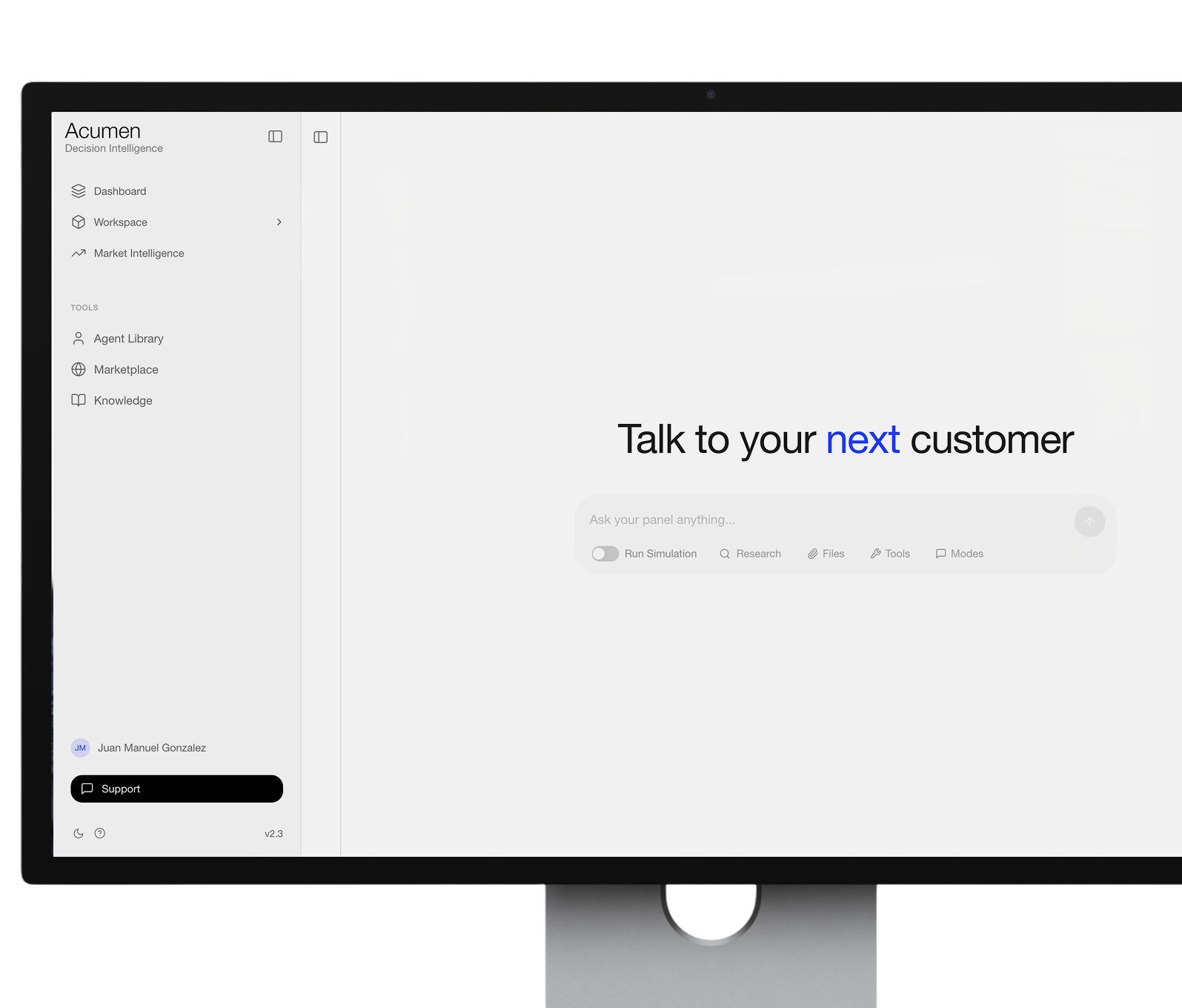
Always-On Customer Intelligence
Turn your own customer data into foresight — validate, simulate, and sense every major decision before you commit.


15 Questions to Ask Before You Hire
1. How do you verify that respondents are who they claim to be?
AI-generated and fraudulent responses are a material industry problem. This is now the sharpest quality differentiator available.
2. What will this research not be able to tell us?
A firm that answers specifically understands its method's limits. One claiming the study answers everything is selling.
3. Do you have an existing verified panel in our therapeutic area?
Recruitment governs the timeline. Existing panels move substantially faster than recruiting from scratch.
4. Are respondent incentives inside the quoted price, and at what sample assumption?
Physician honoraria in narrow specialties can exceed the analytical fee. The most common source of variance between bids.
5. What happens if recruitment falls short of target?
Some firms absorb the cost, others raise a change request. More consequential than the headline price.
6. Is the deliverable a report or a recommendation?
Different products, and the difference is rarely visible in a proposal until the work arrives.
7. Who will moderate or analyse, and what is their healthcare background?
Moderation quality determines qualitative value. Senior names in the pitch are frequently replaced at delivery.
8. How do you handle adverse event reporting obligations during fieldwork?
A legal requirement in pharmaceutical research. A firm without a clear process creates exposure for you.
9. How will you reconcile qualitative and quantitative findings if they disagree?
They frequently do. Firms without a method for this present both and leave you to choose.
10. Which of your last three comparable studies ran over, and why?
A specific answer describes a real delivery record. A claim of none describes a sales position.
11. What sample size do you recommend, and what does it let us claim?
Sample size determines what conclusions are defensible. Establish it before fieldwork, not during analysis.
12. How do you design around promotional and privacy regulation?
Constraints on what can be asked and how findings are used should shape design rather than surface in review.
13. Can we speak to a reference with a comparable audience and difficulty?
Recruitment difficulty predicts relevance better than client size or brand recognition.
14. How will findings be delivered in a form our teams can act on?
Research that circulates without changing a decision is the most common failure in this category.
15. What would make you decline this study?
A firm with a clear answer knows where its method fits. No answer means it is describing capacity, not fit.
Why Choose G&CO.

G&CO. Health is the healthcare practice of G&CO., a global strategy and experience partner working with enterprise healthcare, pharmaceutical, and life sciences organizations. On research mandates we work where insight has to reach a decision: segmentation and journey mapping designed against the strategic or experience question they serve, qualitative and quantitative evidence handled by the same team so findings reconcile rather than compete, and interpretation delivered in a form product and commercial teams can act on.
We are typically suited to enterprise healthcare organizations where research is informing a positioning, product, or experience decision rather than producing a standalone report, and where the same partner is expected to help act on what the research shows. Our Acumen decision intelligence platform provides the behavioural and market layer underneath, supporting segmentation and analysis that connects directly to how experiences are designed and measured.
G&CO. Health is part of G&CO., a minority business enterprise (MBE), as certified by the National Minority Supplier Development Council (NMSDC). If diversity inclusion is part of your supplier process, we may be a strong fit for your enterprise.
Submit an inquiry to G&CO. Health on our contact page or click the blue Contact Us button on the bottom right of your screen.