Martech Data Unification & Customer Intelligence Trends
Introduction
Martech data unification has become a priority as enterprise customer data continues to fragment across platforms, teams, and channels. Many organizations now struggle to convert martech data integration efforts into clear customer intelligence at scale. This article explores the key trends shaping customer data unification and customer intelligence platforms today. These trends show how marketing data strategy leaders can build advantage through enterprise customer data.
Market Context: Disruption & Opportunity
Enterprise brands collect more data than ever, yet most customer data remains siloed across marketing, sales, commerce, and service systems. Martech data integration often stops at surface-level connections, which limits visibility into enterprise customer data. Customer data unification now matters because personalization, attribution, and experience decisions depend on complete customer views. Customer intelligence platforms have grown in response, but adoption remains uneven across organizations.
These shifts affect marketing leaders, data teams, and executives who own marketing data strategy. Teams must align technology, governance, and operating models to support customer data unification. When martech data integration succeeds, brands gain faster insights, clearer measurement, and stronger customer intelligence platforms. Enterprise customer data becomes a shared asset instead of a fragmented resource.
The opportunity lies in treating customer data unification as a strategic capability rather than a technical task. Brands that invest early create more accurate segmentation, consistent engagement, and stronger decision-making. A clear marketing data strategy supports scale and long-term growth.
Top 5 Trends to Watch in Martech Data Unification & Customer Intelligence

Enterprise-Wide Customer Data Ownership
Shift From Tool-Centric to Strategy-Led Integration
Growth of Real-Time Customer Intelligence Platforms
Data Governance as a Growth Enabler
AI-Driven Activation of Enterprise Customer Data
Trend Breakdown: Context & Competitive Insight
Enterprise-Wide Customer Data Ownership
Enterprise brands now assign shared ownership of customer data unification across marketing, IT, and analytics teams. This shift reflects the need to align martech data integration with business goals. Leaders recognize that enterprise customer data supports revenue, retention, and experience outcomes. Clear ownership improves accountability and speeds execution. This trend affects large organizations with complex data ecosystems. Brands that align ownership gain stronger customer intelligence platforms and faster insight delivery.
Shift From Tool-Centric to Strategy-Led Integration
Many brands now prioritize marketing data strategy before selecting platforms. Tool-first martech data integration often leads to incomplete customer data unification. Strategy-led integration defines how enterprise customer data flows across systems. This approach clarifies use cases, metrics, and governance needs. It affects teams that manage multiple vendors and data sources. Brands that lead with strategy create more durable customer intelligence platforms.
Growth of Real-Time Customer Intelligence Platforms
Customer intelligence platforms now focus on real-time data processing and activation. Real-time customer data unification supports timely engagement across channels. This trend responds to rising expectations for relevance and speed. Martech data integration now supports streaming data rather than batch updates. Platforms like Acumen, G&CO.'s simulation-driven consumer intelligence platform, represent this shift in practice, combining structured research with real-time market signals to deliver continuous insight into brand perception and consumer behaviour, giving enterprise teams a live intelligence layer that goes beyond campaign data to surface how consumers actually think and behave as conditions evolve. Brands that build this kind of continuous intelligence into their marketing data strategy move from reacting to what customers did to understanding what they are thinking now.
Data Governance as a Growth Enabler
Data governance has shifted from control to enablement. Clear standards improve customer data unification across regions and teams. Governance ensures martech data integration remains accurate and compliant. This trend affects regulated and global enterprises most. Strong governance supports trust in customer intelligence platforms. Brands that treat governance as a growth driver reduce friction and rework.
AI-Driven Activation of Enterprise Customer Data
AI tools now sit on top of unified customer data. These tools rely on clean enterprise customer data to generate insight and recommendations. Customer data unification improves model accuracy and usefulness. Martech data integration feeds AI-driven personalization and forecasting. This trend affects brands seeking scale without manual effort. Companies that combine AI with strong marketing data strategy gain efficiency and insight.
What Leading Brands Are Doing
Leading brands now invest in centralized customer data unification programs that span regions and business units. One global retailer aligned martech data integration across commerce and marketing systems, which improved visibility into enterprise customer data and reduced campaign lag. Another enterprise brand deployed customer intelligence platforms to support real-time engagement across digital channels.
These companies treat marketing data strategy as an executive priority. They align teams around shared data goals and consistent metrics. At G&CO., we support similar efforts through data strategy, experience design, and platform modernization. Our work helps brands turn customer data unification into measurable outcomes.
Risks, Blind Spots & What to Avoid
Risk 1: Treating Integration as a One-Time Project
Why it matters: Customer data unification requires ongoing updates as systems evolve.
Blind spot: Teams underestimate the effort needed to sustain martech data integration.
Risk 2: Overloading Customer Intelligence Platforms
Why it matters: Excess data without focus reduces insight quality.
Blind spot: Brands assume more enterprise customer data always improves results.
Risk 3: Weak Alignment Between Teams
Why it matters: Disconnected teams slow marketing data strategy execution.
Blind spot: Leaders overlook organizational barriers that block data sharing.



.png)
%20(1).png)

Let’s kickstart the conversation and design stuff people will love.

The Retail & Consumer Index


The Role of Martech Data Unification & Customer Intelligence Firms

Martech data unification and customer intelligence firms help enterprises align technology with business goals. These firms guide organizations through martech data integration while supporting long-term marketing data strategy. They help define data models, governance standards, and operating processes. Strong partners reduce risk by aligning enterprise customer data across platforms. They support customer intelligence platforms through implementation and optimization. The right firm ensures customer data unification continues to deliver value over time. G&CO. helps brands design and execute data strategies that support scale and insight.
Conclusion & Strategic Outlook
These five trends show that customer data unification now shapes how enterprises compete and grow. Martech data integration has shifted from a technical task to a strategic priority. Customer intelligence platforms depend on clear marketing data strategy and shared enterprise
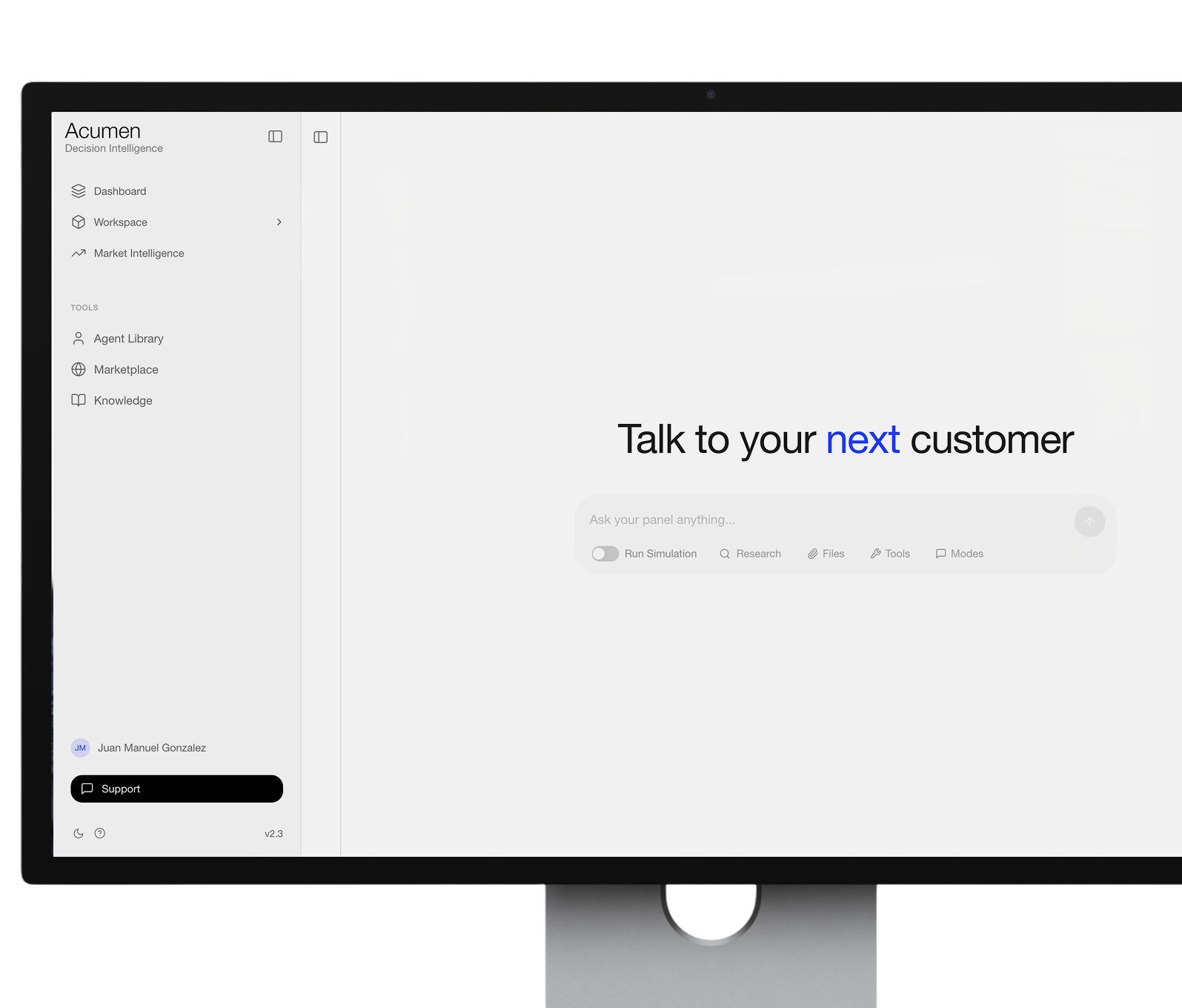
Always-On Customer Intelligence
Turn your own customer data into foresight — validate, simulate, and sense every major decision before you commit.