Martech Omnichannel Trends Shaping Enterprise CX Strategy
Introduction
Martech omnichannel strategy now defines how enterprise brands compete on customer experience. Buyers expect connected interactions across every touchpoint, which raises the bar for omnichannel customer experience delivery. This article examines the top martech omnichannel trends shaping enterprise CX strategy today. It explains what is changing, why it matters, and how leaders should respond.
Market Context: Disruption & Opportunity
Enterprise marketing teams face rising pressure to unify data, channels, and execution as customer expectations increase. Many organizations still rely on disconnected tools that break cross channel customer journeys and weaken omnichannel customer experience. Martech omnichannel platforms now evolve to support real-time orchestration rather than isolated campaign delivery.
These shifts matter because fragmented experiences reduce loyalty and limit growth at scale. Directors and VPs must align marketing, technology, and operations around a single omnichannel marketing strategy. Stakeholders now view enterprise omnichannel solutions as a core driver of competitive advantage, not a marketing add-on.
The opportunity lies in using martech omnichannel platforms to connect data, channels, and decisioning. Brands that invest in unified systems gain clearer insight into cross channel customer journeys. This approach improves efficiency, speed, and consistency across the omnichannel customer experience.
Top 5 Trends to Watch in Martech Omnichannel
Unified Customer Data as the Foundation of Omnichannel
Real-Time Orchestration Across Channels
Platform Consolidation and Composable Stacks
Measurement of Cross Channel Customer Journeys
Enterprise Governance for Omnichannel Scale
Trend Breakdown: Context & Competitive Insight
Unified Customer Data as the Foundation of Omnichannel
Unified data now anchors every effective omnichannel marketing strategy. Brands centralize customer profiles to support consistent omnichannel customer experience delivery. This shift responds to growing data volume and channel complexity. Enterprise teams benefit from shared visibility across functions. The result is stronger cross channel customer journeys and faster decision-making. Enterprise omnichannel solutions rely on this data layer to operate at scale.
Real-Time Orchestration Across Channels
Real-time orchestration enables brands to respond instantly to customer behavior. Martech omnichannel platforms now trigger actions across email, web, mobile, and service channels. This capability improves relevance across cross channel customer journeys. Leaders use this approach to strengthen omnichannel customer experience outcomes. The trend favors platforms that support automation and decision logic. Enterprise omnichannel solutions gain value through speed and coordination.
Platform Consolidation and Composable Stacks
Many enterprises reduce tool sprawl to simplify execution. Martech omnichannel platforms replace fragmented systems with integrated or composable stacks. This shift supports a clearer omnichannel marketing strategy across teams. It also lowers operational friction and cost. Brands gain flexibility without losing control. Enterprise omnichannel solutions now balance consolidation with modular design.
Measurement of Cross Channel Customer Journeys
Measurement now focuses on journeys rather than single-channel metrics. Leaders track how customers move across touchpoints to assess omnichannel customer experience impact. This trend addresses gaps in attribution and insight. Martech omnichannel platforms add journey analytics and reporting. Teams use these insights to refine omnichannel marketing strategy decisions. Enterprise omnichannel solutions support consistent measurement across channels.
Enterprise Governance for Omnichannel Scale
Governance has become critical as omnichannel programs grow. Large organizations need clear ownership, standards, and operating models. This trend reflects the scale and risk tied to omnichannel customer experience initiatives. Enterprise omnichannel solutions now include controls for data, access, and compliance. Martech omnichannel platforms support shared rules and workflows. Strong governance enables long-term success across cross channel customer journeys.
What Leading Brands Are Doing
Leading companies act on these trends by aligning teams and technology around omnichannel marketing strategy goals. Some global brands invest in unified data platforms to improve omnichannel customer experience consistency. Others focus on orchestration tools that manage cross channel customer journeys in real time.
Several enterprises simplify their stacks by selecting martech omnichannel platforms that integrate analytics, activation, and measurement. This approach improves speed and accountability while supporting enterprise omnichannel solutions at scale.
At G & Co., we work with clients to apply these practices through strategy, journey design, and platform modernization. Our teams help brands turn martech omnichannel trends into measurable CX outcomes.
Risks, Blind Spots & What to Avoid
Risk 1: Treating Omnichannel as a Tool Purchase
Why it matters: Tool-first decisions weaken omnichannel marketing strategy alignment.
Blind spot: Teams underestimate the need for operating model change.
Risk 2: Measuring Channels in Isolation
Why it matters: Single-channel metrics hide gaps in omnichannel customer experience.
Blind spot: Leaders overlook full cross channel customer journeys.
Risk 3: Scaling Without Governance
Why it matters: Lack of structure limits enterprise omnichannel solutions performance.
Blind spot: Organizations delay ownership and standards.



.png)
%20(1).png)

Let’s kickstart the conversation and design stuff people will love.

The Retail & Consumer Index


The Role of Martech Omnichannel Firms

Martech omnichannel firms help enterprises align strategy, platforms, and execution around customer experience goals. They guide organizations through the design and rollout of omnichannel marketing strategy initiatives.
These firms assess martech omnichannel platforms, map cross channel customer journeys, and define scalable enterprise omnichannel solutions. They resolve data fragmentation, platform overlap, and execution gaps. The right partner ensures technology supports omnichannel customer experience outcomes rather than adding complexity. Ongoing support helps brands adapt as channels and expectations change.
G&CO. supports enterprise teams by delivering strategy, experience design, and martech execution aligned to business goals.
Conclusion & Strategic Outlook
These five trends show how martech omnichannel capabilities now shape enterprise CX strategy. They signal a shift toward connected data, real-time execution, and journey-based measurement. Leaders who act early gain control over omnichannel customer experience delivery. Clear omnichannel marketing strategy alignment separates high performers from lagging peers. Enterprise omnichannel solutions will continue to evolve as expectations rise. At G&CO., we help brands translate these trends into lasting impact and sustained advantage.
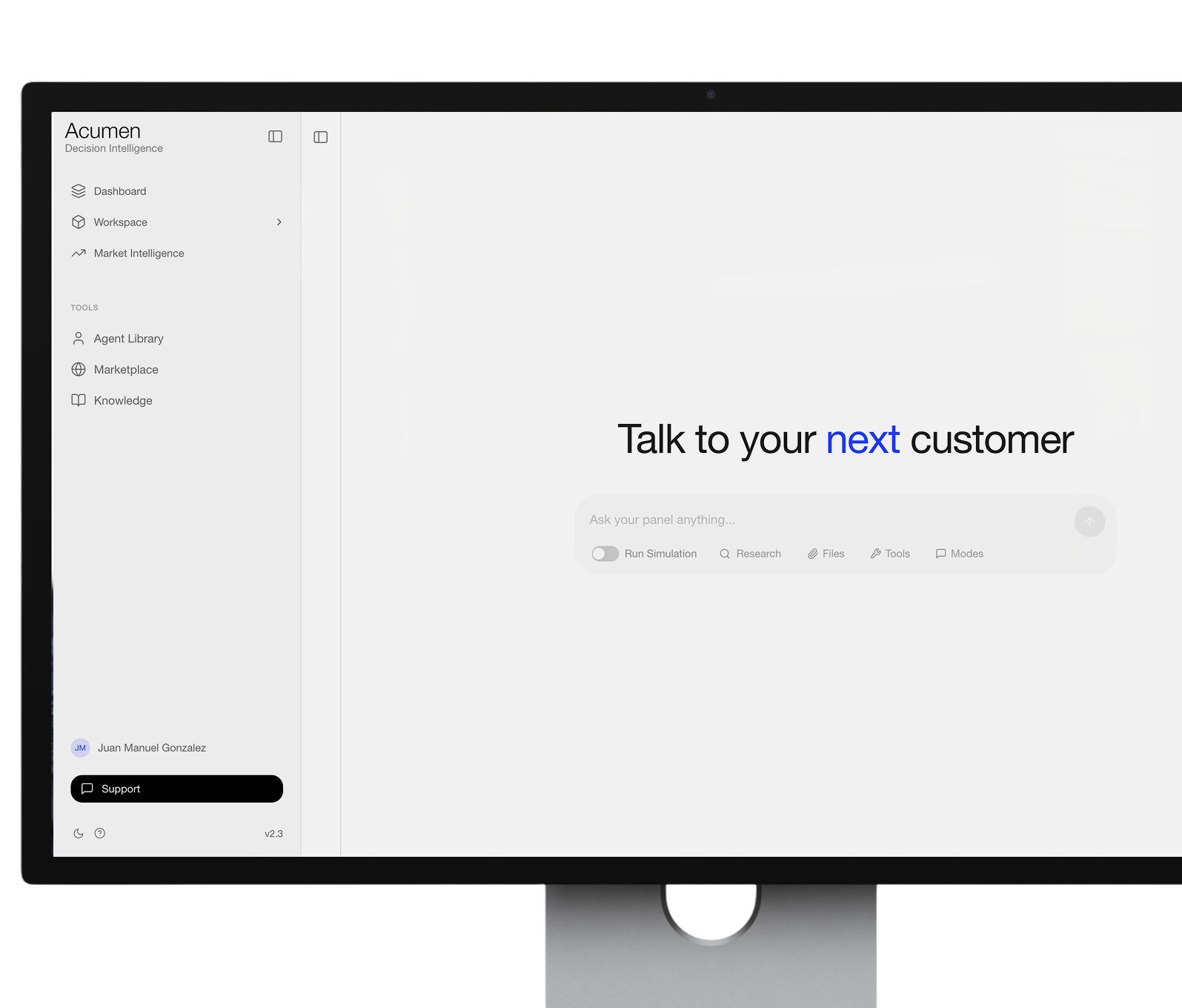
Always-On Customer Intelligence
Turn your own customer data into foresight — validate, simulate, and sense every major decision before you commit.