
The Ultimate Guide to AI Data Analytics in Digital Healthcare
Introduction
Healthcare leaders at enterprise companies face a significant data analytics challenge as they manage vast amounts of fragmented patient and operational information. This guide explains how to implement agentic AI for data quality and robust AI integration & deployment to transform your organization into an automated digital business. Directors, SVPs, and VPs from companies with over 1,000 employees should read this guide to learn how to gain a competitive edge through accelerated digital transformation. You will gain insights into optimizing healthcare data analytics and leveraging healthcare digital transformation consulting to define what is next for your brand.
Prerequisites & What You Need

Key Tools & Resources:
To execute this strategy, you will need a centralized data lake, enterprise-grade AI integration & deployment tools, and access to advanced healthcare data analytics software.
Skills & Knowledge Prerequisites:
You should have a foundational knowledge of digital healthcare solutions, data governance, and the role of artificial intelligence in modern enterprise strategy.
Time & Budget Estimates:
Achieving an automated digital business through AI can take 6 to 12 months depending on the current state of your data infrastructure.
Step-by-Step Instructions

Step 1: Solving the Data Analytics Challenge with Agentic AI
The first phase involves addressing the data analytics challenge by deploying autonomous agents that ensure information accuracy across all systems. You must implement agentic AI for data quality to automatically identify and correct errors in patient records without manual intervention. This technology allows your team to focus on high-level strategy rather than routine data cleaning tasks. An actionable insight is to start with a pilot program focused on one high-volume data stream, such as billing or patient intake, to demonstrate immediate ROI. Experts suggest using agentic AI for data quality as a continuous background process to maintain a clean data lake for all future initiatives.
Step 2: Executing Strategic AI Integration & Deployment
Once your data is reliable, the next step is the formal AI integration & deployment of predictive models into your clinical and operational workflows. You should integrate these models directly into your existing digital healthcare solutions to provide real-time insights to medical staff and administrators. This step requires a focus on interoperability to ensure that healthcare data analytics tools can communicate across different departments. To execute this effectively, map out your existing software ecosystem to identify the most efficient points for AI integration & deployment. A pro tip is to utilize modular API architectures which allow you to update AI components without disrupting your entire digital healthcare solutions stack.
Step 3: Orchestrating an Automated Digital Business
The final step is to scale these individual successes into a fully automated digital business that reacts to market changes in real-time. This involves using healthcare data analytics to automate resource allocation, patient scheduling, and personalized treatment recommendations. By achieving accelerated digital transformation, your organization can significantly reduce overhead while improving patient outcomes. You should prioritize the automation of repetitive administrative tasks to free up your workforce for more complex digital healthcare solutions. For the best results, work with healthcare digital transformation consulting experts to ensure your automated digital business aligns with long-term enterprise goals.


%20(1).png)

Let’s kickstart the conversation and design stuff people will love.

The Retail & Consumer Index


Common Pitfalls & How to Avoid Them
Pitfall 1: Ignoring Data Silos During AI Setup
Failing to unify data across departments creates an incomplete view that leads to inaccurate healthcare data analytics. To avoid this, perform a comprehensive data audit before starting any accelerated digital transformation project to ensure all relevant sources are connected.
Pitfall 2: Overlooking Regulatory Compliance in AI Models
Integrating AI without strict adherence to healthcare privacy laws can lead to significant legal and financial risks. Use agentic AI for data quality tools that include built-in compliance checks to monitor data handling and storage in real-time.
Pitfall 3: Lacking a Clear Scaling Strategy
Many brands start small but struggle to scale their digital healthcare solutions across a 1k+ employee enterprise. Partner with healthcare digital transformation consulting specialists early in the process to create a roadmap that supports long-term AI integration & deployment.
Conclusion & Next Steps
You now have the framework to solve your data analytics challenge and lead your organization through an accelerated digital transformation. By prioritizing agentic AI for data quality and strategic AI integration & deployment, you can build a highly efficient and automated digital business. Start by evaluating your current healthcare data analytics capabilities and identifying the most critical areas for automation. Once you have identified these priorities, seek out healthcare digital transformation consulting to refine your strategy and ensure a successful rollout of your new digital healthcare solutions. Begin implementing these steps today to secure your brand's position as a leader in the future of healthcare.
At G&CO.Health, we transform ideas into impact by helping enterprise brands navigate the complexities of AI and data strategy. We specialize in healthcare digital transformation consulting, providing the expertise needed to build a competitive automated digital business. Contact us today to see how our experience with digital healthcare solutions can help you define what is next for your organization.
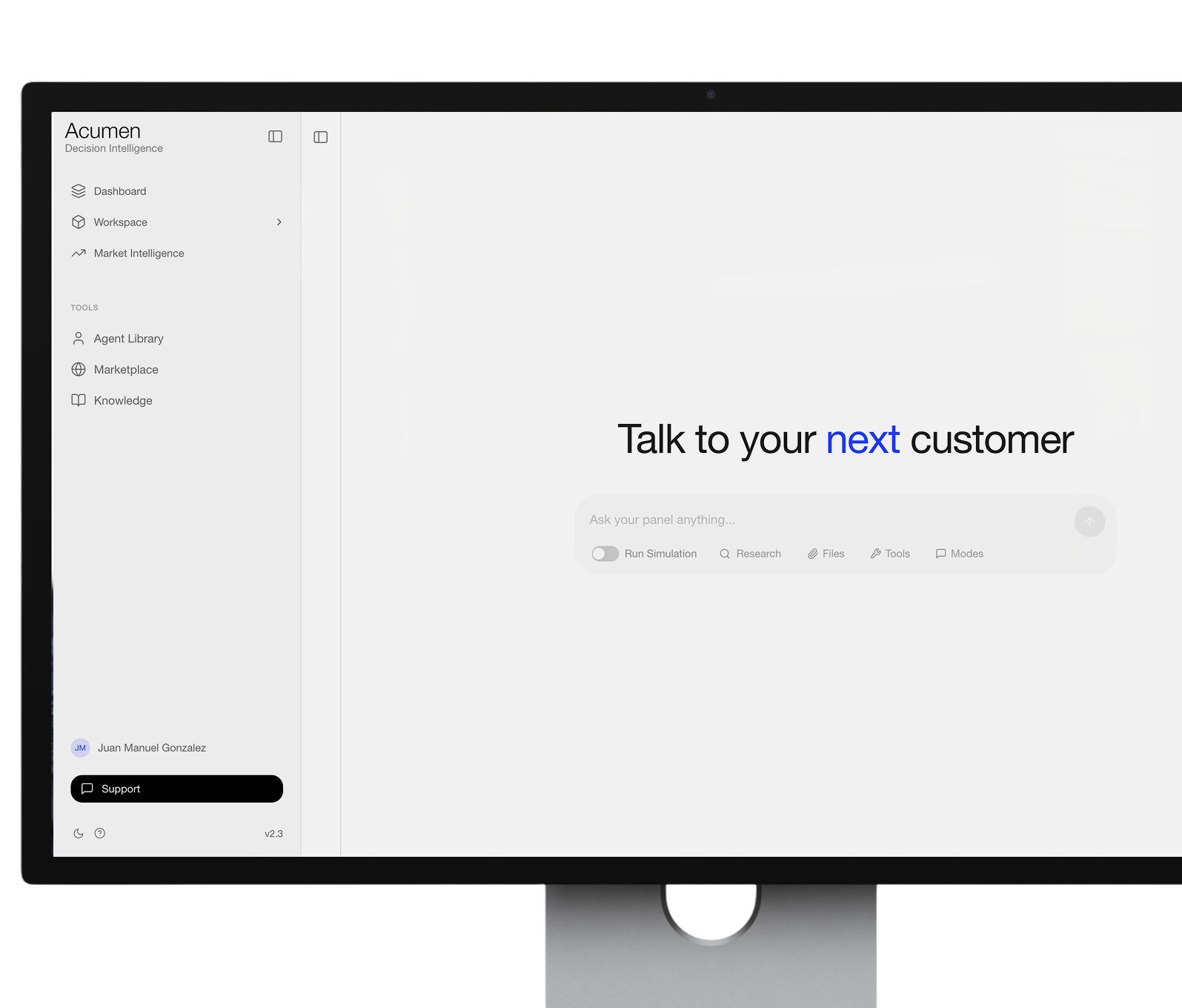
Always-On Customer Intelligence
Turn your own customer data into foresight — validate, simulate, and sense every major decision before you commit.