
How to Orchestrate Digital Omnichannel with Agentic AI CRM
Enterprise brands with over 1,000 employees often struggle with fragmented customer data that prevents a seamless shopping experience across global platforms. This guide explains how to transition into an automated digital business by implementing customer experience orchestration to gain a distinct competitive advantage. This resource is for SVPs, VPs, and Heads of digital departments who need a clear roadmap to unify their digital omnichannel presence and drive measurable revenue growth. You will learn how to leverage an agentic AI CRM to provide agentic AI support and achieve a significant CRM boost across your entire ecosystem.


%20(1).png)

Let’s kickstart the conversation and design stuff people will love.

The Retail & Consumer Index


Prerequisites & What You Need

1. Key Tools & Resources
To execute this strategy, you will need a centralized data warehouse, an enterprise-grade ecommerce platform like Adobe Experience Manager, and an agentic AI CRM capable of autonomous task execution.
2. Skills & Knowledge Prerequisites
You should have a foundational understanding of the ecommerce customer journey, data privacy regulations, and how to interpret omnichannel marketing data to follow this guide effectively.
3. Time & Budget Estimates
Establishing a fully automated digital business usually requires 6 to 12 months depending on the existing technical infrastructure and resource allocation.
Step-by-Step Instructions

Step 1: Centralize Omnichannel Marketing Data
This initial phase involves breaking down data silos to create a single, unified view of every customer interaction across all touchpoints. You must integrate data from your web storefronts, mobile apps, and third-party marketplaces into your primary data environment. An actionable insight for this step is to prioritize the ingestion of high-intent signals, such as cart additions and loyalty program logins, to feed your agentic AI CRM immediately. To make this process smoother, use automated ETL (Extract, Transform, Load) tools to ensure your omnichannel marketing data remains accurate and updated in real-time. Expert advice suggests starting with a data audit to identify where the most valuable customer information currently resides before beginning the integration.
Step 2: Map and Optimize the Ecommerce Customer Journey
This step requires a detailed analysis of how users move from discovery to purchase to ensure a frictionless transition between digital and physical channels. Leaders should use AI-driven analytics to identify specific drop-off points in the ecommerce customer journey where automation can provide a solution. A clear actionable tip is to deploy predictive modeling to determine which customers are likely to churn and trigger a personalized offer via your digital omnichannel network. For a more effective process, ensure that your customer experience orchestration rules are flexible enough to account for different regional shopping behaviors. Avoiding the mistake of over-complicating the initial map will allow your team to focus on the highest-impact touchpoints first.
Step 3: Deploy Agentic AI Support and Orchestration
This final phase involves activating autonomous agents that can resolve complex customer queries and perform backend tasks without human help. By integrating agentic AI support, your brand can offer 24/7 assistance that feels personalized and context-aware based on the user's history. An effective execution involves connecting your AI agents directly to your inventory and shipping systems so they can provide real-time updates during the ecommerce customer journey. To optimize this, use a "human-in-the-loop" model where the AI handles routine tasks but flags high-value or sensitive issues for your senior staff. Implementing this provides a massive CRM boost by ensuring every customer record is updated automatically after every interaction.
Common Pitfalls & How to Avoid Them
Pitfall 1: Poor Data Quality
Inaccurate or duplicate records will lead to incorrect AI decisions and a disjointed customer experience. To avoid this, implement automated data cleansing protocols and validation rules within your agentic AI CRM to maintain a clean database.
Pitfall 2: Neglecting the Human Touch
Relying entirely on automation in luxury or high-end retail can alienate customers who expect a premium, personal feel. Balance your automated digital business by defining clear hand-off points where an AI agent transfers the conversation to a human representative.
Pitfall 3: Siloed Departmental Goals
If marketing, sales, and support use different metrics, your customer experience orchestration will fail to be cohesive. Ensure all department heads agree on shared KPIs derived from your omnichannel marketing data to align the entire organization.
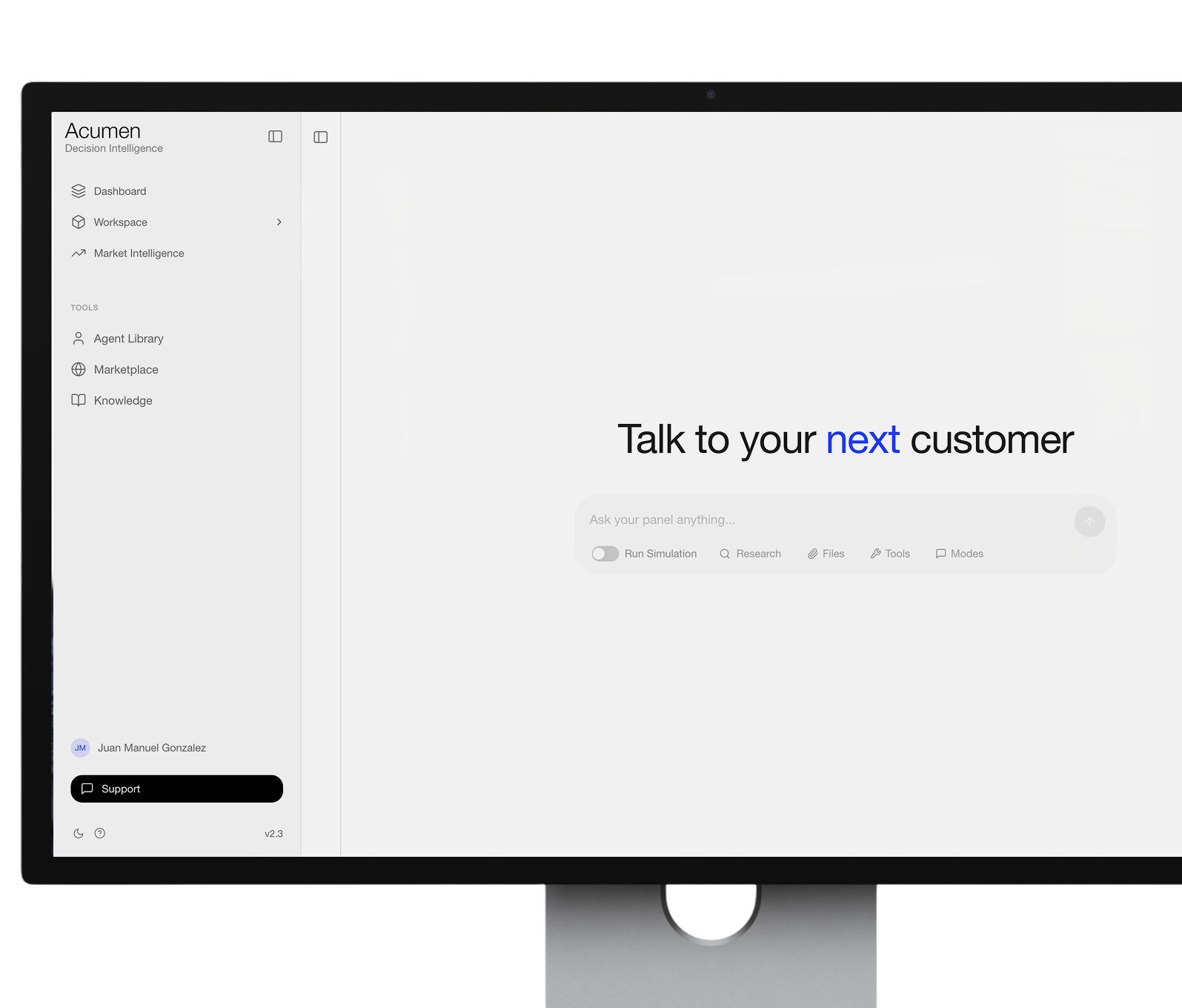
Always-On Customer Intelligence
Turn your own customer data into foresight — validate, simulate, and sense every major decision before you commit.


Conclusion & Next Steps
By following this roadmap, you have learned how to unify your data, optimize the customer path, and deploy intelligent automation to achieve a total CRM boost. These strategies allow your brand to move beyond basic interactions and master the art of customer experience orchestration at an enterprise scale. You are now equipped to transform your digital presence into a highly efficient and responsive automated digital business. Begin by conducting a comprehensive audit of your current data sources, then proceed to select a pilot channel for your first agentic AI support rollout. Take the first step today by aligning your internal teams around a single, AI-driven vision for your brand’s future.
At G&CO., we specialize in helping global enterprise brands define what’s next by transforming complex ideas into measurable impact. Our team acts as a strategic partner to help you navigate the nuances of agentic AI support and digital transformation. Contact G&CO. today to learn how we can help you elevate your digital experiences and build a lasting competitive edge.