Retail Tech Report: Unified Commerce and Agentic Strategy
Retail technology and integration are entering a critical phase as enterprise brands prioritize seamless connectivity and autonomous operations. This report reveals how the convergence of artificial intelligence and synchronized data creates a new standard for global consumer goods companies. These developments show where the industry is heading and how large organizations can build a permanent edge over competitors.


%20(1).png)

Let’s kickstart the conversation and design stuff people will love.

The Retail & Consumer Index


Market Context: Disruption and Opportunity
The current retail landscape is shifting away from fragmented digital tools and moving toward complete ecosystem synchronization. Many enterprise brands currently struggle with siloed information that prevents a clear view of the customer journey. This broken data structure makes it difficult to respond to rapid market changes or shifting consumer demands. Leading companies recognize that survival in 2026 requires a total overhaul of how systems communicate and share value. Successful stakeholders will be those who replace disconnected channels with a holistic infrastructure. Moving to a unified commerce strategy allows a brand to synchronize inventory, pricing, and customer profiles in real time. This shift reduces operational friction and provides the agility needed to outpace traditional competitors.
Top 5 Trends to Watch in Retail and Consumer Goods
The Shift to Agentic Merchandising
Implementing Semantic Interoperability
Accelerating Legacy System Modernization
Prioritizing Retail Data Sovereignty
Mastering Enterprise Software Integration
Trend Breakdown: Context and Competitive Insight

The Shift to Agentic Merchandising
Agentic merchandising moves beyond basic automation by using autonomous systems to manage core retail functions. This trend matters because it allows software to make real-time decisions regarding inventory levels and promotional strategies without manual intervention. Rising labor costs and the need for instant market responses are driving this shift for enterprise brands. It affects every level of the supply chain, from warehouse management to front-end sales. The implications include higher profit margins and a drastic reduction in human error during peak shopping seasons. Brands using these autonomous agents gain a competitive advantage by operating at a speed that manual teams cannot match. This technology ensures that the right product is always in the right place at the ideal price.
Implementing Semantic Interoperability
Semantic interoperability is the ability of different computer systems to exchange data with unambiguous meaning. This core idea matters because it ensures that an ERP system and a CRM system interpret a "customer record" or "product SKU" in exactly the same way. The explosion of diverse retail data sources is driving the need for these shared standards. It affects IT architects and business leaders who need reliable insights to drive growth. Breaking down these technical barriers allows for better collaboration across global departments. The competitive advantage lies in the ability to feed clean, structured data into AI models for more accurate forecasting. Achieving true semantic interoperability turns a messy data lake into a strategic corporate asset.
Accelerating Legacy System Modernization
Legacy system modernization is the process of updating or replacing outdated IT foundations with flexible, cloud-native architectures. This shift matters because rigid, decades-old software prevents brands from adopting new innovations like AI or mobile-first checkout. High maintenance costs and security risks are the primary factors driving leaders toward modern platforms. This trend affects enterprise companies with over 1,000 employees that still rely on heavy, on-premise servers. Modernizing these systems allows for faster deployment of features and better scalability during high-traffic events. The competitive advantage is a significant increase in business agility and a reduction in technical debt. Brands that modernize early can pivot their strategy in days rather than months.
Prioritizing Retail Data Sovereignty
Retail data sovereignty focuses on a brand maintaining complete ownership and control over its digital information. This trend matters because it protects companies from the changing policies and high costs of third-party data providers. Increasing global privacy regulations and the need for first-party data to fuel AI are the main drivers of this shift. It affects legal, marketing, and technology departments that must ensure compliance and security. The implications include better protection of customer trust and more freedom to innovate without platform restrictions. Maintaining retail data sovereignty creates a defensive moat around a brand's most valuable intellectual property. Organizations that own their data are better positioned to build long-term customer loyalty and personalized experiences.
Mastering Enterprise Software Integration
Enterprise software integration is the technical process of connecting various applications to work as a single, cohesive unit. This trend matters because a fragmented tech stack leads to data gaps and inconsistent customer experiences. The drive toward a unified commerce strategy makes the deep integration of commerce, logistics, and marketing tools essential. It affects the entire organization by streamlining workflows and reducing manual data entry. Effective enterprise software integration ensures that every part of the business has access to the same live information. This creates a competitive advantage by enabling a "single source of truth" for the entire global enterprise. Companies that master this integration can scale their digital initiatives with much lower operational risk.
What Leading Brands Are Doing
Leading companies are already adapting to these trends by transforming how they engage, build, and innovate. One global fashion retailer has invested in agentic merchandising, resulting in a 15% reduction in overstock and a significant boost in full-price sales. This brand used autonomous agents to rebalance inventory across hundreds of locations in real time. Another major CPG firm has taken a different path, optimizing its back-end through legacy system modernization to meet changing expectations and increase market responsiveness. By moving to a composable architecture, they reduced their time-to-market for new digital features by nearly 50%.
At G&CO., we’ve worked alongside clients to implement similar shifts—whether through digital strategy, customer journey redesign, or platform modernization. Our expertise enables brands to translate trend awareness into tangible market advantage. We focus on bridging the gap between high-level strategy and technical execution to ensure long-term success.
Risks, Blind Spots & What to Avoid
Risk 1: Integration Without Standardization
Why it matters: Attempting enterprise technology and integration without clear data standards leads to "spaghetti code" that is difficult to maintain.
Blind spot: Businesses often underestimate the need for semantic interoperability and assume that simply connecting APIs is enough to share meaningful data.
Risk 2: Ignoring Technical Debt
Why it matters: Delaying legacy system modernization leads to higher operational costs and a total inability to support modern AI tools.
Blind spot: Common assumption that leads teams in the wrong direction is believing that "patching" old software is more cost-effective than a full platform evolution.
Risk 3: Over-Reliance on Third-Party Platforms
Why it matters: Failing to secure retail data sovereignty leaves a brand vulnerable to sudden platform fee increases or data privacy breaches.
Blind spot: Barrier that slows down progress is the internal comfort with existing vendor relationships that actually limit long-term data ownership.
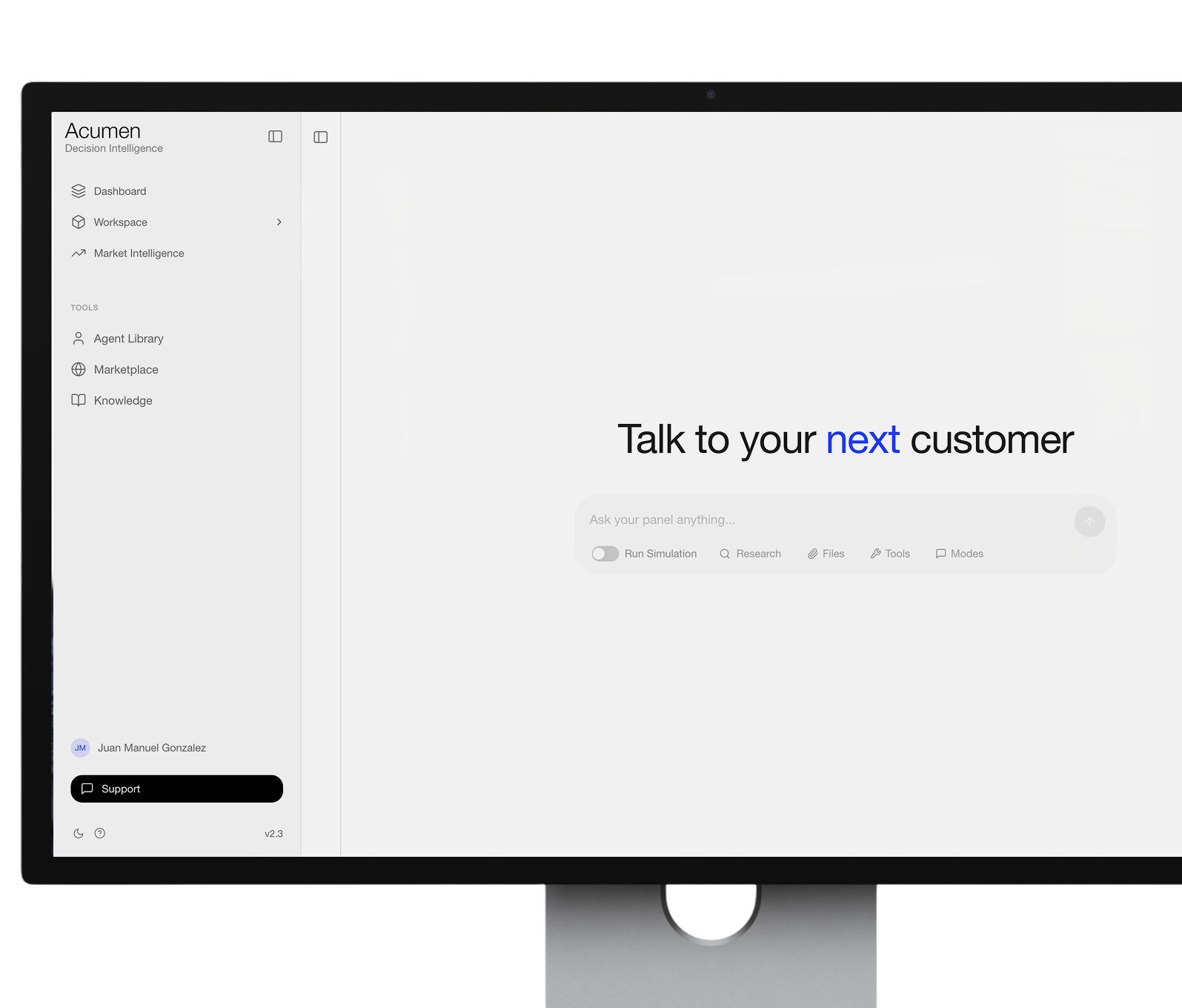
Always-On Customer Intelligence
Turn your own customer data into foresight — validate, simulate, and sense every major decision before you commit.


The Role of Enterprise Strategy and Integration Firms

Enterprise strategy and integration firms act as essential partners for large organizations navigating complex digital transitions. These firms provide the specialized knowledge and technical roadmap required to align business goals with modern infrastructure. Selecting the right partner ensures that a company can execute enterprise technology and integration projects without disrupting daily operations. These experts solve the challenges of semantic interoperability by building unified data languages across global departments. A strategic partner also manages the risks of legacy system modernization, allowing for a smooth move to a unified commerce strategy. By integrating agentic merchandising and securing retail data sovereignty, these firms turn technical requirements into a sustainable business edge. Choosing a partner with deep experience in enterprise software integration prevents costly missteps and accelerates ROI. This ongoing support ensures that a brand remains resilient as new technologies emerge.
At G&CO., we provide the strategic consulting and digital expertise needed to transform your enterprise architecture for the future.
Conclusion & Strategic Outlook
These five trends are not passing fads—they reflect a deeper shift in how retail and consumer goods operate and what customers value. Understanding the forces behind agentic merchandising and unified commerce is key to staying relevant, responsive, and differentiated. Brands that internalize these shifts will be better equipped to navigate complexity and build long-term advantage. The future of the industry belongs to those who prioritize deep enterprise technology and integration over surface-level digital fixes. Success requires a commitment to modernization and a clear vision for data ownership. At G&CO., we bring the strategic clarity and executional power needed to translate trend awareness into business impact. Let’s explore what’s next—together.