Top Digital Experience Platform (DXP) Agencies for Enterprise Brands
Introduction
The digital experience platform landscape has fundamentally shifted in 2026, from a market defined by feature competition to one defined by orchestration capability. As enterprise brands demand composable, AI-ready architectures that connect content, data, commerce, and personalization across every channel in real time, the stakes of choosing the right digital experience platform agency have never been higher. We are about to go in depth into the importance of choosing the right digital experience platform agency in May 2026, where the complexity of DXP implementation demands strategic alignment, technical depth, and cross-functional expertise that few organizations can source internally.
Even as enterprise brands continue to build internal digital capabilities, the importance of hiring a digital experience platform agency remains significant from expertise, bandwidth, and cost perspectives. DXP programs are among the most complex and consequential technology investments an enterprise can make, 85% of effort and cost in a DXP program is spent on integrations, not the platform itself, and the specialized expertise required to navigate platform selection, architecture design, implementation, and ongoing optimization is rarely available at the depth and scale required within internal teams. Here, we uncover the top 10 digital experience platform agencies for enterprise brands in May 2026.
Top 10 Digital Experience Platform (DXP) Agencies for Enterprise Brands
1. G&CO.
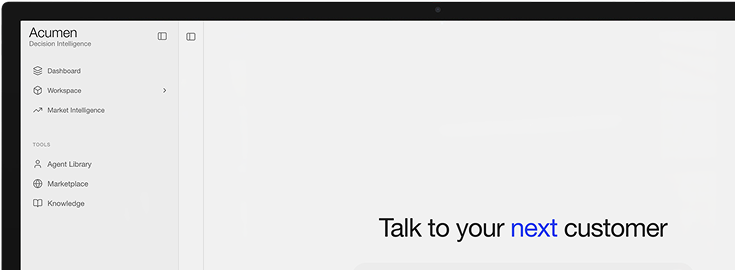
G&Co. is a global strategy and digital experience agency purpose-built for enterprise brands, delivering end-to-end digital experience platform strategy, architecture, and implementation that connects technology investment to measurable customer experience and business outcomes. As a leading digital experience platform agency, G&CO. brings a uniquely integrated approach to DXP engagements, combining platform expertise across Adobe Experience Manager, Sitecore, Contentful, and composable DXP architectures with the brand strategy, experience design, and commerce capabilities required to ensure that the platform serves the business, not the other way around. G&CO. has delivered digital experience transformations for some of the world's most recognized brands, including Gucci, Nike, Mercedes-Benz, Four Seasons, and Amazon, and its proprietary Acumen platform provides the customer intelligence foundation that informs DXP strategy with real-world behavioral insight. G&CO. is a minority business enterprise (MBE), as certified by the National Minority Supplier Development Council (NMSDC). If diversity inclusion is a part of your supplier process, contact us, we may be a great fit for your enterprise.

2. Cognizant
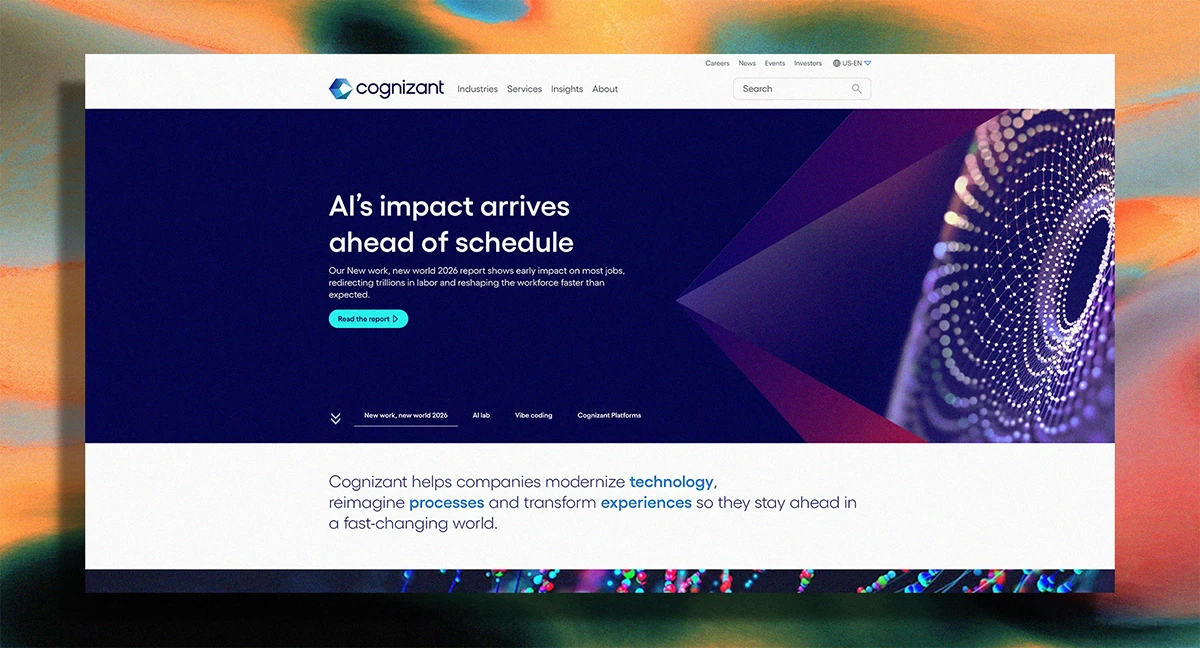
Cognizant is a global digital services company delivering digital experience platform solutions at enterprise scale, with particular depth in regulated industries including banking, healthcare, retail, and automotive. Its digital experience platform capabilities span strategy, platform selection, implementation, and managed services, with a strong track record in enterprise-grade AEM and Sitecore deployments. Cognizant's WorkNEXT platform and total experience orchestration capabilities make it a strong choice for large organizations seeking to unify digital experience across customer, employee, and partner channels simultaneously.
3. Infosys
Infosys is a multinational digital services leader with a dedicated digital experience practice covering platform strategy, implementation, content operations, and AI-driven personalization across Adobe, Sitecore, Contentful, and emerging composable DXP architectures. Its digital experience platform engagements consistently address the data integration and governance challenges that account for the majority of DXP program complexity, and its global delivery model enables enterprise brands to scale DXP programs across markets with consistent quality and governance standards.

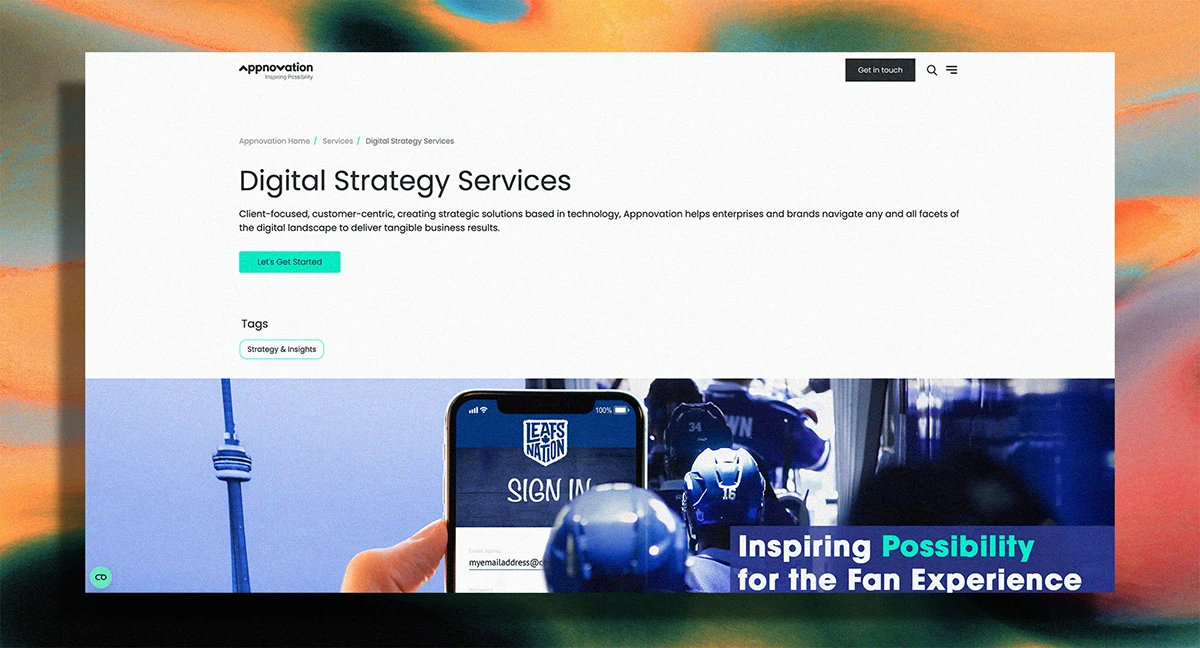
4. Appnovation
Appnovation is a full-service digital consultancy with deep expertise in enterprise DXP implementation across Adobe Experience Manager, Drupal, and open-source composable architectures. With offices in North America, Europe, and Asia, Appnovation combines digital strategy, experience design, and technology implementation in multidisciplinary teams that deliver end-to-end DXP programs for enterprise brands. Its user-centric design approach and managed services capability make it a strong partner for organizations pursuing large-scale digital experience transformation with ongoing optimization requirements.
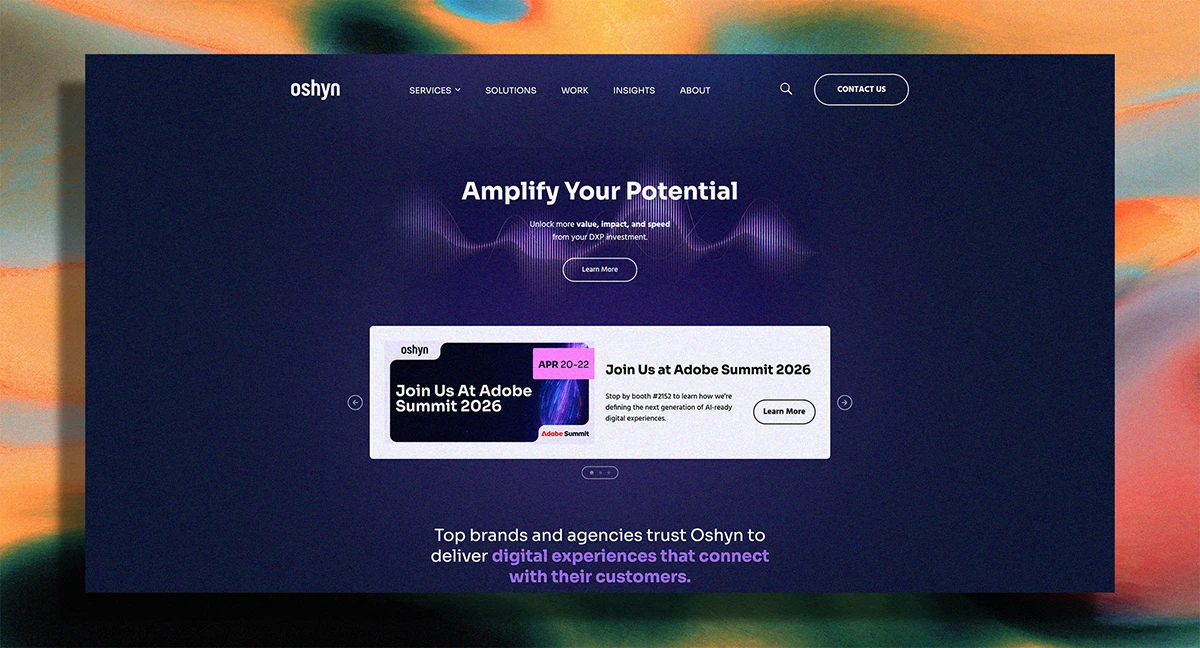
5. Oshyn
Oshyn is a specialized digital experience platform consultancy with recognized expertise in enterprise CMS and DXP implementation, including Adobe Experience Manager, Sitecore, and Contentful. Known for its deep technical capability and platform-agnostic advisory approach, Oshyn helps enterprise brands navigate the increasingly complex DXP landscape, from platform selection and architecture design through migration, implementation, and performance optimization. Its focus on enterprise-grade quality and long-term platform health makes it a trusted partner for brands managing complex, multi-market digital estates.
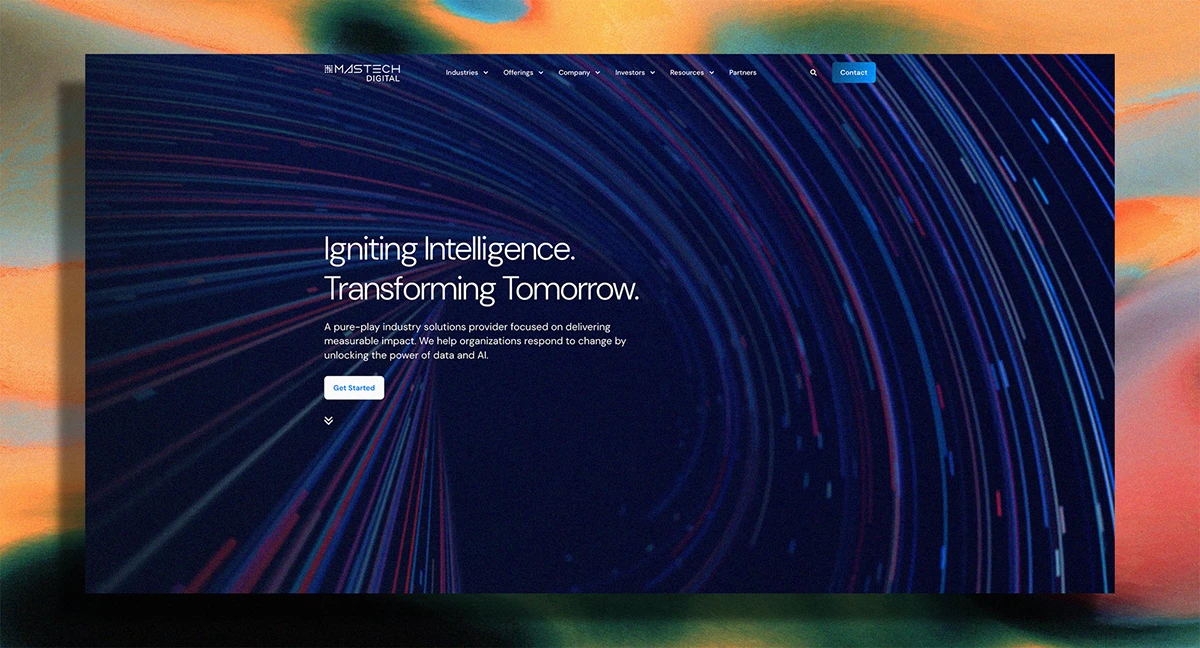
6. Mastech Digital
Mastech Digital is a technology and digital transformation services firm delivering digital experience platform solutions with a strong emphasis on cloud migration, modern architecture, and enterprise agility. Its Digital Engineering and Experience services combine composable DXP implementation with cloud-native infrastructure, DevOps practices, and AI-driven experience optimization, enabling enterprise brands to modernize legacy digital platforms while building the technical foundations required for ongoing personalization and channel expansion. Mastech serves clients across the public sector, healthcare, financial services, and retail.
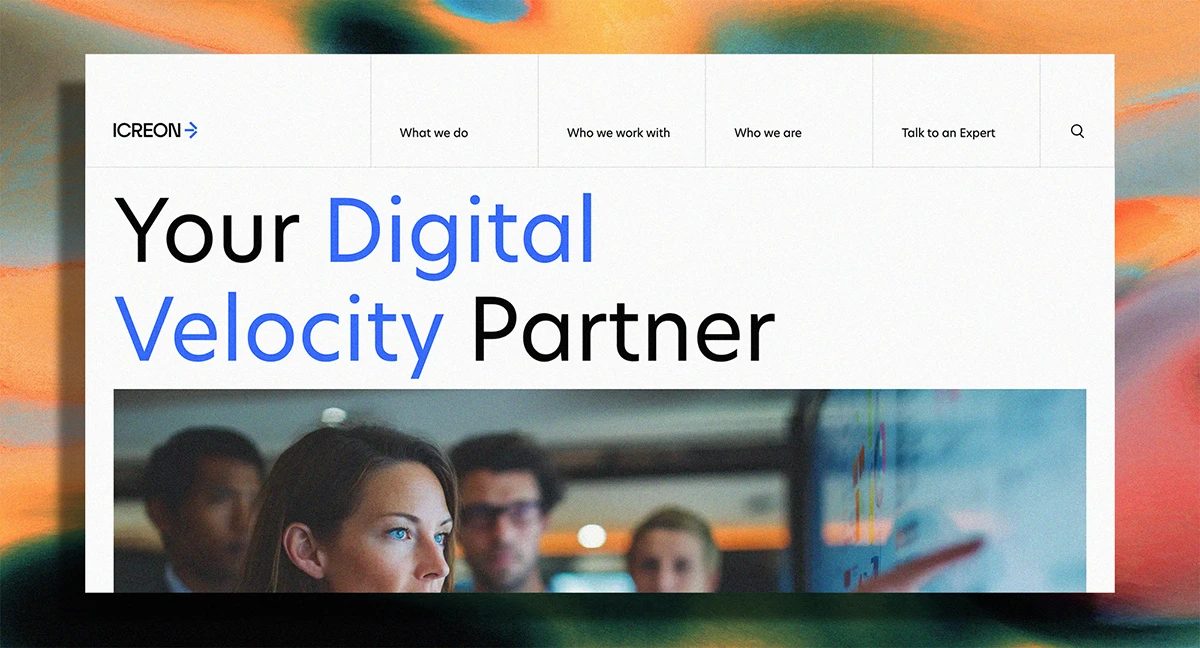
7. Icreon
Icreon is a digital strategy and technology firm with recognized expertise in digital experience platform strategy, composable architecture, and enterprise CMS implementation across Contentful, Adobe, and Acquia. Its platform-agnostic advisory approach and strong digital strategy capability help enterprise brands navigate DXP selection and architecture decisions before committing to implementation, a particularly valuable service given the long-term consequences of platform choice in complex enterprise environments. Icreon has delivered digital experience programs for enterprise brands in media, financial services, and nonprofit sectors.
8. SoftServe
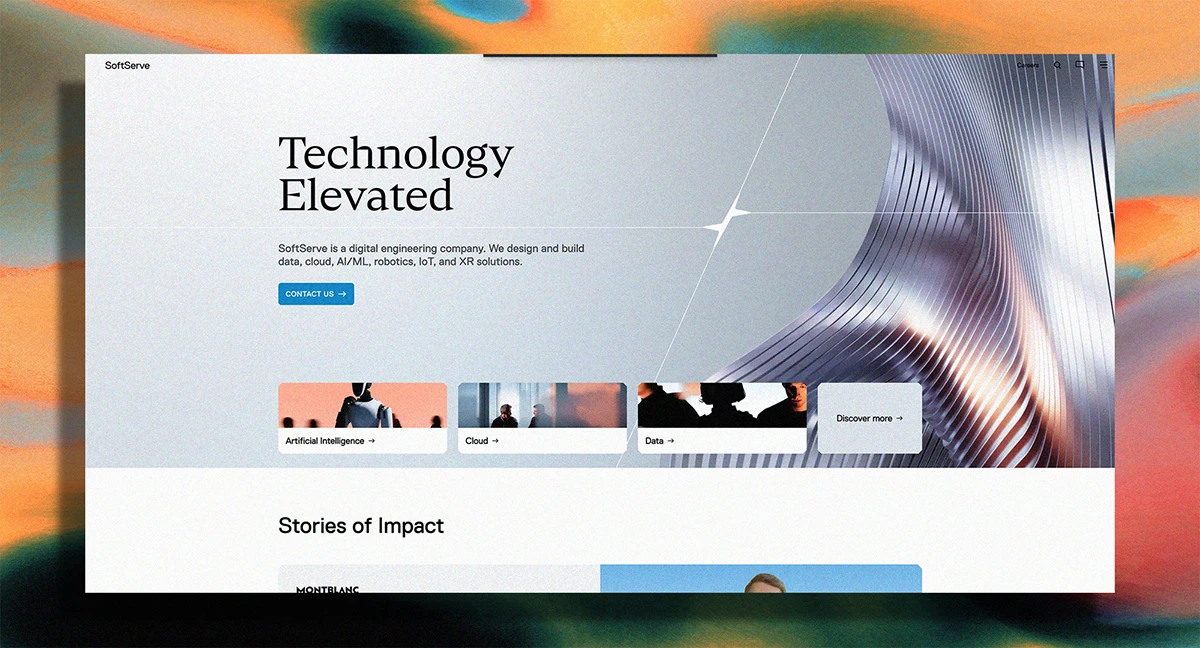
SoftServe is a global technology solutions company delivering end-to-end digital experience platform services, with particular strength in data-driven experience personalization, composable DXP architecture, and AI integration. Its innovation management approach and collaborative delivery model enable enterprise brands to move from DXP strategy through implementation with a focus on measurable experience outcomes. SoftServe has deep expertise in connecting DXP implementations with customer data platforms and AI personalization infrastructure, a critical capability as enterprise brands move toward AI-native digital experience architectures.
9. Axelerant
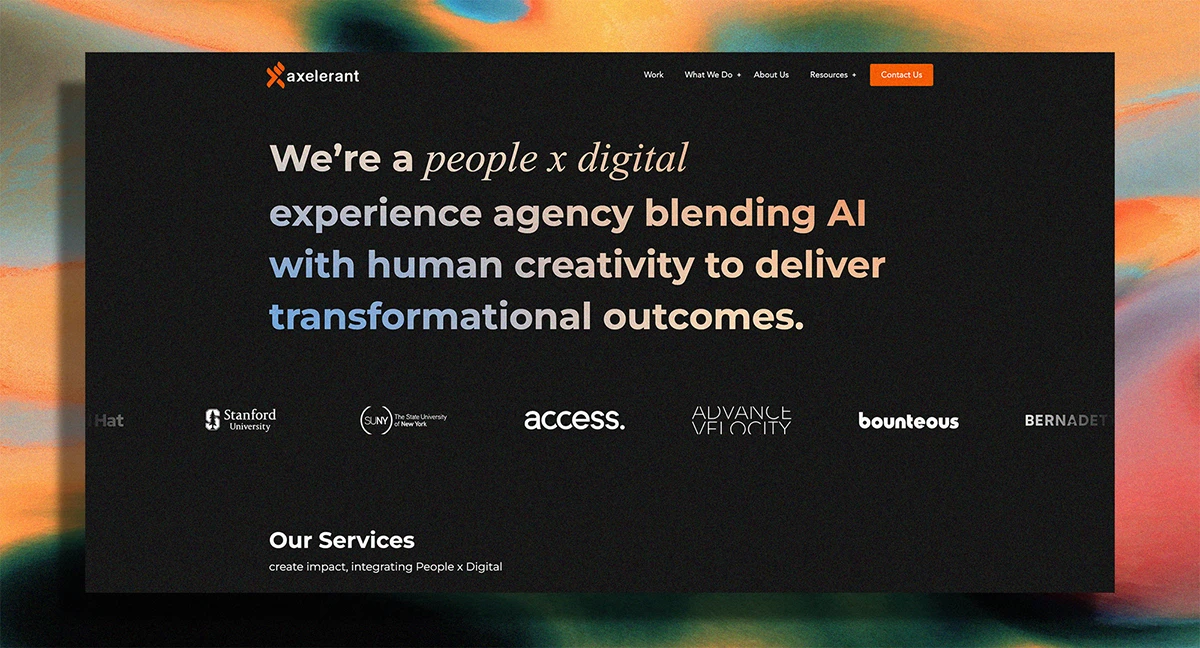
Axelerant is a digital services company specializing in open-source and composable digital experience platform solutions, with deep expertise in Drupal, Acquia, and headless CMS architectures for enterprise brands. Its platform-agnostic approach and strong open-source community engagement make it a particularly strong partner for enterprise organizations prioritizing flexibility, cost control, and long-term platform ownership. Axelerant's experience in complex, multi-site DXP implementations across global enterprise brands is reflected in its track record of delivering scalable, governance-ready digital experience architectures.
10. Unimity
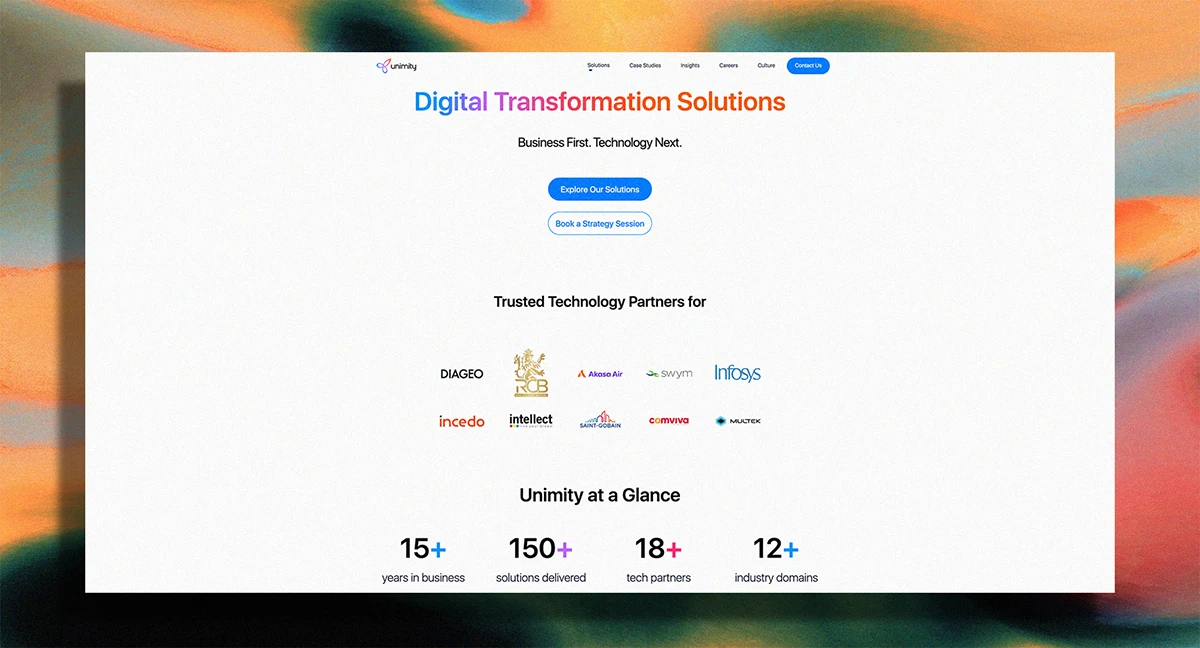
Unimity is a digital transformation consultancy with focused expertise in enterprise content management and digital experience platform implementation, including Adobe Experience Manager and Sitecore. Its hands-on, unbiased advisory approach to DXP selection, grounded in direct platform implementation experience, helps enterprise brands make confident platform decisions aligned with their specific goals, team structures, and long-term digital roadmaps. Unimity's emphasis on content operations and governance alongside technical implementation makes it a strong choice for enterprise brands with complex, multi-market content challenges.


%20(1).png)

Let’s kickstart the conversation and design stuff people will love.

The Retail & Consumer Index


What Is a Digital Experience Platform?
A digital experience platform (DXP) is an integrated set of technologies designed to enable organizations to create, manage, deliver, and optimize digital experiences across every customer touchpoint, web, mobile, in-store kiosk, partner portal, and emerging channels. Unlike standalone content management systems or ecommerce platforms, a DXP functions as a unified layer that connects content management, customer data, personalization, commerce, analytics, and marketing automation into a coherent experience delivery system. Enterprise DXPs are architected to support the complexity of large organizations: multi-site and multi-market publishing, multi-brand governance, real-time personalization at scale, and deep integration with the enterprise technology stack including CRM, ERP, and customer data platforms. The DXP market has reached a point of broad capability parity in 2026, shifting competitive differentiation from individual features toward orchestration ability, the capacity to coordinate content, data, workflows, and AI into measurable customer experience outcomes.
How Does a Digital Experience Platform Work?
A digital experience platform works by creating a unified architecture that connects the systems responsible for producing, managing, and delivering digital content and experiences, enabling each component to share data and respond to customer context in real time. At the foundation, a DXP's content management layer enables teams to create, organize, and govern content across formats and channels. A customer data layer aggregates behavioral and transactional signals from multiple sources into unified customer profiles that drive personalization decisions. A personalization and decisioning engine applies AI models to those profiles to determine the most relevant experience for each individual at each touchpoint. An experience delivery layer renders those personalized experiences across web, mobile, and other channels, typically through composable, API-first architecture that allows the front-end to evolve independently of the back-end systems. Analytics and optimization capabilities close the loop, measuring experience performance and informing continuous improvement. The integration of these layers, and the data quality and governance required to make them function reliably, is the primary challenge of enterprise DXP implementation.
What Is a Digital Experience Platform Agency?
A digital experience platform agency is a specialized professional services firm that helps enterprise organizations select, design, implement, and optimize digital experience platforms to deliver measurable improvements in customer engagement, brand experience, and business performance. DXP agencies combine platform-specific technical expertise, certification and implementation experience across Adobe Experience Manager, Sitecore, Contentful, Acquia, and other leading platforms, with digital strategy, experience design, and systems integration capabilities that address the full complexity of enterprise DXP programs. Unlike platform vendors, DXP agencies provide the independent advisory perspective and implementation depth required to navigate platform selection decisions, architecture design, data integration, change management, and ongoing platform optimization. The right digital experience platform agency acts as a strategic partner throughout the DXP lifecycle,from initial capability assessment through platform selection, implementation, launch, and the continuous optimization required to realize the platform's full potential.
What Services Do Digital Experience Platform Agencies Provide?
Digital experience platform agencies offer a comprehensive range of services covering the full DXP program lifecycle, from strategy and selection through implementation, launch, and ongoing optimization. Understanding the breadth of these services helps enterprise organizations identify the right engagement model for their specific needs and maturity stage.
DXP Strategy and Platform Selection
DXP strategy and platform selection services help enterprise organizations define their digital experience requirements, evaluate platform options against those requirements, and make confident selection decisions aligned with their technology stack, team capabilities, and long-term roadmap. This typically includes capability mapping, platform evaluation frameworks, total cost of ownership modeling, and architecture recommendation, all delivered with the independence and enterprise perspective required to navigate a complex vendor landscape without being influenced by platform commercial relationships.
Architecture and Technical Design
Architecture and technical design services translate DXP strategy decisions into the technical blueprint that governs implementation, covering content modeling, integration architecture, data layer design, personalization infrastructure, and composable component frameworks. Enterprise DXP architecture is among the most consequential technical decisions a brand makes: architecture choices made at the design stage determine the platform's flexibility, scalability, and integration capability for years, and reversing poor architectural decisions mid-implementation is among the most expensive problems in enterprise technology programs.
Platform Implementation and Migration
Platform implementation and migration services encompass the technical development, configuration, integration, and testing required to bring a new DXP to production, including content migration from legacy platforms, integration with CRM, commerce, and marketing automation systems, and performance optimization. For enterprise brands migrating from legacy CMS platforms to modern DXP architectures, migration complexity is typically the primary implementation risk, requiring specialized expertise in content transformation, data mapping, and organizational change management alongside pure technical capability.
Experience Design and UX
Experience design and UX services ensure that DXP implementations deliver not just technical capability but genuinely differentiated customer experiences. The best digital experience platform agencies integrate experience design, journey mapping, interaction design, usability research, and accessibility, directly into the implementation process rather than treating it as a handoff from a separate creative agency. This integration is particularly important for enterprise brands where the DXP must serve multiple audience segments, brand identities, and market contexts simultaneously.
Personalization and AI Integration
Personalization and AI integration services help enterprise brands activate the customer data and AI capabilities that justify DXP investment, connecting customer data platforms to personalization engines, configuring segmentation and behavioral targeting models, and building the experimentation infrastructure required to continuously improve personalization quality. As DXP differentiation shifts toward AI-driven orchestration in 2026, the ability to operationalize personalization at enterprise scale, beyond proof-of-concept into production-grade, governed, measurable personalization programs, is one of the highest-value services a digital experience platform agency can provide.
Content Operations and Governance
Content operations and governance services help enterprise organizations build the processes, workflows, and organizational frameworks required to manage content at scale across the DXP. This includes content governance framework design, editorial workflow configuration, multi-site and multi-brand governance architecture, and training programs that enable marketing, editorial, and content teams to operate the platform effectively. Content operations are consistently underinvested relative to technical implementation in enterprise DXP programs, yet it is often the primary determinant of whether the platform delivers its intended value once launched.
Managed Services and Platform Optimization
Managed services and platform optimization engagements provide ongoing technical support, performance monitoring, platform evolution, and continuous improvement services after launch. As DXPs grow in complexity and as AI and personalization capabilities advance, the value of ongoing managed services engagement, maintaining platform health, integrating new capabilities, and optimizing performance against evolving business requirements, is increasingly recognized as essential to realizing the full long-term value of DXP investment.
How Long Does a Digital Experience Platform Engagement Take to Complete?
Digital experience platform engagements vary significantly in scope and duration depending on organizational complexity, legacy infrastructure, platform choice, and program objectives. Understanding the factors that influence the timeline is essential for enterprise leaders planning DXP investments and managing stakeholder expectations.
Platform Selection and Strategy
A comprehensive DXP platform selection and strategy engagement, including capability assessment, requirements definition, platform evaluation, vendor negotiation support, and architecture recommendation, typically spans eight to sixteen weeks for enterprise organizations. Compressed timelines are achievable for organizations with well-defined requirements and mature digital program governance, while complex multi-stakeholder environments with diverse platform ecosystem requirements can extend the selection phase to six months or more.
Initial Implementation and Launch
The initial implementation phase, delivering a production-ready DXP environment with core content management, basic personalization, and integration with primary enterprise systems, typically spans four to nine months for enterprise brands. This timeline reflects the complexity of enterprise content migration, system integration, and governance configuration rather than pure development time. Programs that attempt to compress this phase by reducing integration scope or governance investment consistently encounter technical debt and operational challenges that extend the total program timeline.
Full Enterprise Rollout
Full enterprise DXP rollout, encompassing all markets, brands, and channels, with complete integration, advanced personalization, and mature content operations, is typically a twelve to thirty-six month program for large organizations. The variance reflects the degree of organizational complexity, the number of legacy systems being retired, the scope of content migration, and the degree of personalization sophistication being deployed. Phased rollout approaches, delivering value in priority markets or channels first, then expanding, consistently produce better outcomes than attempting full-scope simultaneous deployment.
Ongoing Optimization and Evolution
DXP programs do not end at launch, the most commercially successful implementations treat the launch as the beginning of a continuous optimization program rather than a project completion point. Ongoing optimization engagements typically run on retainer or managed services arrangements, with quarterly or annual capability expansion investments as the platform evolves, new channels are integrated, and AI personalization capabilities mature. The brands generating the highest long-term ROI from DXP investment are consistently those that treat optimization as a perpetual business function rather than a periodic project.
How Digital Experience Platform Agencies Price Their Work
Digital experience platform agency pricing reflects the complexity and strategic significance of DXP programs, typically among the largest technology investments enterprise brands make. Understanding the factors that drive pricing helps organizations plan budgets realistically and evaluate proposals accurately.
Program Scope and Complexity
The primary driver of DXP agency pricing is program scope: the number of sites, brands, markets, and channels being addressed; the volume and complexity of content being migrated; the number of systems being integrated; and the depth of personalization and AI capability being deployed. Enterprise DXP programs typically range from $500,000 to several million dollars for initial implementation, with the variance driven primarily by integration complexity, which accounts for 85% of DXP program effort according to industry research, rather than platform licensing or base configuration costs.
Platform Choice
Platform choice has significant implications for agency pricing: Adobe Experience Manager and Sitecore enterprise implementations are among the most complex and therefore most expensive DXP programs, reflecting the depth of technical expertise required and the scale of integration and customization typically involved. Composable DXP architectures using headless CMS platforms like Contentful or Contentstack can offer more modular cost structures, though the integration complexity of assembling a composable DXP from best-of-breed components introduces its own cost drivers that are sometimes underestimated at the outset.
Engagement Model
DXP agencies typically offer project-based, time-and-materials, and managed services engagement models. Project-based pricing provides cost certainty for well-defined scopes but requires careful requirements definition and change management to avoid scope creep that can significantly increase final costs. Time-and-materials engagements provide flexibility for programs with evolving requirements but require active scope governance from enterprise program management. Managed services retainers provide ongoing optimization support at predictable monthly costs and are typically the most cost-effective model for organizations with continuous platform evolution requirements.
Team Structure and Geography
Agency pricing also reflects team structure and geography: onshore-only teams command premium rates that reflect higher labor costs and deeper market proximity; offshore and nearshore delivery models reduce day rates while introducing coordination overhead; and hybrid models balance cost efficiency with quality and communication. For enterprise DXP programs requiring intensive stakeholder collaboration and complex change management, the communication and cultural alignment advantages of onshore or hybrid teams often justify the cost premium over offshore-only delivery.
Why Hire a Digital Experience Platform Agency

Enterprise organizations invest in digital experience platform agencies for reasons that extend well beyond technical implementation capacity. Understanding the strategic value these agencies provide helps justify the investment and define the right scope of engagement.
Platform-Specific Expertise
Digital experience platforms are among the most complex enterprise technologies, and platform-specific expertise that takes years to develop is rarely available internally at the depth and breadth required for enterprise-grade implementations. DXP agencies with certified expertise across Adobe Experience Manager, Sitecore, Contentful, and other platforms bring implementation patterns, architectural knowledge, and troubleshooting experience that dramatically reduces program risk and implementation time compared to building internal expertise from scratch for each major platform program.
Independent Platform Advisory
Unlike platform vendors whose advisory services are shaped by commercial incentives, independent DXP agencies provide unbiased platform selection guidance that prioritizes client requirements over vendor relationships. This independence is particularly valuable at the platform selection stage, where the long-term cost of a wrong decision is very high, and in ongoing optimization, where the right answer may involve augmenting or replacing existing platform components rather than extending the current vendor relationship.
Accelerated Time to Value
DXP agencies bring accelerators, implementation frameworks, and pre-built integrations that meaningfully reduce the time required to move from strategy to production-ready platform. For enterprise brands operating in competitive markets where digital experience capability is a revenue driver, the ability to accelerate DXP implementation by three to six months can represent significant commercial value, both in the form of earlier revenue generation and in competitive differentiation during the implementation period.
Cross-Functional Integration Expertise
The most common and costly failure mode in enterprise DXP programs is treating the platform as a technology project rather than a business transformation. DXP agencies that combine technology implementation capability with strategy, experience design, and commerce expertise are able to ensure that platform decisions are made in the context of business outcomes, connecting the technical architecture to the customer experience, content operations, and commercial performance objectives that justify the investment.
Change Management and Organizational Capability
DXP programs require organizational change that extends well beyond the technology implementation, new content workflows, cross-functional governance models, editorial team training, and the cultural shift required to operate a data-driven, always-on digital experience program. DXP agencies that incorporate change management and organizational capability building into their engagement model consistently deliver better post-launch outcomes than those focused exclusively on technical implementation, because the platform's commercial value is ultimately determined by how effectively the organization uses it.
How to Choose the Most Reliable Digital Experience Platform Agency
Selecting the right digital experience platform agency is one of the most consequential decisions in a DXP program. The criteria that matter most go beyond technical qualifications to encompass strategic alignment, cultural fit, and the agency's ability to navigate the organizational complexity that defines enterprise DXP transformation.
Platform Expertise and Certification
Evaluate the agency's depth of expertise on the specific platforms you are considering, including the number of certified practitioners, the complexity and scale of previous implementations, and the agency's relationship with platform vendors. Platform expertise is a necessary but not sufficient qualifier: certification counts mean little without evidence of successful enterprise-scale implementations that address challenges comparable to yours in complexity, industry, and organizational context.
Enterprise DXP Track Record
Request case studies and references that specifically demonstrate enterprise-scale DXP program delivery, not just platform configuration or small-to-mid-market implementations. Enterprise DXP programs involve integration complexity, governance challenges, stakeholder management requirements, and content migration scope that are qualitatively different from smaller programs, and an agency's ability to navigate these challenges at enterprise scale should be directly evidenced before selection.
Strategy and Experience Design Capability
Assess whether the agency's capabilities extend beyond technical implementation to encompass DXP strategy, experience design, and content operations. The agencies delivering the highest DXP program ROI are consistently those that bring these capabilities into the same engagement, ensuring that platform architecture decisions are informed by customer experience strategy and that the content and personalization capabilities being built serve clearly defined business objectives.
Integration Architecture Expertise
Given that integration accounts for 85% of DXP program effort and cost, evaluate the agency's specific integration architecture expertise, including experience integrating DXPs with the specific systems in your enterprise stack (CRM, CDP, commerce, ERP, marketing automation), familiarity with API management and middleware platforms, and the ability to design integration architecture that is scalable and maintainable rather than custom-built for each connection.
Cultural Fit and Communication Model
DXP programs are long-duration, high-stakes engagements that require deep collaboration between agency and client teams. Cultural fit, the alignment of working styles, communication norms, and program governance approaches, significantly affects program outcomes in ways that technical qualification scores cannot capture. Evaluate agency communication quality throughout the selection process, speak directly with teams who will be staffed on your program rather than just sales representatives, and seek references that speak to the quality of day-to-day collaboration rather than just final outcomes.
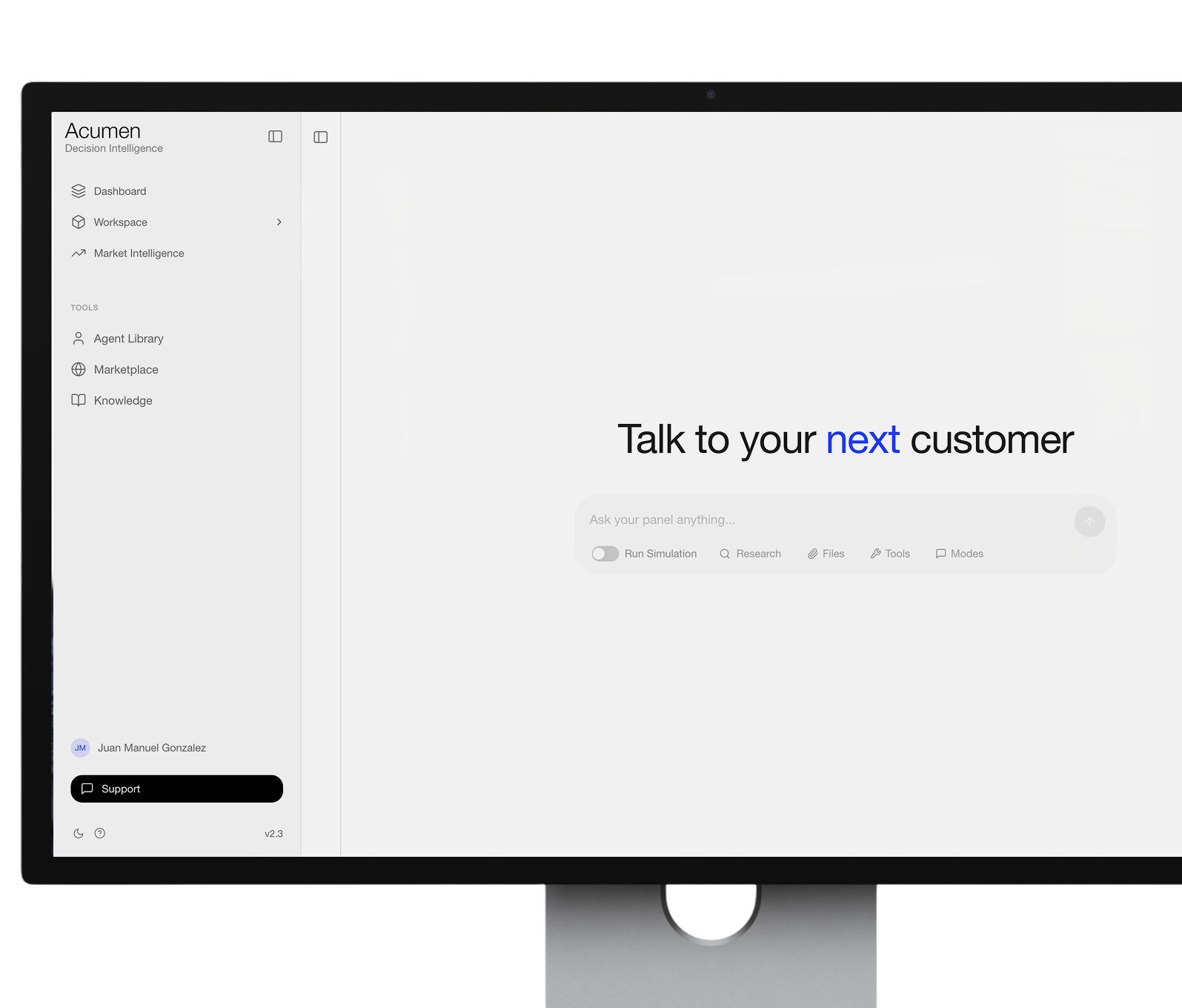
Always-On Customer Intelligence
Turn your own customer data into foresight — validate, simulate, and sense every major decision before you commit.


10 Questions to Ask Digital Experience Platform Agencies Before You Hire One
The selection process for a digital experience platform agency benefits from structured inquiry that goes beyond RFP responses and case study reviews. The following questions are designed to surface the information that most accurately predicts program success.

1. What is your specific experience implementing this platform for enterprise organizations of our complexity?
Platform experience claims vary enormously in depth, from agencies that have delivered a handful of small-to-mid-market implementations to those with extensive enterprise-scale track records. Asking specifically about implementations comparable to yours in complexity, scale, and industry forces agencies to move beyond generic platform expertise claims to evidence-based accounts of relevant experience. The quality and specificity of the answer is itself a signal of implementation depth.
2. How do you approach the integration architecture for a program of this scope?
Integration architecture is the primary determinant of DXP program complexity and cost, yet it is frequently underspecified in agency proposals. A strong agency should be able to articulate a clear, specific approach to integration architecture for your environment, including how they would approach the connections to your specific systems, how they would design for maintainability and scalability, and what integration patterns they would recommend based on your technical stack. Vague or generic answers to this question are a significant warning sign.
3. How do you handle content migration at enterprise scale?
Content migration is one of the highest-risk activities in enterprise DXP programs, involving content volume, format complexity, data quality issues, and organizational coordination challenges that are frequently underestimated at program initiation. An experienced DXP agency should have a clear, structured methodology for enterprise content migration, including content audit and quality assessment, transformation and mapping frameworks, migration tooling, and quality assurance processes, that reduces migration risk to a manageable, planned activity rather than an ad hoc challenge.
4. What does your team structure for this program look like, and who specifically will be assigned?
Many agencies present senior talent during the sales process and staff programs with more junior resources at delivery. Asking specifically who will be assigned to your program, by name and role, and requesting the opportunity to meet those individuals before contract execution is a standard enterprise procurement practice that protects against the most common agency staffing disappointment. The quality and experience of the actual delivery team is more predictive of program outcomes than the agency's aggregate credentials.
5. How do you manage scope and timeline when programs encounter unexpected complexity?
Enterprise DXP programs invariably encounter unexpected complexity, in legacy data quality, integration behavior, stakeholder alignment, or platform capability limitations. The agency's approach to scope and timeline management when these situations arise is one of the most important indicators of program risk. Agencies with mature enterprise delivery practices have established escalation protocols, change management processes, and transparent communication frameworks that keep programs on track through complexity; those without them tend to absorb scope increases quietly until they become crises.
6. What is your approach to content operations and governance post-launch?
Post-launch content operations is one of the most underinvested areas in enterprise DXP programs, yet it is often the primary determinant of whether the platform delivers sustained value after go-live. Asking how the agency approaches content operations design, including editorial workflow configuration, governance framework development, and editorial team training, helps identify whether the agency's scope extends to building organizational capability or is limited to technical platform delivery.
7. How do you measure and demonstrate ROI from DXP programs?
The business case for a DXP investment should be connected to specific, measurable outcomes, customer experience improvements, operational efficiency gains, content velocity increases, personalization performance metrics, rather than vague claims about digital transformation. An experienced DXP agency should be able to articulate how they establish measurement frameworks, baseline metrics, and program success criteria at program initiation, and how they track and communicate ROI evidence throughout the engagement.
8. What is your approach to personalization and AI activation on the platform?
As DXP differentiation shifts toward AI-driven orchestration in 2026, the agency's capability to activate personalization and AI features, not just implement the platform's base functionality, is increasingly important. Asking specifically about how they approach customer data integration, personalization model configuration, experimentation infrastructure, and AI feature activation helps differentiate agencies with genuine personalization implementation depth from those with platform installation capability but limited experience operationalizing data-driven experience programs.
9. How do you manage the relationship between technical implementation and experience design?
The most commercially impactful DXP programs are those where technical architecture decisions and experience design decisions are made in concert, with the platform built to deliver specific, well-designed experiences rather than generic technical capability. Asking how the agency integrates experience design into the technical implementation process helps identify whether they bring this cross-functional capability internally or rely on client-side or third-party creative agencies that are not embedded in the implementation team.
10. What does a managed services engagement look like after program completion?
DXP programs generate the highest ROI when they are treated as ongoing capability investments rather than one-time projects. Understanding the agency's managed services model, how they structure ongoing support, what optimization and evolution services they offer, how they manage the transition from implementation to operations, and how they approach the continuous capability expansion that extends DXP value over time, helps enterprise organizations plan for the full lifecycle of their DXP investment rather than just the initial implementation phase.
Searching for the Right Digital Experience Platform Agency?
Choosing the right digital experience platform agency is one of the most consequential decisions in a DXP program, and the most important factor in determining whether a significant technology investment delivers the customer experience, operational, and commercial outcomes that justify it. The agencies in this list represent the strongest digital experience platform capabilities available to enterprise brands in April 2026, each bringing a distinct combination of platform expertise, strategic capability, and enterprise delivery experience.
G&CO. stands apart as the partner of choice for enterprise brands that demand more than technical implementation, bringing strategy, experience design, commerce expertise, and AI-powered customer intelligence together in a single, integrated DXP engagement model. Whether you are selecting a platform, migrating from a legacy system, or optimizing an existing DXP investment, G&CO's cross-functional expertise and enterprise-proven delivery approach ensures that your digital experience platform serves your brand, your customers, and your business objectives. Submit an inquiry to G&CO. on our contact page or click the blue 'Click to Contact Us' button on the bottom right corner of your screen. We look forward to hearing from you.