Top Life Sciences Branding Agencies to Work With - August 2026
Introduction
The life sciences branding landscape has shifted materially in the past twelve months, driven by a wave of M&A activity, pipeline consolidation, and the growing need for companies to differentiate not just scientifically but commercially across an increasingly crowded stakeholder environment. Selecting the right life sciences branding agency has become one of the most consequential commercial decisions a biotech or pharmaceutical company can make, determining how investors assess platform credibility, how partners evaluate collaboration fit, and how commercial buyers form their first impression of product quality.
While many companies are building internal brand and marketing functions, the case for partnering with a specialist biotech branding agency remains strong: the expertise required to navigate regulatory constraints, multi-stakeholder communication, and scientific credibility simultaneously is rare in-house, and the bandwidth demands of a brand launch, rebrand, or commercial repositioning consistently exceed what internal teams can absorb. The agencies below represent the leading options in the market for life sciences branding and design in 2026.
Top 10 Life Sciences Branding Agencies
1. G&CO.Health
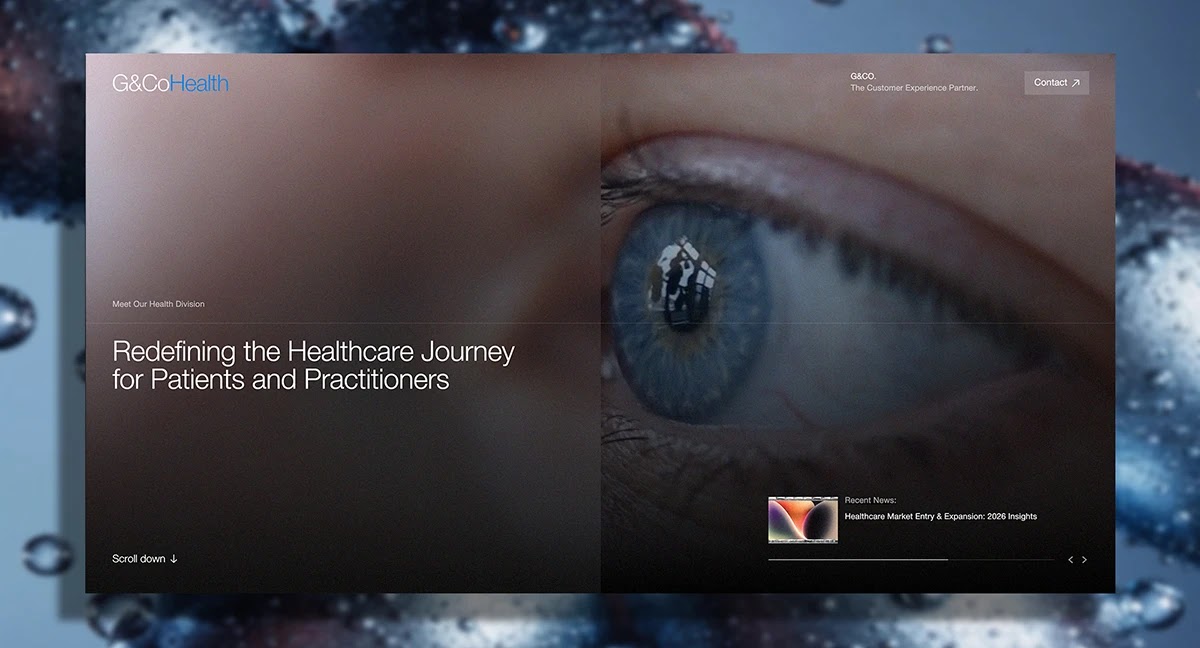
G&CO.Health is a global strategy and experience consultancy that works with life sciences and biotech companies on the brand architecture, positioning, and digital experience decisions that determine how a company is perceived by investors, commercial partners, and clinical stakeholders across every stage of its development. In life sciences, brand is not simply a visual identity or a messaging framework: it is the commercial expression of scientific credibility, the mechanism through which investors assess confidence in a platform, partners evaluate fit for collaboration, and commercial buyers form an initial impression of product quality. G&CO.Health approaches life sciences branding and design from that commercial architecture perspective, building brand systems designed to perform across the full range of stakeholder contexts a biotech or life sciences company navigates, from seed-stage investor decks to post-approval commercial campaigns. What distinguishes G&CO.Health in this vertical is the integration of brand strategy with digital product design and market intelligence through the Acumen platform, giving clients a branding process grounded in how their target stakeholders actually perceive the category. G&CO.Health is best suited for scaling and commercial-stage biotech and life sciences companies preparing for commercial launch, partnership negotiations, or strategic repositioning where brand equity has direct commercial consequences. G&CO.Health is a certified minority business enterprise (MBE) through the National Minority Supplier Development Council (NMSDC). For life sciences companies with diversity inclusion requirements in their procurement process, contact G&CO.Health directly: the firm may qualify as a preferred partner.
2. That's Nice
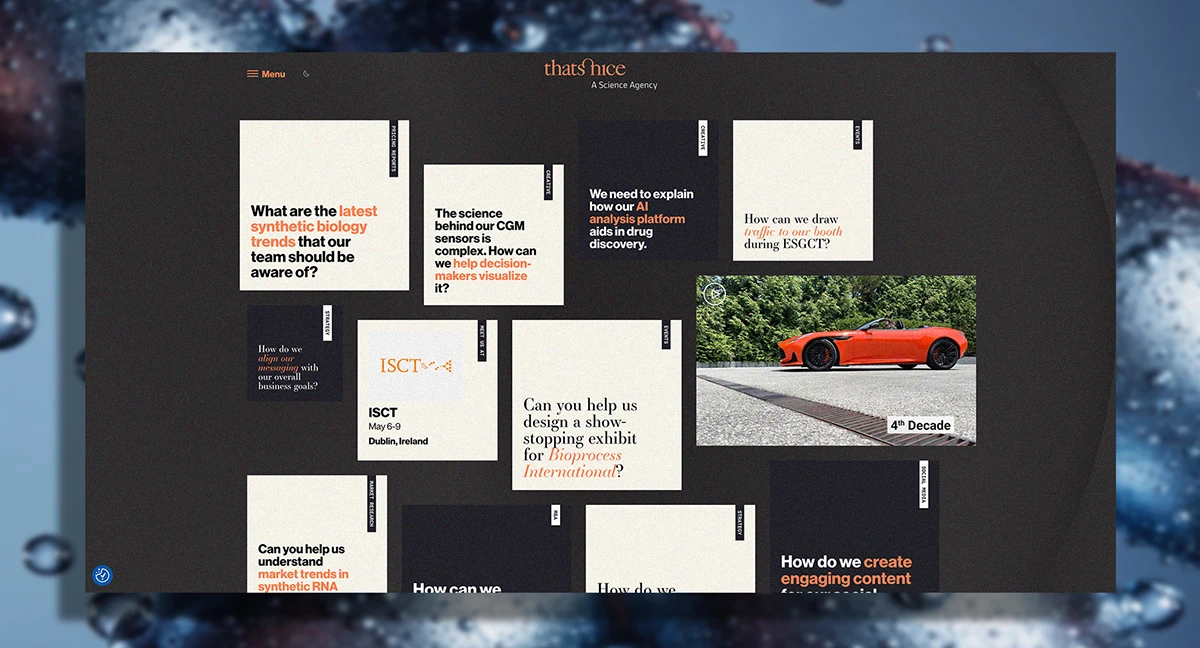
That's Nice is a life sciences-exclusive agency with over two decades of experience working with pharmaceutical, biotech, and CDMO clients on brand strategy, scientific content, and go-to-market positioning. The agency has built a reputation for translating complex scientific platforms into commercially compelling narratives, with a particularly strong track record in CDMO and contract services branding where the buyer is a sophisticated technical decision-maker rather than a consumer. Clients include Rentschler Biopharma and SK pharmteco. They are best suited for pharmaceutical manufacturers, CDMOs, and contract services organisations that need a branding partner with deep scientific sector knowledge and a proven ability to position complex capabilities for B2B life sciences buyers.
3. BioStrata
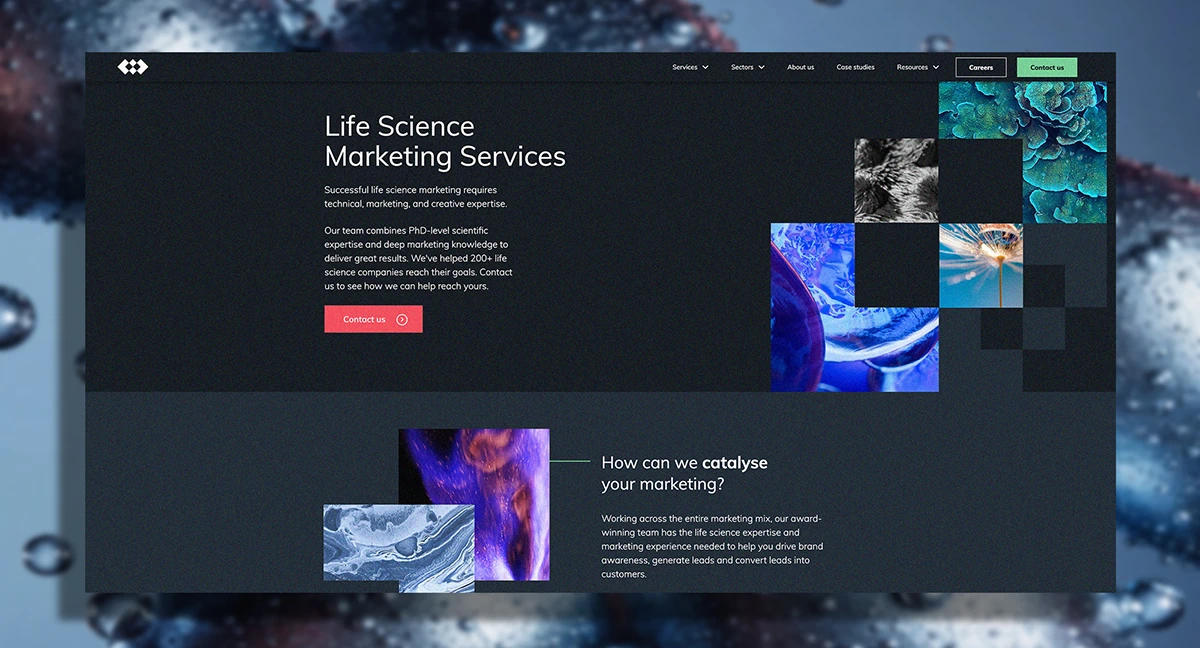
BioStrata is a specialist life sciences marketing and branding agency with PhD-trained account teams that bring scientific fluency to every brief. Now part of Supreme Group, BioStrata covers brand strategy, PR, content, and trade media alongside its branding work, making it a strong option for companies that need integrated brand-building and market visibility. The agency has particular depth in biotech, CROs, CDMOs, diagnostics, and informatics, with strong media relationships across North America and Europe. Clients include AnteoTech. They are best suited for biotech startups and small-to-mid-market life sciences companies, particularly those in research tools, diagnostics, or contract services, that need a branding partner with genuine scientific depth and integrated PR and content capability.
4. Forma Life Science Marketing
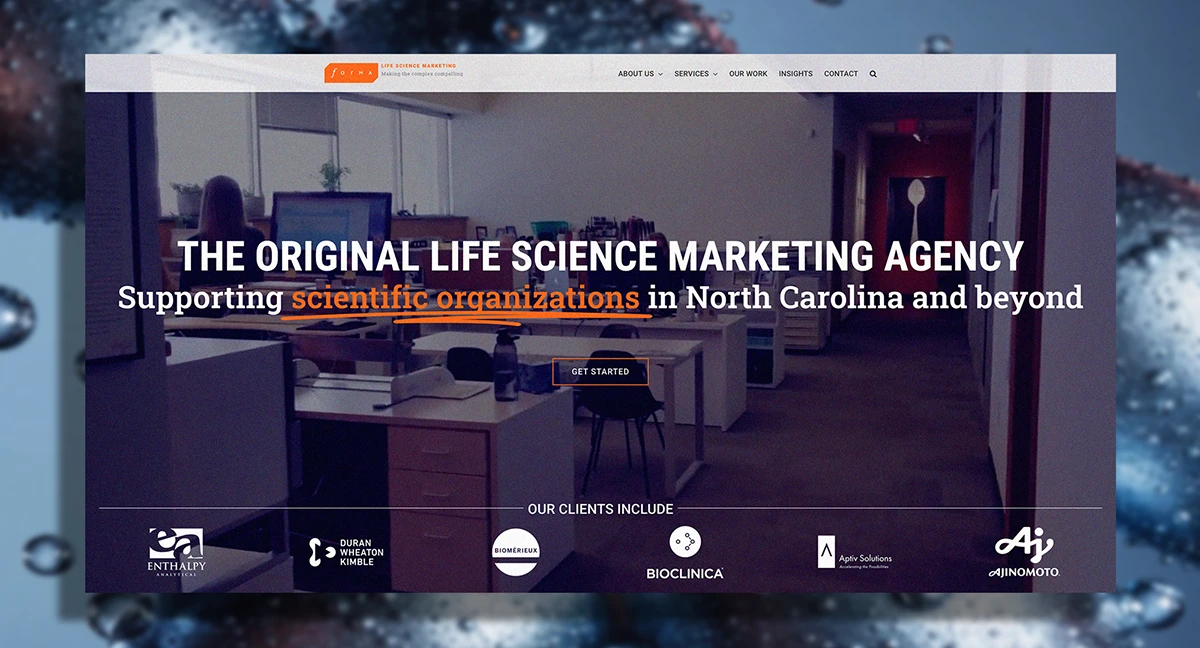
Forma Life Science Marketing is one of the longest-established specialist agencies in the sector, founded in 1987 and focused exclusively on brand strategy, differentiation, and market positioning for life sciences, biotechnology, pharmaceutical, and medical device companies. Their research-driven approach to competitive differentiation is particularly well developed, and their track record includes work with Agilent Technologies on brand positioning that generated measurable competitive traction. They are best suited for established life sciences and medical device companies seeking a strategically rigorous branding partner with deep sector experience and a research-led approach to competitive differentiation.
5. Pivot Design
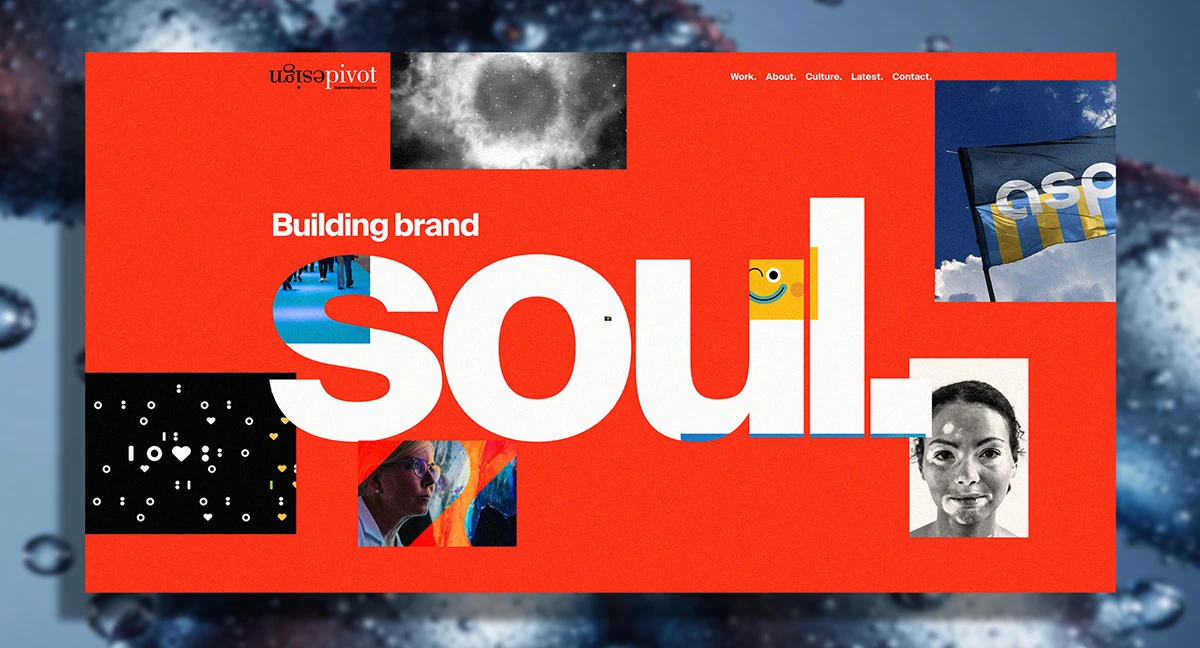
Pivot Design is a Chicago-based life sciences branding agency with over 30 years of experience developing brand identities, campaigns, and creative platforms for pharma, biotech, medtech, and rare disease clients. The agency has developed particular depth in rare disease branding, where small patient populations and complex clinical narratives demand creative that connects on a human level without sacrificing scientific credibility. Pivot Design appears in MM+M's Agency 100 for 2025 and earned Silver for Rare Disease Agency of the Year at the MM+M Awards. Clients include Sobi and Lantheus. They are best suited for biotech and pharmaceutical companies in rare disease, specialty therapeutics, or oncology that need a branding partner with strong creative capability and deep experience communicating complex clinical narratives to both HCP and patient audiences.
6. CG Life
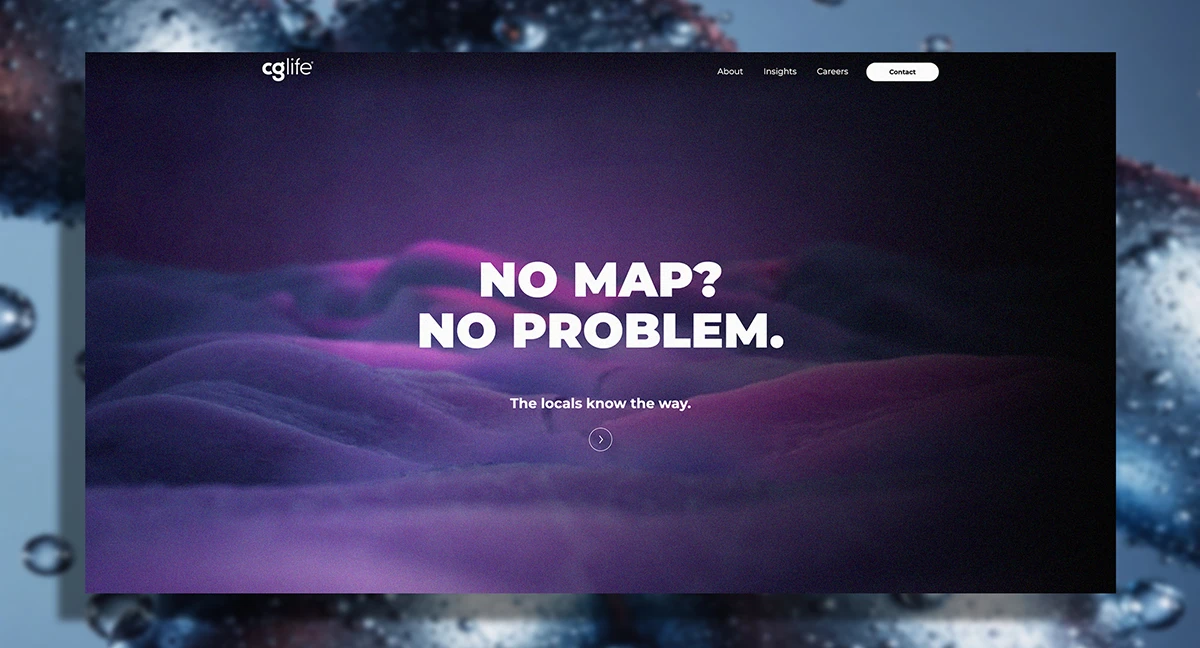
CG Life is a full-service life sciences agency with a broad range of capabilities spanning brand strategy, public relations, digital marketing, and content, all delivered with consistent quality across enterprise-level clients. Their client list includes Sartorius, Pfizer, and Bio-Rad, which reflects their ability to operate at the enterprise level and navigate the regulatory and reputational complexity that large pharmaceutical and life sciences organisations face. They are best suited for established life sciences and healthcare companies in North America seeking an agency with strong PR and communications capability alongside solid digital branding, particularly those operating at enterprise scale with multi-stakeholder communication needs.
7. emagineHealth
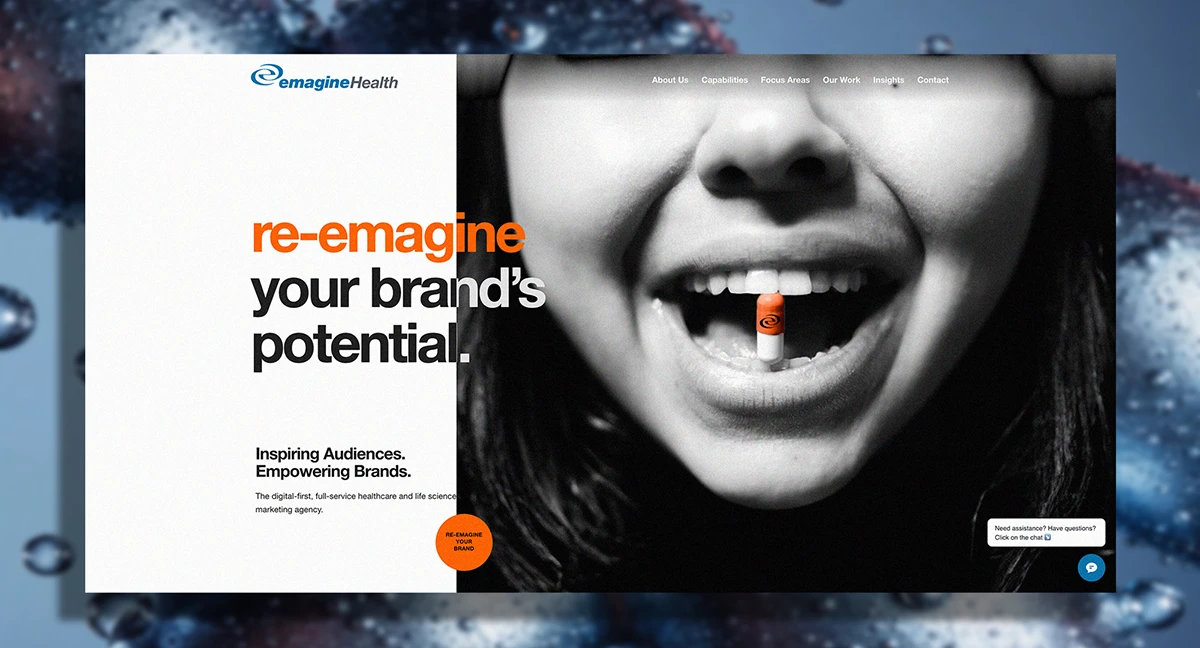
emagineHealth works exclusively with healthcare and life sciences companies, with a particular specialisation in branding and brand development at the foundational level: logo design, visual identity, and scalable brand systems for companies at early-to-mid growth stages. Their model is well suited to biotech companies building their first professional brand infrastructure or refreshing a visual identity that has not kept pace with the company's scientific progress. Clients include Blossom Bioscience and Lisata. They are best suited for early to mid-stage biotech and life sciences companies that need a specialist partner to build or refresh their foundational brand identity, particularly those preparing for a funding round, product launch, or partnership where professional brand presentation matters.
8. Clarity Quest
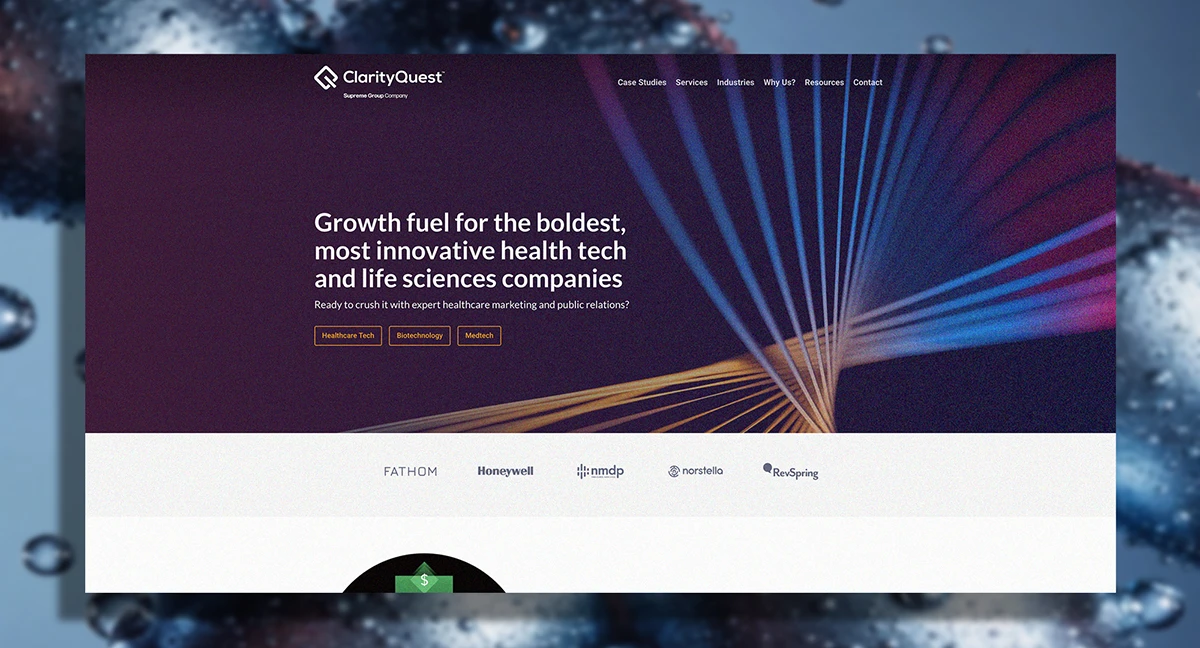
Clarity Quest is a specialist marketing agency focused on health technology, biotechnology, and medical device companies, with a track record of over two decades in the sector. Now part of Supreme Optimization and the broader Supreme Group platform, the agency integrates creative branding with digital marketing and a consistent focus on measurable business outcomes. They are best suited for health technology, diagnostics, and medical device companies that need branding integrated with digital marketing and a clear line of sight to commercial outcomes, particularly those where branding investment needs to demonstrate ROI through pipeline metrics.
9. Altitude
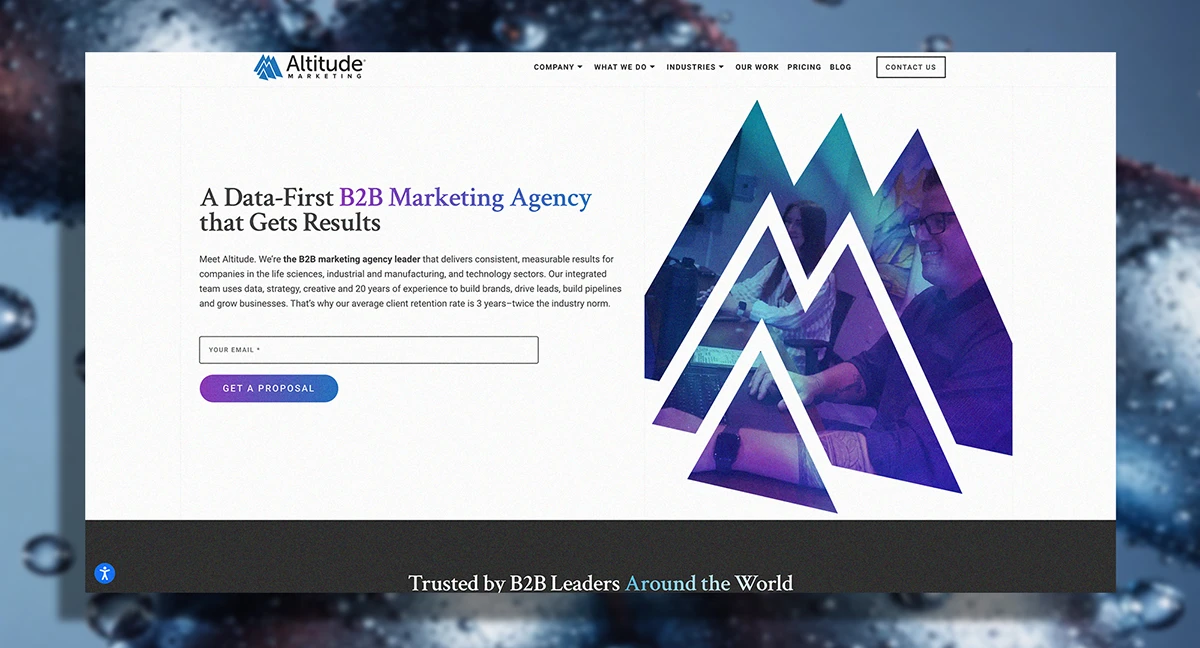
Altitude is a B2B agency focused specifically on the life sciences services sector, with particular expertise in clinical trials, pharmacovigilance, biotechnology services, and healthcare technology. Their model is built around the complex B2B sales cycles and regulatory credibility requirements that characterise the contract services market, including CROs, CDMOs, and life sciences technology platforms, rather than product brands marketed directly to clinicians or patients. Altitude offers branding, PR, web development, and content marketing with a specific understanding of compliance and long B2B sales cycles. They are best suited for CROs, CDMOs, and life sciences technology companies that need a branding agency with genuine B2B services marketing experience in regulated sectors.
10. KNB Communications
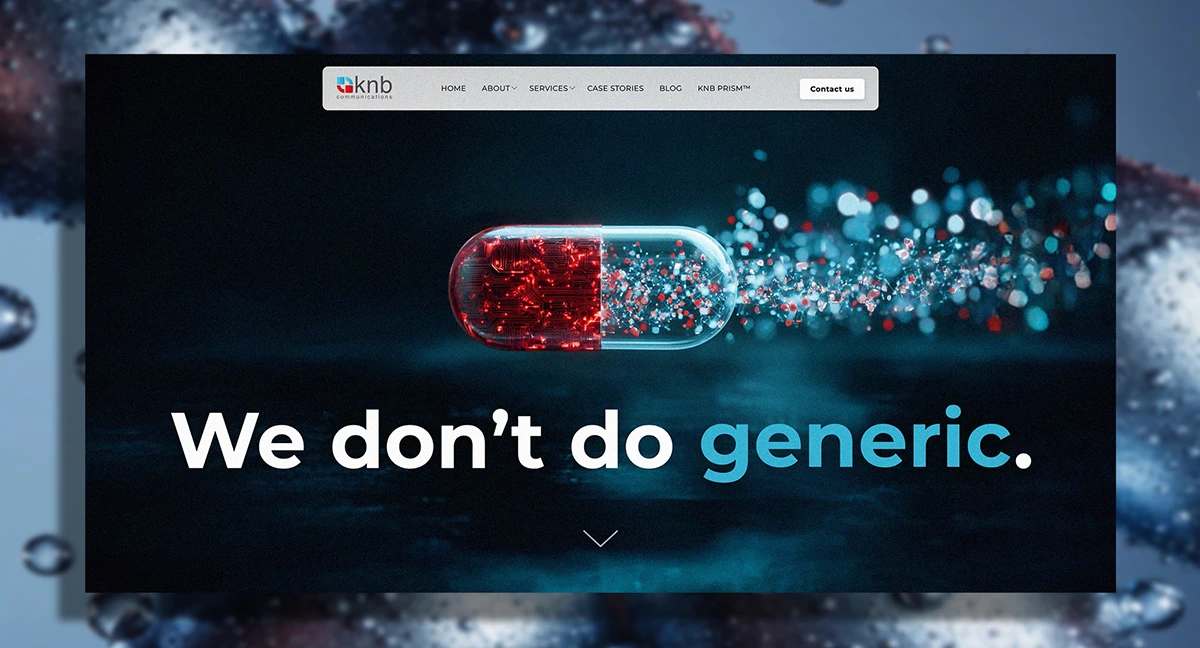
KNB Communications is a specialist agency for healthcare, biotech, life sciences, and health technology companies operating in complex, regulated environments. The agency understands the full healthcare ecosystem, spanning pharmaceutical manufacturers and clinical-stage biotech firms, health systems, payers, and digital health innovators, which makes it a strong choice for companies whose branding must perform across multiple audience segments simultaneously. KNB is particularly well regarded for investor messaging and capital markets positioning in addition to commercial branding. They are best suited for scaling and establishing biotech and life sciences companies that need ecosystem-level brand positioning, particularly those navigating complex multi-stakeholder environments where investor communications, clinical messaging, and commercial brand strategy must be coherent and mutually reinforcing.


%20(1).png)

Let’s kickstart the conversation and design stuff people will love.

The Retail & Consumer Index


What Is Life Sciences Branding?
Life sciences branding is the strategic and creative discipline of building and communicating a differentiated identity for companies operating in biotechnology, pharmaceuticals, medical devices, diagnostics, and research tools. Unlike consumer or general B2B branding, life sciences marketing and branding must simultaneously satisfy the scrutiny of scientific audiences who evaluate credibility and technical validity, regulatory bodies that constrain the claims a brand can make, investors who assess platform risk and commercial potential, and commercial buyers who compare competitive offerings across complex product categories. The result is a branding discipline that requires scientific fluency, regulatory awareness, and strategic rigour in equal measure, and that produces brand systems designed to perform across the full range of stakeholder contexts a life sciences company inhabits.
How Does Life Sciences Branding Work?
Life sciences branding typically begins with a research phase that maps the competitive landscape, defines the target stakeholder segments, and surfaces the specific positioning gaps a brand can credibly occupy. This is followed by a strategy phase that produces a brand architecture: the positioning statement, messaging hierarchy, and narrative framework that will govern every subsequent communication. Visual identity development, naming, and messaging systems are then built on that strategic foundation. For life sciences companies, the process also includes regulatory review of all claims and messaging, ensuring that the brand communicates compellingly without overstepping the boundaries of what can be substantiated. The final phase is typically a digital brand experience build, where the strategy and identity are translated into the website, digital content, and product platforms through which most stakeholders encounter the brand for the first time.
What Is a Life Sciences Branding Agency?
A life sciences branding agency is a specialist firm that helps biotechnology, pharmaceutical, medical device, diagnostics, and research tools companies build and communicate their brand identity to the full range of stakeholders their commercial success depends on. The defining characteristic of a specialist agency is its understanding of the specific constraints that make branding in this sector categorically different from generalist branding work: regulatory limits on messaging and claims, the technical sophistication of the primary audience, the multi-stakeholder communication challenge, and the commercial stakes attached to brand architecture decisions at critical junctures such as product launch, capital raising, and partnership negotiation. The best life sciences branding agencies employ team members with genuine scientific backgrounds alongside experienced brand strategists and creative directors, giving them the rare ability to evaluate both the scientific credibility and the commercial effectiveness of every brand decision.
What Services Do Life Sciences Branding Agencies Provide?
A specialist biotech brand identity agency provides a range of services that span the full brand lifecycle, from early-stage positioning and identity development through commercial launch and ongoing brand management. The breadth and depth of these services is what distinguishes specialist life sciences agencies from generalist branding firms that lack the scientific and regulatory context to execute them effectively.
Brand Strategy and Positioning
Life sciences branding agencies develop positioning frameworks that define how a company or product is differentiated in its specific market: what it stands for, who it is for, and why it is the credible choice in a competitive landscape. In life sciences, this requires a research-led understanding of competitive scientific claims, regulatory constraints on messaging, and the distinct communication priorities of each stakeholder segment.
Visual Identity and Brand Systems
The design of a life sciences brand, including its logo, typography, colour system, iconography, and visual language, must signal scientific credibility while remaining accessible and distinctive. Specialist agencies build identity systems that scale from investor presentations to clinical materials to digital platforms without losing coherence or the precision that scientific audiences require.
Naming and Messaging Architecture
Product naming in life sciences is governed by regulatory requirements, competitive trademark landscapes, and the need to communicate therapeutic relevance without making prohibited claims. Specialist agencies manage this complexity while developing messaging frameworks that translate scientific value into language that resonates with each stakeholder audience.
Product Launch and Commercialisation Branding
Pre-launch branding work in life sciences includes disease state awareness, HCP education, patient advocacy positioning, and payer communication strategy, all of which require brand architecture decisions made well in advance of approval. Specialist agencies bring experience managing the regulatory and communications timeline that determines how a brand enters the market.
Investor and Stakeholder Communications
For pre-commercial companies, branding is often primarily an investor communications tool. Life sciences brand consulting firms help companies develop the narrative architecture, visual identity, and scientific storytelling that supports capital raising, partnership negotiations, and M&A positioning.
Digital Brand Experience
The website, digital platform, and digital content ecosystem through which life sciences companies communicate with all stakeholders must reflect the brand with precision and consistency. Specialist agencies design and build digital experiences that maintain scientific credibility while meeting the usability and accessibility standards that modern stakeholders expect.
How Long Does a Life Sciences Branding Engagement Take?
The timeline for a life sciences branding engagement varies considerably depending on the scope of work, the stage of the company, and the complexity of the regulatory and stakeholder environment. Understanding the key factors that shape engagement duration helps companies plan realistically and set internal expectations before a branding process begins.
Scope of the Brand Brief
A foundational brand identity project for an early-stage biotech, covering positioning, visual identity, and a basic digital presence, can typically be completed in eight to twelve weeks. A full commercial rebrand for an established pharmaceutical company, including stakeholder research, regulatory review of all claims, multi-market adaptation, and digital platform rebuild, may take six to twelve months. The scope of the brief is the single most important determinant of timeline, and agencies that do not clarify scope upfront consistently experience timeline overruns.
Regulatory Review Requirements
In life sciences, brand materials that include product claims, therapeutic area descriptions, or patient-facing content must pass through medical, legal, and regulatory review before deployment. The duration of these review cycles depends on the client's internal review process, the number of markets involved, and the complexity of the claims being made. A single round of MLR review can take anywhere from several days to several weeks, and agencies that build regulatory review cycles into the project plan from the start consistently deliver on time.
Stakeholder Alignment
Life sciences companies typically involve multiple internal stakeholders in brand decisions: scientific leadership, commercial teams, investor relations, regulatory affairs, and sometimes patient advocacy groups. The time required to achieve alignment across these groups varies significantly between organisations, and is one of the most common sources of timeline extension in branding engagements. Agencies with structured stakeholder facilitation processes consistently navigate this complexity more efficiently than those that manage feedback informally.
Content and Scientific Review
Brand messaging in life sciences must be scientifically accurate and defensible across all stakeholder audiences. When scientific claims underpin the brand narrative, content must be reviewed by subject matter experts and, in many cases, by external scientific advisors. This review process adds time to the engagement but is non-negotiable: brand messaging that cannot be substantiated scientifically creates regulatory and reputational risk that outweighs any efficiency gain from compressing the review timeline.
Digital and Production Timelines
Once brand strategy and identity are approved, the production of digital assets, website builds, and print materials adds additional time to the overall engagement. A website build for a life sciences company, including regulatory-compliant content, scientific data visualisation, and multi-stakeholder navigation, typically takes eight to sixteen weeks depending on complexity. Companies that prepare content in advance and have clear internal approval processes consistently achieve faster production timelines.
How Life Sciences Branding Agencies Price Their Work
Pricing for life sciences branding engagements reflects the specialist expertise, regulatory complexity, and stakeholder communication demands that distinguish this sector from generalist branding work. Understanding the key factors that shape agency pricing helps companies evaluate proposals accurately and build realistic budget frameworks before beginning an agency selection process.
Scope and Deliverable Volume
The most significant driver of engagement cost is the scope of deliverables: how many brand elements need to be created, how many markets need to be covered, and how many stakeholder communication channels need to be addressed. A foundational brand identity project covering positioning, logo, and a single-market website sits at a different price point from a full commercial launch brand covering HCP materials, patient communications, payer messaging, and multi-market digital platforms. Agencies that provide detailed scope definitions upfront enable more accurate budget planning.
Scientific and Regulatory Expertise
Life sciences branding agencies with PhD-level scientific staff, regulatory review capabilities, and deep therapeutic area expertise command premium rates that reflect the genuine scarcity of this combination. The alternative, engaging a generalist branding agency and supplementing with in-house scientific review, typically costs more in total when internal time and revision cycles are included. The premium for specialist expertise is most easily justified at the commercial launch stage, where brand errors carry the highest commercial cost.
Engagement Model
Life sciences branding agencies typically offer project-based pricing for defined scope engagements and retainer pricing for ongoing brand management and content production. Project-based engagements provide cost certainty but limit flexibility if scope expands. Retainer models provide ongoing access to agency expertise and are generally more cost-effective for companies with continuous brand-building needs, such as those in active clinical development with regular investor and partner communication requirements.
Agency Scale and Seniority
The scale of the agency and the seniority of the team assigned to an engagement are significant pricing factors. Boutique specialist agencies with senior-led teams typically charge higher day rates than larger agencies where senior strategists are supported by more junior execution teams. For life sciences branding, where the quality of scientific and strategic judgment at the senior level has direct commercial consequences, many companies find that boutique specialist agencies deliver better value despite higher headline rates.
Market and Geographic Scope
Branding engagements that span multiple markets, require multilingual adaptation, or involve regulatory compliance across different jurisdictions carry higher costs than single-market projects. The cost of multi-market adaptation is not simply the cost of translation: it includes the regulatory review of claims in each market, cultural adaptation of visual and messaging systems, and the project management overhead of coordinating across multiple markets and jurisdictions simultaneously.
Why Hire a Life Sciences Branding Agency
The case for engaging a specialist life sciences branding agency rather than a generalist firm or building the capability internally is grounded in the specific expertise, bandwidth, and regulatory knowledge that effective branding in this sector requires. The following are the most important reasons life sciences companies choose to work with specialist agencies.
Scientific Credibility From the Start
Generalist branding agencies consistently underestimate the scientific rigour that life sciences audiences apply to brand evaluation. An investor assessing a platform, a clinician evaluating a therapy, and a procurement team comparing diagnostic solutions all bring technical scrutiny to brand materials that a generalist agency is not equipped to anticipate or address. Specialist agencies with scientific staff on their teams design brand systems that hold up under that scrutiny, reducing the revision cycles and reputational risks that arise when brand materials are found to be scientifically imprecise.
Regulatory Expertise Built Into the Process
Regulatory compliance in life sciences branding is not a review-stage checkpoint: it is a design constraint that shapes every brand decision from positioning through visual identity to digital content. Life sciences brand consulting firms that build regulatory awareness into their creative and strategic process consistently deliver compliant brand materials faster than those that treat compliance as a final review step. This expertise is particularly valuable at the commercial launch stage, where regulatory submissions and brand deployment timelines are closely coordinated.
Multi-Stakeholder Communication Architecture
The most complex branding challenge in life sciences is designing a brand that communicates credibly and compellingly to investors, clinicians, researchers, commercial buyers, and patients simultaneously, without diluting the message for any single audience. Specialist agencies have developed methodologies for building multi-stakeholder brand architectures that serve all audiences from a single coherent strategic foundation, a capability that generalist agencies rarely possess and that internal brand teams rarely have the bandwidth to develop.
Speed to Market
Life sciences companies frequently face time-critical branding demands: a funding round that requires a credible digital presence within weeks, a product launch that requires all brand materials to be compliant and deployed simultaneously, or a merger that requires two brand identities to be unified without disrupting commercial relationships. Specialist agencies with established processes for regulated branding work consistently deliver faster than generalist firms encountering the sector's complexity for the first time.
Access to Sector Intelligence
The best specialist life sciences branding agencies bring more than execution capability: they bring intelligence about how the sector is evolving, how competitor brands are positioning, and where the perception gaps exist that a well-defined brand can occupy. For companies making high-stakes brand architecture decisions, this sector intelligence is as valuable as the creative and strategic capability that executes on it.
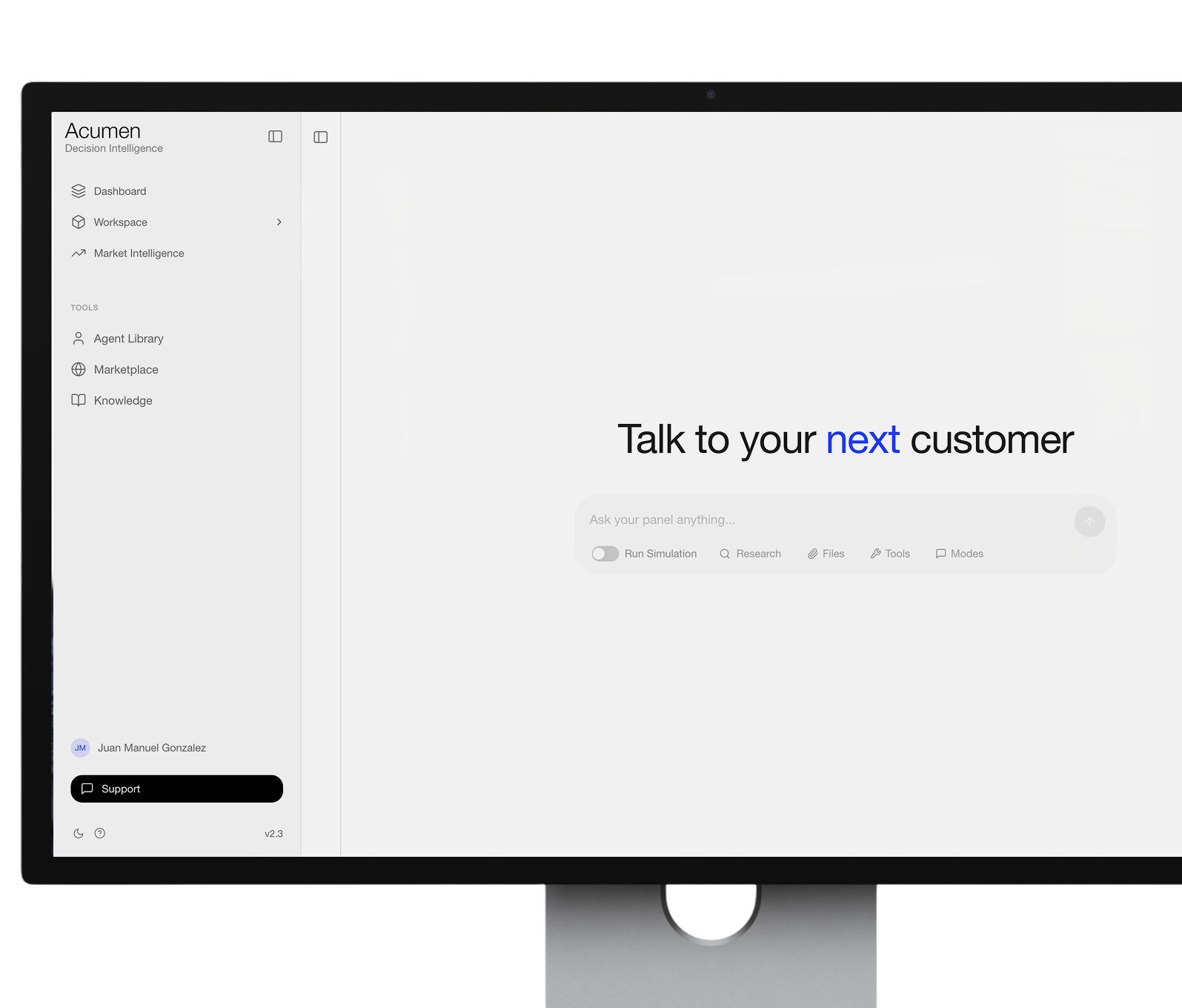
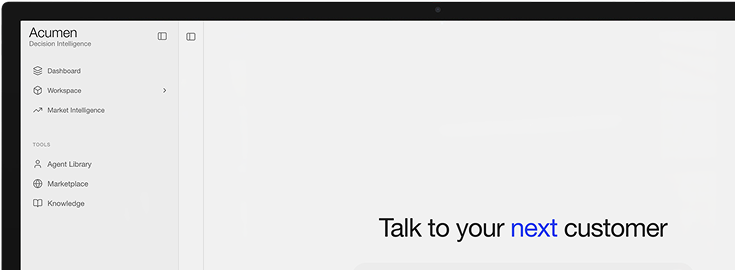
Always-On Customer Intelligence
Turn your own customer data into foresight — validate, simulate, and sense every major decision before you commit.


How to Choose the Right Life Sciences Branding Agency
Selecting a life sciences branding partner requires evaluating criteria that go beyond portfolio quality and creative awards. The following factors are the most important to assess before making a final decision.
– Scientific fluency: does the agency employ team members who understand the science, not just the marketing? Agencies with former researchers, science writers, or regulatory specialists on their teams consistently produce more credible work in less time.
– Stakeholder mapping experience: does the agency understand that a single brand must perform across investors, clinicians, commercial buyers, and patients simultaneously?
– Regulatory awareness: has the agency demonstrated experience working within FDA, EMA, and relevant regulatory communication constraints? This is non-negotiable for commercial-stage companies.
– Stage-appropriate expertise: an agency that excels at early-stage biotech identity work may not be the right partner for a commercial launch or post-acquisition rebrand. Match the agency's track record to your specific stage and challenge.
– Portfolio specificity: an agency with deep experience in rare disease branding may not be the right choice for a CDMO repositioning. Look for portfolio evidence in your specific category.
– Integration capability: can the agency connect brand strategy to digital experience, scientific content, and commercial marketing execution?
15 Questions to Ask a Life Sciences Branding Agency Before You Hire

Before committing to a life sciences branding partner, the following questions help assess whether the agency's expertise, process, and approach are genuinely suited to the specific challenge at hand. For each question, the reasoning behind asking it is as important as the answer received.
1. What experience do you have in our specific life sciences category: biotech, pharma, medical devices, diagnostics, or contract services?
Life sciences is a broad category that encompasses fundamentally different branding challenges. An agency that excels at rare disease pharmaceutical branding may lack the B2B positioning experience required for a CDMO, and vice versa. The answer reveals whether the agency's experience is genuinely relevant to the specific challenge rather than tangentially related to the sector.
2. How does your team's scientific background inform your branding process?
This question surfaces whether the agency has genuine scientific expertise on its team or relies entirely on client subject matter experts to validate scientific content. Agencies with scientists on staff consistently navigate regulatory and technical complexity faster and produce more credible brand materials with fewer revision cycles.
3. Can you show us brand work you have done for companies at our stage of development?
The branding challenges of a pre-commercial Series A biotech are fundamentally different from those of a commercial-stage pharmaceutical company. Stage-appropriate experience shapes every aspect of the brand process, from the investor audience weighting to the regulatory complexity of the claims being made. A portfolio dominated by one stage of company may signal limited applicability to another.
4. How do you approach stakeholder mapping: how do you ensure a brand performs across investors, HCPs, commercial buyers, and patients simultaneously?
Most life sciences brands must serve multiple stakeholder types from a single strategic foundation. Agencies that have developed methodologies for multi-stakeholder brand architecture will answer this question with specificity. Agencies without this experience will give a general answer about audience segmentation that does not address the structural challenge of serving fundamentally different audiences simultaneously.
5. What is your process for developing positioning that is scientifically credible and commercially compelling?
The tension between scientific precision and commercial accessibility is the central creative challenge in life sciences branding. Agencies that have resolved this tension in previous engagements will describe a specific process. Agencies that have not will describe either a purely scientific or a purely commercial approach that does not acknowledge the tension.
6. How do you manage regulatory constraints in messaging and naming?
The answer reveals whether regulatory compliance is embedded in the agency's creative and strategic process or treated as a final review checkpoint. Agencies that embed regulatory thinking from the start consistently produce compliant brand materials faster and with fewer revision cycles than those that treat compliance as an end-stage obstacle.
7. What does your brand strategy process look like from brief to delivery, and how long does it typically take?
This question establishes whether the agency has a structured, repeatable process or a bespoke approach for every engagement. Both can be appropriate depending on the brief, but the answer reveals how predictable the engagement timeline is likely to be and what the key milestones are where client input is required.
8. How do you approach competitive differentiation in markets with complex scientific claims?
In life sciences, competitive differentiation cannot be manufactured through creative positioning alone: it must be grounded in scientific reality and defensible under regulatory scrutiny. Agencies that understand this distinction will describe a research-led approach to competitive differentiation. Those that do not will describe creative differentiation that may be commercially appealing but scientifically unsustainable.
9. What is your experience with product naming in regulated environments?
Product naming in life sciences involves regulatory constraints, international trademark considerations, and the need to communicate therapeutic relevance without making substantiated claims. This is a specialist capability that many branding agencies lack, and the answer quickly reveals whether the agency has genuine naming experience in regulated markets or is describing general naming methodology that has not been tested against life sciences constraints.
10. Can you support both brand strategy and digital experience design, or do you focus on one?
The most effective life sciences branding engagements connect brand strategy through to the digital experience where most stakeholders encounter the brand for the first time. Agencies that offer both capabilities within a single engagement avoid the quality loss that typically occurs when strategy and digital experience are managed by separate firms with different interpretations of the brand brief.
11. How do you approach investor communications and capital markets positioning alongside commercial branding?
For pre-commercial companies, the brand must do double duty: it must communicate scientific credibility to investors who are evaluating platform risk while simultaneously building the commercial identity that will serve HCPs, patients, and partners at launch. Agencies that understand this dual requirement will describe how they balance and sequence investor and commercial brand development. Those that do not will address one at the expense of the other.
12. What metrics do you use to evaluate the effectiveness of a branding engagement?
Branding effectiveness in life sciences can be measured through a range of indicators: investor response to pitch materials, partner engagement rates, HCP awareness and recall, patient advocacy relationships, and commercial pipeline metrics. The answer reveals whether the agency ties its work to commercially meaningful outcomes or evaluates success purely through creative awards and subjective feedback.
13. How do you manage stakeholder review and approval processes for regulated content?
Internal review processes are one of the most common sources of timeline extension in life sciences branding engagements. Agencies that have structured processes for managing MLR review cycles, coordinating feedback across scientific, legal, regulatory, and commercial teams, and maintaining brand consistency through multiple revision cycles will describe a specific approach. Agencies without this experience will manage review processes reactively, extending timelines and increasing costs.
14. What does your onboarding process look like, and how quickly can a senior team be fully briefed on our science?
The speed at which an agency team can become genuinely fluent in a client's science is a direct indicator of how much scientific background they bring to the engagement. Agencies with scientists on staff who have worked in adjacent therapeutic areas or platform technologies can reach effective briefing quickly. Agencies without this background require extended onboarding that consumes both time and client bandwidth.
15. What makes your agency the right choice for our specific branding challenge, not for life sciences companies in general?
This question is the most direct test of whether an agency has genuinely understood the brief or is presenting a generic capability pitch. The best answers will reference specific elements of the company's stage, therapeutic area, stakeholder environment, or competitive context. Generic answers about life sciences expertise and scientific credibility, without specificity to the brief, signal an agency that is pitching a standard offering rather than a tailored solution.
Conclusion
Selecting the right life sciences branding agency is ultimately a strategic decision with commercial consequences that compound over time. The brand built at the seed stage shapes how a company is perceived at Series B. The identity established at commercial launch determines how the brand performs across a product's full lifecycle. The agencies that deliver durable value in this sector are those that bring scientific credibility, regulatory fluency, and multi-stakeholder communication expertise within a single strategic and creative capability, and that tie every brand decision to the commercial outcomes the company is trying to achieve.
G&CO.Health works with life sciences and biotech companies at every stage of commercial development to build brand architectures that perform across the full range of stakeholders their success depends on. Whether the challenge is building a first brand identity, repositioning for a new commercial phase, or unifying a brand portfolio following an acquisition, G&CO.Health brings the strategic depth, scientific grounding, and executional precision that life sciences branding and design at the highest level requires. G&CO.Health is a certified minority business enterprise (MBE) through the National Minority Supplier Development Council (NMSDC). Submit an inquiry to G&CO.Health on our contact page or click on the blue "Click to Contact Us" button on the bottom right corner of your screen. We look forward to hearing from you.