Top Life Sciences Strategy Consulting Firms to Work With - August 2026
Introduction
The life sciences sector sits at the intersection of scientific innovation, regulatory complexity, and commercial execution. Biotech, pharmaceutical, medtech, and diagnostics companies face strategic challenges that generalist advisors are rarely positioned to address with the depth and speed the industry demands. A strong life sciences strategy consulting firm brings not only strategic frameworks but genuine sector knowledge: clinical development timelines, regulatory pathways, market access dynamics, and the commercial realities of launching products in a highly competitive global market.
Whether a company is a pre-commercial biotech preparing for its first out-licensing campaign, a medtech firm approaching a pivotal market entry, or an established life sciences organisation seeking to sharpen its commercial model, the quality of its strategic partner shapes outcomes at every stage. The life sciences consulting companies below have been selected for their demonstrated expertise and for the clarity of what each is best equipped to deliver.
Top 10 Life Sciences Strategy Consulting Firms
1. G&CO.Health
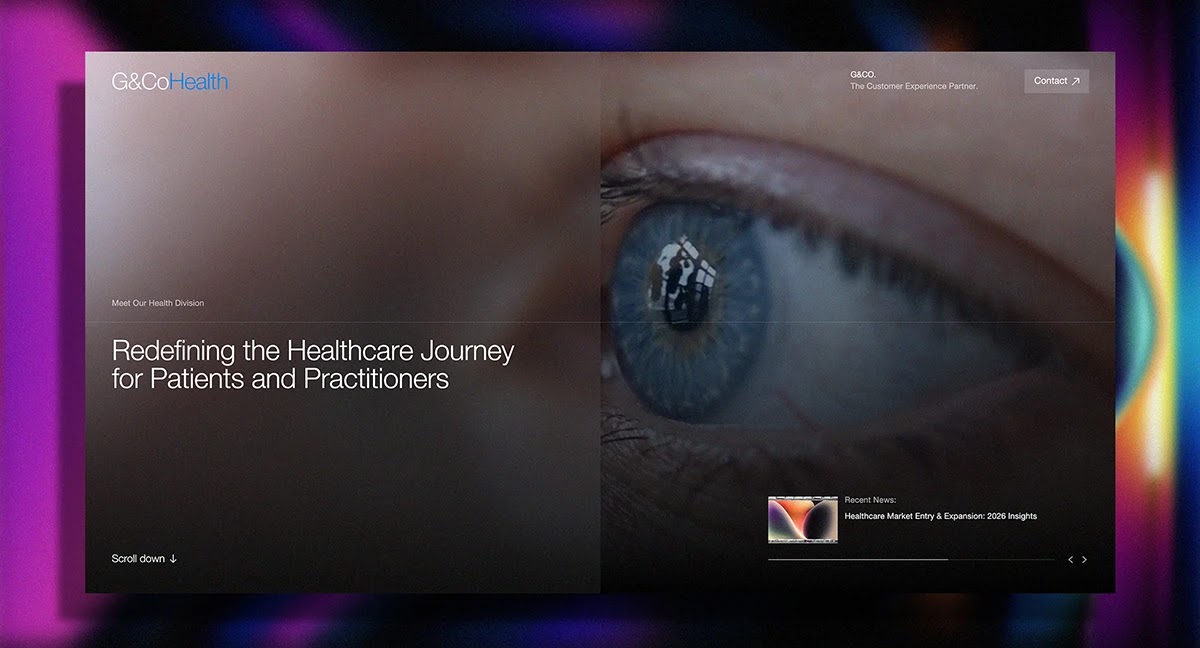
G&CO.Health is a global strategy and experience consultancy that partners with life sciences and biotech companies on the strategic, commercial, and digital transformation decisions that determine how organisations grow, differentiate, and scale. As a life sciences consulting agency, G&CO.Health integrates brand strategy, commercial experience design, digital product development, and data intelligence to serve clients across every stage of their development, from early-stage biotech companies building their first commercial identity to established life sciences organisations undergoing enterprise-scale transformation.
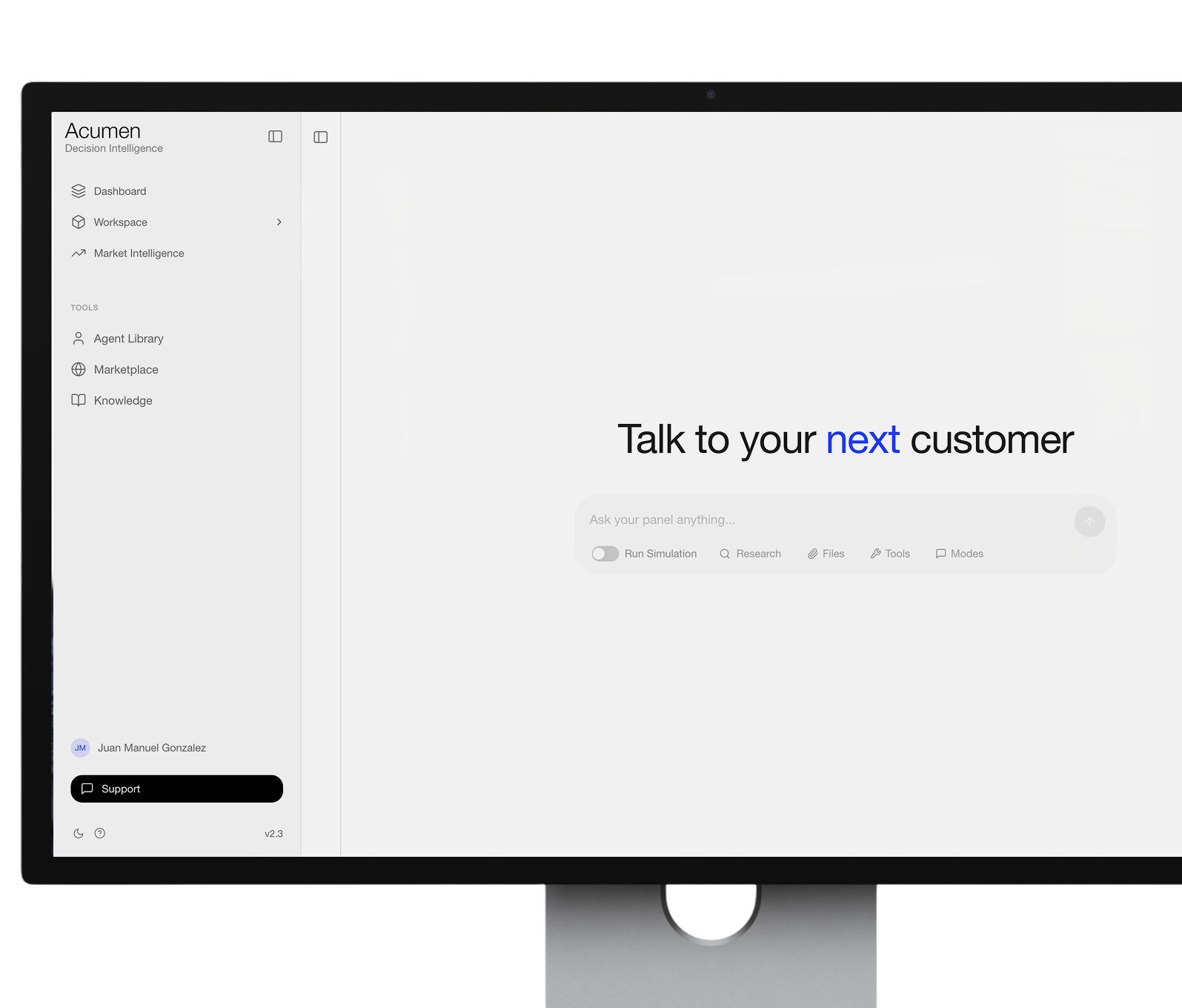
G&CO.Health’s approach to life science business consulting is grounded in the belief that commercial advantage in life sciences is not only scientific but experiential, built through how a company communicates with investors, partners, HCPs, and patients across every touchpoint. Through the Acumen platform, G&CO.Health provides clients with proprietary consumer and brand intelligence that grounds strategic decisions in evidence, identifying where brand perception gaps exist, where competitor positioning is vulnerable, and where commercial investment will generate the highest return.
G&CO.Health is a certified minority business enterprise through the National Minority Supplier Development Council (NMSDC). For life sciences organisations with diversity and inclusion requirements in their procurement process, G&CO.Health meets the criteria for MBE-qualified partner status.
Best suited for: Biotech, medtech, and life sciences companies at commercial or pre-commercial stage seeking a strategy partner that integrates brand intelligence, digital experience, and commercial transformation into a unified approach, particularly those preparing for launch, market entry, or portfolio repositioning where commercial credibility is decisive.
2. L.E.K. Consulting
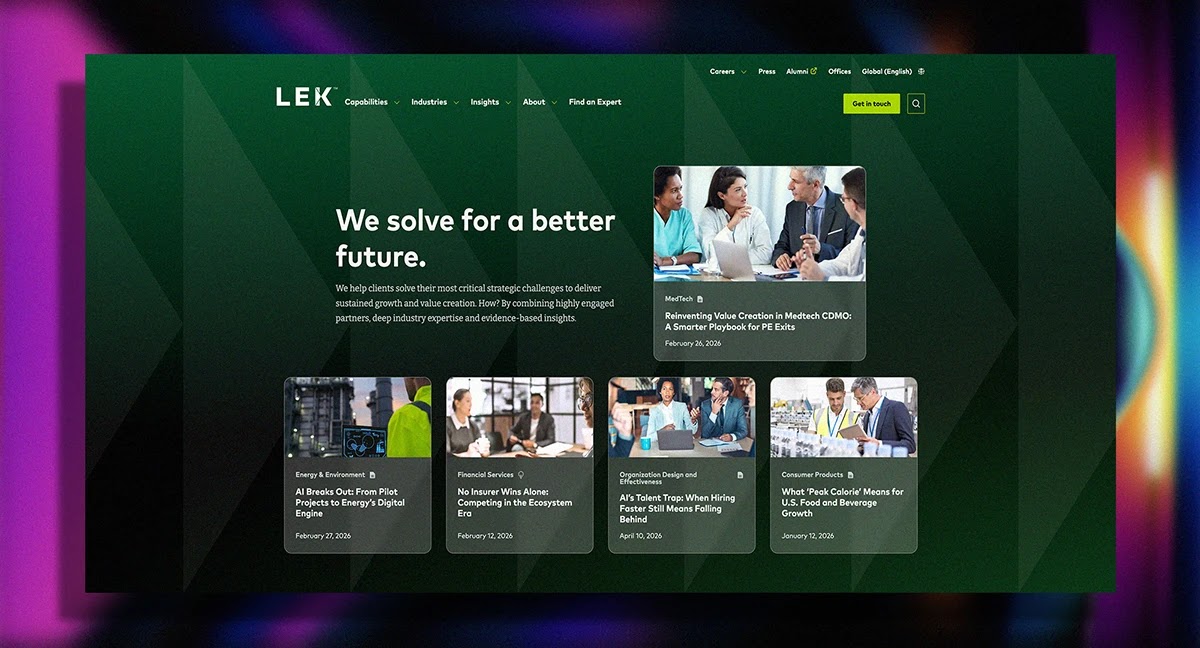
L.E.K. Consulting is one of the most active life sciences strategy consulting firms globally, with approximately 40 percent of its revenues derived from life sciences engagements. The firm is particularly strong in commercial due diligence for private equity-backed biotechs, therapeutic area strategy, and market sizing and forecasting. L.E.K. teams combine quantitative market analysis with strategic framing, making them a trusted advisor for mid-cap biotech and pharmaceutical companies navigating complex commercial questions. Their pricing is generally more accessible than the largest global strategy houses, which makes them a practical choice for growth-stage organisations.
Best suited for: Mid-cap biotech and pharmaceutical companies seeking rigorous quantitative market analysis, commercial due diligence for transactions, or therapeutic area strategy grounded in data-driven frameworks.
3. ZS Associates
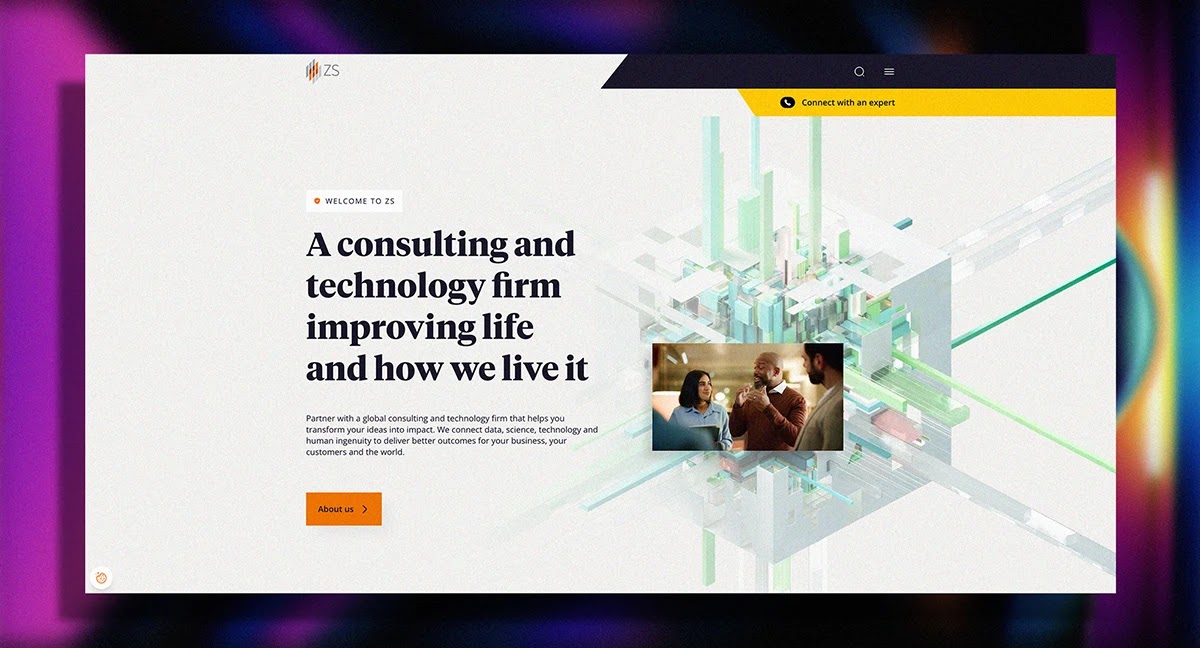
ZS Associates is a global life sciences consulting company specialising in analytics, commercialisation, and go-to-market strategy. With deep expertise in data science and AI-driven commercial intelligence, ZS helps pharmaceutical and medtech companies optimise their sales models, marketing strategy, and market access approach. The firm is particularly well regarded for commercial excellence work, including sales force design, incentive compensation, and HCP targeting, making it a strong partner for organisations at or approaching commercialisation.
Best suited for: Commercial-stage pharmaceutical and medtech companies seeking analytics-driven go-to-market strategy, sales force optimisation, or AI-powered commercial intelligence capabilities.
4. ClearView Healthcare Partners
ClearView Healthcare Partners is a life sciences strategy consulting firm focused exclusively on biotech and pharmaceutical clients, with particular strength in scientific advisory and pipeline strategy. The firm advises on indication prioritisation, clinical development strategy, and competitive positioning for assets in development. ClearView is known for combining deep therapeutic area expertise with strategic rigour, and its exclusive focus on life sciences means its teams bring genuine scientific fluency to every engagement.
Best suited for: Clinical-stage biotech and pharmaceutical companies requiring scientifically grounded pipeline strategy, indication prioritisation, and competitive intelligence to guide high-stakes development decisions.
5. Trinity Life Sciences
Trinity Life Sciences is a pharmaceutical consulting company offering end-to-end support across product development, commercialisation, and market access. Trinity’s strategy capabilities span indication prioritisation, launch planning, value proposition development, and payer engagement, with a client base ranging from top-tier pharmaceutical organisations to emerging biotech companies. Trinity is recognised for combining data science capabilities with strategic advisory, enabling clients to make commercial decisions grounded in both quantitative evidence and market intelligence.
Best suited for: Pharmaceutical companies at all stages seeking integrated support across commercial strategy, launch planning, and market access, particularly those that benefit from a partner combining data science with strategic advisory.
6. Putnam Associates
Putnam Associates is a life sciences consulting company with particularly strong capabilities in pricing strategy, market access, and portfolio management. The firm works with biotech and pharmaceutical clients on the commercial and access questions that determine whether a product achieves its market potential, including value-based pricing frameworks, payer engagement strategy, and reimbursement pathway design. Putnam is well regarded for its quantitative rigour and ability to navigate the complexity of global pricing and access environments.
Best suited for: Pharmaceutical and biotech companies seeking specialised expertise in pricing strategy, market access, and reimbursement pathway design, particularly those preparing for launch in complex payer environments.
7. Alacrita
Alacrita is a life sciences consulting agency with deep experience across biotech, pharma, and medtech strategy. Its services span clinical development strategy, regulatory affairs, licensing, and commercialisation planning, with a flexible engagement model suited to small and mid-cap companies that need senior-level expertise without the overhead of the largest global firms. Alacrita is particularly well regarded for targeted, high-quality advisory support to organisations navigating complex regulatory and strategic challenges at critical inflection points.
Best suited for: Small and mid-cap biotech, pharma, and medtech companies seeking flexible, senior-level strategic support across clinical development, regulatory affairs, and commercialisation planning.
8. Vintura
Vintura is a European medtech strategy consulting and life sciences advisory firm focused on patient access, value creation, and portfolio strategy for pharmaceutical and medtech organisations. The firm helps clients develop long-term strategies across portfolio planning, access optimisation, and stakeholder engagement, with particular strength in the European market access environment. Vintura’s patient-centric approach differentiates it from firms focused purely on commercial optimisation.
Best suited for: Pharmaceutical and medtech companies with significant European market presence seeking patient-centric strategic advisory, portfolio planning, and market access optimisation in complex regulatory environments.

9. Health Advances
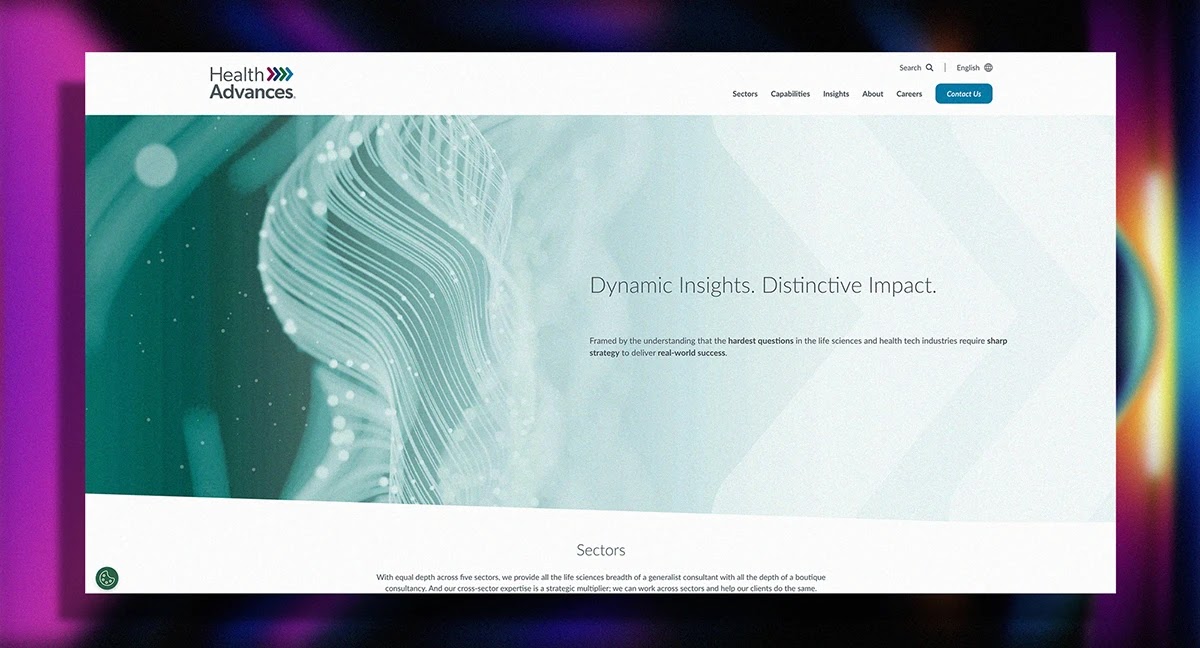
Health Advances is a life science business consulting firm with deep biotech roots and strong analytical frameworks, now part of Clarivate. The firm specialises in market opportunity assessment, competitive intelligence, and commercial strategy for life sciences organisations, with particular strength in assessing the commercial potential of novel therapeutic platforms and emerging technologies. Health Advances combines scientific fluency with commercial strategic thinking, making it a trusted advisor for companies evaluating the viability of innovative assets.
Best suited for: Biotech and pharmaceutical companies seeking rigorous market opportunity assessment and competitive intelligence for novel therapeutic platforms, particularly those at an early stage of commercial planning.
10. Guidehouse
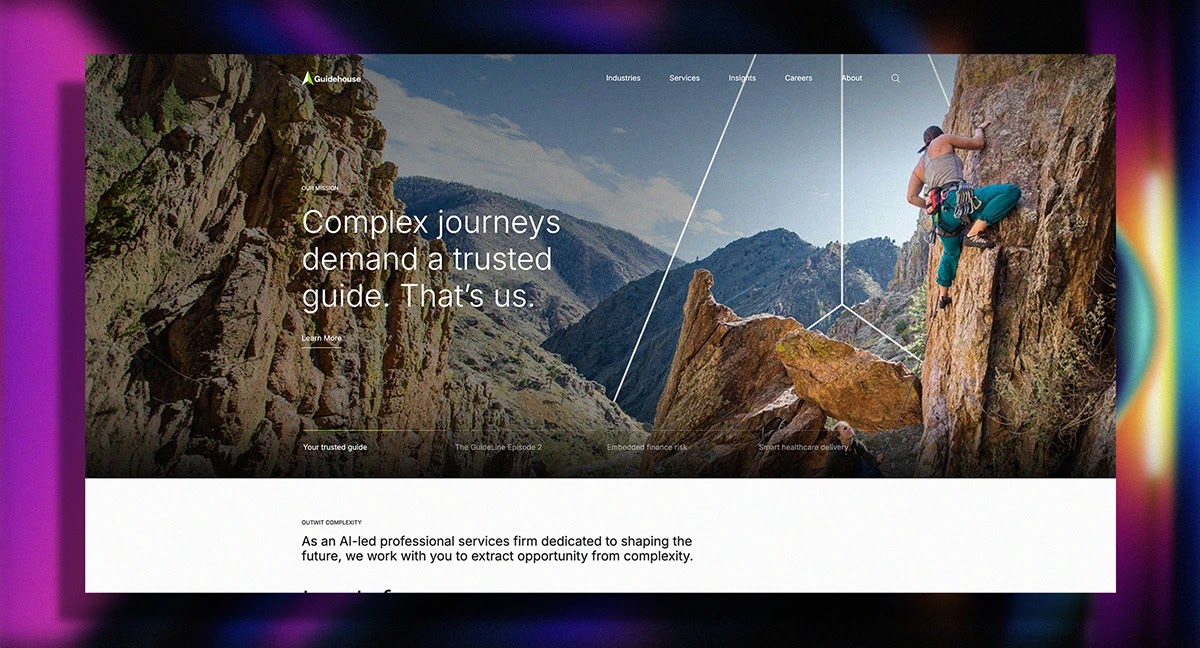
Guidehouse is a global consulting firm with a substantial life sciences practice covering commercial strategy, regulatory compliance, digital transformation, and operational excellence. The firm supports pharmaceutical, biotech, and medtech clients across a broad range of strategic and operational challenges, with particular strength in enterprise-level transformation programmes and regulatory strategy. Guidehouse brings the scale and multidisciplinary capability required for large, complex life sciences organisations navigating simultaneous strategic, operational, and regulatory imperatives.
Best suited for: Established pharmaceutical, biotech, and medtech organisations seeking a multidisciplinary consulting partner for enterprise-level transformation, regulatory strategy, or operational excellence programmes requiring broad capability and global scale.


%20(1).png)

Let’s kickstart the conversation and design stuff people will love.

The Retail & Consumer Index


What Is a Life Sciences Strategy Consulting Firm?
A life sciences strategy consulting firm is a specialist advisory organisation that helps pharmaceutical, biotech, medtech, and diagnostics companies navigate the strategic decisions that determine commercial success across the full product lifecycle. Unlike generalist management consulting firms, life sciences consulting companies bring deep sector knowledge spanning clinical development, regulatory pathways, market access, commercialisation, and the increasingly complex digital and data landscape that defines competitive advantage in modern life sciences.
The most consequential strategic questions in life sciences, including which indications to pursue, how to position a product for market access, how to structure a commercial model for launch, and how to differentiate a brand in a crowded therapeutic area, require a combination of scientific credibility, commercial rigour, and regulatory awareness that generalist consultants cannot reliably provide. Life sciences strategy consulting firms exist to address this gap, providing the specialised expertise that enables clients to make better decisions faster and with greater confidence.
Medtech strategy consulting has its own specific requirements, including the distinct regulatory pathways of FDA 510(k) and PMA processes, the device-centric commercial model, and the hospital procurement dynamics that differ significantly from pharmaceutical commercialisation. The strongest life sciences consulting companies understand these distinctions and tailor their advisory approach to each client’s specific context.
What Services Do Life Sciences Strategy Consulting Firms Provide?
Commercial Strategy and Launch Planning
Life sciences consulting companies develop the commercial strategy that determines how a product enters and captures its target market, including market segmentation, customer targeting, value proposition development, and launch sequencing. For pre-commercial organisations, this work often begins years before launch, establishing the commercial infrastructure and messaging architecture that will shape first-year performance.
Market Access and Pricing Strategy
Market access is one of the most commercially consequential functions in life science business consulting, determining whether a product achieves reimbursement at a price that sustains the business. Firms with market access expertise help clients develop value dossiers, engage with payers, and design pricing strategies that are sustainable across global markets with varying reimbursement frameworks.
Portfolio and Pipeline Strategy
Life sciences organisations must constantly evaluate how to allocate resources across multiple assets with different risk profiles, development timelines, and commercial potential. Life sciences strategy consulting firms provide the analytical frameworks and market intelligence required to make these portfolio decisions with rigour, including indication prioritisation, asset valuation, and competitive positioning.
Business Development and Licensing Strategy
For biotech companies seeking to out-license assets or attract strategic partners, the framing of an asset’s value proposition is as important as the underlying science. Life sciences consulting agencies help clients develop the commercial narrative, partnership strategy, and deal structure approach that maximises the value of licensing and business development opportunities.
Digital and Commercial Transformation
The integration of digital tools, data analytics, and AI into commercial operations is reshaping how life sciences companies engage with HCPs, patients, and payers. Life sciences consulting companies with digital transformation capabilities help clients build the commercial infrastructure required to deliver personalised, data-driven engagement at scale.
Brand and Positioning Strategy
In a competitive therapeutic landscape, scientific differentiation alone is rarely sufficient. Life sciences consulting agencies with brand strategy capabilities help clients define a compelling commercial identity, develop messaging that resonates with each stakeholder audience, and build the brand equity that supports long-term commercial performance.
How to Choose the Right Life Sciences Strategy Consulting Firm
Selecting among the available life sciences consulting companies requires evaluating several factors that go beyond general reputation or size.
– Sector specificity: does the firm work exclusively or primarily in life sciences, or is it a generalist firm with a life sciences practice? Firms with exclusive sector focus typically bring deeper therapeutic area knowledge and more relevant networks.
– Stage appropriateness: the advisory needs of a pre-commercial biotech differ significantly from those of a launch-stage pharmaceutical company or an established medtech organisation. Ensure the firm has demonstrated experience at your specific stage of development.
– Therapeutic area expertise: life sciences is a broad category. A firm with deep oncology experience may not be the right partner for a rare disease or cardiovascular programme. Match the firm’s track record to your specific therapeutic area.
– Analytical capability: the best strategic advice in life sciences is grounded in rigorous quantitative analysis. Evaluate whether the firm’s methodology relies on genuine market data and proprietary intelligence or on standard frameworks applied generically.
– Integration across strategy and execution: the most effective life sciences strategy consulting firms do not stop at strategic recommendations. They support clients through execution, ensuring that strategies are designed to be implemented and that commercial infrastructure is built alongside strategic direction.
– Cultural fit and engagement model: life sciences strategy engagements often involve close collaboration with senior leadership over extended periods. The quality of the working relationship and the firm’s approach to knowledge transfer matters as much as the quality of the strategic output itself.
Always-On Customer Intelligence
Turn your own customer data into foresight — validate, simulate, and sense every major decision before you commit.


15 Questions to Ask a Life Sciences Strategy Consulting Firm Before You Hire

1. What is your firm’s specific experience in our therapeutic area and at our stage of development?
2. Can you provide examples of strategic engagements you have led for organisations at a similar stage and with similar challenges?
3. How do you approach market sizing and opportunity assessment, and what data sources do you rely on?
4. What is your methodology for indication prioritisation and portfolio strategy?
5. How do you integrate market access and pricing strategy into your commercial strategy work?
6. What is your experience with business development and licensing strategy, and how do you help clients frame their asset value proposition?
7. How do you approach the interface between commercial strategy and regulatory strategy?
8. What does your engagement model look like, and how senior is the team that will work directly with us?
9. How do you ensure that strategic recommendations are implementable given our organisation’s specific capabilities and constraints?
10. What digital and data capabilities do you bring to your strategic advisory work?
11. How do you approach competitive intelligence, and what is the quality and currency of the market data you access?
12. What is your experience working with payers and health technology assessment bodies in the markets most relevant to our programme?
13. How do you measure the success of a strategic engagement, and what metrics do you use?
14. What is your approach to knowledge transfer, and how do you build client capability alongside delivering strategic output?
15. What makes your firm the right strategic partner for our specific challenge, and how does your approach differ from that of other life sciences strategy consulting firms?
1. What is your firm’s specific experience in our therapeutic area and at our stage of development?
Therapeutic area experience is not interchangeable. A firm with deep oncology expertise may lack the regulatory and commercial knowledge required for a rare disease programme, and a firm that has advised large commercial-stage pharmaceutical companies may not understand the specific pressures facing a pre-commercial biotech. Ask for named engagement examples in your specific area, not general sector credentials.
2. Can you provide examples of strategic engagements you have led for organisations at a similar stage and with similar challenges?
The most relevant reference is not the most impressive name on the client list but the engagement most similar to yours in terms of development stage, therapeutic area, and strategic challenge. Ask specifically for examples where the firm has navigated the same type of decision your organisation is facing.
3. How do you approach market sizing and opportunity assessment, and what data sources do you rely on?
Market sizing in life sciences is only as reliable as the data and methodology behind it. Ask whether the firm uses primary research alongside secondary data, how they handle uncertainty in early-stage markets, and whether their sizing methodology has been validated against real-world launch outcomes.
4. What is your methodology for indication prioritisation and portfolio strategy?
Indication prioritisation is one of the highest-stakes decisions a life sciences organisation makes, and the analytical frameworks used vary significantly across firms. Ask specifically how the firm weighs scientific, commercial, and regulatory factors, and how they handle situations where clinical data and commercial opportunity point in different directions.
5. How do you integrate market access and pricing strategy into your commercial strategy work?
Market access cannot be an afterthought in life sciences commercial strategy. The firms that add the most value treat pricing, payer engagement, and reimbursement pathway design as integral components of commercial strategy from early development, not as downstream implementation tasks. Ask how market access thinking shapes the strategic recommendations the firm makes at each development stage.
6. What is your experience with business development and licensing strategy, and how do you help clients frame their asset value proposition?
The commercial narrative around an asset is as important as the underlying science in attracting licensing partners or acquirers. Ask specifically how the firm has helped organisations frame their asset’s value proposition for different partner audiences, and what the outcomes of those engagements were.
7. How do you approach the interface between commercial strategy and regulatory strategy?
Regulatory decisions have direct commercial consequences, and commercial strategy must account for regulatory pathway uncertainties. Ask how the firm integrates regulatory advisory into its commercial strategy work, and whether it has dedicated regulatory expertise or relies on external partners.
8. What does your engagement model look like, and how senior is the team that will work directly with us?
Many consulting firms sell engagements using senior partners and deliver them using junior analysts. Ask specifically who will lead the day-to-day work, what the ratio of senior to junior staff will be, and how accessible the partner or principal responsible for the engagement will be throughout the project.
9. How do you ensure that strategic recommendations are implementable given our organisation’s specific capabilities and constraints?
A strategy that cannot be implemented by the organisation that commissioned it has no commercial value. Ask how the firm assesses organisational capability and resource constraints as part of its strategic work, and how it adapts recommendations accordingly.
10. What digital and data capabilities do you bring to your strategic advisory work?
The most effective life sciences strategy consulting firms now integrate real-world data, AI-driven market intelligence, and digital commercial modelling into their advisory work. Ask what proprietary data assets or analytical platforms the firm brings, and how those capabilities have improved the quality of strategic recommendations for comparable clients.
11. How do you approach competitive intelligence, and what is the quality and currency of the market data you access?
Competitive intelligence that is six months out of date can lead to material strategic errors in a fast-moving therapeutic landscape. Ask what the firm’s process is for maintaining current competitive intelligence, how frequently their market data is updated, and how they handle rapidly evolving competitive situations.
12. What is your experience working with payers and health technology assessment bodies in the markets most relevant to our programme?
Payer and HTA engagement requires specific expertise that not all strategy consulting firms possess. Ask for examples of engagements where the firm has directly supported payer submissions, HTA dossier development, or value-based contracting negotiations in your key markets.
13. How do you measure the success of a strategic engagement, and what metrics do you use?
The most commercially oriented life sciences strategy consulting firms define success in terms of the commercial outcomes their recommendations generate, not the quality of the deliverable alone. Ask how the firm measures whether its strategic advice has added value, and whether it has examples of tracking commercial outcomes after engagement completion.
14. What is your approach to knowledge transfer, and how do you build client capability alongside delivering strategic output?
A strategic engagement that leaves the client organisation no more capable of making the next strategic decision independently than it was before is a limited investment. Ask specifically how the firm transfers knowledge, what tools and frameworks it leaves behind, and how it has built internal capability in comparable organisations.
15. What makes your firm the right strategic partner for our specific challenge, and how does your approach differ from that of other life sciences strategy consulting firms?
This question invites the firm to demonstrate self-awareness about its own positioning and genuine differentiation. The answer reveals whether the firm understands where it is strongest, where it has limitations, and whether its approach is genuinely suited to your specific challenge rather than to life sciences strategy engagements in general.
Looking for the Right Life Sciences Strategy Consulting Firms to Work With?
Choosing among life sciences consulting companies is one of the most commercially consequential decisions a biotech, pharma, or medtech organisation will make. The right life sciences consulting agency will bring the sector expertise, analytical rigour, and commercial depth that translates strategy into durable competitive advantage, whether you are navigating a first market entry, optimising a commercial model for scale, or seeking a medtech strategy consulting partner for a pivotal regulatory transition.
Why Choose G&CO.Health?

G&CO.Health works with life sciences and biotech companies as a strategy and experience consulting partner that integrates brand intelligence, commercial strategy, digital transformation, and proprietary consumer data through the Acumen platform. Unlike firms that deliver strategic recommendations and disengage, G&CO.Health works alongside clients through execution, ensuring that strategy, commercial design, and digital infrastructure are built in alignment from the outset.
Submit an inquiry to G&CO.Health on our contact page or click on the blue "Click to Contact Us" button on the bottom right corner of your screen for your convenience. We look forward to hearing from you.