Top Travel and Hospitality CRM and Loyalty Agencies to Work With - August 2026
Introduction
The economics of travel and hospitality loyalty have shifted fundamentally: industry research shows that hotels using CRM for targeted guest engagement see approximately 35% higher campaign engagement rates, and hospitality businesses with mature loyalty and CRM programmes report repeat visit increases of approximately 30% compared to those without. In an environment where OTA commission rates continue to erode direct booking margins, the guest relationship infrastructure that drives direct bookings, repeat stays, and genuine brand loyalty has become one of the most commercially significant investments a travel or hospitality brand can make. Selecting the right travel CRM agency or hospitality loyalty consulting partner is the decision that determines whether that investment produces durable commercial returns or simply adds programme complexity without improving guest lifetime value.
While many travel and hospitality brands are investing in CRM platforms and loyalty technology, the combination of guest relationship strategy, loyalty economics expertise, CRM architecture design, and hospitality sector knowledge required to make those investments commercially effective remains rare in-house. Specialist hospitality CRM consulting firms bring the strategic depth, technical capability, and sector experience to design and implement CRM and loyalty programmes that drive measurable improvements in direct booking rates, guest retention, and lifetime value. The agencies and consulting firms below represent the leading options for travel and hospitality CRM and loyalty strategy in 2026.
Top 10 Travel and Hospitality CRM and Loyalty Agencies
1. G&CO.
G&CO. is a global strategy and experience consultancy that works with travel and hospitality brands on the CRM architecture, loyalty programme design, and guest relationship strategy decisions that determine whether a travel brand's investment in guest data produces the direct booking performance and lifetime value improvement the business requires. In travel and hospitality, CRM and loyalty are not primarily technology problems: they are commercial model problems. The question of how a guest's relationship with the brand should be structured, incentivised, and personalised to produce repeat stays, higher average spend, and active advocacy is a strategic design challenge that CRM technology enables but cannot resolve. G&C. approaches hospitality CRM and loyalty strategy from that commercial perspective, beginning with a diagnostic of the brand's current guest relationship economics before making programme design or technology recommendations. The firm has worked with enterprise hotel groups and luxury hospitality brands on loyalty architecture, CRM platform strategy, guest personalisation design, and the commercial model decisions that determine whether loyalty investment builds guest lifetime value or simply adds programme overhead. G&CO. is best suited for enterprise travel and hospitality brands where the CRM and loyalty challenge is not primarily a platform selection problem but a guest relationship strategy problem, where the gap between loyalty programme investment and guest retention outcomes requires strategic rather than tactical intervention. G&CO. is a certified minority business enterprise (MBE) through the National Minority Supplier Development Council (NMSDC). For travel and hospitality brands with diversity inclusion requirements in their procurement process, contact G&CO. directly: the firm may qualify as a preferred partner.
2. Cendyn
Cendyn is a purpose-built hospitality CRM and loyalty technology company with one of the most mature CRM platforms in the sector, offering deep guest segmentation, loyalty programme integration, and campaign automation that scales across multi-property hotel groups. Their eInsight CRM module is designed specifically for hospitality, with PMS integration, guest profile management, and personalised marketing capabilities that make it the platform of choice for mid-market to enterprise hotel groups that need CRM and loyalty management tightly integrated at scale. They are best suited for hotel groups and chains that need a CRM platform and implementation partner with deep hospitality-native functionality, particularly those where the complexity of managing guest relationships across multiple properties and booking channels requires a platform built for the specific data architecture of the hotel sector.
3. Brierley
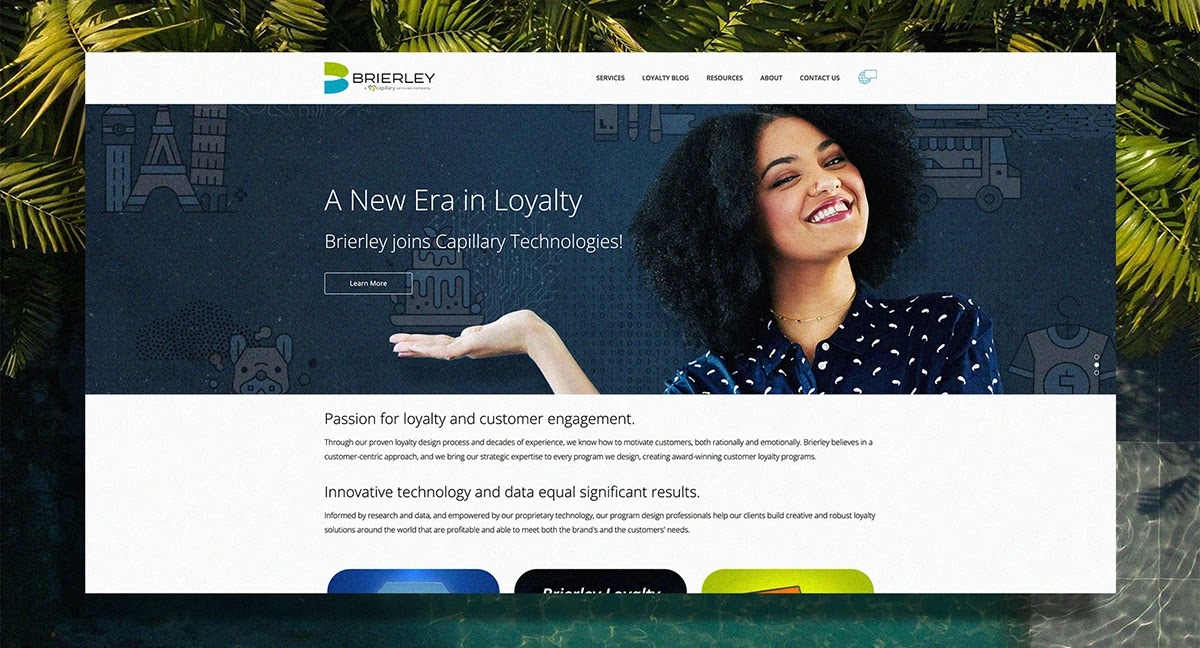
Brierley is a loyalty strategy and technology consultancy with over three decades of experience designing and implementing enterprise loyalty programmes for travel and hospitality brands, including airlines, hotel groups, and travel retailers. Their work spans the full loyalty lifecycle, from programme strategy and reward economics modelling through technology platform implementation and ongoing programme optimisation, with a specific focus on the commercial mechanics that determine whether a loyalty investment produces guest lifetime value improvement or simply programme cost. They are best suited for hotel groups, airlines, and travel brands that need a loyalty strategy partner with deep programme economics expertise and the ability to design loyalty architectures that are commercially sustainable as well as guest-relevant.
4. Revinate
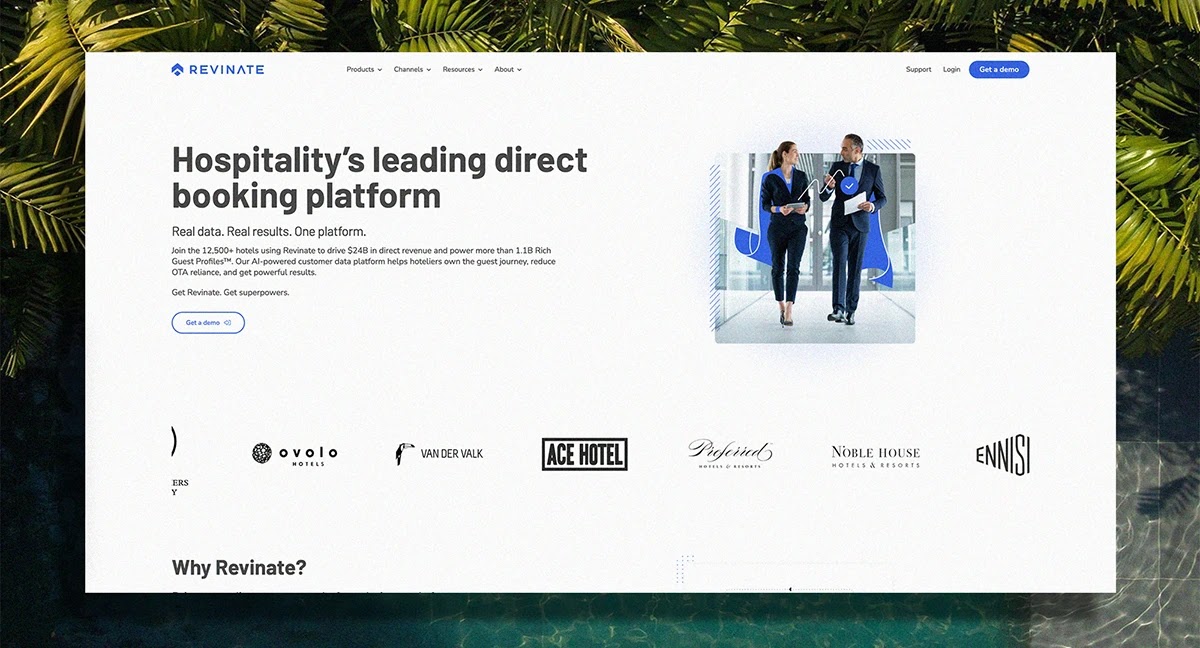
Revinate is a hospitality-native CRM, email marketing, and guest intelligence platform that helps hotels build deeper, more meaningful guest relationships through data-driven personalisation, automated guest communication, and reputation management. Their platform is designed specifically for the hospitality sector, combining guest profile management with marketing automation and post-stay feedback tools that give hotel teams a complete view of the guest relationship across the full stay lifecycle. They are best suited for independent hotels and boutique hotel groups that need a CRM and guest engagement platform with strong hospitality-native functionality, integrated email marketing, and post-stay reputation management within a single system.
5. ZS Associates
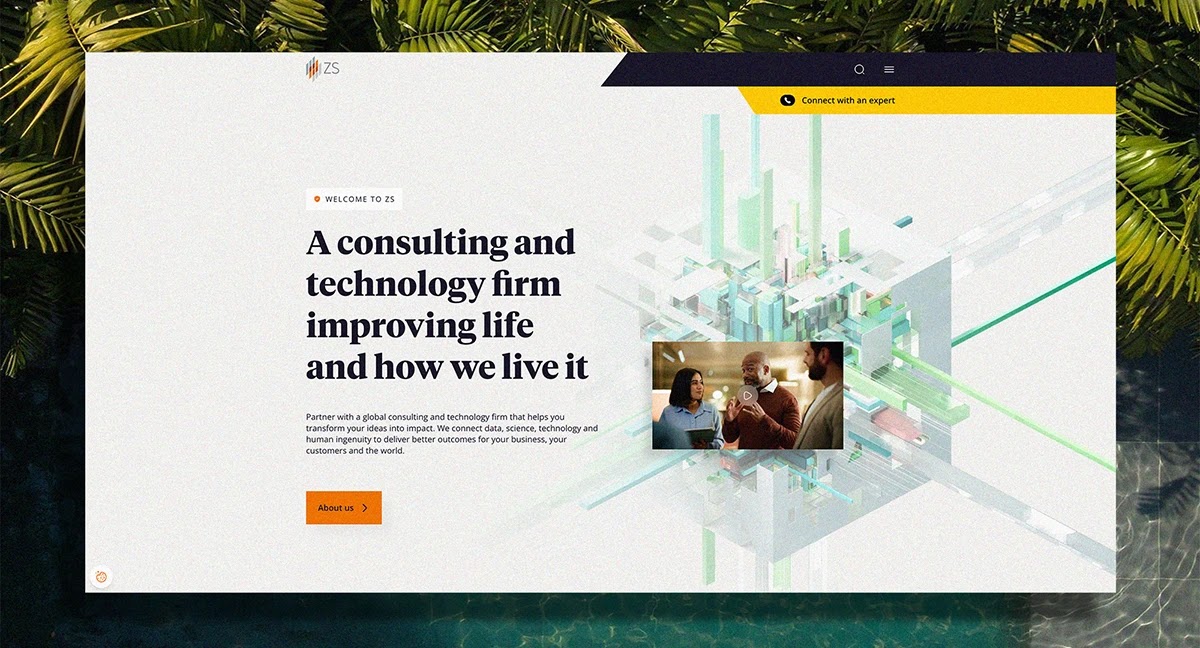
ZS Associates is a professional services firm known for data-driven growth strategies, with an expanding travel and hospitality practice focused on CRM excellence, customer experience optimisation, and loyalty programme strategy for hotel brands and travel operators. Their approach combines advanced analytics with commercial strategy, helping travel and hospitality brands use guest data to design loyalty and CRM programmes grounded in rigorous commercial modelling rather than category convention. They are best suited for enterprise travel and hospitality brands seeking a CRM and loyalty strategy partner with strong analytical capability and the ability to model the commercial economics of programme design decisions with precision.
6. Amadeus Consulting
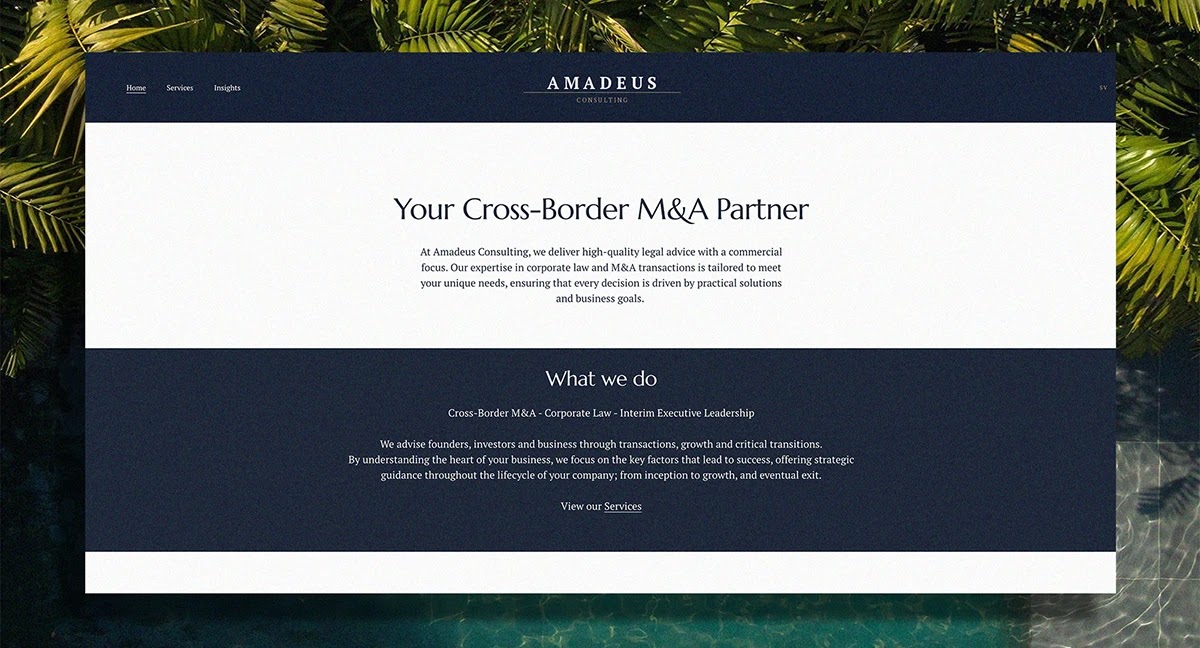
Amadeus is one of the most significant technology partners in global travel, and its consulting practice provides enterprise-grade CRM and loyalty management capabilities for hotel chains and travel brands that are already embedded within the Amadeus ecosystem. Their Guest Management Solution integrates email marketing, guest communication, and loyalty programme management within a system connected to Amadeus reservation and distribution infrastructure. They are best suited for large international hotel chains with existing Amadeus distribution infrastructure, where CRM and loyalty integration with the Amadeus booking ecosystem is a primary requirement and where the scale of the enterprise demands a technology partner with the global support capability Amadeus provides.
7. Comarch Loyalty
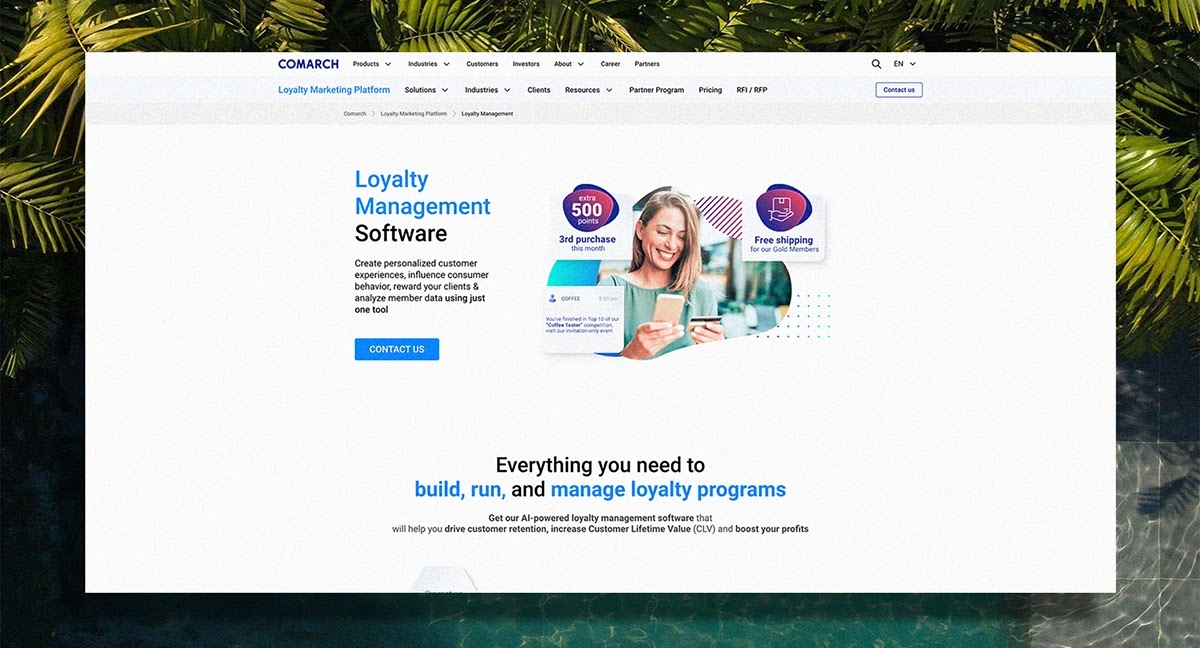
Comarch Loyalty is an enterprise loyalty platform and consulting partner trusted by some of the world's largest travel and hospitality brands across airlines, hotel groups, and travel retail operators. Their configurable modular architecture allows brands to activate specific loyalty capabilities progressively, including points management, tiered membership, experiential rewards, and coalition loyalty structures, while their AI-driven personalisation engine ensures that offers and rewards are tailored to individual member preferences at scale. Comarch's hospitality and travel client base includes major airline programmes and hotel loyalty schemes where the complexity of multi-partner reward networks and high-volume member management requires enterprise-grade loyalty infrastructure. They are best suited for hotel groups, airlines, and travel retail brands with high-volume loyalty programme requirements that need an enterprise platform partner with proven hospitality loyalty credentials and the ability to manage complex, multi-partner loyalty architectures at global scale.
8. Kognitiv
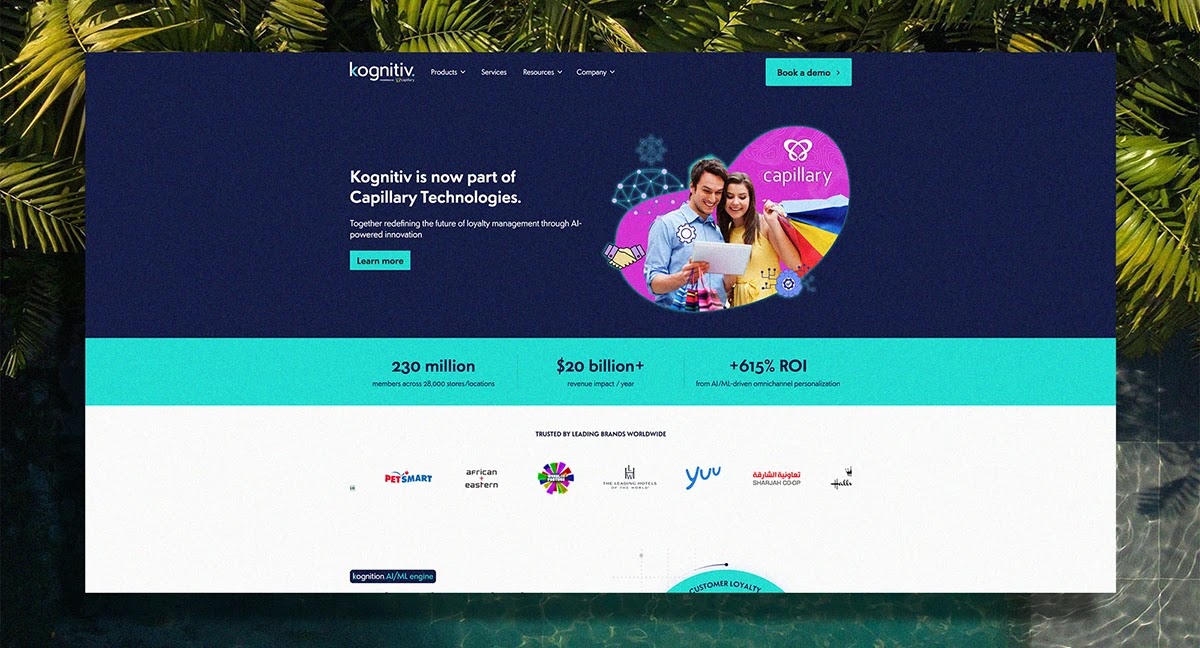
Kognitiv is a loyalty platform and strategy partner that specialises in coalition loyalty architectures for travel, retail, hospitality, and financial services brands, enabling hotels and travel companies to extend their loyalty programmes beyond single-brand boundaries into partner networks that increase member engagement and unlock new revenue streams. Their platform combines AI-driven personalisation, omnichannel engagement, and flexible loyalty structures including points, tiered membership, and experiential rewards, with particular strength in multi-brand loyalty ecosystems where partner network effects compound member value. They are best suited for travel and hospitality brands that want to innovate beyond transactional single-brand loyalty programmes, particularly those with existing or planned partner ecosystems where coalition loyalty architecture would create measurably higher member engagement and lifetime value.
9. Capillary Technologies
Capillary Technologies is an enterprise loyalty and CRM platform with strong capabilities in AI-driven personalisation, omnichannel customer engagement, and configurable loyalty architectures. Their hospitality and travel clients include brands in cruise, hotel, and travel retail, and their platform's modular architecture allows brands to activate specific loyalty capabilities progressively rather than requiring full platform commitment from the start. Their Nudge Framework and Loyalty Delivered Sales capabilities are particularly relevant for travel brands seeking to drive measurable booking behaviour change through targeted loyalty interventions. They are best suited for travel and hospitality brands that need an enterprise loyalty platform with strong AI personalisation capability and the flexibility to activate loyalty features progressively as programme maturity develops.
10. Cognizant
Cognizant's travel and hospitality practice provides CRM transformation and loyalty programme implementation services for enterprise travel brands, with particular strength in the integration of CRM platforms with the complex legacy system environments that characterise large airline, hotel, and travel operator operations. Their work spans Salesforce and custom CRM implementations, loyalty technology integration, and the data architecture transformation required to give travel brands the unified guest view that personalised CRM and loyalty activation requires. They are best suited for enterprise travel and hospitality brands with significant legacy system complexity that need a technology implementation partner with the scale and travel sector experience to deliver CRM and loyalty transformations in complex multi-system environments.



.png)
%20(1).png)

Let’s kickstart the conversation and design stuff people will love.

The Retail & Consumer Index


What Is CRM in Travel and Hospitality?
CRM in travel and hospitality is the strategic and operational discipline of capturing, unifying, and activating guest data to build personalised, commercially productive relationships with travellers across every stage of the guest journey. In travel and hospitality, travel CRM agency work encompasses the full guest relationship lifecycle: from the first discovery touchpoint through booking, pre-arrival communication, in-property experience, and post-stay engagement. Effective CRM in hospitality is not simply a technology function: it is the commercial mechanism through which travel brands convert single-stay transactional relationships into multi-stay loyal guest relationships with higher average spend, lower acquisition cost, and greater resilience to competitive pricing pressure. The quality of a travel brand's CRM capability directly determines its ability to reduce OTA dependency, improve direct booking rates, and build the guest intelligence foundation that makes loyalty and personalisation investments commercially effective.
How Does a Travel and Hospitality CRM and Loyalty Agency Work?
A travel and hospitality CRM and loyalty agency begins with a commercial assessment of the brand's current guest relationship economics: what percentage of guests return for a second stay, what the direct booking rate is relative to OTA volume, what the average guest lifetime value is, and where the gaps in guest data architecture are preventing more effective personalisation and loyalty activation. This commercial baseline informs a programme design phase that determines how guest data should be captured, unified, and activated to produce the specific commercial improvements the business requires. Technology assessment and selection follows, identifying which CRM platform, loyalty engine, and marketing automation tools are best suited to the brand's guest relationship objectives and technology environment. Implementation, integration with existing booking and property management systems, staff training, and programme launch complete the engagement, with ongoing optimisation driven by programme performance data.
What Is a Hospitality CRM Consulting Firm?
A hospitality CRM consulting firm is a specialist partner that helps travel and hospitality brands design and implement the guest relationship management and loyalty programme infrastructure that drives direct bookings, repeat stays, and guest lifetime value. The defining characteristic of a specialist hospitality CRM consulting firm is its understanding of the specific guest relationship dynamics that make CRM in travel and hospitality different from CRM in most other sectors: the complexity of the guest data environment spanning property management systems, booking engines, and loyalty platforms, the long inter-stay intervals that require CRM programmes to maintain guest engagement between trips, the commercial importance of direct booking relative to OTA channels, and the service quality standards of premium hospitality brands that demand personalisation which feels genuinely attentive rather than algorithmically automated.
What Services Do Travel and Hospitality CRM and Loyalty Agencies Provide?
A specialist guest loyalty program consulting firm provides services spanning loyalty programme strategy, CRM architecture, technology implementation, guest data management, and ongoing programme optimisation. The following are the core services a travel and hospitality CRM and loyalty agency delivers.
Loyalty Programme Strategy and Design
Specialist agencies design loyalty programme structures that create genuine behavioural change in guest booking patterns, including tier architecture, reward economics, partner relationships, and the programme mechanics that motivate repeat stays and direct booking rather than simply rewarding existing loyal guests. The commercial sustainability of the programme design is as important as its guest appeal, and specialist agencies model both dimensions before making programme recommendations.
CRM Architecture and Platform Strategy
The design of a CRM architecture that serves travel and hospitality brand's guest relationship objectives requires decisions about how guest data will flow between property management systems, booking engines, loyalty platforms, and marketing automation tools. Hospitality CRM and loyalty agencies with hospitality system experience provide platform-agnostic architecture advice that prioritises guest relationship outcomes over technology vendor preferences.
Guest Data Platform and Profile Unification
The quality of a travel brand's CRM and loyalty capability is ultimately determined by the quality of its guest data foundation: how guest profiles are unified across booking channels, properties, and interaction histories into a single source of truth that enables personalised engagement at scale. Specialist agencies design and implement guest data platforms that produce reliable unified guest profiles rather than fragmented records that undermine personalisation quality.
Personalisation and Campaign Strategy
The activation of guest data for personalised communication across email, mobile, in-property, and digital channels requires both the data infrastructure and the campaign strategy to identify each guest's preferences and context and serve relevant content and offers at the right moment in the guest relationship lifecycle. Specialist agencies design personalisation frameworks that are calibrated to the service quality standards of the hospitality brands they serve.
Loyalty Programme Technology Implementation
The implementation of loyalty programme technology, including points management, tier tracking, reward fulfilment, and partner integration, requires both the technical capability to configure complex loyalty systems and the hospitality sector knowledge to ensure that loyalty mechanics align with the operational realities of hotel and travel operations. Specialist agencies manage implementation projects that connect loyalty technology with existing hospitality systems without the quality loss that non-specialist technology agencies routinely produce in this context.
Programme Performance Optimisation
Ongoing loyalty and CRM programme optimisation, driven by guest behaviour data, programme economics analysis, and competitive intelligence, is the activity that determines whether a programme improves over time or gradually loses commercial relevance. Specialist agencies provide continuous programme management and optimisation services that keep loyalty and CRM investment producing improving commercial returns as the guest data foundation matures.
How Long Does a Travel and Hospitality CRM and Loyalty Engagement Take?
The timeline for a CRM and loyalty engagement in travel and hospitality depends on the scope of the programme, the complexity of the brand's existing technology environment, and whether the engagement covers strategy only or includes technology implementation. The following factors most significantly shape engagement duration.
Strategy vs Implementation Scope
A loyalty programme strategy engagement covering programme design, reward economics modelling, and implementation roadmap development can typically be completed in eight to fourteen weeks. A full CRM and loyalty implementation covering platform configuration, PMS integration, data migration, and programme launch may take six to eighteen months depending on the complexity of the technology environment. Brands that separate strategy and implementation phases, establishing a clear programme design before beginning technology work, consistently achieve faster implementation timelines than those that attempt to resolve strategic and technical questions simultaneously.
Guest Data Architecture Complexity
The unification of guest data across multiple booking channels, properties, and historical data sources is typically the longest and most technically complex phase of a CRM and loyalty implementation. Brands with relatively modern and well-maintained guest data environments achieve data unification faster than those with fragmented legacy data across multiple systems. Specialist agencies with hospitality data experience scope this phase accurately and prioritise the data quality improvements that will most rapidly improve personalisation capability.
Technology Integration with Existing Systems
The integration of CRM and loyalty platforms with existing property management systems, central reservation systems, and booking engines is the most technically demanding component of a hospitality CRM implementation. The maturity and API capability of the existing systems significantly affects how long integration work takes, with legacy system environments consistently requiring more custom development and testing than modern cloud-native hospitality platforms.
Loyalty Programme Launch and Member Migration
Launching a new or redesigned loyalty programme, including member communication, rewards migration for existing members, and staff training across properties, adds time to the total engagement timeline that is frequently underestimated during planning. Programmes that include significant changes to existing member benefits or tier structures require careful communication planning and a transition period that maintains member confidence during the change.
Multi-Property and Multi-Market Scope
CRM and loyalty programmes that must operate consistently across multiple properties and markets carry significantly longer implementation timelines than single-property or single-market programmes. The complexity of maintaining data consistency, programme consistency, and personalisation quality across multiple properties and jurisdictions scales the implementation timeline substantially beyond what single-property programmes require.
How Travel and Hospitality CRM and Loyalty Agencies Price Their Work
Pricing for CRM and loyalty engagements in travel and hospitality varies significantly by scope, technical complexity, and the nature of services provided. The following are the primary factors that shape CRM and loyalty agency pricing.
Strategy vs Technology Implementation
Loyalty and CRM strategy engagements are typically priced as fixed-fee project engagements reflecting the analytical and design work involved. Technology implementation engagements carry higher costs reflecting the technical complexity, integration work, and project management overhead of deploying CRM and loyalty platforms in complex hospitality technology environments. Brands that clearly separate strategy and implementation phases can evaluate agency capability and commercial fit on the strategy engagement before committing to the larger technology implementation investment.
Loyalty Programme Economics Complexity
The design of loyalty programme economics, including reward currency design, tier structure modelling, partner reward integration, and the actuarial analysis that ensures programme financial sustainability, carries cost proportional to the complexity of the programme being designed. Enterprise hotel groups with multi-brand, multi-tier loyalty programmes require more intensive economics modelling than single-brand programmes, and specialist agencies with loyalty economics expertise charge rates that reflect the commercial risk of getting programme design wrong.
Technology Platform Licensing
CRM and loyalty platform licensing costs are separate from agency consulting and implementation fees and represent an ongoing operational cost that must be factored into the total cost of ownership of a CRM and loyalty investment. Specialist agencies that provide objective platform advice independent of vendor relationships enable brands to make platform decisions that optimise for guest relationship outcomes and total cost of ownership rather than for the agency's technology partnership incentives.
Integration and Custom Development
Custom integration work connecting CRM and loyalty platforms with existing hospitality systems, including property management, revenue management, and booking engine integrations, carries costs that scale with the complexity of the systems being connected. Agencies with prior integration experience on the brand's specific platforms scope these costs more accurately than those learning the hospitality system environment on the client's project.
Ongoing Programme Management
Continuous loyalty and CRM programme management, including campaign strategy, programme optimisation, and performance reporting, is typically priced on a monthly retainer basis. The retainer scope reflects the ongoing resource commitment required to manage the programme effectively as guest data accumulates and the programme evolves. Brands that invest in ongoing programme management consistently achieve better loyalty and CRM commercial performance than those that treat the programme launch as a terminal deliverable.
Always-On Customer Intelligence
Turn your own customer data into foresight — validate, simulate, and sense every major decision before you commit.


Why Hire a Travel and Hospitality CRM and Loyalty Agency

The case for engaging a specialist travel and hospitality CRM and loyalty agency rather than a generalist CRM consultancy or managing programme development internally rests on the specific expertise, hospitality economics knowledge, and sector experience that effective loyalty and CRM in travel requires. The following are the most important reasons travel and hospitality brands choose to work with specialist agencies.
Loyalty Economics Expertise
The design of a commercially sustainable loyalty programme requires actuarial capability, competitive intelligence, and deep knowledge of how guest behaviour responds to loyalty mechanics in the travel and hospitality context. Travel CRM agency and loyalty consulting firms with hospitality-specific loyalty economics expertise design programmes that produce the guest behaviour change the commercial model requires without creating the redemption liability and margin erosion risks that poorly designed loyalty programmes routinely generate.
Hospitality System Integration Knowledge
The technical complexity of connecting CRM and loyalty platforms with property management systems, central reservation systems, and booking engines in a hospitality environment is consistently underestimated by generalist CRM consultancies. Specialist agencies with hospitality system integration experience scope this work accurately and deliver integrations that produce the unified guest data foundation that personalised loyalty and CRM requires.
Direct Booking Economics
One of the primary commercial objectives of hospitality CRM and loyalty investment is the improvement of direct booking rates and the reduction of OTA commission dependency. Specialist agencies understand the specific channel economics of hospitality distribution and design CRM and loyalty programmes that strengthen the direct booking relationship, producing commercial returns that justify the programme investment through commission savings as much as through guest lifetime value improvement.
Guest Lifetime Value Modelling
The commercial case for CRM and loyalty investment in travel and hospitality is built on guest lifetime value: the long-term revenue and margin that a loyal guest relationship generates relative to the cost of maintaining it. Specialist agencies with hospitality economics experience can model the expected lifetime value impact of programme design decisions, enabling brands to prioritise the programme elements that will produce the fastest and most durable commercial return.
Post-Stay Engagement Expertise
The period between a guest's stay and their next booking is the most commercially critical and most commonly underinvested phase of the guest relationship lifecycle. Specialist agencies design post-stay engagement programmes that maintain brand preference, encourage direct rebooking, and generate the advocacy and review activity that influences other travellers' booking decisions, producing commercial value from the guest relationship during the inter-stay interval that generalist CRM approaches consistently fail to address.
How to Choose the Right Travel and Hospitality CRM and Loyalty Agency
Selecting the right CRM and loyalty partner for a travel or hospitality brand requires evaluating criteria specific to the brand's commercial objectives, technology environment, and programme scope. The following are the most important factors to assess.
– Hospitality loyalty economics expertise: does the agency have specific experience modelling loyalty programme economics for travel and hospitality brands, including reward liability, tier mechanics, and the commercial sustainability of programme design?
– Hospitality system integration experience: does the agency have prior experience integrating CRM and loyalty platforms with property management systems, booking engines, and central reservation systems in hospitality environments?
– Commercial orientation: does the agency measure programme success through direct booking rates, repeat stay frequency, and guest lifetime value, or through programme activity metrics that may not reflect commercial performance?
– Platform independence: does the agency provide platform-agnostic advice, or does it favour specific CRM and loyalty platforms regardless of the brand's specific requirements?
– Strategy and implementation capability: can the agency support both programme strategy and technology implementation, or does it specialise in one at the expense of the other?
– Ongoing programme management: does the agency offer continuous programme optimisation alongside programme design and implementation, ensuring that the loyalty and CRM investment continues to produce improving returns after launch?
15 Questions to Ask a Travel and Hospitality CRM and Loyalty Agency Before You Hire

The following questions help assess whether a CRM and loyalty agency's expertise, commercial approach, and hospitality knowledge are suited to the specific challenge at hand.
1. What specific experience do you have designing and implementing loyalty programmes for travel and hospitality brands at our scale?
Loyalty programme design requirements differ significantly between independent hotels, boutique hotel groups, and global hotel chains, and an agency's experience at the relevant scale directly affects the quality and commercial realism of its programme recommendations. Asking for scale-relevant experience quickly distinguishes agencies with genuine hospitality loyalty expertise from those applying general loyalty programme frameworks to a sector with specific commercial dynamics.
2. How do you approach loyalty programme economics modelling, including reward liability and tier structure design?
The financial sustainability of a loyalty programme is as important as its guest appeal, and an agency's approach to modelling reward liability, tier advancement rates, and breakage assumptions reveals the depth of its loyalty economics expertise. Agencies with genuine hospitality loyalty experience will describe specific modelling methodologies. Those without it will describe programme design principles without engaging with the financial sustainability question that determines whether the programme is commercially viable.
3. Can you demonstrate CRM and loyalty programmes you have designed for travel or hospitality brands with documented commercial outcomes?
Direct booking rate improvement, repeat stay frequency, and guest lifetime value increase are the commercial outcomes that justify CRM and loyalty investment in hospitality. Agencies that can demonstrate documented commercial outcomes for hospitality CRM and loyalty programmes provide more credible evidence of capability than those presenting programme design deliverables without connecting them to commercial performance.
4. How do you approach the integration of loyalty and CRM with property management and reservation systems?
The technical integration of loyalty and CRM platforms with hospitality operations systems is the most complex component of a hospitality CRM programme and the one most frequently underestimated. Asking about specific PMS and reservation system integration experience reveals the agency's genuine technical capability in this area and the accuracy with which it can scope and deliver integration work.
5. What is your approach to the direct booking economics of CRM and loyalty investment?
An agency's understanding of how CRM and loyalty investment affects the economics of direct versus OTA distribution is one of the most revealing indicators of its hospitality sector knowledge. Agencies that design CRM and loyalty programmes with direct booking improvement as a primary commercial objective, and that can quantify the commission savings that direct booking rate improvement generates, provide more commercially relevant strategic guidance than those that focus on guest experience metrics without connecting them to distribution economics.
6. How do you approach guest data unification across multiple properties and booking channels?
For multi-property hotel groups, the challenge of maintaining a single guest profile that accurately reflects the guest's full relationship with the brand across all properties and booking channels is the foundational data challenge of a CRM programme. Agencies with experience in guest profile unification for multi-property environments understand the specific identity resolution complexity involved and design data architectures that produce reliable unified profiles rather than fragmented records.
7. What loyalty platform technologies do you have specific implementation experience with?
The agency's technology implementation experience should align with the brand's platform investments or inform the brand's platform selection with genuine comparative expertise. Agencies with broad platform experience across Salesforce, Amadeus, Cendyn, Kognitiv, and other hospitality loyalty technologies provide more objective platform recommendations than those with deep expertise in a single platform that they will recommend regardless of the brand's specific requirements.
8. How do you design post-stay engagement programmes that maintain brand preference during inter-stay intervals?
The period between a guest's stay and their next booking is commercially critical in hospitality, and the design of post-stay engagement that maintains brand preference, encourages direct rebooking, and generates advocacy requires specific hospitality CRM expertise. Agencies that address post-stay engagement as a distinct and important programme component understand the guest relationship lifecycle in hospitality. Those that focus primarily on pre-arrival and in-stay personalisation miss the commercial value opportunity in the inter-stay period.
9. How do you approach the design of tier structures and reward mechanics that create genuine behavioural change?
The most common weakness in hospitality loyalty programme design is the creation of tier structures and reward mechanics that reward existing loyal guests rather than changing the behaviour of guests who might become loyal. Agencies with genuine loyalty programme design expertise understand the distinction between rewarding loyalty and creating it, and design programme mechanics that produce incremental behaviour change rather than simply providing benefits to guests who would have returned anyway.
10. What is your approach to personalisation within a loyalty programme, and how do you balance automated personalisation with luxury service standards?
For luxury and premium hospitality brands, the design of personalisation within CRM and loyalty programmes that feels genuinely attentive rather than algorithmically processed requires specific expertise. Agencies with luxury hospitality CRM experience understand how to design automated personalisation that reinforces the brand's service promise rather than undermining it, a calibration that generalist CRM consultancies consistently miss.
11. How do you approach the measurement of loyalty programme ROI in travel and hospitality?
Loyalty programme ROI measurement in hospitality requires a framework that accounts for the incremental revenue from repeat stays, the commission savings from direct booking improvement, the lifetime value premium of loyal versus transactional guests, and the advocacy value of programme members who influence other travellers' booking decisions. Agencies that provide comprehensive ROI measurement frameworks give travel brands the commercial intelligence to make evidence-based programme investment decisions.
12. What is your approach to managing programme transitions and member communications during loyalty programme redesigns?
Redesigning an existing loyalty programme without disrupting the brand's relationship with current loyal members is one of the most sensitive commercial challenges in hospitality, and an agency's experience managing programme transitions reveals its understanding of how guest relationships respond to programme changes. Agencies with transition management experience design change processes that maintain member confidence and minimise redemption acceleration or member attrition during the transition period.
13. How do you approach partner loyalty programme integration for hotel brands seeking to extend their loyalty ecosystem?
Hotel brands increasingly seek to extend their loyalty programmes through partner relationships, including airline miles partnerships, credit card programme integrations, and retail and dining loyalty connections, that increase programme engagement and attract new member enrolment. Agencies with partner programme experience understand the commercial economics of partner relationships and the technical integration requirements of connecting loyalty platforms across partner ecosystems.
14. What is your experience with the regulatory requirements governing loyalty programme management and guest data in our operating markets?
Loyalty programmes collect and activate guest data across multiple jurisdictions, and the regulatory requirements governing guest data management, reward programme disclosure, and points liability accounting vary by market. Agencies with multi-market hospitality loyalty experience understand these regulatory requirements and design programmes that are compliant across all operating jurisdictions from the start rather than requiring expensive remediation after launch.
15. What makes your agency the right choice for our specific CRM and loyalty challenge rather than for travel and hospitality brands generally?
The most direct test of whether the agency has genuinely understood the brand's specific commercial situation. The best answers reference specific elements of the brand's scale, technology environment, current loyalty performance gaps, or commercial objectives. Generic answers about hospitality loyalty expertise and CRM capability signal an agency pitching a standard service rather than a solution tailored to the specific programme challenge at hand.
Conclusion
The travel and hospitality brands that build durable commercial advantage through CRM and loyalty investment are those that approach it as a commercial model decision rather than a technology selection. The travel CRM agency or loyalty consulting firm that delivers durable value is the one whose hospitality economics expertise, technology knowledge, and guest relationship design capability most directly address the gap between the brand's current guest retention performance and the direct booking rates, repeat stay frequency, and lifetime value it is targeting.
G&CO. works with travel and hospitality brands on the guest relationship strategy, CRM architecture, and loyalty programme design decisions that determine whether investment in guest data produces the direct booking performance and lifetime value improvement the business requires. Whether the challenge is designing a new loyalty programme, implementing a unified guest CRM platform, or optimising an existing programme that is not producing the guest retention outcomes the commercial model demands, G&C. brings the strategic depth and hospitality sector expertise that hospitality CRM and loyalty strategy at the enterprise level requires. G&CO. is a certified minority business enterprise (MBE) through the National Minority Supplier Development Council (NMSDC). Submit an inquiry to G&CO. on our contact page or click on the blue "Click to Contact Us" button on the bottom right corner of your screen. We look forward to hearing from you.