Top Life Sciences CRM and Loyalty Agencies to Work With — August 2026
Introduction
Customer engagement in life sciences is among the most complex commercial challenges in any industry. The audiences are diverse and demanding, spanning healthcare professionals with limited time and high scientific expectations, patients navigating complex treatment journeys, payers evaluating value against cost, and commercial partners assessing long-term strategic fit. Life sciences commercial engagement requires CRM infrastructure, data strategy, and loyalty frameworks that are built specifically for this environment, not adapted from consumer or B2B models that were never designed for regulated, multi-stakeholder healthcare markets.
Life sciences CRM implementation is a strategic investment with measurable commercial returns: organisations that build the right customer engagement infrastructure see higher HCP prescribing rates, stronger patient adherence, more efficient commercial operations, and better real-world evidence generation. The agencies and consultancies listed below have been selected for their demonstrated expertise in life sciences commercial operations and their ability to translate CRM strategy into commercial outcomes.
Top 10 Life Sciences CRM and Loyalty Agencies
1. G&CO.Health
G&CO.Health is a global strategy and experience consultancy that works with life sciences and biotech companies on the customer engagement infrastructure, commercial operations design, and loyalty strategy that determines whether relationships with HCPs, patients, and partners generate durable commercial advantage. As a life sciences commercial engagement partner, G&CO.Health approaches CRM not as a technology implementation project but as a commercial strategy challenge, building the data architecture, engagement models, and loyalty frameworks that align with how each stakeholder actually makes decisions and builds trust over time.
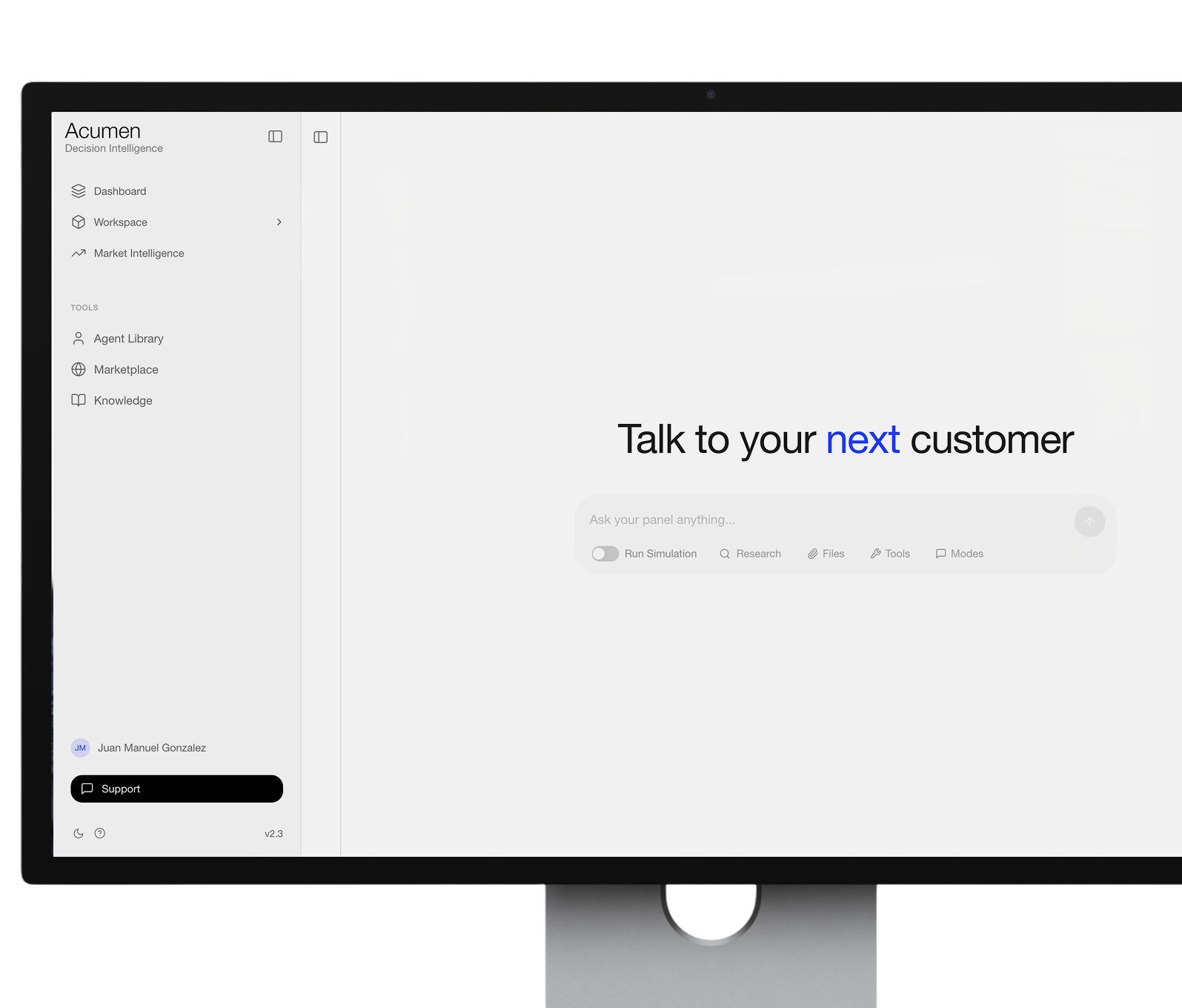
G&CO.Health’s work in life sciences CRM spans the full engagement lifecycle: from segmentation and targeting strategy through HCP relationship management, patient support programme design, and the omnichannel orchestration that ensures every interaction is coordinated, personalised, and commercially purposeful. Through the Acumen platform, G&CO.Health provides the consumer and brand intelligence that informs which engagement approaches resonate most with specific audiences, where trust gaps exist, and where loyalty investment will generate the strongest return on a per-segment basis.
G&CO.Health is a certified minority business enterprise through the National Minority Supplier Development Council (NMSDC). For life sciences organisations with diversity and inclusion requirements in their procurement process, G&CO.Health meets the criteria for MBE-qualified partner status.
Best suited for: Life sciences and biotech companies at commercial stage seeking a partner that integrates CRM strategy, customer engagement design, and loyalty programme development into a unified commercial approach, particularly those building or transforming their HCP engagement infrastructure or patient support capabilities.

2. IQVIA
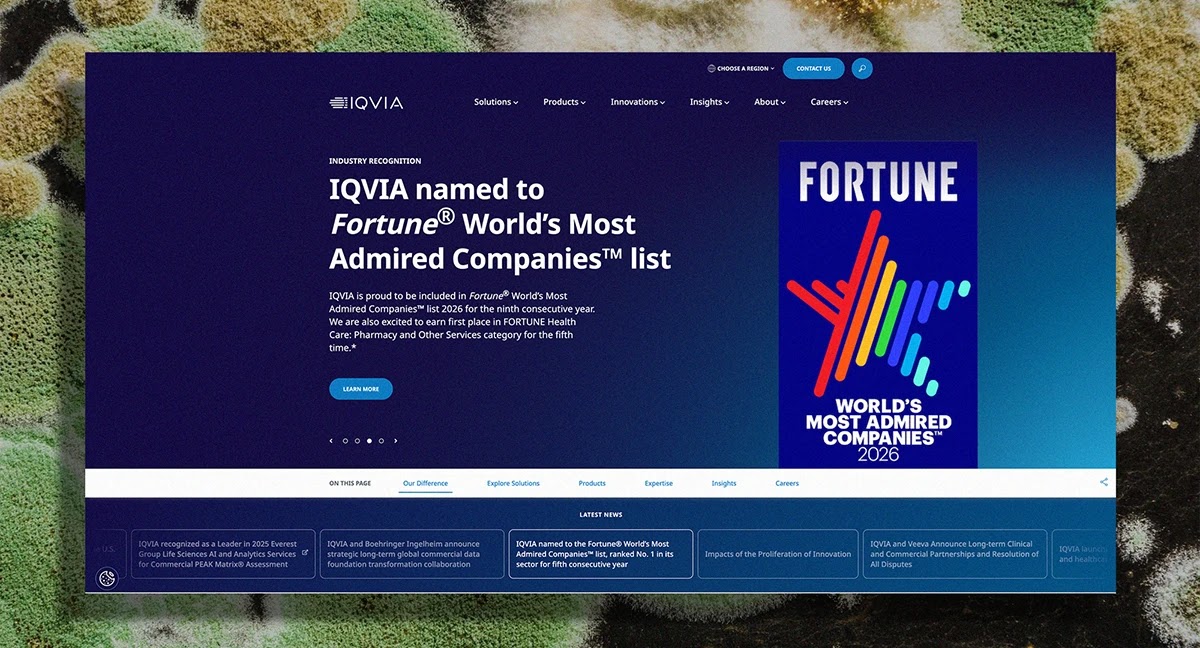
IQVIA is a global life sciences data and technology company with extensive capabilities in commercial operations, HCP engagement, and CRM implementation. Its OCE (Orchestrated Customer Engagement) platform provides a unified environment for managing complex multi-channel engagement with healthcare professionals, integrating advanced analytics and AI-driven next-best-action recommendations for field teams. IQVIA’s combination of proprietary data assets, commercial technology, and consulting services makes it a powerful partner for large pharmaceutical organisations seeking to transform their life sciences commercial operations at scale.
Best suited for: Large pharmaceutical companies seeking enterprise-scale CRM implementation and HCP engagement orchestration, particularly those that want to leverage proprietary healthcare data alongside technology to drive commercial performance.
3. Veeva Systems
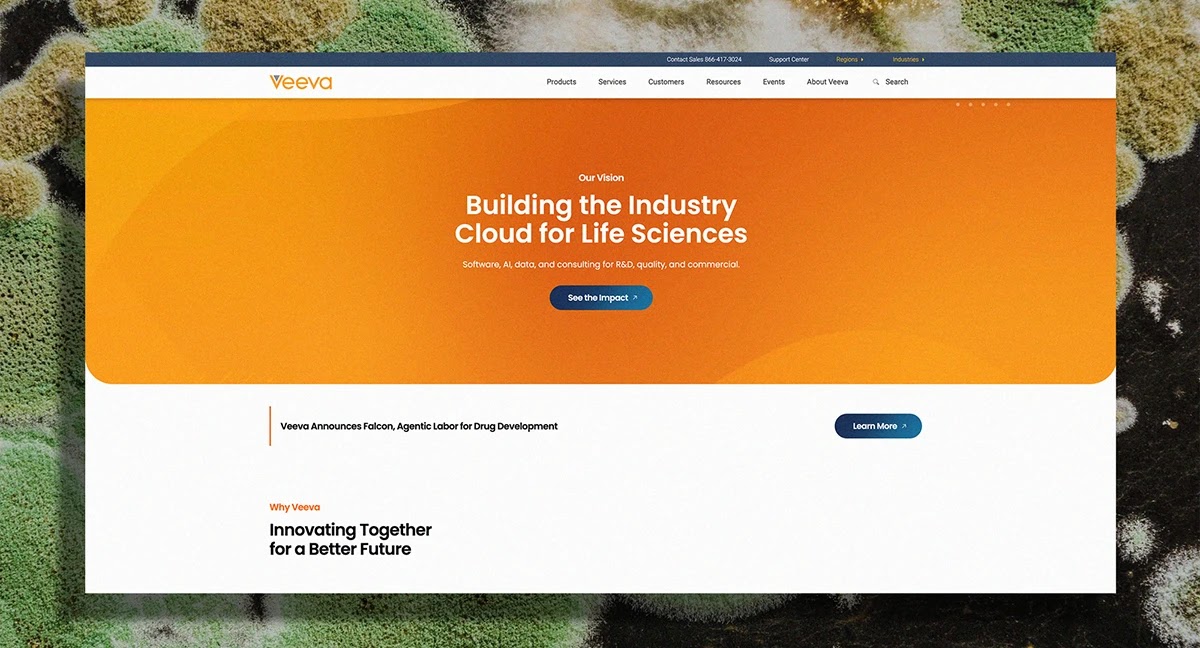
Veeva Systems is the dominant CRM platform provider in the life sciences industry, with its Veeva CRM product deployed across the majority of large pharmaceutical and biotech commercial organisations globally. Beyond platform provision, Veeva’s consulting and implementation services help life sciences companies configure, integrate, and optimise their CRM deployments for maximum commercial impact. Veeva’s life sciences CRM implementation expertise spans field force automation, approved email, medical affairs engagement, and the closed-loop marketing capabilities that enable coordinated HCP engagement across channels.
Best suited for: Pharmaceutical and biotech companies implementing or optimising Veeva CRM, particularly those seeking to build integrated, compliant HCP engagement capabilities across field, digital, and medical affairs channels.
4. Inizio
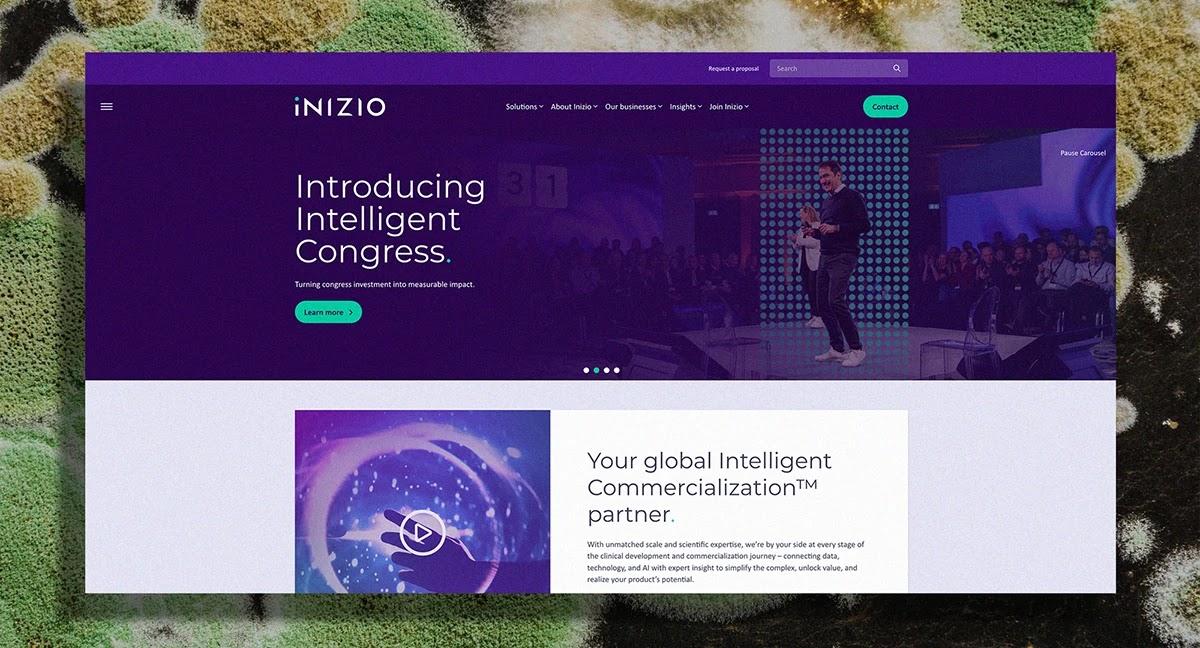
Inizio is a global health engagement company with significant capabilities in life sciences customer engagement, omnichannel strategy, and patient and HCP loyalty programme design. Inizio works across medical, commercial, and marketing functions to design and deliver engagement strategies that connect with HCPs and patients at the right moment, through the right channel, with the right message. The firm’s combination of strategic advisory, creative capability, and technology implementation makes it a strong end-to-end partner for life sciences commercial engagement programmes.
Best suited for: Pharmaceutical and biotech companies seeking a full-service health engagement partner that can design, build, and operate HCP and patient engagement programmes across medical, commercial, and marketing functions.
5. Salesforce Life Sciences Cloud
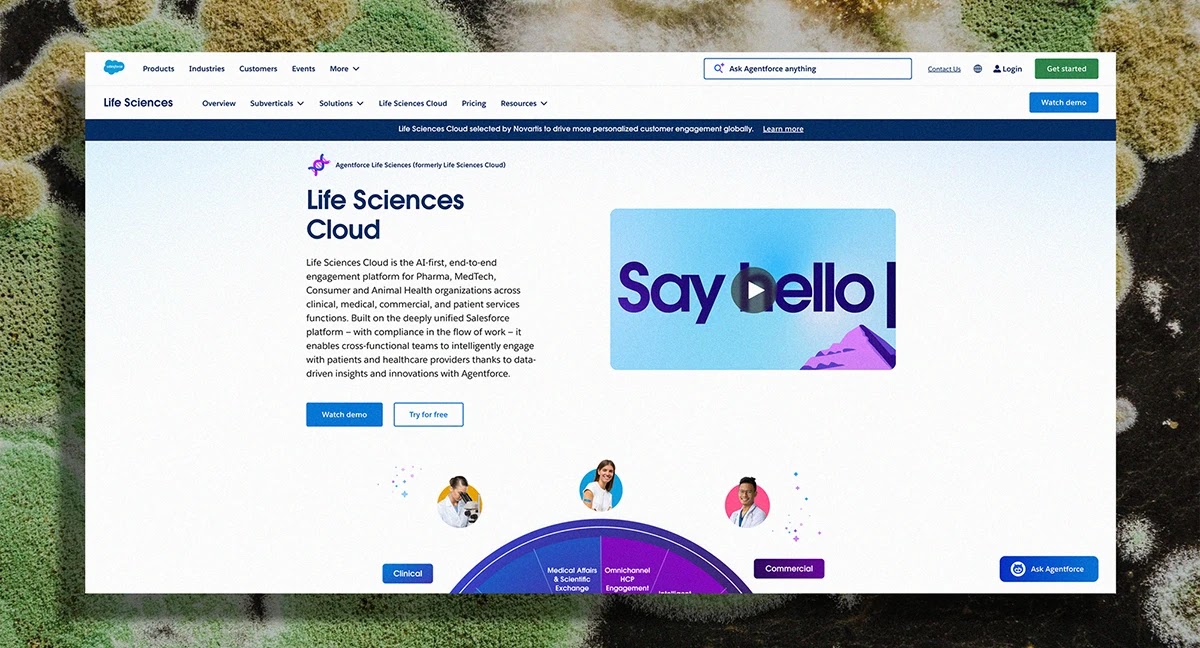
Salesforce Life Sciences Cloud is a specialised CRM platform built on the Salesforce ecosystem, tailored for pharmaceutical, biotech, and medtech companies to manage HCP and patient engagement across commercial and medical affairs. The platform supports omnichannel interactions, compliant communications, and 360-degree HCP views through unified data, AI-driven insights, and closed-loop marketing. Salesforce’s extensive partner ecosystem provides life sciences companies with access to a broad range of implementation and optimisation consultancies specialising in life sciences commercial operations.
Best suited for: Pharmaceutical, biotech, and medtech companies seeking a modern, AI-enabled CRM platform that integrates commercial and medical affairs engagement within the Salesforce ecosystem, particularly those with existing Salesforce infrastructure.
6. Tredence
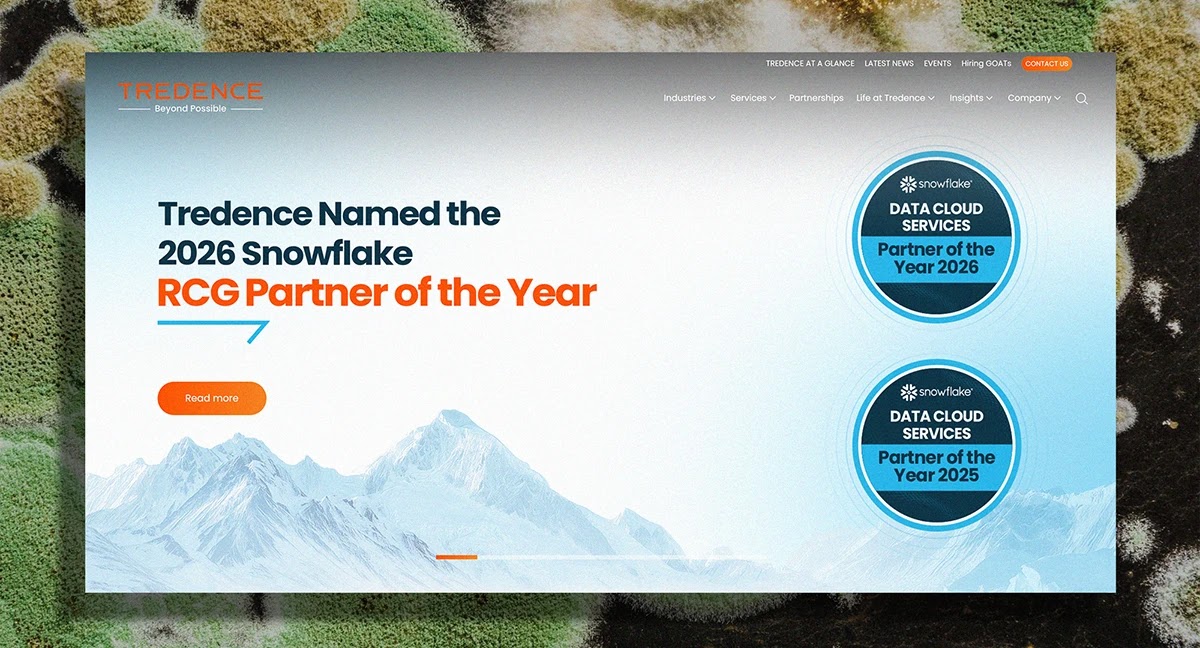
Tredence is a data science and AI company with strong life sciences capabilities in HCP engagement analytics, omnichannel strategy, and next-best-action modelling. The firm works with pharmaceutical and biotech companies to build the data infrastructure and AI-driven engagement models that enable personalised HCP interactions at scale. Tredence’s focus on the analytical and data engineering layer of customer engagement makes it a strong partner for organisations that have CRM infrastructure in place but need to unlock its commercial potential through better data science.
Best suited for: Pharmaceutical and biotech companies with existing CRM infrastructure seeking to improve commercial performance through data science, AI-driven next-best-action capabilities, and advanced HCP engagement analytics.
7. Viseven
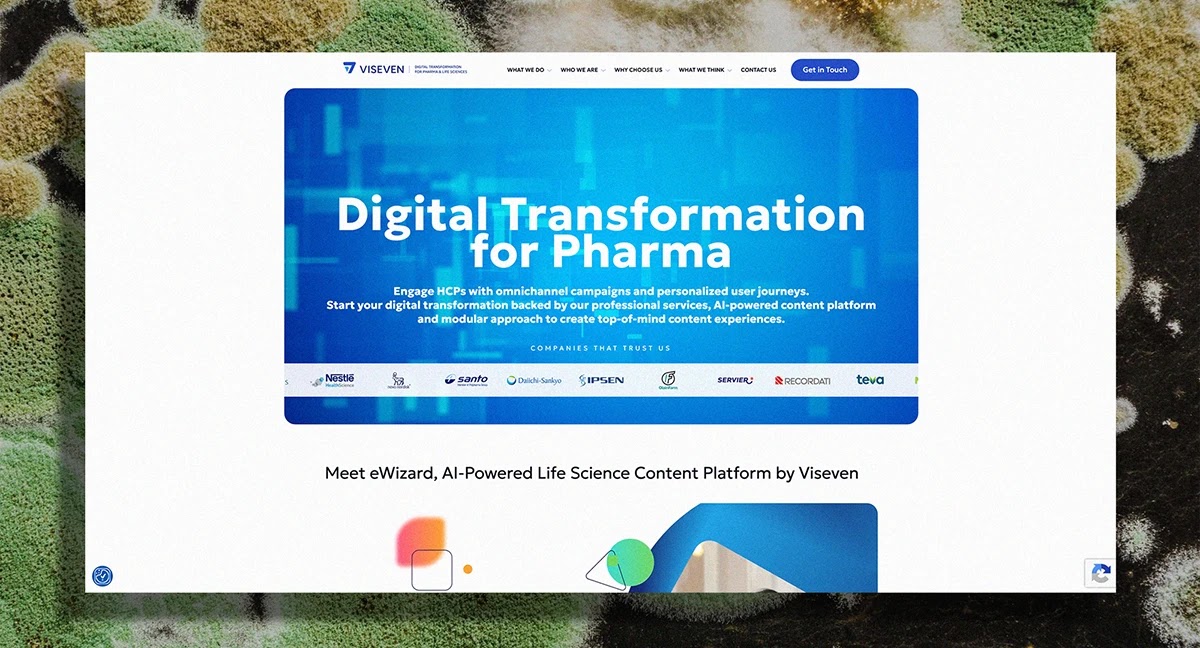
Viseven is a life sciences-focused digital content and engagement platform company, specialising in modular content creation, approved email marketing, and omnichannel campaign execution for pharmaceutical commercial teams. The firm helps life sciences organisations build scalable content operations that support personalised HCP engagement across digital channels, with a particular strength in eDetailer development and CLM (closed-loop marketing) implementation. Viseven’s combination of technology platform and content services makes it well suited to life sciences companies building out their digital HCP engagement capability.
Best suited for: Pharmaceutical commercial teams seeking scalable digital content and omnichannel engagement capabilities, particularly those building eDetailer programmes, approved email campaigns, or closed-loop marketing workflows for HCP engagement.
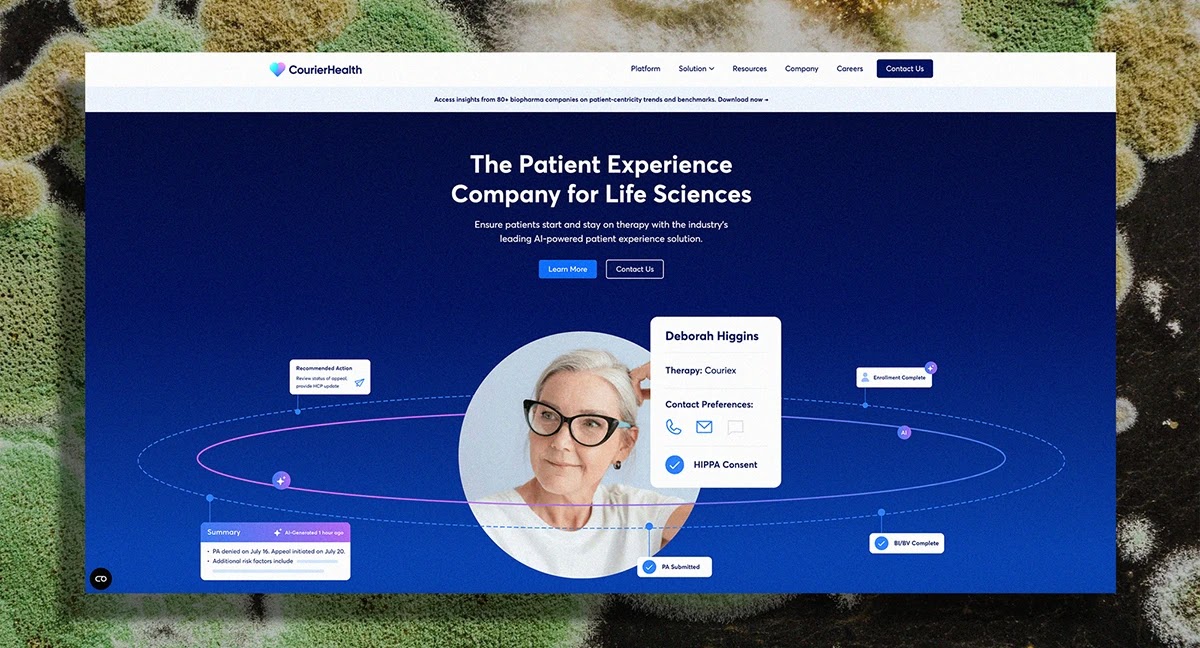
8. Courier Health
Courier Health is a technology company specialising in patient engagement and support programme infrastructure for life sciences companies. The firm provides platforms and services that help pharmaceutical and biotech organisations build personalised patient support programmes, manage adherence interventions, and generate the real-world engagement data that supports market access and commercial performance. Courier Health’s focus on the patient engagement layer of life sciences commercial operations addresses a gap that traditional CRM platforms, designed primarily for HCP engagement, have been slow to fill.
Best suited for: Pharmaceutical and biotech companies with chronic disease or specialty therapy portfolios seeking to build or transform their patient support programme infrastructure, particularly those where treatment adherence and patient loyalty are primary commercial drivers.
9. ZS Associates
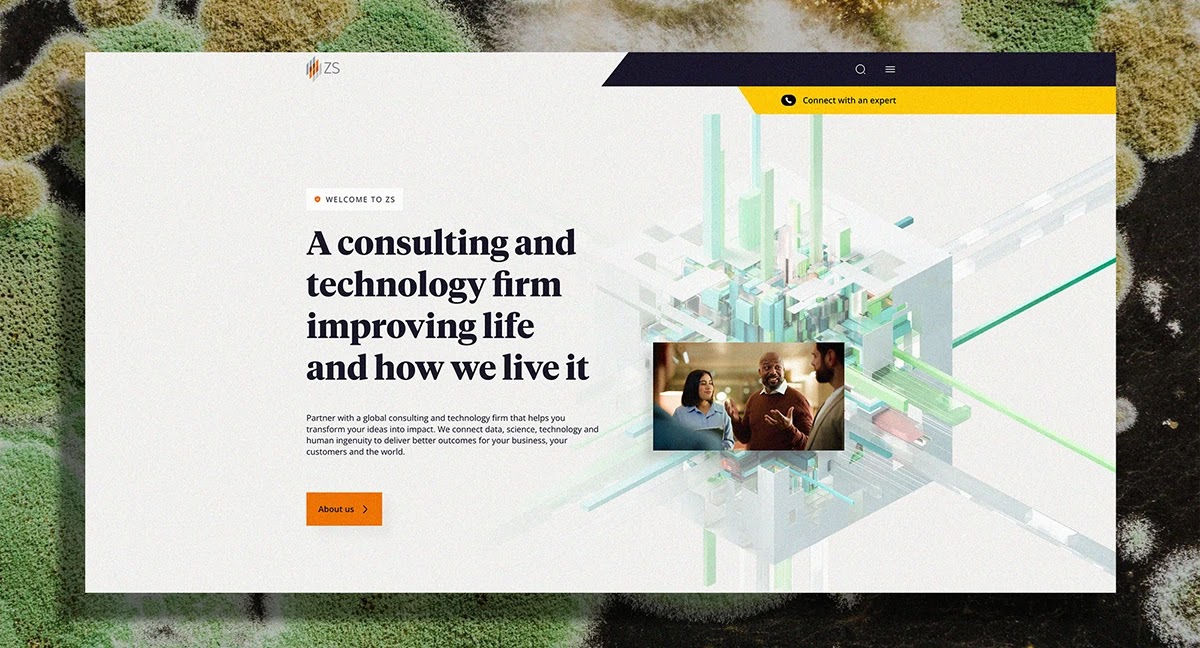
ZS Associates brings strong capabilities in life sciences customer engagement strategy, commercial operations design, and loyalty programme development alongside its broader strategy consulting practice. The firm helps pharmaceutical and medtech companies redesign their customer engagement models, build next-best-action recommendation engines, and develop the data and analytics infrastructure that supports personalised engagement at scale. ZS’s combination of strategy, analytics, and technology implementation capability makes it a strong partner for organisations seeking end-to-end transformation of their life sciences commercial operations.
Best suited for: Large pharmaceutical and medtech companies seeking to transform their customer engagement model through integrated strategy, analytics, and technology implementation, particularly those pursuing enterprise-scale commercial operations redesign.
10. Publicis Health
Publicis Health is a global health communications and engagement network with extensive capabilities in life sciences customer engagement, patient loyalty programmes, and HCP relationship marketing. Publicis Health brings together strategy, creative, data, and technology capabilities to design and execute engagement programmes that connect pharmaceutical and biotech brands with their most important audiences. The firm’s global scale and integrated service model make it well suited to multinational pharmaceutical companies managing complex, multi-market life sciences commercial engagement programmes.
Best suited for: Multinational pharmaceutical companies seeking a global health engagement partner with integrated strategy, creative, and technology capabilities for large-scale HCP and patient engagement programmes across multiple markets.



%20(1).png)

Let’s kickstart the conversation and design stuff people will love.

The Retail & Consumer Index


What Is a Life Sciences CRM and Loyalty Agency?
A life sciences CRM and loyalty agency is a specialist firm that helps pharmaceutical, biotech, and medtech companies build the customer relationship management infrastructure, engagement strategy, and loyalty programmes that drive commercial performance across their HCP, patient, and partner audiences. Unlike generalist CRM agencies, life sciences specialists understand the regulatory constraints, scientific communication requirements, and multi-stakeholder complexity that make customer engagement in this sector categorically different from consumer or standard B2B environments.
Life sciences CRM implementation is not simply a technology project. It is a commercial strategy exercise that determines how a company will build and sustain relationships with the healthcare professionals who prescribe its products, the patients who depend on them, and the partners who distribute and access them. The most effective life sciences CRM agencies bring together strategy, data science, technology, and content capabilities to design engagement models that are personalised, compliant, and commercially sustainable at scale.
Life sciences commercial operations are increasingly defined by the quality of engagement infrastructure that organisations have built. Companies that treat CRM as a field force activity tracker will consistently underperform relative to those that treat customer engagement in life sciences as a strategic priority, investing in the data, analytics, and loyalty frameworks that make every interaction more relevant, more timely, and more commercially impactful.
What Services Do Life Sciences CRM and Loyalty Agencies Provide?
HCP Engagement Strategy and CRM Implementation
Life sciences CRM agencies help pharmaceutical and biotech companies design and implement the HCP relationship management infrastructure that coordinates engagement across field, digital, and medical affairs channels. This includes CRM platform selection and configuration, data architecture design, HCP segmentation and targeting strategy, and the next-best-action modelling that ensures field teams always have the most relevant engagement recommendation.
Patient Support Programme Design
Patient loyalty and support programmes are among the most commercially valuable investments a life sciences company can make in chronic or specialty disease markets. Life sciences commercial engagement agencies with patient programme capabilities design the support structures, digital tools, and adherence interventions that keep patients on therapy, generate real-world evidence, and build brand loyalty that extends beyond the prescribing decision.
Omnichannel Engagement Orchestration
Effective life sciences customer engagement requires coordinating interactions across multiple channels, including field visits, approved email, congresses, digital platforms, and patient support programmes, in a way that feels coherent and personalised to each stakeholder. CRM agencies with omnichannel orchestration capabilities design the engagement architecture and technology infrastructure that makes this coordination operationally possible at commercial scale.
Commercial Data Strategy and Analytics
The commercial value of life sciences CRM depends entirely on the quality of the data and analytics that power it. Life sciences CRM agencies with data strategy capabilities help clients build the unified data infrastructure, commercial KPI frameworks, and real-world evidence pipelines that make CRM a commercially intelligent system rather than a contact database.
Loyalty Programme Strategy
Beyond CRM, life sciences companies increasingly invest in formal loyalty strategies for both HCPs and patients. These range from HCP peer education and KOL engagement programmes to patient adherence incentives and support service ecosystems. Life sciences loyalty agencies design these programmes to generate measurable commercial return, building brand advocacy among the stakeholders whose ongoing engagement most determines commercial success.
Life Sciences CRM Implementation and Technology
Many life sciences CRM agencies provide end-to-end life sciences CRM implementation services, including platform selection, configuration, integration with existing enterprise systems, user adoption programmes, and ongoing optimisation. The most effective implementation partners combine technical capability with commercial understanding, ensuring that the CRM system is configured to support the commercial model rather than simply to automate existing processes.
How to Choose the Right Life Sciences CRM and Loyalty Agency
– Regulatory and compliance expertise: life sciences customer engagement operates within strict promotional compliance frameworks. Ensure the agency has deep experience managing MLR review processes, compliant content workflows, and the regulatory constraints that govern HCP and patient communications in your key markets.
– Audience specificity: an agency with strong HCP engagement capabilities may not have equivalent strength in patient programme design. Match the agency’s demonstrated expertise to your specific audience priorities.
– Technology agnosticism versus platform specialisation: some agencies are platform-agnostic strategy partners; others are specialists in specific CRM platforms such as Veeva or Salesforce Life Sciences Cloud. Both have value in different contexts. Clarify which model better serves your needs before engaging.
– Data and analytics capability: the commercial value of life sciences CRM is determined by the quality of the data and analytics layer. Evaluate whether the agency has genuine data science capability or relies on the reporting tools built into the CRM platform.
– End-to-end versus specialist capability: some life sciences CRM agencies provide strategy, technology, content, and measurement in a single engagement. Others specialise in one layer. Decide whether you need an integrated partner or a specialist to complement your existing capabilities.
– Commercial outcomes orientation: the best life sciences commercial engagement agencies measure their work in commercial outcomes, including prescribing rate improvement, patient adherence metrics, and CRM adoption rates, not only in implementation milestones or engagement volume metrics.
Always-On Customer Intelligence
Turn your own customer data into foresight — validate, simulate, and sense every major decision before you commit.


15 Questions to Ask a Life Sciences CRM and Loyalty Agency Before You Hire

1. What is your experience with life sciences CRM implementation, and which platforms have you deployed and optimised?
2. How do you approach HCP segmentation and targeting, and what data sources do you use to inform your models?
3. What is your methodology for designing next-best-action recommendations for field teams?
4. How do you manage the interface between commercial CRM and medical affairs engagement to ensure a coordinated HCP experience?
5. What is your experience with patient support programme design, and how do you measure programme effectiveness?
6. How do you approach promotional compliance and MLR review processes in the engagement programmes you design?
7. What is your experience with omnichannel engagement orchestration, and how do you coordinate across field, digital, and patient channels?
8. What does your life sciences commercial operations engagement model look like, and how senior is the team that will work directly with us?
9. How do you build the data infrastructure required to support personalised engagement at scale?
10. What KPIs do you use to measure CRM and loyalty programme performance, and how do you connect engagement metrics to commercial outcomes?
11. How do you approach loyalty programme design for HCP audiences, and what engagement models have generated the strongest commercial return in your experience?
12. What is your experience with real-world evidence generation through patient engagement programmes?
13. How do you approach knowledge transfer, and how do you build internal capability alongside delivering the engagement programme?
14. What is your approach to CRM adoption, and how do you ensure that field teams actually use the system in the way it was designed?
15. What makes your approach to life sciences customer engagement distinct from that of other agencies, and what specific outcomes have you delivered for clients with similar challenges?
1. What is your experience with life sciences CRM implementation, and which platforms have you deployed and optimised?
Platform experience matters in life sciences CRM more than in most sectors because the dominant platforms, particularly those built specifically for pharmaceutical commercial operations, have specific configuration requirements, compliance constraints, and integration challenges that generalist CRM implementations do not encounter. Ask for specific examples of deployments in your platform environment and at comparable organisational scale.
2. How do you approach HCP segmentation and targeting, and what data sources do you use to inform your models?
HCP segmentation in life sciences requires a combination of prescribing data, specialty and practice profile information, digital engagement signals, and field interaction history that most generalist CRM agencies do not access. Ask specifically what data sources the agency integrates into its segmentation models and how frequently those models are updated as engagement behaviour changes.
3. What is your methodology for designing next-best-action recommendations for field teams?
Next-best-action recommendations are only as commercially effective as the data and logic that drives them. Ask how the agency builds the recommendation engine, what inputs it uses, how it validates that recommendations are generating better commercial outcomes than unguided field activity, and how quickly the model adapts to new engagement data.
4. How do you manage the interface between commercial CRM and medical affairs engagement to ensure a coordinated HCP experience?
Healthcare professionals interact with both commercial and medical affairs representatives from pharmaceutical companies, and uncoordinated engagement creates confusion and damages relationships. Ask specifically how the agency designs the data architecture and engagement governance that ensures commercial and medical interactions are visible to each other and coordinated rather than siloed.
5. What is your experience with patient support programme design, and how do you measure programme effectiveness?
Patient support programmes in life sciences span financial assistance, treatment education, adherence support, and digital engagement tools, and their commercial effectiveness depends on reaching the right patients at the right moment in their treatment journey. Ask for specific examples of programme design, the metrics the agency uses to measure adherence impact, and how those outcomes are connected to commercial performance.
6. How do you approach promotional compliance and MLR review processes in the engagement programmes you design?
Promotional compliance is not a constraint to work around in life sciences CRM but a structural requirement that shapes how engagement programmes are designed from the outset. Ask specifically how the agency builds MLR review processes into its content workflows, how it manages the regulatory approval of digital engagement content across markets, and what its track record is for producing compliant programmes that do not require extensive post-approval revision.
7. What is your experience with omnichannel engagement orchestration, and how do you coordinate across field, digital, and patient channels?
Omnichannel in life sciences requires not just the deployment of multiple channels but the coordination of engagement data across them so that each interaction is informed by all previous interactions regardless of channel. Ask how the agency designs the data integration architecture that enables this coordination, and what technology infrastructure is required to support it.
8. What does your life sciences commercial operations engagement model look like, and how senior is the team that will work directly with us?
The quality of a CRM and loyalty programme depends heavily on the seniority and sector experience of the people designing it. Ask specifically who will lead the day-to-day work on your engagement, what their direct experience in life sciences commercial operations is, and how accessible the senior leadership of the agency will be throughout the programme.
9. How do you build the data infrastructure required to support personalised engagement at scale?
Personalised HCP and patient engagement at commercial scale requires a data architecture that most pharmaceutical companies have not yet built, including unified HCP profiles, real-time engagement data integration, and individual-level content personalisation capability. Ask specifically what the agency’s approach to data infrastructure design is, and how it manages the transition from the data environment the client has to the one required for the engagement programme being designed.
10. What KPIs do you use to measure CRM and loyalty programme performance, and how do you connect engagement metrics to commercial outcomes?
Engagement volume metrics, such as email open rates and field call completion rates, measure activity rather than commercial impact. Ask specifically how the agency connects CRM and loyalty programme performance to downstream commercial outcomes including prescribing rate changes, patient adherence improvements, and market share movement.
11. How do you approach loyalty programme design for HCP audiences, and what engagement models have generated the strongest commercial return in your experience?
HCP loyalty in life sciences is built through the quality and relevance of scientific engagement, the responsiveness of patient support infrastructure, and the coordination of commercial and medical interactions, not through rewards mechanics. Ask how the agency conceptualises HCP loyalty, what engagement models it has found most commercially effective, and how it differentiates loyalty programme design by HCP segment and therapeutic area.
12. What is your experience with real-world evidence generation through patient engagement programmes?
Patient support programmes that collect patient-reported outcomes, treatment adherence data, and quality of life metrics generate real-world evidence that supports market access and pricing arguments as well as improving patient care. Ask specifically how the agency designs patient programmes to generate commercially usable real-world evidence, and how it manages the regulatory and privacy constraints that govern patient data collection.
13. How do you approach knowledge transfer, and how do you build internal capability alongside delivering the engagement programme?
A CRM and loyalty programme that requires ongoing external agency support to operate is a commercial dependency rather than a capability. Ask specifically how the agency transfers knowledge to internal commercial operations teams, what training and documentation it provides, and how it has built internal CRM capability in comparable organisations.
14. What is your approach to CRM adoption, and how do you ensure that field teams actually use the system in the way it was designed?
CRM adoption failure is one of the most common causes of underperformance in life sciences commercial operations. Ask specifically how the agency addresses adoption challenges, what change management support it provides alongside the CRM implementation, and what its track record is for achieving sustained adoption in field organisations comparable to yours.
15. What makes your approach to life sciences customer engagement distinct from that of other agencies, and what specific outcomes have you delivered for clients with similar challenges?
This question invites the agency to articulate genuine differentiation rather than sector credentials. The answer should reveal whether the agency’s approach is specifically designed for the commercial dynamics of life sciences or adapted from a generalist model, and whether the outcomes it has delivered are commercially measurable rather than anecdotal.
Looking for the Right Life Sciences CRM and Loyalty Agency to Work With?
Customer engagement in life sciences is too commercially consequential to approach with generic CRM tools or non-specialist agencies. The life sciences commercial operations infrastructure that an organisation builds today, including the HCP engagement model, patient support programme design, and loyalty strategy, will determine its commercial performance for years. The right life sciences CRM agency brings the sector expertise, regulatory awareness, and commercial orientation to build that infrastructure correctly from the outset.
Why Choose G&CO.Health?

G&CO.Health works with life sciences and biotech companies to design the customer engagement infrastructure, CRM strategy, and loyalty programmes that build durable relationships with HCPs, patients, and partners. Through the Acumen platform, G&CO.Health provides the consumer and brand intelligence that ensures every engagement decision is grounded in evidence about how each audience actually builds trust and makes decisions.
Submit an inquiry to G&CO.Health on our contact page or click on the blue "Click to Contact Us" button on the bottom right corner of your screen for your convenience. We look forward to hearing from you.