Top Travel and Hospitality Omnichannel Agencies to Work With - August 2026
Introduction
The gap between where travel and hospitality brands want their guest experience to be and where it actually is has never been more commercially consequential. The global travel market reached $1.67 trillion in gross bookings in 2026, and yet industry research shows that travelers are comparison-shopping more aggressively, switching brands faster, and increasingly delegating booking decisions to AI agents that evaluate price, availability, and reviews without brand loyalty. In this environment, the brands gaining sustained commercial advantage are those that have built travel omnichannel agency partnerships to design and implement the seamless, personalised guest experiences that convert discovery into booking and booking into loyalty across every channel where modern travellers now operate.
While many travel and hospitality brands are investing in digital transformation, the combination of guest experience strategy, data architecture, omnichannel integration, and loyalty design expertise required to make that investment commercially effective remains rare in-house. Specialist hospitality omnichannel agencies bring the strategic depth, technology capability, and sector knowledge to design and implement omnichannel guest experience programmes that drive measurable improvements in direct bookings, loyalty retention, and guest lifetime value. The agencies below represent the leading options in the market for travel and hospitality omnichannel strategy and implementation in 2026.
Top 10 Travel and Hospitality Omnichannel Agencies
1. G&CO.
G&CO. is a global strategy and experience consultancy that works with travel and hospitality brands on the guest experience architecture, omnichannel integration, and loyalty programme design decisions that determine whether a travel brand's digital and physical touchpoints work together to build the guest relationships that sustain long-term commercial performance. In travel and hospitality, omnichannel is not primarily a technology problem: it is a guest experience design problem. The question of how a guest's digital research, booking, pre-arrival communication, in-property experience, and post-stay engagement connect into a coherent and personalised relationship is a strategic and design challenge that technology enables but cannot resolve. G&CO. approaches omnichannel strategy agency for hospitality engagements from that guest experience design perspective, beginning with a diagnostic of where the guest journey is fragmenting across channels and what the commercial cost of that fragmentation is before determining where technology, design, or strategic investment will produce the best return. The firm has worked with enterprise hotel groups, global travel brands, and luxury hospitality companies on omnichannel transformation, loyalty architecture, and digital guest experience design, with notable clients including Four Seasons, Marriott, and Ritz-Carlton. G&CO. is best suited for enterprise travel and hospitality brands where the omnichannel challenge is not primarily a platform selection problem but a guest experience strategy problem: where the gap between the brand's guest experience ambition and the connected reality it currently delivers requires strategic rather than tactical intervention. G&C. is a certified minority business enterprise (MBE) through the National Minority Supplier Development Council (NMSDC). For travel and hospitality brands with diversity inclusion requirements in their procurement process, contact G&CO. directly: the firm may qualify as a preferred partner.
2. P&C Global
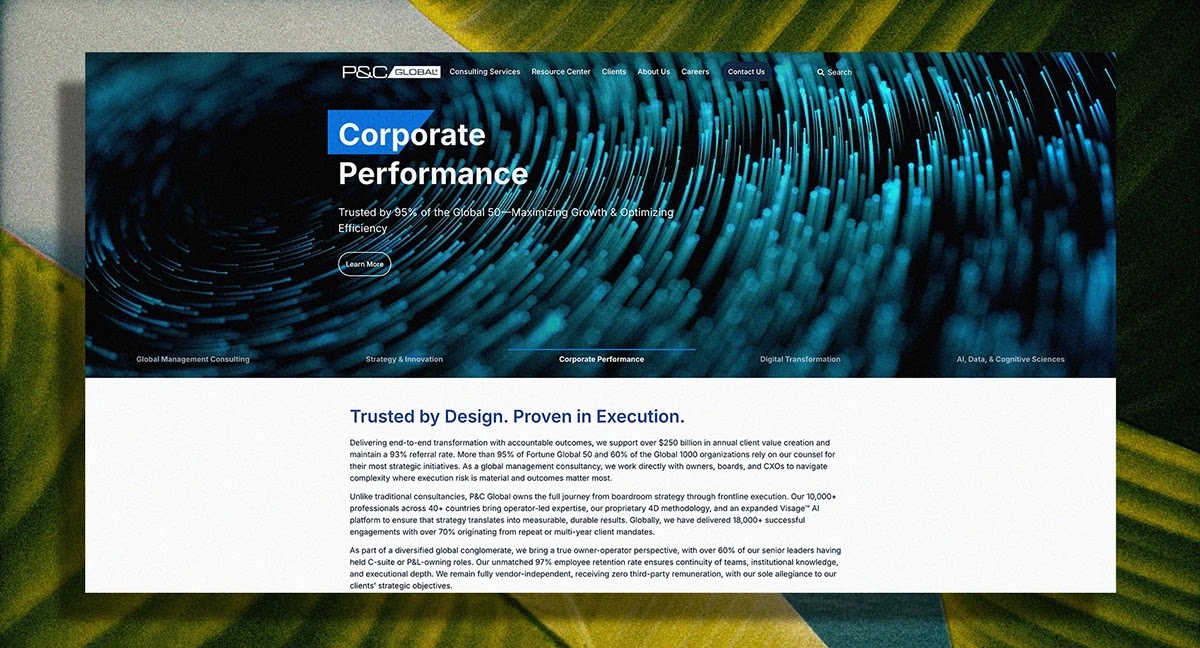
P&C Global is a strategy and execution consultancy focused exclusively on luxury hospitality, transforming the world's most prestigious hospitality brands through comprehensive lifestyle ecosystem design that spans omnichannel platform architecture, AI-driven personalisation, and the full range of luxury guest experience transformation. Their client portfolio includes Four Seasons, Mandarin Oriental, Ritz-Carlton, Aman, Rosewood, Belmond, Six Senses, Peninsula Hotels, St. Regis, Park Hyatt, and Waldorf Astoria, representing the highest concentration of ultra-luxury hospitality brand experience of any consultancy in the market. P&C Global has pioneered New Distribution Capability implementation in hospitality and designed omnichannel platforms that integrate digital innovation with heritage luxury guest experience. They are best suited for ultra-luxury hotel groups and resort brands undertaking transformative omnichannel and guest experience investments where the brand standards, client confidentiality requirements, and execution complexity of the ultra-luxury tier demand a specialist partner with direct experience at that level.
3. ThoughtWorks
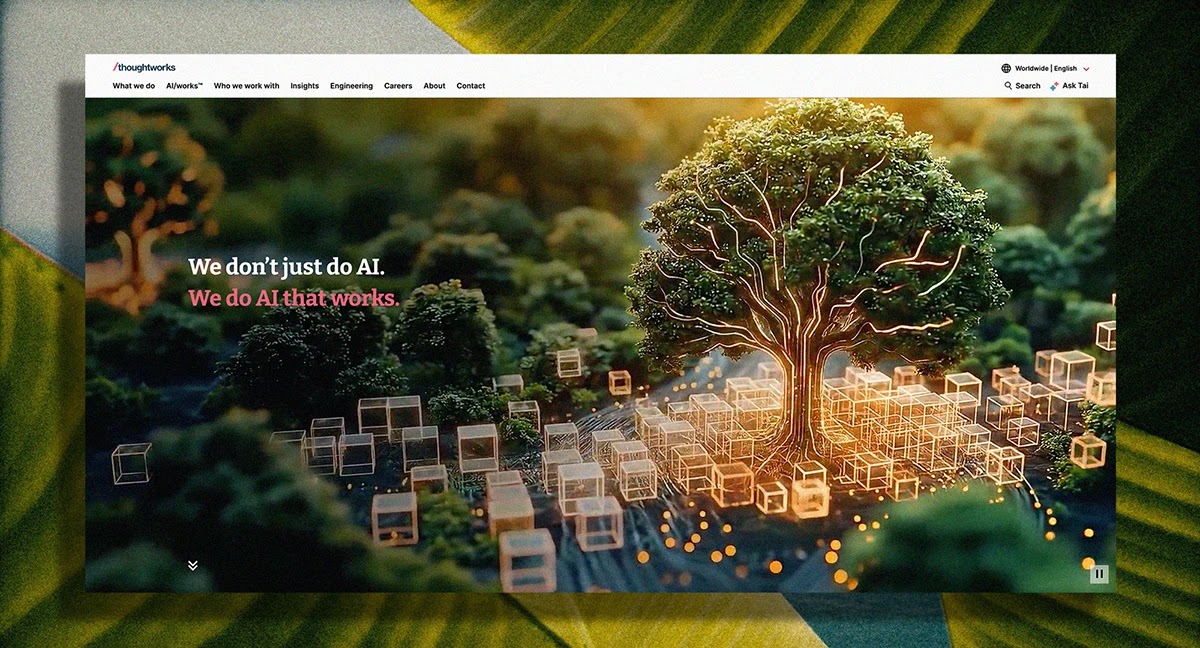
ThoughtWorks is a global technology consultancy known for its agile-driven approach to digital transformation, with a significant travel and hospitality practice that includes omnichannel platform architecture, digital product design, and systems integration for major hotel groups and travel brands. Their engineering-first approach to omnichannel transformation is particularly well suited to travel brands with complex legacy system environments where the technical integration challenge is as significant as the guest experience design challenge. They are best suited for enterprise hotel groups and travel technology companies that need a technology delivery partner with proven capability in complex systems integration, agile development methodology, and the ability to manage large-scale omnichannel platform builds across globally distributed teams.
4. Infosys Consulting
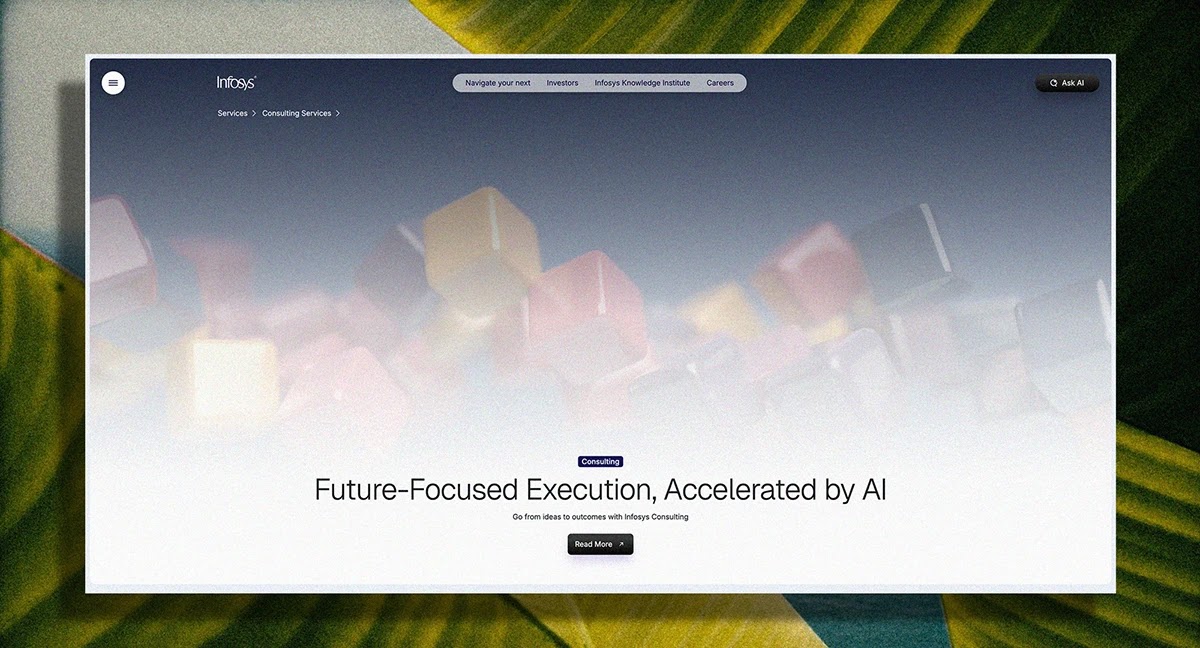
Infosys Consulting brings advanced analytics, omnichannel strategy, and mobile experience design capability to travel and hospitality brands, with particular strength in creating personalised and seamless guest experiences through the integration of AI-powered analytics with customer lifecycle management across digital and physical channels. Their travel and hospitality practice has developed specific methodologies for connecting guest data across booking engines, loyalty platforms, property management systems, and digital marketing channels into unified omnichannel engagement models. They are best suited for enterprise travel and hospitality brands with complex multi-system data environments that need a consultancy partner with advanced analytics capability and the ability to design and implement omnichannel guest experiences grounded in unified customer intelligence.
5. ELEKS
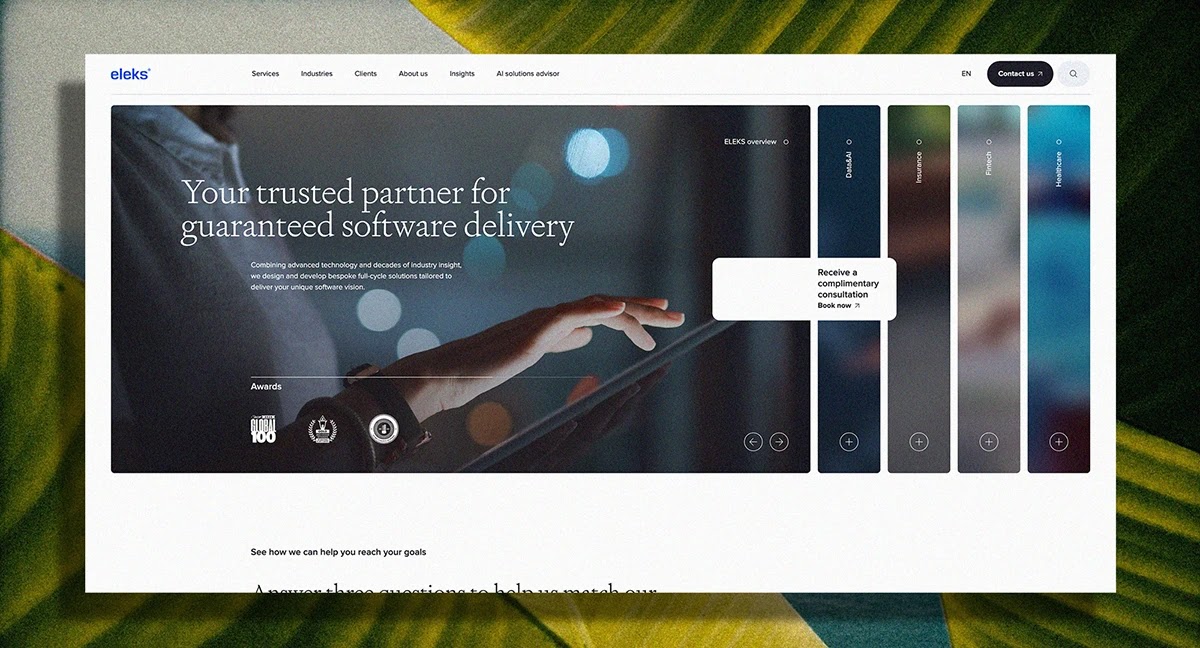
ELEKS is a technology services company with a strong reputation in building custom travel software platforms that integrate payment systems, CRM tools, loyalty platforms, and third-party travel APIs into connected omnichannel guest experience architectures. Their hospitality work caters to mid-to-large enterprises seeking to enhance guest satisfaction through data-driven platforms, IoT solutions, and cloud-based infrastructure, with particular strength in the technical integration layer that connects disparate hospitality systems into unified omnichannel platforms. They are best suited for hotel groups and travel companies with significant legacy system complexity that need a technology partner with specific experience in hospitality platform architecture and the ability to deliver custom integration work that connects booking, loyalty, CRM, and property management systems into a coherent omnichannel data layer.
6. Intellectsoft
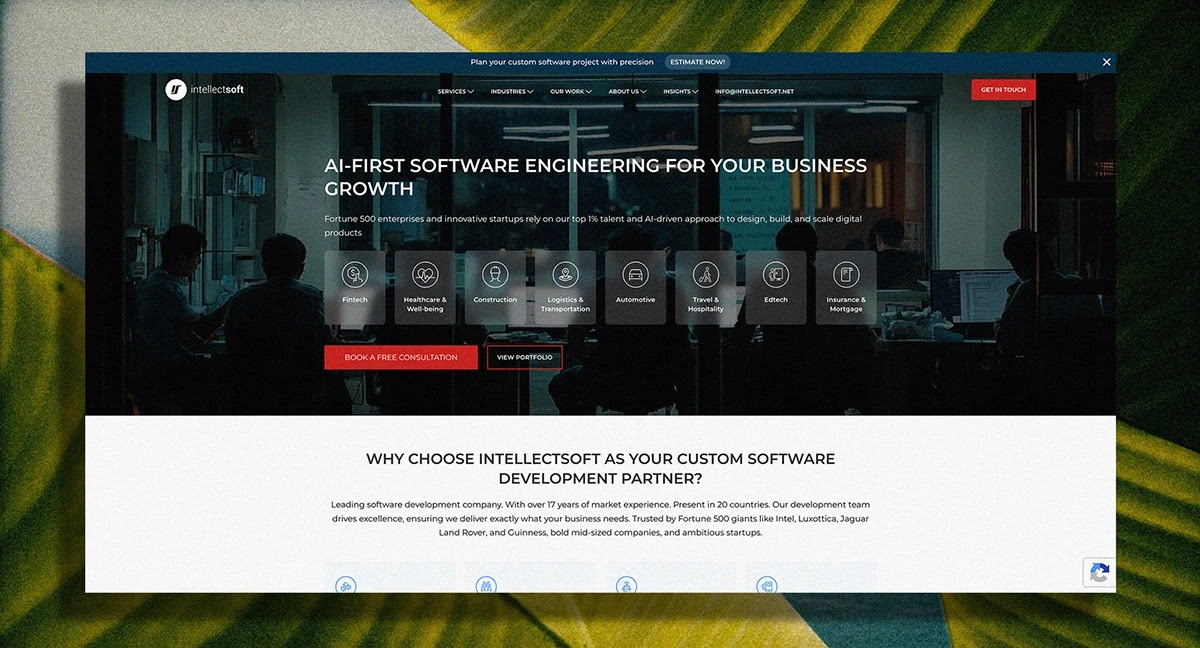
Intellectsoft is a digital consulting and software engineering company recognised for delivering digital transformation in the travel industry through scalable, secure platforms with particular strength in mobile check-in tools, smart concierge services, and loyalty platform integration. Their omnichannel capability in hospitality spans the connected guest journey from pre-arrival mobile engagement through in-property IoT-enabled experience to post-stay loyalty activation, with a delivery model that integrates strategic consulting with technical implementation across the full guest touchpoint landscape. They are best suited for hotel groups and hospitality brands that need a digital transformation partner capable of delivering the full technical stack of a connected omnichannel guest experience, from mobile app through property management integration through loyalty platform connectivity.
7. CJ Digital
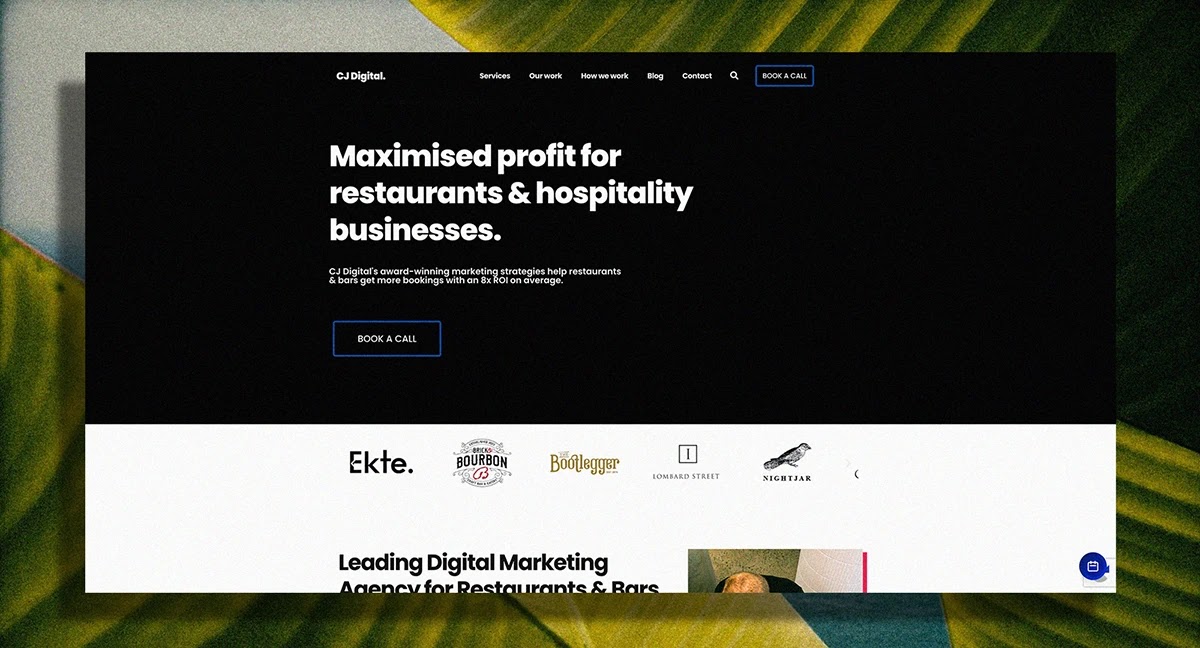
CJ Digital is a hospitality-focused marketing and omnichannel agency with deep expertise in helping travel and hospitality businesses design and implement unified guest experiences across booking, pre-arrival, in-stay, and post-stay channels. Their practical, execution-focused approach to hospitality omnichannel strategy, including the integration of website, booking engine, email, SMS, social media, and in-property digital channels, is particularly well suited to hospitality brands that need an omnichannel partner that moves from strategy to implementation without the extended discovery phases that larger consultancies require. They are best suited for independent hotels, boutique hotel groups, and hospitality brands at growth stage that need an omnichannel partner with genuine hospitality sector experience and the ability to implement omnichannel guest experience improvements quickly and measurably.
8. 1440
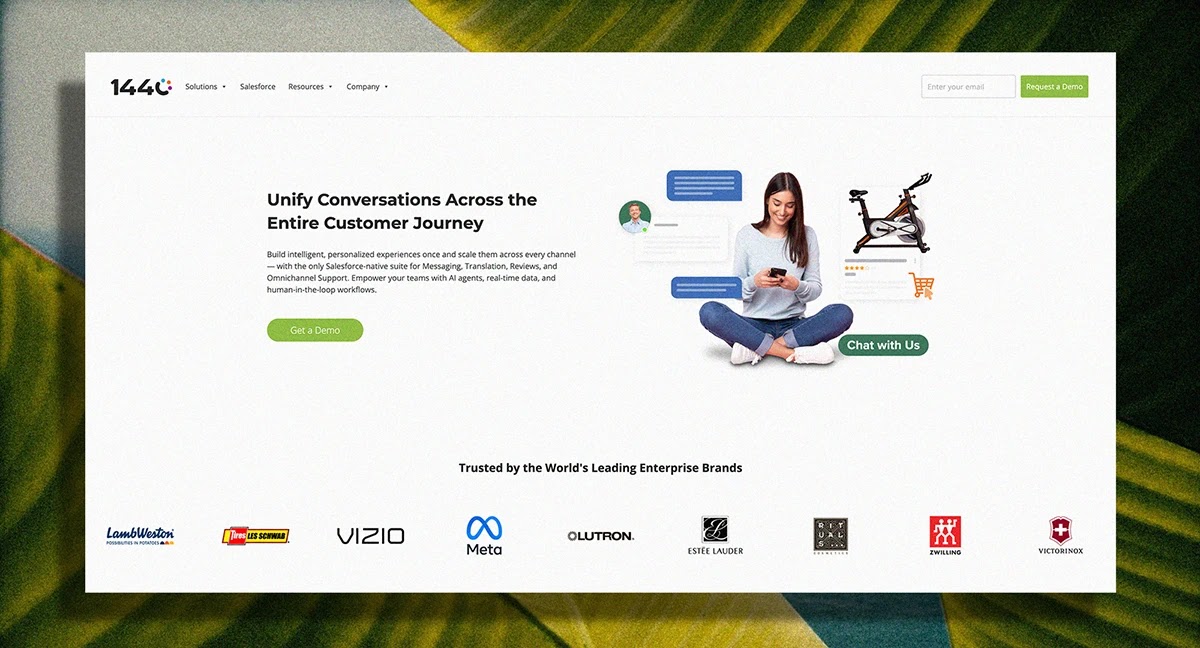
1440 specialises in helping travel and hospitality brands build omnichannel guest experience programmes on Salesforce, integrating booking systems, CRM, loyalty platforms, and guest communication channels into unified Salesforce-powered guest engagement ecosystems. Their specific expertise in Salesforce for hospitality, including the integration of property management systems, booking engines, and loyalty data with Marketing Cloud, Service Cloud, and Experience Cloud, makes them the leading specialist partner for travel and hospitality brands that have committed to Salesforce as their primary guest engagement platform. They are best suited for enterprise travel and hospitality brands that have invested in Salesforce and need a specialist implementation partner to build the omnichannel guest experience capability that the platform enables but does not configure automatically.
9. Brierley
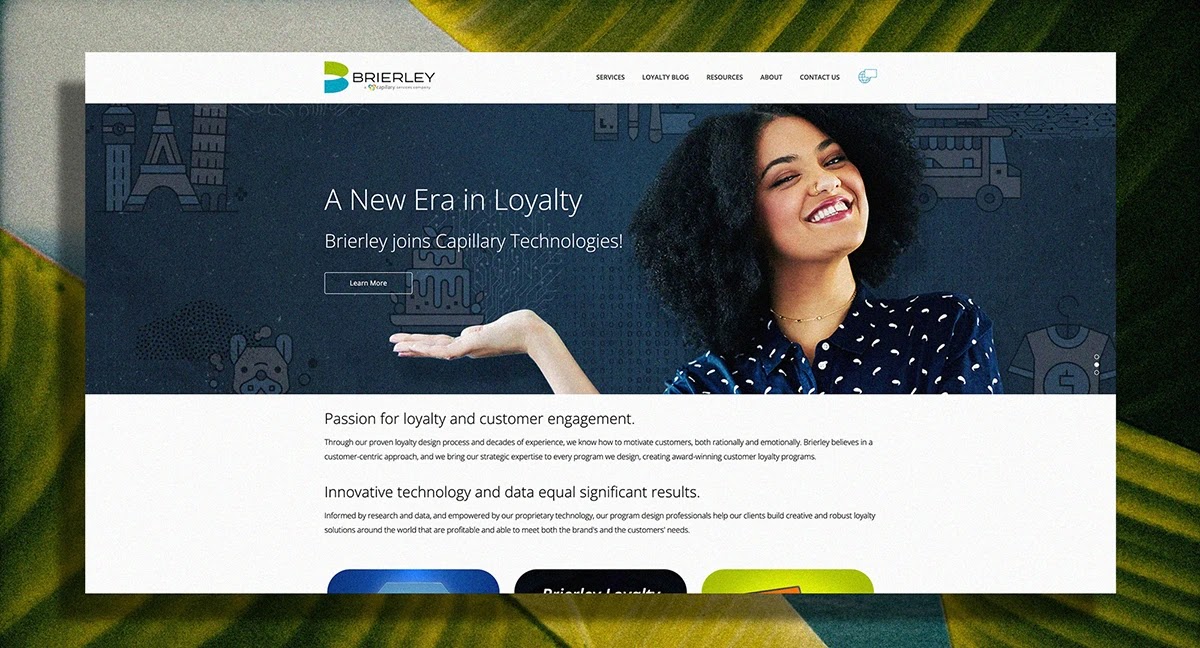
Brierley is a loyalty strategy and technology consultancy with over three decades of experience designing and implementing enterprise loyalty programmes for travel and hospitality brands, with a specific focus on the omnichannel loyalty architecture that connects guest recognition, personalisation, and reward delivery across every channel where guests interact with the brand. Their work spans loyalty programme strategy, loyalty technology implementation, and the ongoing optimisation of loyalty economics that determines whether a loyalty investment produces guest lifetime value improvement or simply incremental programme cost. They are best suited for hotel groups, airlines, and travel brands evaluating or redesigning their loyalty programme architecture, particularly those where the loyalty investment is not producing the guest retention and lifetime value outcomes the programme was designed to deliver.
10. Umbrex
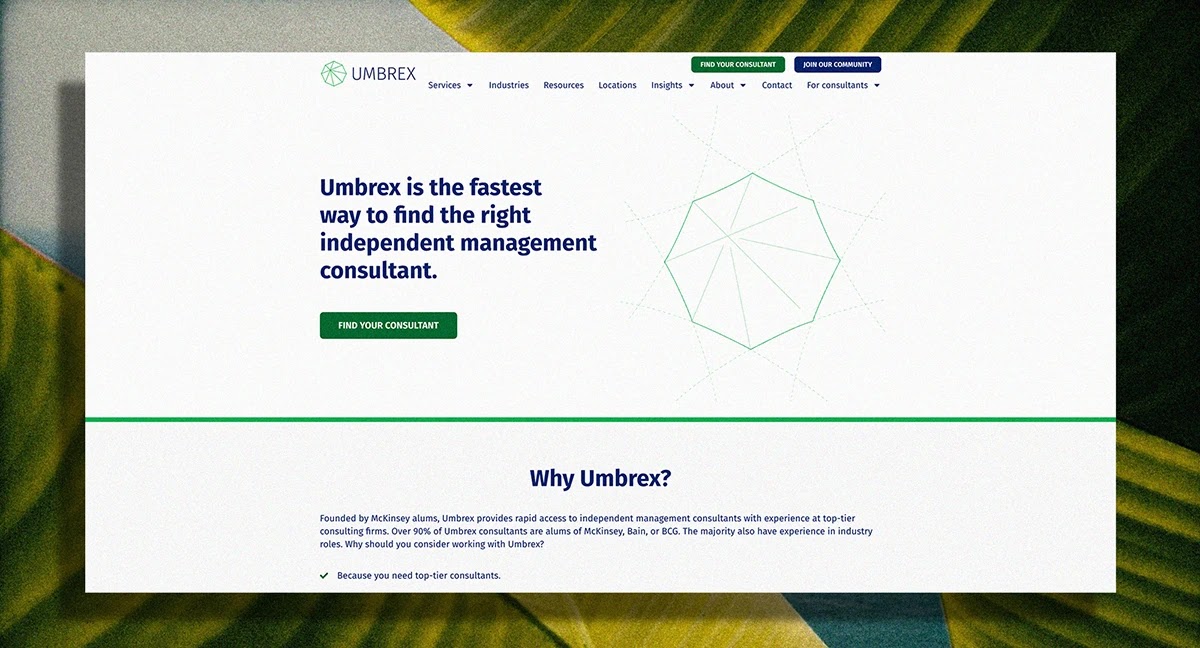
Umbrex is a global network of independent consultants with deep expertise across airlines, hotels, tour operators, and travel technology companies, providing cross-sector omnichannel strategy capability that combines the specialisation of boutique expertise with the breadth of a global consulting network. Their travel and hospitality practice draws on consultants with former experience at tier-one travel brands and consultancies, providing client-centric, tailored solutions across omnichannel experience design, customer experience strategy, and digital transformation in travel. They are best suited for travel and hospitality brands that need senior independent consulting expertise on omnichannel strategy without the overhead of a large consultancy engagement, particularly those at a strategic decision point where experienced external perspective on omnichannel investment priorities is more valuable than full-scale implementation support.



.png)
%20(1).png)

Let’s kickstart the conversation and design stuff people will love.

The Retail & Consumer Index


What Is Omnichannel Strategy in Travel and Hospitality?
Omnichannel strategy in travel and hospitality is the discipline of designing and implementing connected guest experiences across all channels through which travellers interact with a brand: from initial destination research and booking through pre-arrival communication, in-property experience, and post-stay engagement. Unlike multichannel approaches that manage each channel as a separate programme, a genuine omnichannel strategy agency for hospitality builds experiences where data, messaging, and service continuity flow seamlessly across channels, so that a guest's preferences, history, and current context are recognised and applied at every touchpoint regardless of which channel they are using. In 2026, with travellers using an average of eight or more touchpoints across the pre-booking journey alone, the quality of a brand's omnichannel integration has become one of the primary commercial differentiators between brands that win repeat bookings and those that compete primarily on price.
How Does Hospitality Omnichannel Strategy Work?
Hospitality omnichannel strategy begins with a guest journey mapping phase that identifies how guests actually move through the brand's touchpoints from discovery through post-stay, surfacing the specific points where channel fragmentation creates friction, reduces personalisation quality, or undermines the consistency of the brand experience. This diagnostic phase informs an omnichannel architecture design that determines how guest data will flow between systems, how channels will be orchestrated around the guest's journey stage and preferences, and how loyalty and personalisation programmes will be activated across every touchpoint. Technology assessment and selection follows, determining which platform integrations, CRM configurations, and data architecture investments are required to enable the designed omnichannel experience. Implementation typically proceeds in phases, with the highest commercial impact channel connections prioritised for initial delivery, followed by the progressive addition of capability as the data foundation matures.
What Is a Travel and Hospitality Omnichannel Agency?
A travel and hospitality omnichannel consulting firm is a specialist partner that helps travel and hospitality brands design and implement connected guest experience programmes that work seamlessly across every channel through which guests interact with the brand. The defining characteristic of a specialist travel omnichannel agency is its understanding of the specific guest journey complexity that makes omnichannel implementation in travel and hospitality more difficult than in most other sectors: the length of the guest decision journey, the diversity of systems involved across booking, property management, loyalty, and CRM, the regulatory and data privacy considerations that govern guest data management in multiple markets, and the service quality standards of luxury and premium hospitality brands that demand omnichannel experiences which feel personalised and effortless rather than automated and transactional.
What Services Do Travel and Hospitality Omnichannel Agencies Provide?
A specialist hotel omnichannel agency provides services spanning guest experience strategy, technology architecture, data integration, loyalty design, and ongoing programme optimisation. The following are the core services a travel and hospitality omnichannel agency delivers.
Guest Journey Mapping and Experience Design
Specialist agencies map how guests actually move through a brand's touchpoints across the full travel journey, identifying the specific friction points, data gaps, and experience inconsistencies that undermine guest satisfaction and commercial performance. This journey mapping forms the strategic foundation for all downstream omnichannel design and technology decisions.
Omnichannel Architecture and Technology Strategy
The design of an omnichannel technology architecture for travel and hospitality requires decisions about how booking engines, property management systems, CRM platforms, loyalty systems, and guest communication channels will be integrated to share data and enable personalised experiences at scale. Hotel omnichannel agencies with hospitality technology experience provide platform-agnostic architecture advice that prioritises guest experience outcomes over vendor preferences.
CRM and Guest Data Platform Design
The quality of a travel brand's omnichannel experience is ultimately determined by the quality of its guest data infrastructure: how guest preferences, behaviour, and history are captured, unified, and activated across channels in real time. Specialist agencies design and implement guest data platforms that give hospitality brands the unified view of each guest that personalised omnichannel experience requires.
Loyalty Programme Design and Omnichannel Integration
Loyalty programmes in travel and hospitality are one of the most commercially significant drivers of guest lifetime value, and their effectiveness depends on how seamlessly loyalty recognition, reward delivery, and personalised offers are integrated across the guest's full channel journey. Specialist agencies design loyalty architectures that operate consistently across digital, mobile, and in-property channels.
Digital Guest Experience and App Design
The mobile app and digital product experience through which guests manage bookings, access loyalty benefits, communicate with property teams, and control in-room features has become a primary loyalty and personalisation channel for hotel brands. Specialist agencies design and build digital guest experience products that integrate with the brand's broader omnichannel architecture.
Personalisation Engine Implementation
The activation of guest data for real-time personalisation across booking engine, email, in-app, and in-property channels requires both the data infrastructure and the personalisation technology to identify each guest's preferences and context and serve relevant content, offers, and service responses in the moment. Specialist agencies implement personalisation engines that are calibrated to the service quality standards of the hospitality brands they serve.
How Long Does a Travel and Hospitality Omnichannel Engagement Take?
The timeline for a travel and hospitality omnichannel engagement depends significantly on the scope of the programme, the complexity of the brand's existing technology environment, and the number of channels and markets involved. The following factors most significantly shape engagement duration.
Systems Complexity and Integration Scope
Travel and hospitality omnichannel programmes typically require the integration of multiple systems that were not designed to share data: booking engines, property management systems, central reservation systems, CRM platforms, loyalty technology, email and mobile marketing systems, and in-property technology. The number and maturity of these systems, and the complexity of the integration work required to connect them, is the most significant determinant of programme timeline. Programmes that require significant legacy system modernisation before omnichannel capability can be built consistently take longer than those building on a more modern technology foundation.
Data Architecture and Guest Profile Unification
Building a unified guest data foundation, where every guest interaction across every channel is captured, attributed to the correct guest profile, and made available for personalisation in real time, is frequently the longest phase of an omnichannel programme. The quality and consistency of existing guest data across the brand's systems significantly affects how long this phase takes, with brands that have invested in data quality and CRM hygiene consistently achieving faster omnichannel capability build.
Programme Scope and Channel Prioritisation
Full omnichannel programmes that address the complete guest journey across all channels and markets are multi-year investments. Most successful omnichannel programmes in travel and hospitality are implemented in phases, with the highest-commercial-impact channel connections, typically direct booking and post-stay loyalty activation, delivered first and progressively expanded as the data foundation matures. Agencies that help brands define a phased implementation roadmap consistently deliver faster early commercial return than those attempting full omnichannel capability in a single programme.
Organisational Change and Training
Omnichannel guest experience requires not just technology change but operational and cultural change: property teams, reservation agents, and guest services staff need to access and act on the guest intelligence that the omnichannel platform makes available. The time required for organisational change management, staff training, and the embedding of new working practices into property operations is frequently underestimated in programme planning and is one of the most common sources of delayed commercial return from omnichannel investment.
Market and Regulatory Complexity
Travel and hospitality brands operating across multiple markets face data privacy regulatory requirements that vary by jurisdiction, including GDPR in Europe, CCPA in California, and equivalent regulations in other markets. The design and implementation of omnichannel guest data programmes that comply with all applicable regulations across multiple markets adds complexity and timeline to programmes that would be simpler in single-market environments.
How Travel and Hospitality Omnichannel Agencies Price Their Work
Pricing for travel and hospitality omnichannel programmes varies significantly by scope, technical complexity, and the nature of services provided. The following are the primary factors that shape omnichannel agency pricing in travel and hospitality.
Strategy vs Implementation vs Ongoing Optimisation
Omnichannel strategy engagements covering guest journey mapping, architecture design, and programme roadmap development are typically scoped as fixed-fee project engagements. Implementation programmes covering technology integration, platform configuration, and loyalty design carry higher costs reflecting the technical and operational complexity involved. Ongoing optimisation retainers provide continuous programme management and improvement as the omnichannel capability matures and guest data accumulates.
Technology Integration Complexity
The integration of multiple hospitality technology systems, including property management, booking engine, CRM, and loyalty platforms, carries technical costs that scale with the number of systems being connected, the maturity of their APIs, and the custom development required to bridge gaps between systems that were not designed for integration. Agencies with hospitality technology integration experience scope these costs more accurately than those encountering the specific complexity of hospitality system landscapes for the first time.
Data Architecture Investment
The design and build of a guest data platform capable of supporting real-time personalisation across multiple channels and properties is one of the highest-cost components of an omnichannel programme. Brands that already have a mature CRM and data infrastructure require less investment in the data architecture layer, while those building from fragmented data environments require more substantial investment before personalisation capability can be activated.
Programme Scale and Market Scope
Omnichannel programmes for global hotel groups operating across hundreds of properties and multiple markets carry significantly higher costs than those for regional or single-market brands. The complexity of managing guest data across jurisdictions, maintaining brand consistency across properties, and activating personalisation in multiple languages and cultural contexts scales the programme cost substantially beyond single-market implementations.
Loyalty Programme Design and Technology
The design and implementation of a loyalty programme architecture, including the technology platform, reward structure, tier design, and omnichannel activation model, is typically scoped separately from the broader omnichannel programme. Loyalty investments in travel and hospitality represent some of the largest technology and programme costs in the sector, and the return on those investments is heavily dependent on the quality of the omnichannel integration that makes loyalty recognition and reward delivery seamless for guests.
Always-On Customer Intelligence
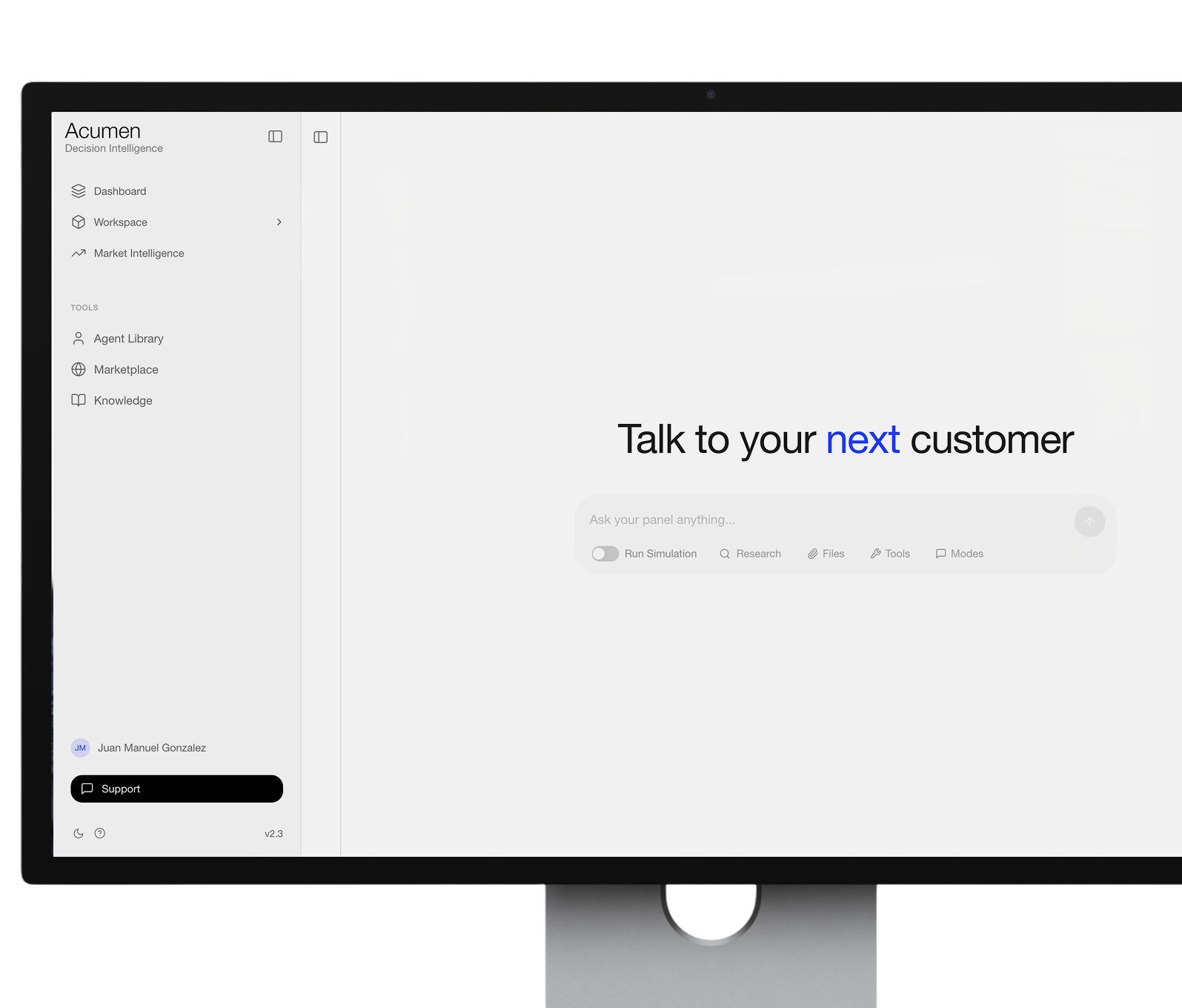
Turn your own customer data into foresight — validate, simulate, and sense every major decision before you commit.


Why Hire a Travel and Hospitality Omnichannel Agency

The case for engaging a specialist travel and hospitality omnichannel agency rather than a generalist digital agency or managing omnichannel transformation internally rests on the specific expertise, sector knowledge, and technology experience that effective omnichannel implementation in travel requires. The following are the most important reasons travel and hospitality brands choose to work with specialist agencies.
Hospitality System Landscape Knowledge
The technology environment of a travel or hospitality brand, spanning property management systems, central reservation systems, revenue management systems, loyalty platforms, and guest communication tools, is one of the most complex in any consumer sector. Travel and hospitality omnichannel consulting firms with specific hospitality system experience understand how these systems can be integrated and what the realistic constraints of the integration are, enabling them to design omnichannel architectures that are achievable rather than theoretically ideal.
Guest Lifetime Value Economics
Omnichannel investment in travel and hospitality is ultimately justified by its impact on guest lifetime value: the commercial consequence of converting a single-stay transactional relationship into a multi-stay loyal relationship with higher average spend, lower acquisition cost, and greater resilience to competitive pricing pressure. Specialist agencies with hospitality economics experience can model the expected lifetime value impact of omnichannel investments, enabling travel brands to prioritise the programme elements that will produce the fastest and most durable commercial return.
Luxury Service Standards in Digital Channels
Luxury and premium hospitality brands face a specific challenge in omnichannel implementation: the automation and scale that omnichannel technology enables must be deployed in ways that feel personally attentive rather than systematically processed to guests whose primary expectation is human-centred service. Specialist agencies with luxury hospitality experience understand how to design omnichannel experiences that meet luxury service standards in digital channels, a calibration that generalist digital agencies consistently miss.
Direct Booking Economics and OTA Dependency
One of the primary commercial objectives of hospitality omnichannel investment is the improvement of direct booking rates and the reduction of OTA commission dependency. Specialist agencies understand the specific channel economics of hospitality distribution and design omnichannel programmes that strengthen the direct booking relationship rather than simply improving the digital experience without addressing the commercial distribution dynamics that underlie it.
Post-Pandemic Loyalty Rebuild
Many travel and hospitality brands are rebuilding loyalty programmes and guest relationships that were disrupted during the pandemic period, in an environment where traveller expectations for digital experience quality have increased significantly and the competitive intensity for loyal guest relationships has never been higher. Specialist agencies with hospitality loyalty expertise understand the specific design and economics of travel loyalty in the post-pandemic environment and the omnichannel activation capabilities that distinguish programmes that retain guests from those that reward transactions.
How to Choose the Right Travel and Hospitality Omnichannel Agency
Selecting the right omnichannel partner for a travel or hospitality brand requires evaluating criteria specific to the brand's commercial objectives, technology environment, and programme scope. The following are the most important factors to assess.
– Hospitality system experience: does the agency have specific experience with the property management, booking, CRM, and loyalty systems the brand operates? Agencies without hospitality system knowledge consistently underestimate integration complexity.
– Guest experience design capability: does the agency lead with guest journey design before technology selection, or does it lead with platform capability? The sequence matters: technology that serves a well-designed experience produces better outcomes than experience designed around technology constraints.
– Loyalty programme expertise: does the agency have specific experience designing and implementing hospitality loyalty architectures, including the omnichannel activation that makes loyalty recognition and reward delivery seamless across channels?
– Commercial outcome orientation: does the agency measure omnichannel programme success through direct booking rates, guest lifetime value, and loyalty retention, or through channel-specific activity metrics that may not reflect commercial performance?
– Luxury and brand standard sensitivity: for luxury and premium brands, does the agency understand how to design omnichannel experiences that meet the brand's service standards in digital channels without feeling automated or generic?
– Phased implementation experience: does the agency have experience designing and delivering omnichannel programmes in phases that produce early commercial return while building toward full programme capability over time?
15 Questions to Ask a Travel and Hospitality Omnichannel Agency Before You Hire

The following questions help assess whether a travel and hospitality omnichannel agency's expertise, methodology, and commercial approach are suited to the specific challenge at hand.
1. What specific experience do you have with the hospitality technology systems our brand operates, including our property management and CRM platforms?
The integration complexity of a hospitality omnichannel programme is substantially determined by the specific systems being connected, and an agency's familiarity with those systems directly affects the accuracy of its timeline and cost estimates. Agencies with prior integration experience on the brand's specific platforms provide more reliable programme scoping than those learning the system landscape on the client's project.
2. How do you approach the design of a guest journey before making technology recommendations?
This question tests whether the agency leads with guest experience design or technology platform preferences. Agencies that invest in guest journey mapping before making technology recommendations consistently produce omnichannel programmes that serve guest experience objectives rather than technology capability constraints. Those that lead with platform recommendations risk designing an omnichannel experience around what the technology can do rather than what the guest needs.
3. Can you demonstrate specific omnichannel programmes you have designed and implemented for travel or hospitality brands with documented commercial outcomes?
The commercial outcomes of an omnichannel programme, including direct booking rate improvement, loyalty retention uplift, and guest lifetime value increase, are the most reliable indicators of programme effectiveness. Agencies that can demonstrate documented commercial outcomes for hospitality omnichannel programmes provide more credible evidence of capability than those presenting technology delivery milestones without connecting them to guest and business performance.
4. How do you approach loyalty programme design as a component of omnichannel strategy?
Loyalty and omnichannel are deeply interdependent in travel and hospitality: a loyalty programme that does not operate consistently across channels undermines the guest experience it is intended to create, and an omnichannel programme without loyalty integration misses the most commercially significant use case for guest data activation. Agencies that design loyalty and omnichannel as integrated components of the same programme produce better outcomes than those that treat them as separate workstreams.
5. What is your approach to the direct booking economics of omnichannel investment in hospitality?
The relationship between omnichannel capability and direct booking performance is one of the most commercially significant in hospitality, and an agency's understanding of how omnichannel investment affects the economics of direct versus OTA distribution reveals its depth of hospitality sector knowledge. Agencies that design omnichannel programmes with direct booking improvement as a primary commercial objective produce more commercially relevant outcomes than those that focus on guest experience metrics without connecting them to distribution economics.
6. How do you manage the data privacy and regulatory compliance requirements of a multi-market omnichannel guest data programme?
Travel and hospitality brands operating across multiple markets face a complex regulatory environment for guest data management, and the design of an omnichannel programme that is compliant across all operating jurisdictions requires specific legal and technical expertise. Agencies with multi-market hospitality omnichannel experience understand these requirements and build compliance into the programme architecture from the start rather than treating it as a post-design review.
7. What is your approach to designing omnichannel experiences that meet luxury service standards in digital channels?
For luxury and premium hospitality brands, the design of omnichannel experiences that feel personally attentive rather than systematically automated is one of the most demanding challenges in programme design. Agencies with luxury hospitality experience understand the specific service quality calibration required and design digital personalisation that reinforces rather than undermines the premium brand promise.
8. How do you approach the phasing of an omnichannel programme to produce early commercial return while building toward full capability?
Full omnichannel capability in travel and hospitality is a multi-year investment, and brands that invest without a phased implementation plan frequently find that programme costs accumulate before commercial return materialises. Agencies that design phased programmes prioritising the highest-commercial-impact channel connections first consistently deliver faster return on omnichannel investment.
9. What is your experience with property management system integration in a hotel omnichannel programme?
Property management system integration is the most technically complex component of a hotel omnichannel programme and the one most frequently underestimated by agencies without specific hospitality technology experience. The ability to connect PMS data with CRM, loyalty, and guest communication systems in real time is the foundation of in-property personalisation and service recovery, and agencies with PMS integration experience scope this work accurately and deliver it reliably.
10. How do you measure omnichannel programme performance, and what KPIs do you recommend for a programme of our scope?
The KPIs used to measure omnichannel programme performance reveal the agency's commercial orientation and the depth of its hospitality understanding. Agencies that recommend direct booking rate, loyalty enrolment and retention, guest lifetime value, and net promoter score as primary KPIs are agencies that connect omnichannel investment to business performance. Those that recommend channel activity metrics without connecting them to commercial outcomes are agencies that will produce omnichannel activity rather than omnichannel impact.
11. What is your approach to change management and staff training in a hospitality omnichannel programme?
Omnichannel guest experience requires operational change as much as technology change: property teams and guest services staff need to access and act on the guest intelligence that the omnichannel platform makes available. Agencies that include change management and staff training as explicit components of their programme design produce better adoption and faster commercial return than those that treat the human dimension of omnichannel change as an implementation detail.
12. How do you approach the unification of guest profiles across multiple properties and booking channels?
For multi-property hotel groups, the unification of guest profiles across properties, booking channels, and loyalty systems is the foundational data challenge of an omnichannel programme. Agencies with experience in guest profile unification for multi-property hotel groups understand the specific identity resolution challenges involved and design data architectures that produce reliable unified guest profiles rather than fragmented records that undermine personalisation quality.
13. What technology platforms do you have specific expertise in for hospitality omnichannel implementation?
The agency's technology expertise should align with the brand's existing and planned technology investments. An agency with deep expertise in the specific platforms the brand has committed to, whether Salesforce for hospitality, Oracle Hospitality, or other enterprise platforms, can deliver implementations faster and with more commercial effectiveness than agencies learning those platforms on the client's project.
14. How do you approach the integration of social commerce and AI-driven booking channels into a hospitality omnichannel programme?
The travel booking journey has shifted significantly toward social discovery and AI-assisted planning, with a growing share of travellers using social platforms and AI agents at the beginning of their booking journey. Agencies that design omnichannel programmes to capture and continue the guest relationship from these new entry points produce more commercially current programmes than those designed around the traditional search-and-book journey.
15. What makes your agency the right choice for our specific omnichannel challenge rather than for travel and hospitality brands generally?
The most direct test of whether the agency has genuinely understood the brand's specific situation. The best answers reference specific elements of the brand's technology environment, commercial objectives, market scope, or guest experience challenge. Generic answers about hospitality expertise and omnichannel capability signal an agency presenting a standard service rather than a solution tailored to the specific programme at hand.
Conclusion
The travel and hospitality brands that will sustain commercial advantage in the years ahead are those that have built the omnichannel guest experience capability to convert digital discovery into direct bookings, and booking into the loyal relationships that drive guest lifetime value across multiple stays. The travel omnichannel agency selection decision is ultimately a commercial strategy decision: the right partner is the one whose hospitality sector knowledge, technology expertise, and guest experience design capability most directly address the specific gap between the brand's current omnichannel reality and the connected guest experience its commercial ambitions require.
G&CO. works with travel and hospitality brands on the guest experience strategy, omnichannel architecture, and loyalty programme design decisions that determine whether digital investment produces the guest relationships and direct booking performance the business requires. Whether the challenge is designing a new omnichannel guest experience strategy, implementing a unified guest data platform, or integrating loyalty and personalisation across digital and in-property channels, G&C. brings the strategic depth and hospitality sector expertise that omnichannel strategy for hospitality at the enterprise level requires. G&CO. is a certified minority business enterprise (MBE) through the National Minority Supplier Development Council (NMSDC). Submit an inquiry to G&CO. on our contact page or click on the blue "Click to Contact Us" button on the bottom right corner of your screen. We look forward to hearing from you.