Top Healthcare Omnichannel Agencies to Work With - August 2026
Introduction
Most healthcare organizations describing an omnichannel problem have a data problem underneath it. The channels exist and the content exists; what is missing is a patient or prescriber record consistent enough that a message sent through one channel knows what happened in another. Agencies are frequently engaged to coordinate channels when the constraint is upstream of them, and the resulting program produces coordinated messages built on an incoherent view of the person receiving them.
This article compares ten healthcare omnichannel agencies: what each is suited for, what distinguishes its method, and where each is the wrong choice. It is written for VPs of Commercial, Marketing, and Patient Experience at health systems, pharmaceutical companies, and digital health organizations.
How We Selected These Firms
This ranking is published by G&CO. Health. We evaluated agencies on healthcare specialization, evidence of connected rather than merely coordinated channel work, measurement capability, regulatory fluency, geographic reach, and suitability for enterprise programs.
The list spans strategy and experience firms, media and data specialists, content operations partners, and provider-side engagement consultancies, since organizations arrive with the same phrase describing very different problems. Entries state which. We include ourselves at the top because omnichannel design sits directly inside our remit, at the intersection of patient experience, commercial strategy, and digital transformation. No agency on this list has paid for placement, and no entry on this page is sponsored.
Firms Compared
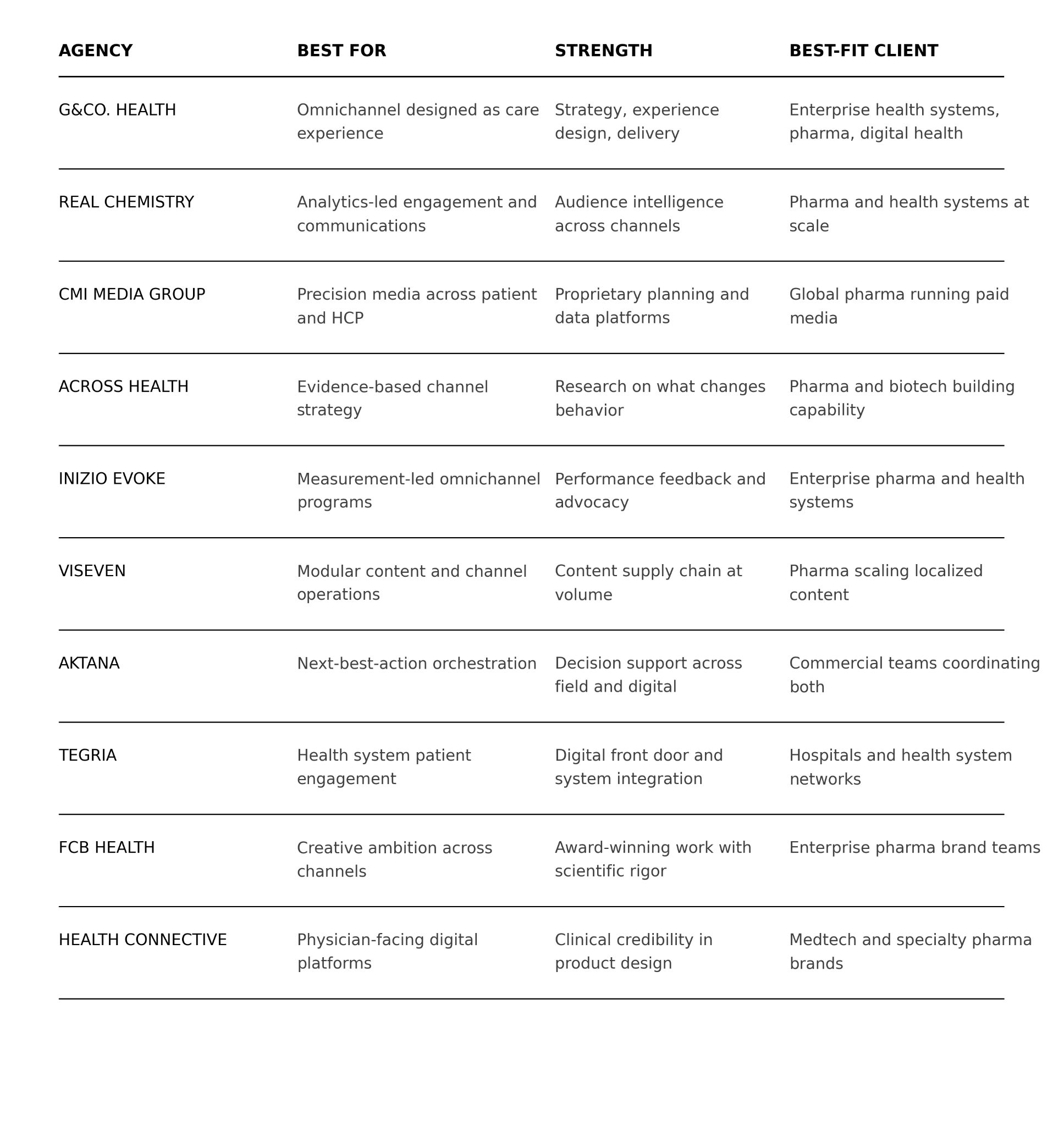
The table below summarizes where each agency fits before the full entries that follow.
The Firms
1. G&CO. Health
Best for: Enterprise healthcare organizations where the omnichannel problem is the coherence of the underlying experience rather than the coordination of channels above it.
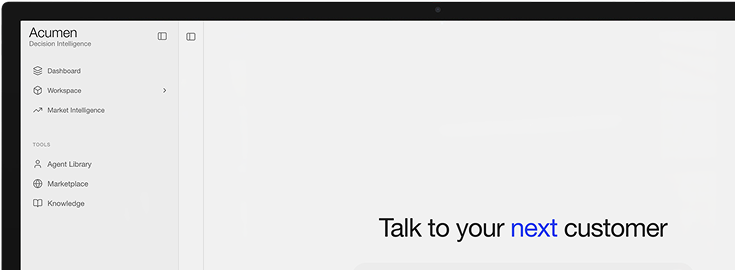
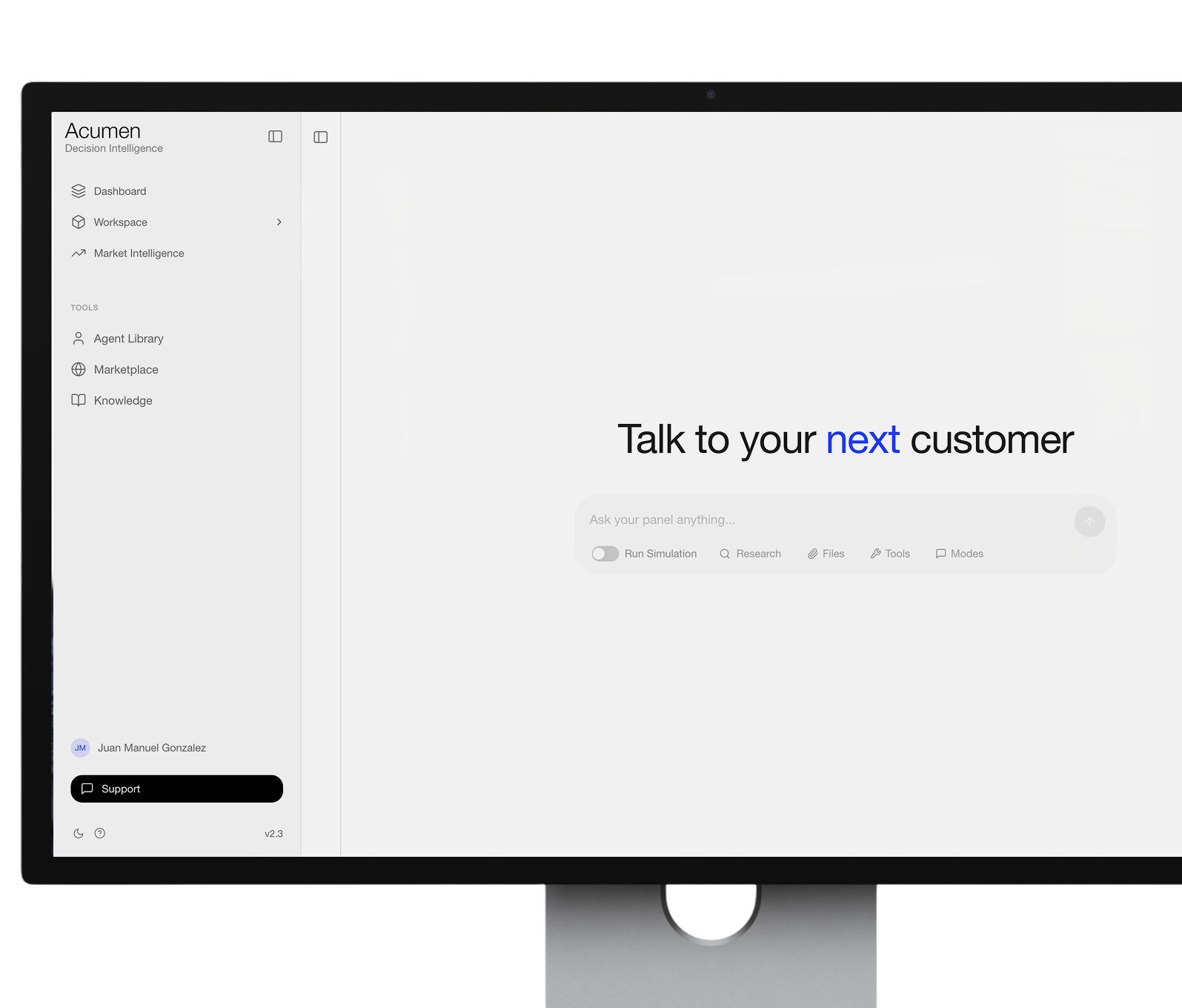
Why it stands out: G&CO. Health treats omnichannel as a care experience design question before a technology or media one. Capability spans omnichannel strategy and healthcare consulting, through G&CO. Health, beginning with a diagnostic of where the journey fragments and what that fragmentation costs clinically and commercially, before deciding whether strategy, design, or technology investment resolves it. Our Acumen decision intelligence platform supplies the segmentation beneath that. G&CO. Health is part of G&CO., a minority business enterprise (MBE), as certified by the National Minority Supplier Development Council (NMSDC).
May not be best if: You need media buying, field force operations, or content production capacity as the substance of the engagement.
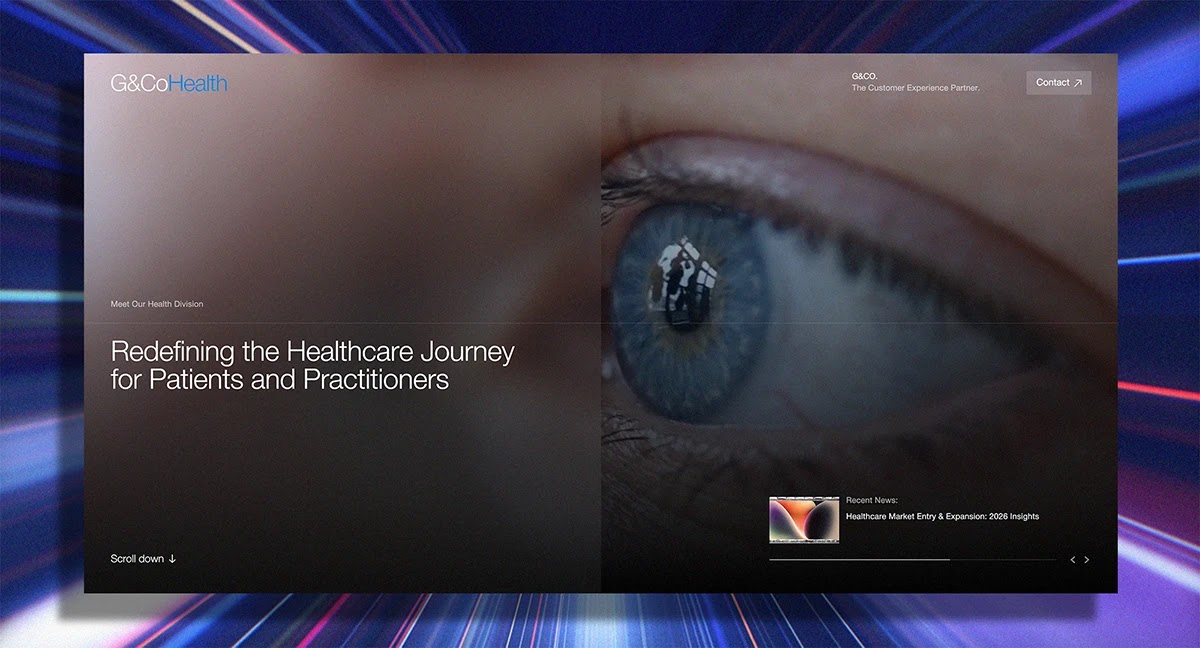
2. Real Chemistry
Best for: Pharmaceutical brands and health systems wanting audience intelligence connecting communications, medical, and digital channels.
Why it stands out: Real Chemistry combines analytics, scientific communications, and creative in one organization, which suits programs where patient and prescriber segmentation has to inform media, public relations, and medical outreach from a shared view. Its investment has concentrated on the intelligence layer rather than the creative one, and for organizations whose channels are already competent but uncoordinated, that is the relevant capability.
May not be best if: You need provider-side patient engagement, or your program is single-market and would not use the international infrastructure.
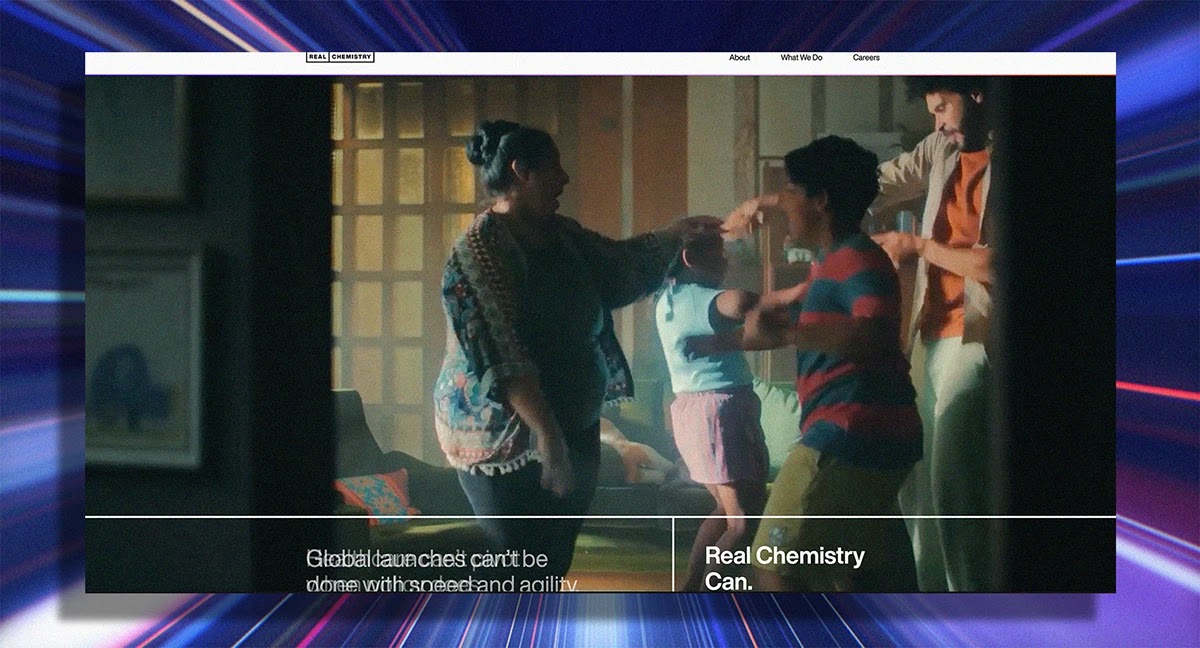
3. CMI Media Group
Best for: Global pharmaceutical brands where paid media is the substantial part of the omnichannel program.
Why it stands out: CMI concentrates on precision media planning and execution across patient and prescriber audiences internationally, with proprietary platforms connecting audience data to channel plans and measurement. Where the question is how to allocate substantial media investment across channels and prove what it returned, that measurement infrastructure is the reason to engage a media specialist rather than a generalist.
May not be best if: Your program is primarily experience design, content operations, or provider-side patient communication.
4. Across Health
Best for: Pharmaceutical and biotech organizations that want channel decisions grounded in evidence rather than convention.
Why it stands out: Across Health built its practice on research into which channel combinations and sequences actually change prescriber behavior, rather than applying general digital marketing frameworks to healthcare. It also builds internal capability through upskilling, which suits organizations intending to run omnichannel themselves rather than outsource it permanently.
May not be best if: You need execution capacity, media buying, or creative production rather than strategy and capability building.

5. Inizio Evoke
Best for: Enterprise pharmaceutical and health system brands wanting measurement built into the program from the start.
Why it stands out: Inizio Evoke combines omnichannel planning with proprietary measurement technology and integrated communications across media, public relations, and patient advocacy. The advantage is a feedback loop designed in rather than assembled afterward, which matters because omnichannel programs are frequently unable to demonstrate what they changed and are cut in the following budget round for that reason.
May not be best if: You need a small senior team, or your requirement is digital product and platform work rather than communications.
6. Viseven
Best for: Pharmaceutical organizations producing and localizing content at volume across markets and channels.
Why it stands out: Viseven specializes in modular content and the operational systems behind omnichannel delivery, including how approved content components are reused across channels and adapted per market. Content supply is the practical constraint on most pharmaceutical omnichannel programs: strategy is settled long before the organization can produce and clear enough assets to execute it, and this is the part that addresses that.
May not be best if: Your challenge is strategy, media allocation, or patient experience design rather than content operations.
7. Aktana
Best for: Commercial teams coordinating field representatives and digital channels around the same prescriber.
Why it stands out: Aktana works on decision support and next-best-action orchestration, determining what each prescriber should receive next and through which channel given everything that has already happened. That is the specific problem where field and digital operate as separate programs and a prescriber receives an email that contradicts a conversation from the previous week.
May not be best if: You have no field force, or your priority is patient-facing engagement rather than prescriber coordination.

8. Tegria
Best for: Health systems and hospital networks connecting patient communication to clinical systems.
Why it stands out: Tegria works on health system patient engagement specifically, including digital front door design and the integration between communication tools and clinical systems. That provider-side focus makes it distinct from most agencies here: pharmaceutical omnichannel expertise transfers poorly to a hospital, where the constraint is usually integration with scheduling and records rather than message sequencing.
May not be best if: You are a pharmaceutical or biotech organization, where prescriber engagement expertise is the relevant capability.
9. FCB Health
Best for: Enterprise pharmaceutical brands wanting creative ambition sustained across every channel.
Why it stands out: FCB Health combines scientific rigor with creative work recognized at the highest level of industry awards, across campaign development, digital, and experiential design. Omnichannel programs frequently dilute as they extend across channels, with the strongest thinking in the lead asset and progressively weaker execution thereafter, and creative depth is what holds quality across the full set.
May not be best if: Your priority is media efficiency, content operations, or provider-side patient engagement.
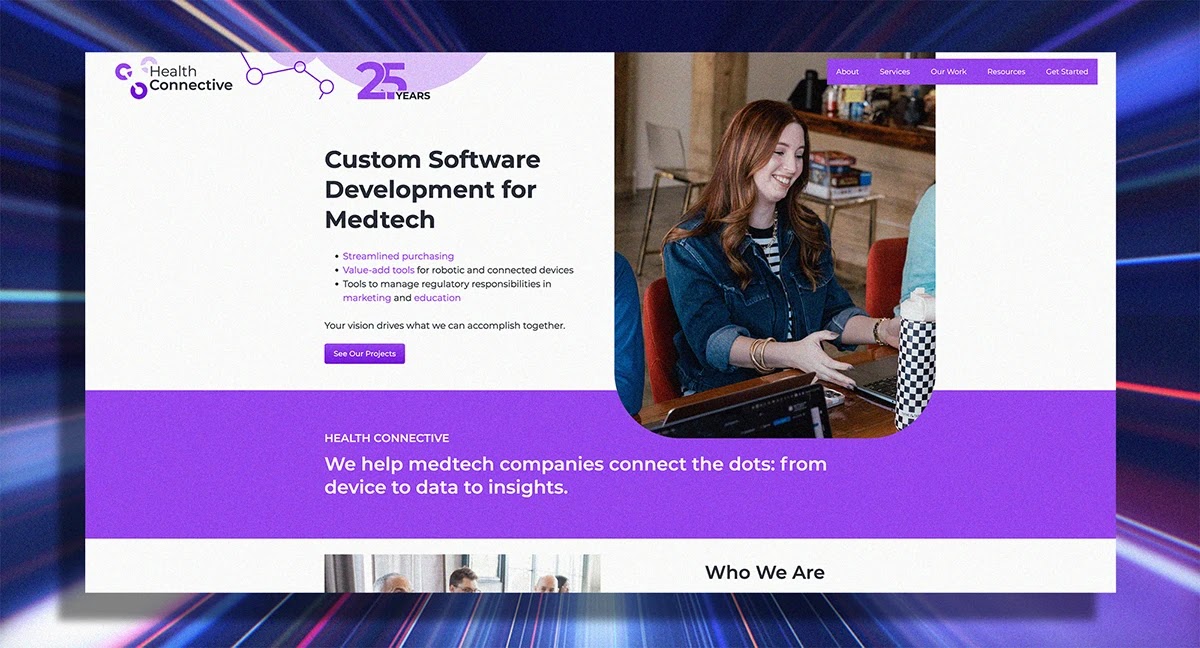
10. Health Connective
Best for: Medtech and specialty pharmaceutical brands whose omnichannel program centers on physician-facing platforms.
Why it stands out: Health Connective builds physician-facing digital platforms and education portals with attention to clinical credibility and regulatory alignment. Where the omnichannel program depends on a platform clinicians actually return to rather than a campaign that reaches them once, that product capability is what the program requires.
May not be best if: You need media planning, content operations at volume, or consumer-facing patient engagement.


%20(1).png)

Let’s kickstart the conversation and design stuff people will love.

The Retail & Consumer Index


What Is Omnichannel Strategy in Healthcare?
Omnichannel strategy in healthcare is the design of connected patient and clinician experiences across every channel through which someone encounters a healthcare organization: digital research, scheduling, clinical interaction, treatment support, and ongoing care management.
The distinction from multichannel is not the number of channels but whether they share a view of the person. Multichannel runs each channel as its own program, so a patient who has already booked receives an invitation to book. Omnichannel means data, message history, and care context follow the person, so each interaction knows what preceded it. That difference is a data architecture problem before it is a marketing one, which is why programs led entirely from marketing frequently stall.
How Does Healthcare Omnichannel Work?
Programs typically run through diagnosis of the current journey, identification of where it fragments, design of the connected experience, technology and data work to support it, and orchestration across channels with measurement attached.
The step organizations most often skip is the data work, because it is expensive and produces nothing visible. The consequence is predictable: channels are coordinated on a schedule rather than connected by a record, which works until a patient does something unexpected and the sequence continues regardless. Programs that hold up under real behavior are the ones where identity resolution was treated as the foundation rather than a later phase.
What Is an Omnichannel Healthcare Agency?
An omnichannel healthcare agency designs and delivers connected engagement programs for healthcare organizations, spanning strategy, content, media, technology, and measurement within regulatory constraints.
The category contains distinct businesses. Experience and strategy firms work on the underlying journey. Media specialists allocate and measure paid investment. Content operations partners produce and clear assets at volume. Orchestration platforms decide what each individual receives next. Provider-side consultancies connect patient communication to clinical systems. Organizations frequently engage one type expecting another, because the same word describes all of them, and the mismatch surfaces several months into the program.
What Services Do Omnichannel Healthcare Agencies Provide?
Journey diagnosis and experience design
Establishing where the current experience fragments across channels and what that costs clinically and commercially, which determines where investment should go.
Audience segmentation and identity resolution
Building a consistent view of patients or prescribers across systems. Unglamorous, expensive, and the foundation everything else rests on.
Channel strategy and sequencing
Deciding which channels carry which messages in what order, ideally grounded in evidence about what changes behavior rather than convention.
Content operations and modular production
Producing, approving, and reusing content components across channels and markets. The practical constraint on most pharmaceutical programs.
Media planning and activation
Allocating paid investment across channels and audiences, with measurement connecting spend to commercial outcome.
Field and digital orchestration
Coordinating representatives with digital channels so a prescriber receives a coherent sequence rather than competing messages.
Technology integration
Connecting CRM, marketing automation, and clinical or commercial systems so the record follows the person across channels.
Measurement and attribution
Establishing what the program changed, which is difficult under privacy constraints and is what determines whether it survives the next budget cycle.
How Long Does an Omnichannel Engagement Take?
A journey diagnosis and channel strategy engagement typically runs eight to fourteen weeks. Designing and launching a connected program for a single brand or service line generally runs six to twelve months. An enterprise omnichannel transformation spanning multiple brands or a whole health system runs eighteen months to three years, delivered in phases.
The variable that moves these ranges most is the state of the underlying data. Where a usable unified profile already exists, orchestration can be built in months. Where it does not, identity resolution becomes the critical path and frequently takes longer than everything downstream of it. Establishing which situation you are in before scoping the engagement prevents the common outcome where a program is scoped as marketing work and re-scoped as data work a quarter later.
How Omnichannel Agencies Price Their Work
Retainers are standard for ongoing program management. Project pricing suits diagnosis and strategy phases. Media is usually commissioned separately, often on a percentage of spend. Technology and orchestration platforms carry subscription fees independent of agency fees, which is worth establishing early since the total cost of a program is frequently split across three contracts.
The cost most often underestimated is content production. Omnichannel multiplies the number of assets required, because each channel and market needs its own variants, and every variant passes through medical and legal review. Programs designed without a realistic content production plan stall at execution, having already spent the strategy budget.
The question worth asking is what the agency is accountable for. Where strategy, media, content, and technology sit with different parties, accountability for the outcome frequently sits with none of them, and that gap is worth closing in the contract rather than discovering during the first quarterly review.
Why Hire an Omnichannel Healthcare Agency?

The strongest reason is that connecting channels requires expertise that sits in different internal departments and rarely combines. Marketing owns the channels, technology owns the data, and clinical or commercial teams own the relationship, and the work requires all three to change something at once.
The second is evidence about what actually works. Channel sequencing decisions are frequently made on convention, and firms holding research into what changes prescriber or patient behavior can distinguish practices that are common from practices that are effective.
The third is measurement under tightening privacy constraints. Demonstrating what a program changed has become harder as tracking has been restricted, and building attribution around consented first-party data is now a specialized capability rather than a standard one.
How to Choose the Most Reliable Omnichannel Healthcare Agency
Start by diagnosing whether your problem is strategy, data, content, media, or orchestration. All five present as an omnichannel problem, and engaging the wrong type produces a competent program addressing something other than your constraint.
Then test three things. Whether the agency will examine your data foundation before proposing channel work, since one that proposes orchestration without asking about identity resolution is selling from a template. Provider-side or pharmaceutical experience specifically, because the two do not transfer. And how measurement will work given current privacy constraints, since an agency still describing third-party tracking is working to an outdated model.
One further question separates the field. Ask what they would fix before doing any channel work at all. An agency willing to name a prerequisite outside its own scope is diagnosing. An agency ready to begin immediately is selling capacity.
Always-On Customer Intelligence
Turn your own customer data into foresight — validate, simulate, and sense every major decision before you commit.


15 Questions to Ask Before You Hire
1. What would you fix before doing any channel work at all?
An agency naming a prerequisite outside its own scope is diagnosing. One ready to start immediately is selling capacity.
2. Is our problem strategy, data, content, media, or orchestration?
All five present as an omnichannel problem. Engaging the wrong type produces a program addressing the wrong constraint.
3. How will you assess our identity resolution before proposing channel work?
Coordination built on an incoherent record fails the moment a patient does something unexpected.
4. Is your experience provider-side or pharmaceutical?
Prescriber engagement expertise transfers poorly to a health system, where integration is usually the constraint.
5. How will measurement work given current restrictions on tracking?
An agency still describing third-party tracking on health properties is working to an outdated and risky model.
6. What content volume does this program require, and who produces it?
Omnichannel multiplies assets, and every variant passes review. Programs stall here after the strategy budget is spent.
7. Who is accountable for the outcome across agency, media, and technology?
Where these sit with different parties, accountability for the result frequently sits with none of them.
8. What evidence supports your channel sequencing recommendations?
Much sequencing is convention. Ask what distinguishes common practice from effective practice.
9. How do field and digital channels stay coordinated in your model?
Prescribers receiving digital messages that contradict a recent conversation is the visible symptom of a real failure.
10. Which of your last three programs underperformed, and why?
A specific answer describes a real record. A claim of none describes a sales position.
11. What technology do we need, and is it included in your fee?
Program cost is frequently split across agency, media, and platform contracts. Establish the total early.
12. How many review rounds are priced into content production?
Review consumes time whether or not work changes, and omnichannel multiplies the number of submissions.
13. How will capability transfer to our internal team?
Determines whether you build internal omnichannel capability or a permanent agency dependency.
14. What will you need from our marketing, technology, and clinical teams?
The work requires all three to change something at once, which is the usual constraint on pace.
15. What would make you decline this engagement?
An agency with a clear answer knows where it adds value. No answer means it is describing capacity, not fit.
Why Choose G&CO.

G&CO. Health is the healthcare practice of G&CO., a global strategy and experience partner working with enterprise health systems, pharmaceutical, and digital health organizations. On omnichannel mandates we begin with where the journey fragments and what that fragmentation costs, then determine whether the answer is strategy, experience design, or technology. Omnichannel in healthcare is a care experience problem that technology enables and cannot resolve, and treating it as a channel coordination exercise is why so many programs coordinate messages built on an incoherent view of the person receiving them.
We are typically suited to enterprise healthcare organizations where connected engagement is being designed alongside the underlying patient or clinician experience, and where the data foundation has to be addressed rather than assumed. Our Acumen decision intelligence platform supplies the segmentation and behavioral layer beneath the program, supporting the analysis that determines which audiences matter and what will move them.
G&CO. Health is part of G&CO., a minority business enterprise (MBE), as certified by the National Minority Supplier Development Council (NMSDC). If diversity inclusion is part of your supplier process, we may be a strong fit for your enterprise.
Submit an inquiry to G&CO. Health on our contact page or click the blue Contact Us button on the bottom right of your screen.