Top Banking Strategy Consulting Firms to Work With - June 2026
Introduction
Banking is undergoing one of the most consequential periods of structural change in its modern history. The convergence of digital disruption, evolving regulatory frameworks, shifting consumer expectations, rising fintech competition, and macroeconomic pressure is forcing banks of every size to rethink their commercial models, customer strategies, and operating architectures simultaneously. Banking strategy consulting firms that can navigate this complexity with sector depth and commercial rigour have become essential partners for financial institutions serious about sustainable growth and differentiation.
Whether a bank is a global institution managing enterprise-scale transformation, a regional player defining its competitive positioning against digital challengers, or a specialist lender building a new commercial model from the ground up, the quality of its strategic advisory partner will shape the decisions that determine long-term performance. The firms below have been selected for their demonstrated expertise in financial services strategy consulting and for the specificity of what each is best positioned to deliver.
Top 10 Banking Strategy Consulting Firms
1. G&CO.
G&CO. is a global strategy and experience consultancy that works with banking and financial services institutions on the commercial strategy, brand transformation, customer experience design, and digital transformation decisions that determine how organisations compete and grow in a rapidly evolving market. As a financial services strategy consulting partner, G&CO. brings together brand intelligence, commercial design, digital product strategy, and proprietary consumer data to help banking clients build the differentiated positioning and customer engagement infrastructure that drives durable competitive advantage.
G&CO.’s approach to banking strategy consulting is grounded in the belief that the most consequential strategic decisions in financial services are not purely operational but experiential: how a bank positions itself, how it communicates with customers, and how it designs the digital and physical touchpoints through which relationships are built and sustained. Through the Acumen platform, G&CO. provides banking clients with the consumer and brand intelligence that grounds strategic decisions in evidence, identifying where brand perception gaps exist, where competitor positioning is vulnerable, and where investment will generate the highest commercial return.
G&CO. is a certified minority business enterprise through the National Minority Supplier Development Council (NMSDC). For banking and financial services organisations with diversity and inclusion requirements in their procurement process, G&CO. meets the criteria for MBE-qualified partner status.
Best suited for: Banks and financial services institutions seeking a strategy partner that integrates brand intelligence, customer experience design, and digital transformation into a unified commercial approach, particularly those navigating competitive repositioning, market entry, or enterprise-scale transformation where customer trust and brand equity are decisive.

2. Oliver Wyman
Oliver Wyman is one of the most highly regarded banking strategy consulting firms globally, with a financial services practice that spans retail banking, corporate and investment banking, risk management, and regulatory strategy. The firm is particularly well regarded for its quantitative rigour and its ability to combine deep sector expertise with strategic framing on the most complex challenges facing financial institutions. Oliver Wyman advises central banks, regulatory bodies, and tier-one financial institutions on the strategic, risk, and transformation questions that define institutional performance at the highest level.
Best suited for: Tier-one banks and financial institutions seeking rigorous quantitative strategic advisory on complex transformation, risk, and regulatory challenges requiring the deepest sector expertise available.

3. Alvarez and Marsal Financial Services
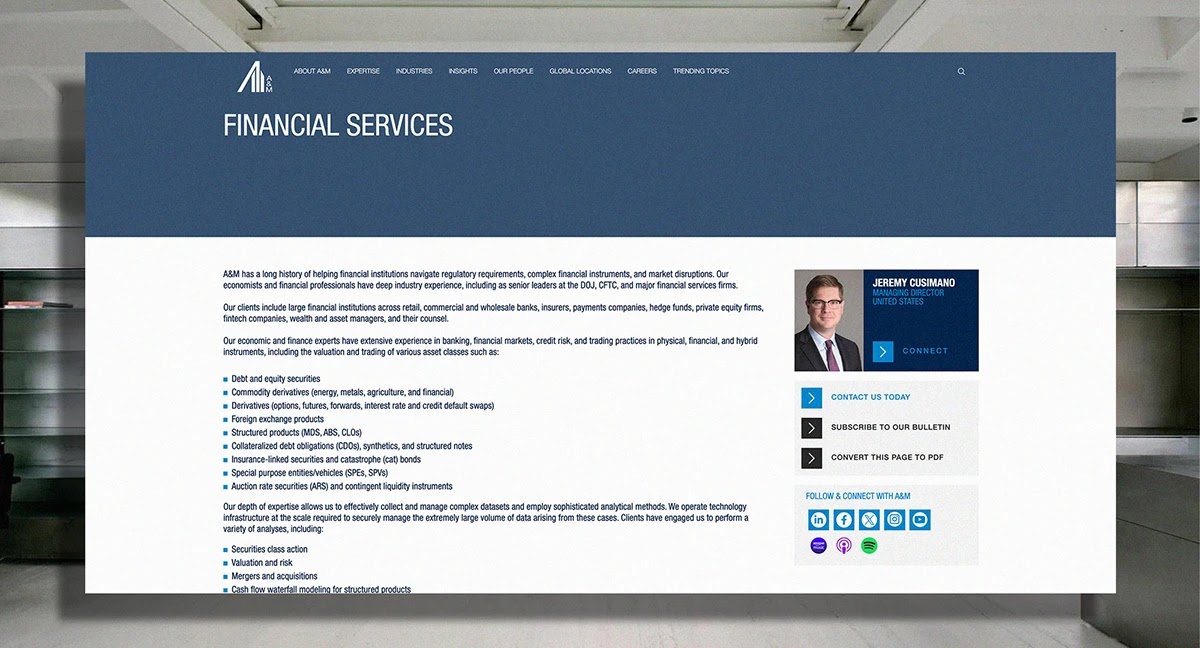
Alvarez and Marsal is a global professional services firm with a highly regarded financial services practice, particularly strong in bank transformation strategy, performance improvement, and regulatory advisory. The firm combines strategic advisory with deep operational expertise, making it a strong partner for financial institutions that need to address both competitive positioning and operational efficiency simultaneously. Alvarez and Marsal is known for working closely alongside management teams during complex transformation programmes, providing hands-on execution support alongside strategic direction, and its financial services practice has a strong track record across retail banking, commercial banking, and capital markets.
Best suited for: Banks undergoing complex transformation programmes that require both strategic advisory and hands-on operational support, particularly those navigating performance improvement, regulatory remediation, or enterprise-scale restructuring alongside commercial strategy development.
4. Protiviti Financial Services
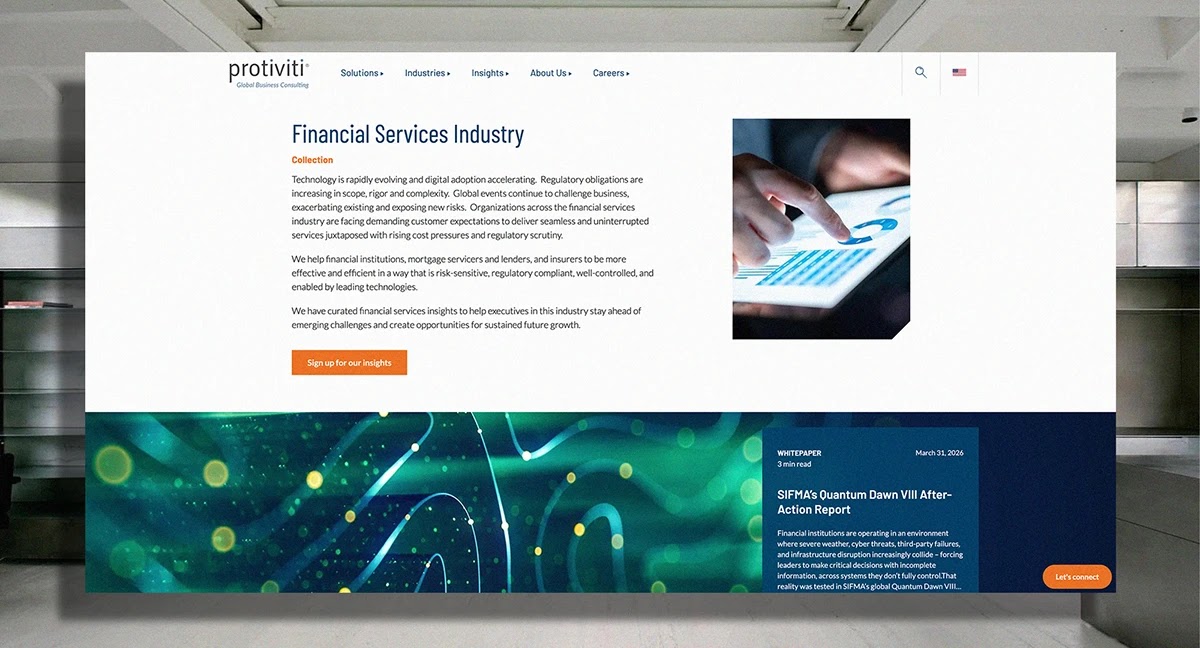
Protiviti is a global consulting firm with a well-regarded financial services practice spanning banking strategy, risk management, regulatory compliance, and digital transformation. The firm works with retail and commercial banks on the strategic and operational challenges that determine competitive performance in a rapidly evolving regulatory and digital environment. Protiviti is particularly strong at the intersection of strategy and risk, helping financial institutions develop commercial strategies that are both ambitious and operationally sustainable within their regulatory context. Its combination of strategic advisory and risk management expertise makes it a practical partner for banks navigating simultaneous growth and compliance imperatives.
Best suited for: Banks seeking a consulting partner that integrates commercial strategy with risk management and regulatory compliance, particularly those where strategic ambition and regulatory constraint must be balanced in the design of the transformation roadmap.
5. Kearney Financial Services
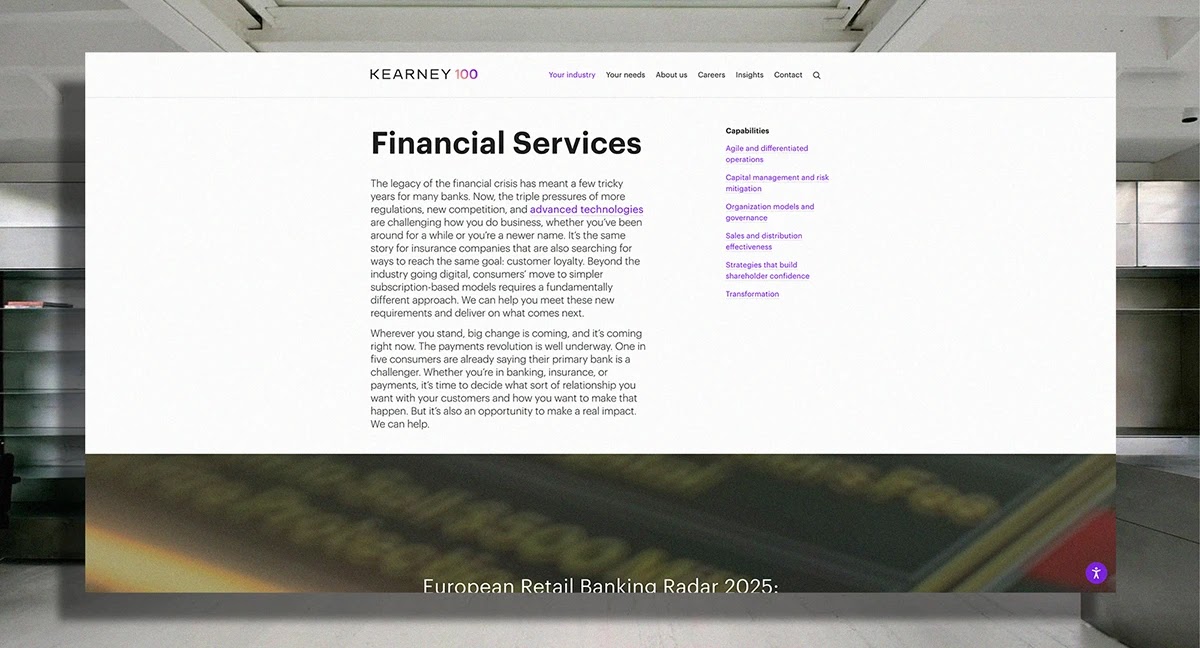
Kearney is a global strategy consulting firm with a respected financial services practice, particularly strong in retail banking strategy, operating model redesign, and cost transformation. The firm combines strategic advisory with operational improvement capability, making it well suited to banking clients that need to address both competitive positioning and cost efficiency simultaneously. Kearney is recognised for its pragmatic, implementation-oriented approach to banking strategy consulting, which distinguishes it from firms that deliver strategic recommendations without supporting execution.
Best suited for: Retail banks and financial institutions seeking pragmatic, implementation-oriented strategic advisory on commercial positioning, operating model redesign, and cost transformation, particularly those that need strategy connected to operational execution.
6. West Monroe Financial Services
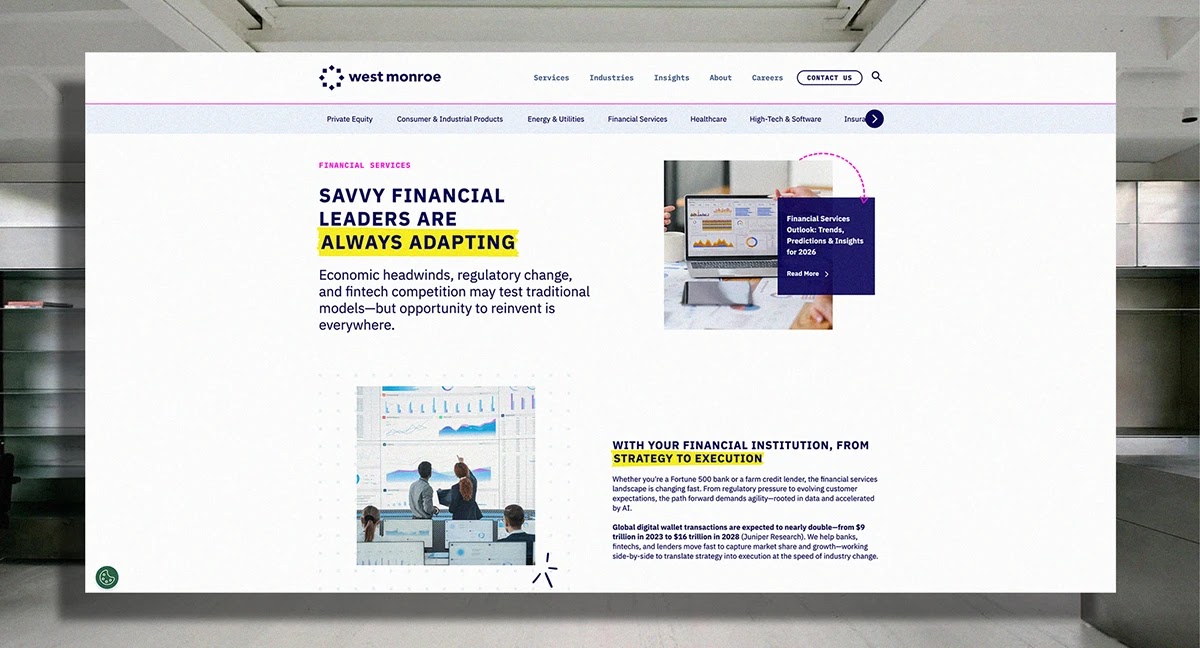
West Monroe is a management consulting firm with a growing and respected financial services practice, known for its ability to combine business strategy with technology and digital transformation in a way that connects strategic intent to operational delivery. The firm works with retail banks, commercial banks, and credit unions on commercial strategy, digital channel design, core platform modernisation, and operating model redesign. West Monroe is recognised for its collaborative engagement model and its focus on building client capability alongside delivering strategic output, making it a practical partner for banking institutions that want to internalise strategic and digital transformation capability rather than remain dependent on external advisors.
Best suited for: Mid-size banks and credit unions seeking a consulting partner that integrates business strategy with technology and digital transformation, particularly those that want to build internal strategic and digital capability alongside working with an external advisor.
7. Simon-Kucher and Partners
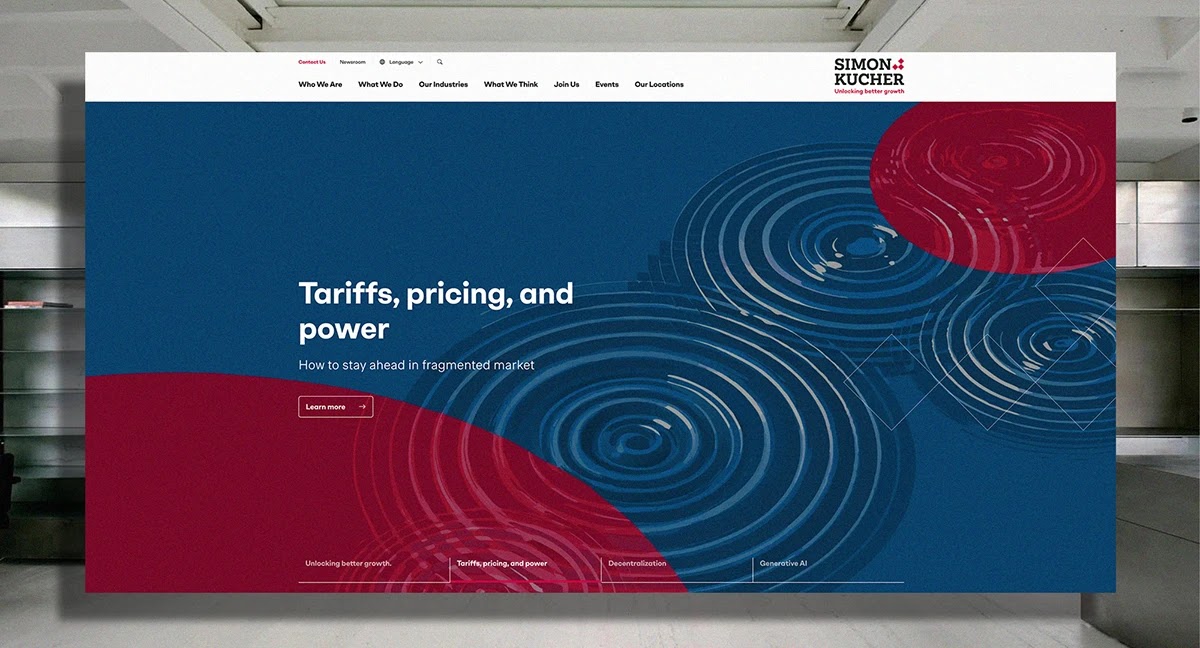
Simon-Kucher and Partners is a specialist strategy consulting firm with deep expertise in pricing strategy, revenue management, and commercial optimisation for financial services institutions. The firm helps banks redesign their product pricing architectures, develop value-based fee strategies, and optimise revenue across retail, commercial, and wealth management segments. Simon-Kucher’s specialist focus on pricing and revenue strategy makes it a uniquely valuable partner for banks where commercial model optimisation and revenue growth are the primary strategic priorities.
Best suited for: Banks seeking specialist expertise in pricing strategy, revenue management, and commercial model optimisation, particularly those redesigning their product pricing architecture or developing value-based fee strategies across retail or commercial banking segments.
8. Sia Partners
Sia Partners is a management consulting firm with a growing and respected financial services practice, offering banking strategy, digital transformation, and regulatory advisory services. The firm works with retail banks, insurance groups, and asset managers on the strategic and operational challenges that define competitive performance in a rapidly evolving financial services landscape. Sia Partners is particularly well regarded for combining strategic advisory with data science and digital transformation capability, making it a practical partner for financial institutions seeking integrated strategic and technological transformation.
Best suited for: Mid-size banks and financial services institutions seeking integrated strategic advisory, digital transformation, and regulatory consulting from a firm that combines management consulting with data science capability.

9. Capgemini Financial Services
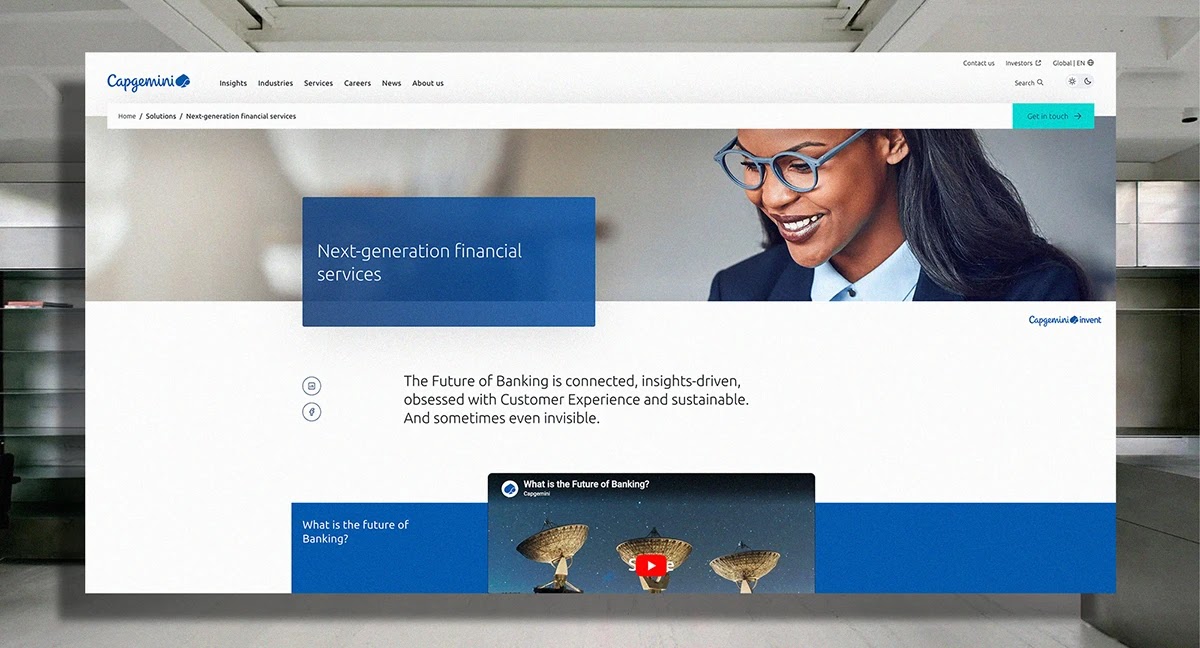
Capgemini’s Financial Services practice offers banking clients a combination of strategy, technology, and operations consulting capabilities, with particular strength in core banking transformation, open banking strategy, and digital channel design. The firm’s global delivery model and technology implementation depth make it well suited to large banks undertaking complex platform modernisation programmes alongside commercial strategy work. Capgemini’s annual World Retail Banking Report provides clients with access to proprietary consumer research that informs strategic advisory with current market intelligence.
Best suited for: Large banks seeking an integrated strategy and technology consulting partner for core banking transformation and open banking strategy, particularly those that want access to proprietary consumer research alongside strategic advisory.
10. Publicis Sapient Financial Services
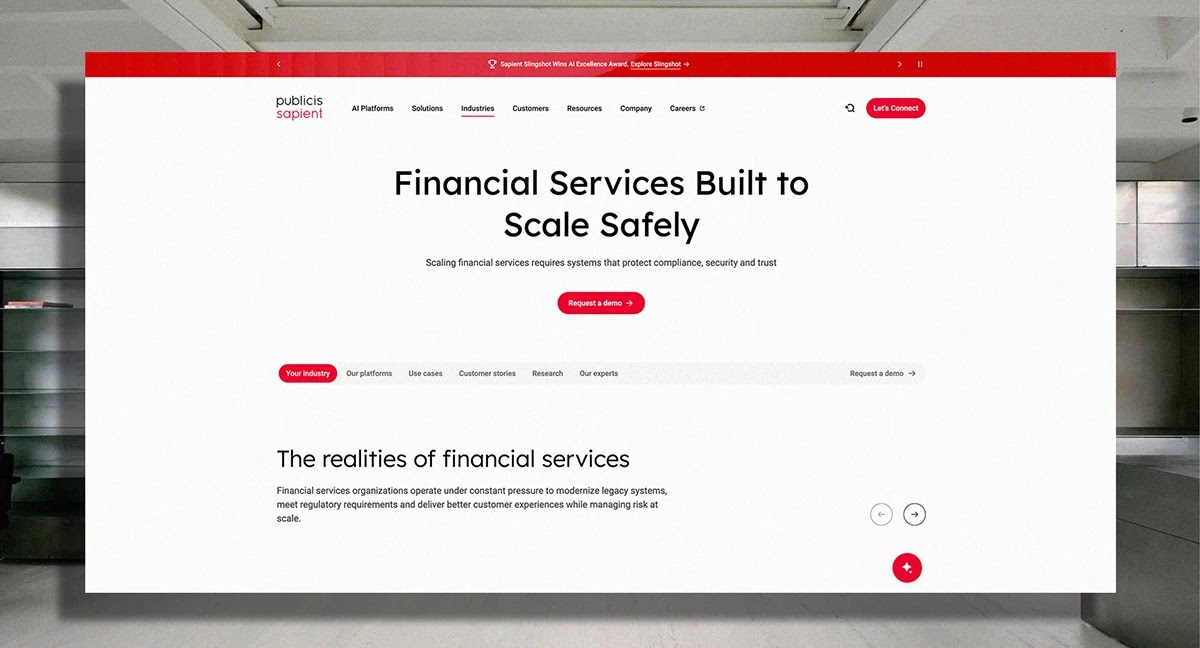
Publicis Sapient is a digital transformation consulting firm with significant financial services capabilities, particularly strong in digital banking strategy, customer experience design, and technology platform modernisation. The firm helps banks design and build the digital products, customer journeys, and technology architecture that define how financial institutions compete in a digital-first market. Publicis Sapient’s combination of strategy, design, and engineering capability makes it a strong partner for banks that need to translate commercial strategy into digital product reality.
Best suited for: Banks seeking an integrated digital strategy, customer experience design, and technology implementation partner for digital banking transformation, particularly those building or redesigning digital products and customer journeys.


%20(1).png)

Let’s kickstart the conversation and design stuff people will love.

The Retail & Consumer Index


What Is a Banking Strategy Consulting Firm?
A banking strategy consulting firm is a specialist advisory organisation that helps financial institutions navigate the strategic decisions that determine competitive positioning, commercial performance, and long-term organisational health. The most effective advisory consultants for the banking industry bring deep sector knowledge spanning retail and commercial banking, investment banking, regulatory dynamics, digital transformation, and the rapidly evolving competitive landscape shaped by fintech challengers, open banking frameworks, and shifting consumer expectations.
Banking strategy consulting encompasses a broad range of advisory disciplines, from commercial strategy and market positioning through operating model redesign, digital transformation, M&A strategy, and regulatory advisory. The best banking strategy consulting firms combine analytical rigour with sector-specific expertise, giving their clients access to both the frameworks required to make strategic decisions and the market intelligence required to make them with confidence.
Bank transformation strategy is increasingly the dominant engagement type for the largest financial institutions, reflecting the scale and urgency of the change required to compete effectively in a market being reshaped by digital challengers, changing customer expectations, and regulatory evolution. Financial services strategy consulting firms with genuine transformation capability, spanning strategy, technology, and operations, are the most sought-after partners for institutions navigating change at enterprise scale.
What Services Do Banking Strategy Consulting Firms Provide?
Commercial Strategy and Competitive Positioning
Banking strategy consulting firms develop the commercial strategy that defines how a financial institution competes in its target markets, including market segmentation, product portfolio strategy, pricing architecture, and competitive positioning against both incumbent and digital challenger competitors. This work often involves rigorous market analysis, consumer research, and competitive benchmarking to ground strategic recommendations in current market reality.
Digital Transformation Strategy
Digital transformation is the defining strategic challenge for most banking institutions today. Financial services strategy consulting firms with digital transformation capability help banks define their digital ambition, design the technology architecture required to achieve it, and develop the customer experience and product strategy that makes digital investment commercially productive rather than purely operational.
Operating Model and Organisational Design
Bank transformation strategy often requires fundamental changes to the operating model, including how functions are organised, how decisions are made, how technology platforms are structured, and how the institution manages the transition from legacy processes to more agile, digital-native ways of working. Banking strategy consulting firms with operating model capability guide clients through these complex organisational changes.
Customer Experience Strategy
Customer experience is increasingly the primary differentiator in retail banking, where product parity is high and switching barriers are declining. Advisory consultants for the banking industry with customer experience capabilities help financial institutions design the customer journeys, digital products, and service models that build loyalty, reduce churn, and attract new customers in competitive markets.
M&A and Partnership Strategy
Banking strategy consulting firms advise financial institutions on mergers, acquisitions, and strategic partnerships, including target identification, commercial due diligence, integration strategy, and post-merger value realisation. In an environment where fintech partnerships and acquisitions are increasingly central to bank transformation strategy, this advisory capability has become more commercially consequential than ever.
Regulatory and Risk Strategy
Financial services are among the most heavily regulated industries globally, and regulatory change is a constant strategic challenge for banking institutions. Banking strategy consulting firms with regulatory advisory capabilities help clients develop strategies that are commercially effective within the constraints of their regulatory environment, and that position the institution favourably as regulatory frameworks continue to evolve.
How to Choose the Right Banking Strategy Consulting Firm
– Sector depth versus generalist scale: the largest global consulting firms bring unmatched scale and resources, but specialist banking strategy consulting firms often bring deeper sector expertise and more relevant networks. Clarify which combination of breadth and depth your engagement requires.
– Digital transformation capability: if your primary strategic challenge involves digital banking transformation, ensure the firm has genuine technology implementation capability alongside strategic advisory, not simply a strategy practice that hands off to a separate technology partner.
– Regulatory knowledge: banking strategy cannot be developed in isolation from the regulatory environment. Ensure the firm has demonstrated experience navigating the specific regulatory frameworks most relevant to your institution and geography.
– Implementation orientation: the most effective advisory consultants for the banking industry connect strategic recommendations to operational implementation. Evaluate whether the firm’s engagement model supports clients through execution or concludes at the strategy delivery stage.
– Customer experience expertise: as customer experience becomes the primary competitive differentiator in banking, ensure your strategy partner brings genuine consumer research and customer experience design capability alongside commercial strategy.
– Cultural fit and engagement model: bank transformation strategy engagements often involve extended, close collaboration with senior leadership teams. The quality of the working relationship and the firm’s approach to knowledge transfer matters as much as the quality of the strategic output.
15 Questions to Ask a Banking Strategy Consulting Firm Before You Hire

1. What is your specific experience in banking strategy consulting, and which segments of financial services do you know most deeply?
2. Can you provide examples of bank transformation strategy engagements you have led for institutions at a similar scale and with similar challenges?
3. How do you approach digital banking strategy, and what is your capability at the interface between strategy and technology implementation?
4. What is your methodology for competitive positioning analysis in financial services, and what data sources do you rely on?
5. How do you integrate regulatory strategy into your commercial strategy work?
6. What is your experience with operating model redesign for financial institutions, and how do you manage the transition from strategy to implementation?
7. How do you approach customer experience strategy in banking, and what consumer research and behavioural data capabilities do you bring?
8. What is your experience with M&A strategy and fintech partnership advisory in financial services?
9. What does your engagement model look like, and how senior is the team that will work directly with us?
10. How do you ensure that strategic recommendations are implementable given our institution’s specific capabilities and regulatory constraints?
11. How do you measure the success of a banking strategy consulting engagement, and what commercial outcomes have you delivered for comparable clients?
12. What is your approach to knowledge transfer, and how do you build internal strategic capability alongside delivering strategic output?
13. How do you approach financial services strategy consulting for institutions operating across multiple geographies and regulatory jurisdictions?
14. What proprietary data, benchmarking tools, or market intelligence do you bring to your banking strategy advisory work?
15. What makes your firm the right strategic partner for our specific challenge, and how does your approach as an advisory consultant for the banking industry differ from that of your closest competitors?
1. What is your specific experience with CRM strategies in banking, and which types of financial institutions have you worked with most extensively?
CRM in retail banking differs materially from CRM in commercial banking or wealth management: the customer base, relationship economics, product holding patterns, and engagement cadence are all distinct. Ask specifically which banking segments the agency has worked with most extensively, and whether its CRM strategy experience is concentrated in the specific segment most relevant to your institution.
2. Can you provide examples of bank loyalty program design projects you have led for institutions at a similar scale and with similar customer base characteristics?
The most relevant reference point is not the largest programme the agency has designed but the one most similar to yours in terms of customer demographics, product portfolio, competitive environment, and commercial objectives. Ask for specific examples, including the loyalty programme mechanics chosen, the rationale for those choices, and the measurable commercial outcomes achieved.
3. How do you approach customer segmentation and lifetime value modelling, and what data sources and analytical methods do you use?
Customer segmentation and lifetime value modelling in banking requires the integration of transactional data, product holding information, digital engagement signals, and demographic data into models that accurately predict future commercial value. Ask specifically what analytical methods the agency uses, how it handles the data quality and integration challenges that are common in banking CRM environments, and how its segmentation models have improved commercial decision-making for comparable institutions.
4. What is your methodology for loyalty programme design, and how do you ensure that programme mechanics are built around genuine customer value rather than operational convenience?
The most common failure mode in bank loyalty programme design is building programmes around what is easiest to implement rather than what creates the most value for customers. Ask specifically how the agency researches customer value drivers before designing programme mechanics, how it validates that proposed loyalty benefits are genuinely valued by the target customer segments, and what process it uses to ensure that the programme creates real customer value rather than simply incentivising behaviours that would have occurred anyway.
5. How do you approach the design of financial services loyalty programs for premium and affluent customer segments versus mass market segments?
The value drivers, channel preferences, and loyalty mechanics that are most effective for affluent banking customers differ significantly from those appropriate for mass market retail banking customers. Ask specifically how the agency differentiates its programme design approach by customer segment, what loyalty mechanics have proven most effective at the premium and affluent level in its experience, and how it has balanced the economics of differentiated programme design across customer tiers.
6. What CRM platforms do you have the deepest implementation experience with, and how would you approach our specific technology environment?
CRM implementation in banking requires integration with core banking systems, digital banking platforms, contact centre infrastructure, and marketing automation tools that generalist CRM agencies may not have experience navigating. Ask specifically which CRM platforms the agency has deployed most extensively in banking environments, how it approaches programme design in technology environments comparable to yours, and where it has seen technology infrastructure create commercial constraints on CRM and loyalty programme capability.
7. How do you manage the regulatory and data privacy considerations that affect CRM and loyalty programme data management in our key markets?
Banking customer data management operates within regulatory frameworks including GDPR, CCPA, and financial services-specific data governance requirements that constrain how customer data can be collected, stored, combined, and used for marketing purposes. Ask specifically how the agency incorporates these regulatory constraints into its CRM and loyalty programme design, and what its track record is for delivering compliant programmes that are also commercially effective.
8. What is your approach to omnichannel engagement orchestration, and how do you coordinate customer interactions across mobile, online, branch, and direct marketing channels?
Effective financial services CRM requires coordinating customer interactions across every channel in a way that feels coherent and personalised to each customer rather than fragmented across disconnected touchpoints. Ask specifically how the agency designs the engagement architecture and technology infrastructure that enables this coordination, what its experience is with the specific omnichannel integration challenges common in banking environments, and how it has connected digital and branch engagement in comparable institutions.
9. How do you measure the commercial impact of CRM and loyalty programme investment, and what metrics do you use to connect programme performance to retention, wallet share, and lifetime value outcomes?
CRM and loyalty programme performance measured only in enrolment rates or points issued is not being measured in the way that matters commercially. Ask specifically how the agency connects programme engagement data to downstream commercial outcomes including retention rates, product cross-sell success, wallet share growth, and customer lifetime value improvement, and what analytical methodology it uses to isolate the commercial impact of programme investment from other commercial variables.
10. What does your engagement model look like, and how senior is the team that will work directly with us?
The quality of a CRM and loyalty programme depends significantly on the seniority and sector experience of the people designing it. Ask specifically who will lead the strategy and programme design work on your engagement, what their direct experience in banking CRM and loyalty is, and how the agency structures the relationship between senior advisors and the delivery team.
11. How do you approach loyalty programme optimisation for programmes that are already in market but underperforming against commercial expectations?
Many banking institutions have existing loyalty programmes that were designed for a different competitive environment and customer expectation and are no longer generating the commercial return that justified their investment. Ask specifically how the agency approaches programme optimisation engagements, what diagnostic framework it uses to identify underperformance causes, and what examples it can provide of transforming underperforming financial services loyalty programs into commercially effective ones.
12. What is your experience with coalition loyalty models or partnership-based loyalty benefits in financial services?
Coalition loyalty programmes and third-party benefit partnerships represent a significant strategic option for banks seeking to create loyalty programme value beyond their own product portfolio. Ask specifically what the agency’s experience is with coalition programme design and partner ecosystem management in financial services, how it evaluates the commercial trade-offs between proprietary and coalition models, and what examples it can provide of partnership-based loyalty benefits that have generated strong customer engagement and commercial return.
13. How do you approach the connection between financial services loyalty programs and broader digital banking engagement strategy?
A bank loyalty programme that operates independently of the digital banking experience will miss the most commercially valuable engagement opportunities: the moments when customers are actively managing their finances and most receptive to relevant loyalty communications. Ask specifically how the agency integrates loyalty programme mechanics and communications into the digital banking experience, and how it has improved loyalty programme engagement through digital banking channel integration in comparable institutions.
14. What is your approach to knowledge transfer and internal capability building alongside delivering the CRM and loyalty programme?
A CRM and loyalty programme that requires ongoing external agency support to operate is a commercial dependency rather than an institutional capability. Ask specifically how the agency transfers CRM strategy, loyalty programme management, and data analytics knowledge to internal teams, what training and documentation it provides, and how it has built self-sufficient CRM and loyalty capabilities in comparable banking institutions.
15. What makes your approach to financial services CRM and bank loyalty program design distinct from that of other agencies, and what specific commercial outcomes have you delivered for comparable banking clients?
This question invites the agency to demonstrate genuine differentiation beyond sector credentials and case study names. The most credible agencies will describe specific commercial outcomes, including measurable improvements in retention rates, wallet share, and customer lifetime value, that their CRM and loyalty programme work has generated for clients with challenges directly comparable to yours.
Looking for the Right Banking Strategy Consulting Firm to Work With?
The right banking strategy consulting firm is the one that brings the specific combination of financial services strategy consulting expertise, analytical rigour, and commercial understanding that your institution needs at its specific moment of strategic challenge. Whether you are navigating a large-scale bank transformation strategy, repositioning in response to digital competition, or defining your commercial model for the next decade, the quality of your strategic advisory partner will shape the decisions that determine long-term performance.
Why Choose G&CO.?

G&CO. works with banking and financial services institutions as a strategy and experience consulting partner that integrates brand intelligence, commercial strategy, digital transformation, and proprietary consumer data through the Acumen platform. Unlike firms that deliver strategic recommendations and disengage, G&CO. works alongside clients through execution, ensuring that strategy, customer experience design, and digital infrastructure are built in alignment from the outset.
Submit an inquiry to G&CO. on our contact page or click on the blue "Click to Contact Us" button on the bottom right corner of your screen for your convenience. We look forward to hearing from you.